





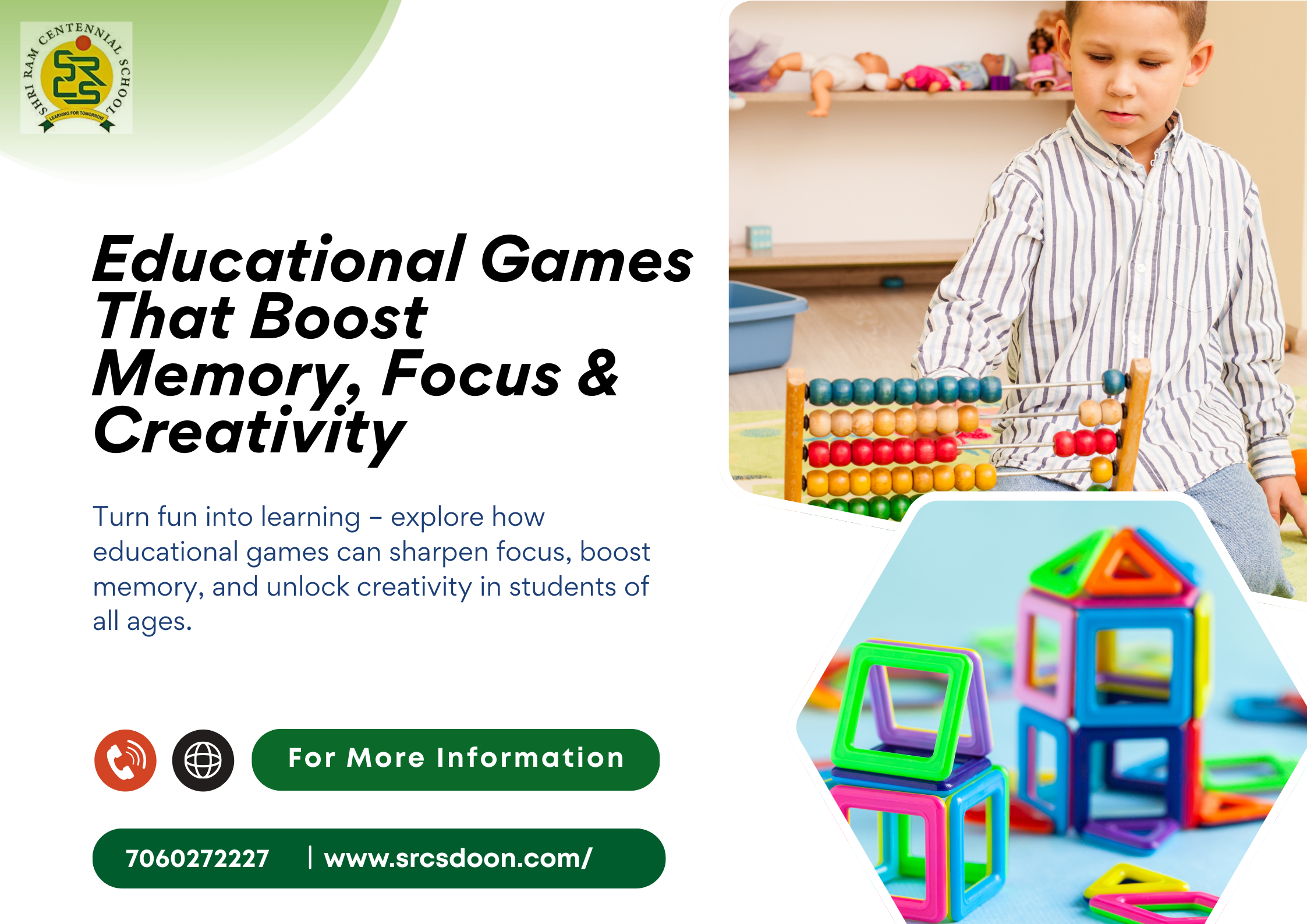
In today’s fast-paced educational environment, finding effective ways to engage students is more crucial than ever. Many schools in India are now adopting innovative approaches to help students sharpen their cognitive skills, stay attentive, and think creatively. One such powerful method is integrating educational games into the learning process.
In this blog, we’ll explore how educational games boost memory, focus, and creativity, along with examples and strategies that schools can implement easily.
Why Educational Games Essential

1. They Enhance Cognitive Development
Games activate different parts of the brain. Memory-based games strengthen recall abilities, while strategy games sharpen reasoning and planning.
2. They Improve Academic Performance
Studies reveal that students who engage in game-based learning show 20–30% improvement in test performance compared to traditional learning methods.
3. They Foster Lifelong Learning
Games turn learning into a habit rather than a chore. Students are more likely to practice skills repeatedly when they find the process enjoyable.
Key Benefits of Educational Games

1. Boosting Memory Retention
-
Flashcards, “Memory Match” apps, and word recall games help students retain information for longer periods.
-
Example: A history teacher using card-matching games to help students remember dates and events.
2. Improving Focus and Concentration
Games demand attention to rules and details, training the brain to filter distractions.
3. Encouraging Teamwork
-
Multiplayer classroom games develop communication, leadership, and empathy among peers.
-
Reduces conflicts and indirectly supports safety rules at school by fostering collaboration.
4. Reducing Learning Anxiety
Games transform tough concepts into interactive experiences, making students more confident and less stressed.
Types of Educational Games Used in Schools
1. Digital Learning Games
-
Kahoot!, Quizizz, and Duolingo bring subjects to life.
-
These platforms promote active participation in classrooms.
2. Physical Classroom Games
-
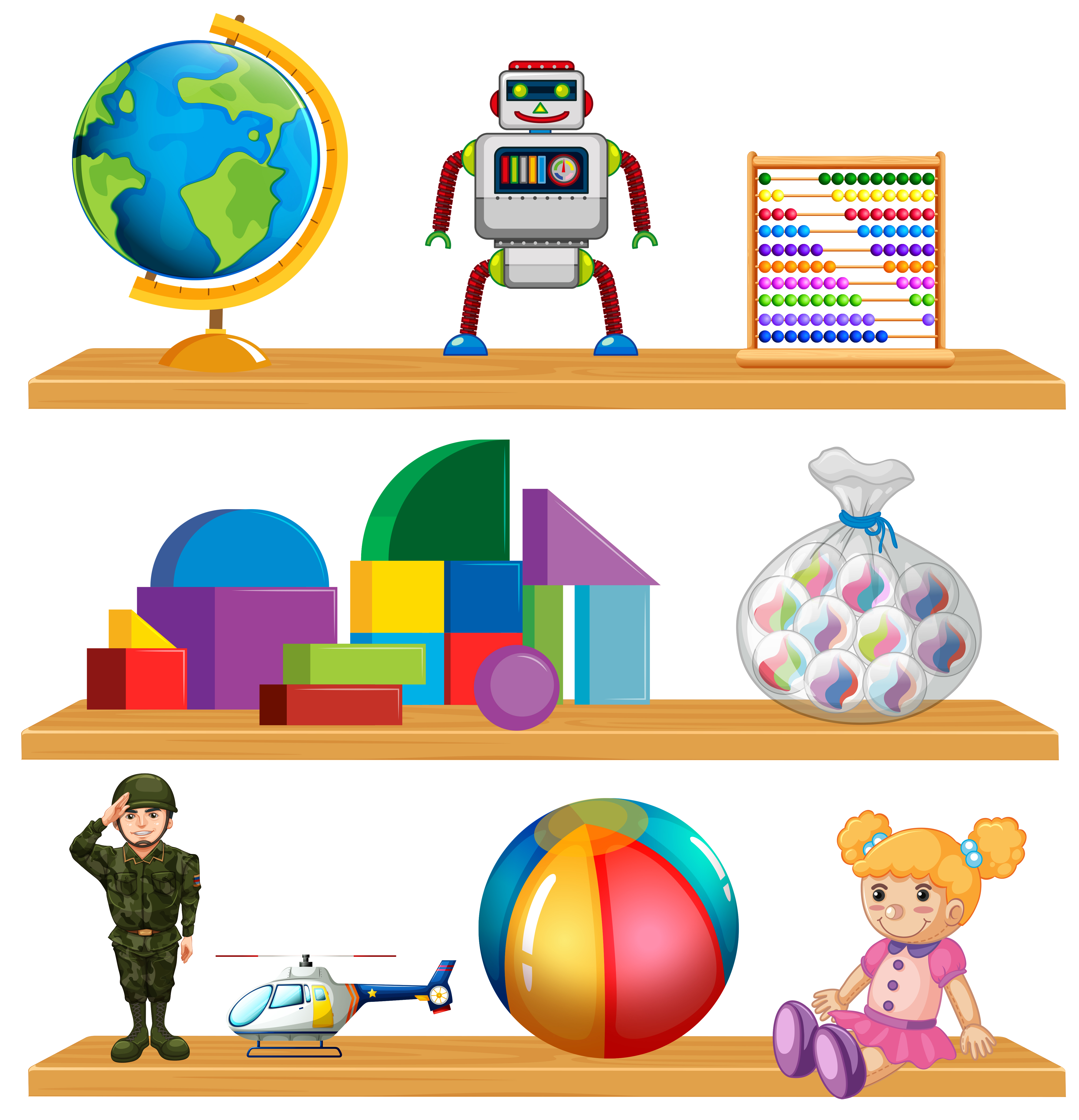
Flashcards, scavenger hunts, and puzzles make offline learning engaging.
3. STEM-Based Educational Kits
-
Robotics kits, coding games, and math puzzles help students understand complex topics hands-on.
4. Creative Thinking Games
-
Lego challenges, storytelling cubes, and design-based competitions.
How Schools Can Implement Educational Games

1. Integrate Games into Daily Lessons
Teachers can add quick 10-minute games to reinforce the topic taught that day.
2. Use Digital Learning Platforms
With many schools now adopting e-learning, platforms like Kahoot or Quizizz can make even complex subjects fun.
3. Organize Game-Based Competitions
Monthly or weekly competitions can boost motivation while promoting healthy competition among students.
4. Encourage Student-Created Games
Let students design their own board or digital games based on the subject they’re studying.
Conclusion
Educational games are transforming classrooms worldwide, and especially in schools in India, where traditional rote methods are gradually being replaced with engaging, interactive models. These games boost memory, focus, and creativity, preparing students for academic success and life skills.
Whether through gamification in education or fun learning methods in school, the shift is clear: learning is more engaging when it feels like play. At the same time, safety rules at school ensure that students can enjoy these experiences without risk.
The future of education isn’t just about books or exams — it’s about play, imagination, and safe learning environments.
Frequently Asked Questions (FAQs)
Q1. What are the best memory games for school students?
Card-matching, flash recall, and quiz apps like Kahoot! are highly effective.
Q2. How do schools in India integrate games into lessons?
Through gamified quizzes, group competitions, STEM kits, and interactive digital tools.
Q3. Are educational games only digital?
No. Offline activities like puzzles, storytelling, and role-play are equally valuable.
Q4. What safety rules at school protect kids during games?
Supervision, limiting screen time, ensuring age-appropriate tools, and fostering healthy competition.
Q5. Do educational games improve exam results?
Yes. Studies show game-based learning increases retention, leading to better academic performance.




Bravo, your phrase is useful
In my opinion you are mistaken. I can prove it. Write to me in PM, we will talk.