


Science is more than a subject—it’s a way of exploring the world. For many children, however, classroom lessons often feel like pages filled with formulas and theories. Science projects bring those lessons to life, turning abstract concepts into real experiences. They allow students to build, test, and see results right before their eyes.
Interestingly, many schools in India have already embraced this approach. With structured routines and dedicated spaces for creativity, they encourage students to take up projects that make learning fun, practical, and deeply engaging. Some of these projects are simple enough to try at home, while others are designed to inspire teamwork in school settings.
The Role of Science Projects in Education
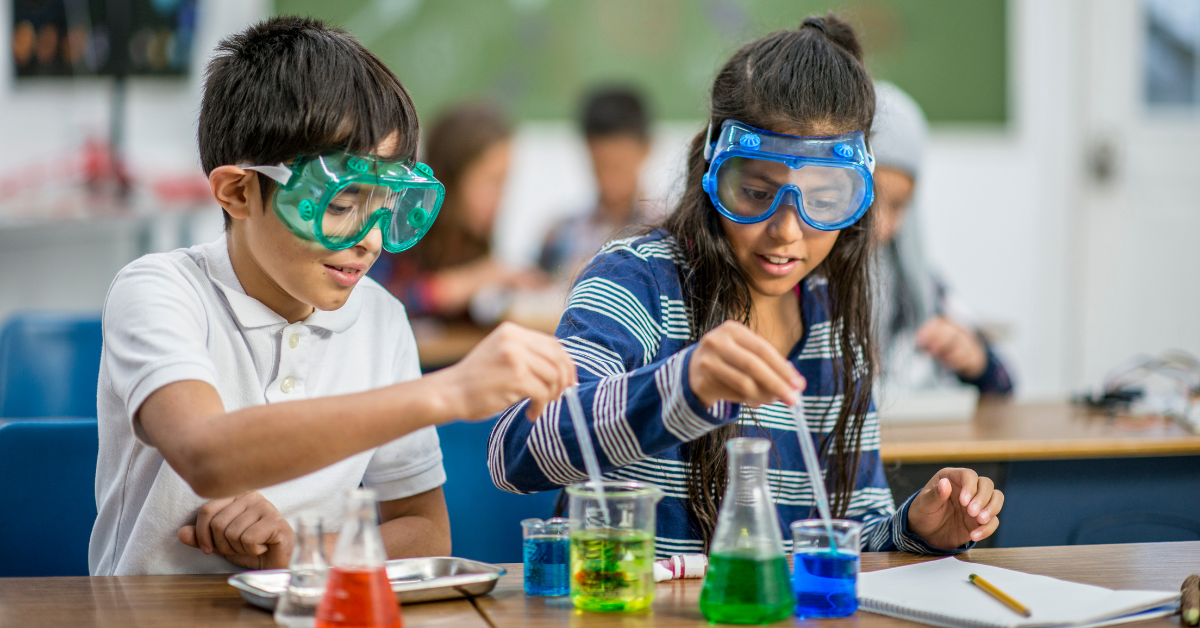
Science projects aren’t just “fun activities.” They play a crucial role in building essential life skills:
-
Critical Thinking: Students learn to ask “why” and “how” instead of memorizing answers.
-
Problem-Solving: Projects often involve trial and error, teaching resilience and creativity.
-
Collaboration: Group projects encourage teamwork and communication.
-
Confidence Building: Completing a hands-on project gives students a sense of accomplishment.
This is why schools worldwide, and especially boarding schools in India, are weaving project-based learning into their daily curriculum.
10 Unique Science Project Ideas That Spark Curiosity
1. Water Cycle in a Bag
The Water Cycle in a Bag project is simple but pure magic—trace water evaporating and forming droplets in a sealed bag stuck to a window. You get to see evaporation, condensation, and precipitation in action, making abstract weather ideas feel very real. It’s a great start for any Project-Based Learning approach.
2. Static Electricity Balloon Show

Rub a balloon on your hair and stick it to the wall—or watch it pull bits of paper. It’s playful, surprising, and teaches electrostatics without jargon. Learners love how something invisible can have so much effect.
3. Homemade Volcano
Classic, yet always a hit! Use baking soda and vinegar to mimic a volcanic eruption. It demonstrates chemical reactions in a way that’s dramatic and memorable. A favorite in boarding schools in India, where hands-on fun meets clear science.
4. Grow Borax Crystals
Mix hot water, borax, and a shaped pipe cleaner to grow crystal formations overnight. It’s beautiful, calming, and teaches how crystals form. Perfect for visual learners and a neat way to introduce scientific patience.
5. DIY Solar Oven
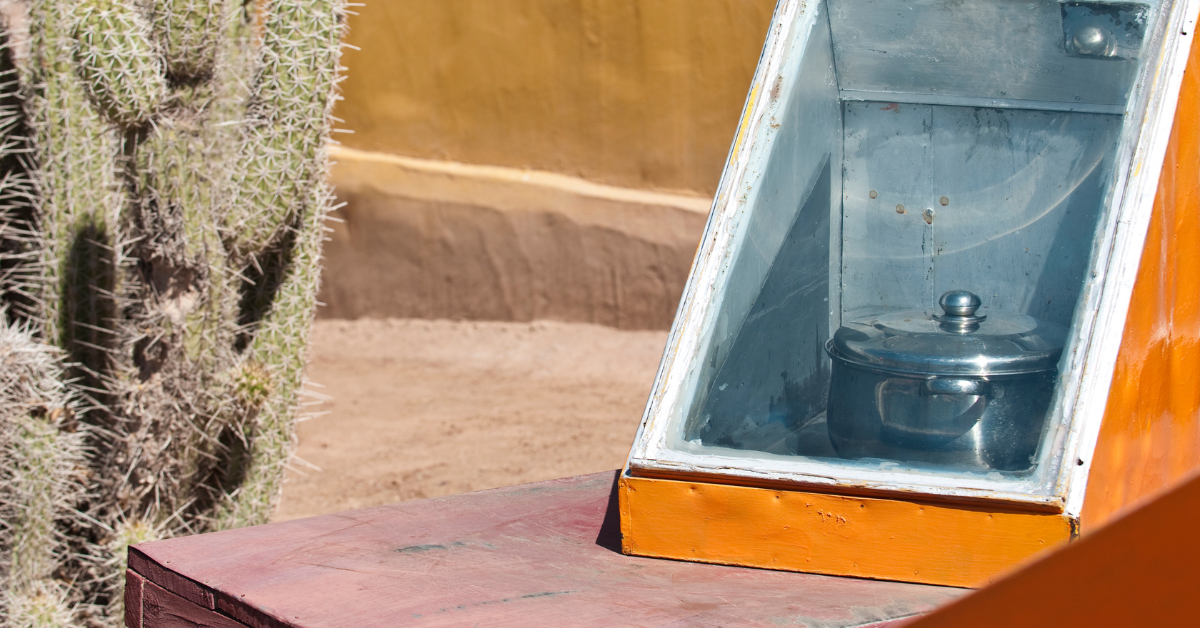 Build a tiny oven using a box, foil, and plastic wrap to melt marshmallows or chocolate using sunlight. This one brings energy science into real life and shows how solar power can actually cook. Great for eco-curious minds.
6. Mini Water Filter
Stack sand, gravel, and charcoal in a tube to clean dirty water. It’s cheap, hands-on, and teaches pollution, filtration, and water safety in a memorable way.
7. Rainbow in a Jar
Layer liquids of different densities—like honey, dish soap, and oil—to create a rainbow in a jar. It’s colorful and shows how liquids interact, density-style. A visual delight for learners.
8. Homemade Thermometer
Use water, rubbing alcohol, and food coloring in a straw sealed with clay to track temperature changes. It’s easy and teaches how different materials expand and contract—plus, you made your own tool!
9. Balloon Rocket

Tape a balloon to a straw on a string and watch it zoom when air is released. It’s physics in action—forces, propulsion, and motion—all shown with a puff of air.
10. Sugar Crystal (Rock Candy)
Dissolve sugar in hot water, add a stick or string, and wait for sugar crystals to form. It’s edible, hands-on science that reveals how solutions and crystal growth work.
Why These Projects Stand Out
What makes these ideas shine is their simplicity combined with impact. Each one encourages thinking, playing, and seeing real-world science at work. That’s the beauty of Project-Based Learning—students don’t just learn; they experience discovery. And this approach is becoming more common, especially in boarding schools in India that want to make learning lively and long-lasting.
Quick Tips for Teachers and Parents
-
Keep it short and sweet: Simple steps keep focus on the science, not the setup.
-
Let kids lead: Let them test, tweak, and question. Curiosity wins.
-
Make groups: A small team can brainstorm, share ideas, and help each other.
-
Add a story: Tell why the project matters—like saving water or using clean energy. It makes the project feel bigger.
When kids have fun, learning sticks—and that’s the goal.
Final Thoughts
Science is about exploring and being curious. These project ideas bring science off the page and into your hands. With Project-Based Learning, kids don’t just study—they discover and even in boarding schools in India, interactive learning is making a big difference.
So grab glue, prisms, candles—try one of these projects and watch how learning lights up. It’s not just school—it’s the start of a lifelong spark.
Frequently Asked Questions (FAQ’s)
Q1. Why are science projects important for students?
They make learning interactive, help students understand concepts better, and build problem-solving skills.
Q2. What are some simple science projects to try at home?
Water cycle in a bag, balloon rockets, and homemade volcanoes are easy and fun projects.
Q3. How do Fun Learning methods improve education?
They turn lessons into experiences, helping children learn by doing instead of memorizing.
Q4. Do boarding schools in India use science projects regularly?
Yes, many boarding schools in India include projects and experiments in their curriculum to balance academics with creativity.
Q5. What makes the best school in India stand out?
The best school in India blends academics with hands-on learning, encouraging students to explore and innovate.




I love how the article emphasizes science as an adventure and not just textbook learning. It’s important to connect lessons to real-world experiences to spark curiosity in students.