





Money plays a role in almost every decision we make—whether it’s buying books, saving pocket money, or planning a future career. Yet many young people grow up without understanding how money truly works. Becoming Financially Literate is no longer optional; it is a life skill every student and family in India must build early.
This blog explains what financial literacy means, why it matters today, and how students, parents, and teachers can work together to develop strong money management habits. The tone is simple enough for students and structured enough for educators and parents who want practical solutions.
Understanding the Meaning of Financially Literate

Being Financially Literate means having the knowledge, skills, and confidence to make responsible decisions about money. It is not just about earning—it’s about managing, saving, investing, spending wisely, and avoiding financial mistakes.
A financially aware person understands:
-
How money flows in daily life
-
How to budget and track expenses
-
The importance of saving
-
Basics of banking
-
How loans, interest, and credit work
-
How to avoid debt traps
-
How to plan for future financial goals
Financial literacy empowers individuals to take control of their financial future rather than being controlled by financial stress.
Why Financial Literacy Matters Deeply in India

India is home to one of the world’s youngest populations. This means millions of students will soon become working adults responsible for financial decisions. Yet studies show that a large portion of Indian youth struggle with basic concepts like interest rates, loan terms, or budgeting.
Here’s why being Financially Literate is crucial:
1. Rising Cost of Living
Expenses for education, transportation, food, and healthcare are increasing. Students must understand how to balance income and expenses early.
2. Digital Payments & Cashless Economy
UPI, online wallets, and digital banking are everywhere. Without awareness, young people risk falling for fraud or mismanaging online transactions.
3. Growing Risk of Debt
Credit cards, buy-now-pay-later apps, and student loans can trap people who don’t understand interest, penalties, and repayment systems.
4. Need for Smart Investments
From mutual funds to SIPs and insurance, modern financial tools help secure the future—but only if used correctly.
5. Empowering Students for Real Life
Schools teach math, science, and languages, but money skills often remain ignored. Practical financial knowledge gives students confidence and maturity.
How Financial Literacy Helps Students
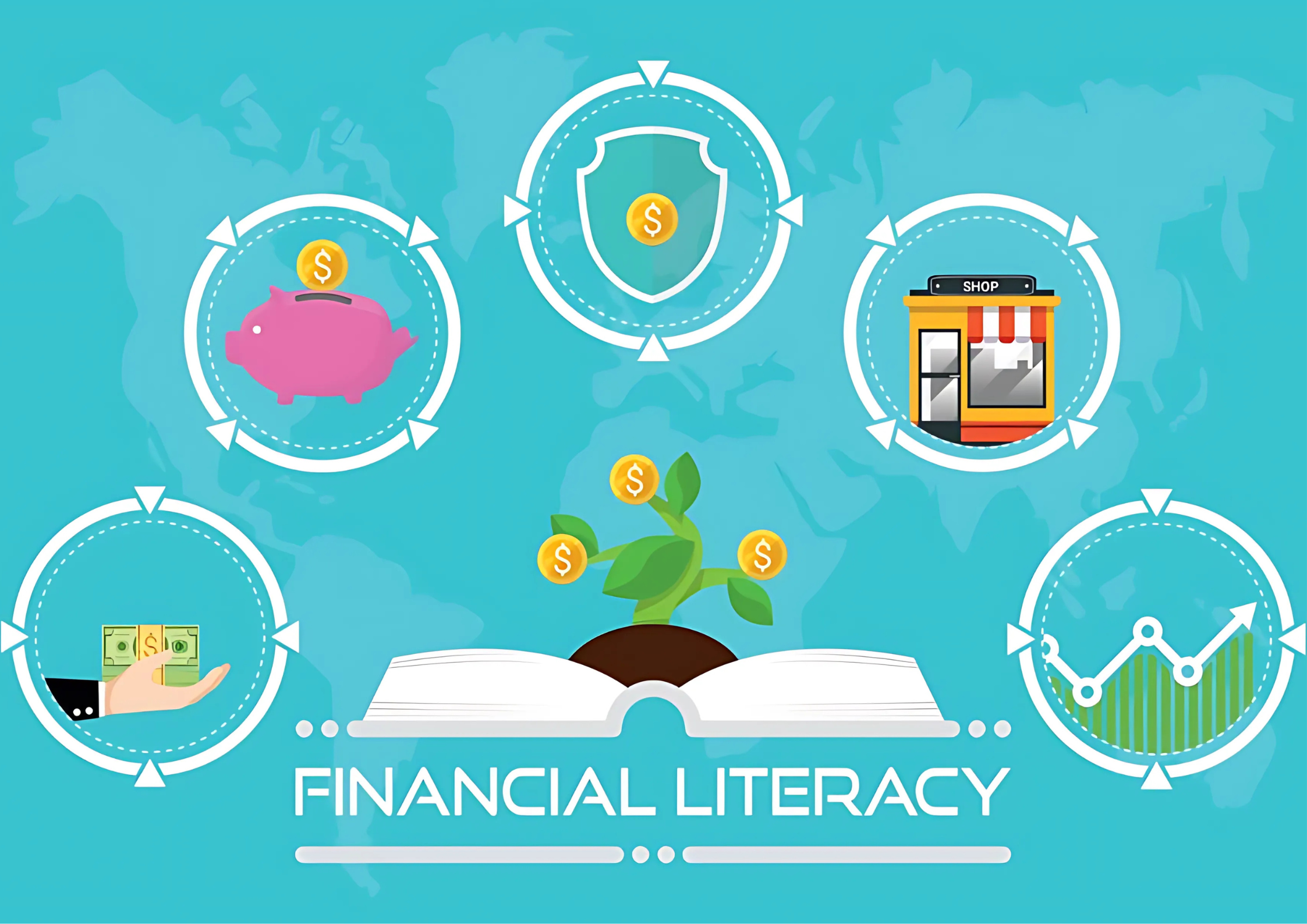
Although financial learning is essential for adults as well, its impact is most powerful when taught early.
Here’s what young learners gain:
-
Better decision-making
-
Long-term saving habits
-
Understanding the value of money
-
Smart use of digital banking
-
Ability to compare prices and choose correctly
-
Confidence in financial discussions
This is why many educators believe Financial Literacy for Students must be included in school curriculums.
Smart & Practical Ways Students Can Become Financially Literate

Below are easy, actionable steps that create lifelong financial strength.
1. Learn the Basics of Budgeting
Budgeting is the foundation of money management. Students can start by writing their monthly expected expenses—books, transport, stationery, outings—and comparing them with their available money.
A simple 50-30-20 model:
-
50% needs (essentials)
-
30% wants (fun or leisure)
-
20% savings (future goals)
This formula is easy to follow and builds discipline.
2. Track Every Rupee
A small notebook or a digital expense tracker helps students understand where their money goes. This simple habit reveals unnecessary spending and encourages mindful decision-making.
3. Save Before You Spend
The golden rule of becoming Financially Literate:
Income – Savings = Spending.
Even saving ₹10 daily builds long-term discipline. The goal is consistency, not the amount.
4. Understand How Banks Work
Students should know:
-
How to open an account
-
How debit cards work
-
What interest means
-
Difference between fixed deposits, savings accounts, and recurring deposits
Banking knowledge builds financial confidence early.
5. Learn Digital Safety
Digital payments require awareness. Students should know:
-
Never share OTPs
-
Double-check UPI IDs
-
Avoid public Wi-Fi while making payments
-
Recognize scam messages
Digital literacy is now a major part of financial literacy.
6. Start Small Investments (Under Guidance)
Once students understand basics, they can explore beginner concepts:
-
SIPs
-
Mutual funds
-
Simple insurance
-
Long-term goals
Learning early builds financial maturity.
Comparison Table: Financially Aware vs. Unaware Students
| Financially Literate Behaviors | Financially Unaware Behaviors |
|---|---|
| Tracks expenses daily | Spends without calculation |
| Saves regularly | Saves only when forced |
| Understands digital payments | Falls for online scams |
| Avoids impulsive buying | Purchases based on trends |
| Understands interest basics | Confused by loan terms |
Role of Schools in Building Money Skills
Many schools across India are now integrating financial education into their curriculum. A well-structured school program teaches budgeting, entrepreneurship, saving strategies, and basic economics in a fun, practical way. The best school in india can only support students fully when financial education is treated as an academic priority, not an optional lesson.
Conclusion: Becoming Financially Literate is a Life-Changing Skill
In today’s fast-changing world, being Financially Literate is not just a helpful skill—it is a necessity. Students who learn money management early grow up confident, independent, and prepared for real-life challenges. With support from families, schools, and digital tools, financial literacy can become an everyday habit and a lifelong asset.
FAQs: Financial Literacy for Indian Students
1. What age should students start learning money skills?
Ideally from Class 5–6. Early habits stay for life.
2. Is financial literacy part of the Indian school curriculum?
Some boards have included basics, but most learning still depends on parents and teachers.
3. Why do students overspend easily?
Peer pressure, online discounts, and lack of planning cause quick spending.
4. Are digital payments safe for students?
Yes—when used with precautions like OTP privacy and secure apps.
5. Can financial literacy prevent debt later?
Absolutely. Early awareness helps avoid loan traps and impulsive credit use.