




Education is not just a privilege—it is a legal right in India. To make schooling accessible to all children, the government introduced the Right to Education Act, 2009. One of its most discussed provisions is the 25% reservation in private schools for children from economically weaker sections and disadvantaged groups.
Understanding the RTE Rules for Private Schools in India is essential for parents, school administrators, and educators. This guide explains the 25% quota, eligibility requirements, admission procedure, benefits, challenges, and practical considerations in a balanced and clear manner.
Table of Contents
ToggleUnderstanding the Right to Education Act
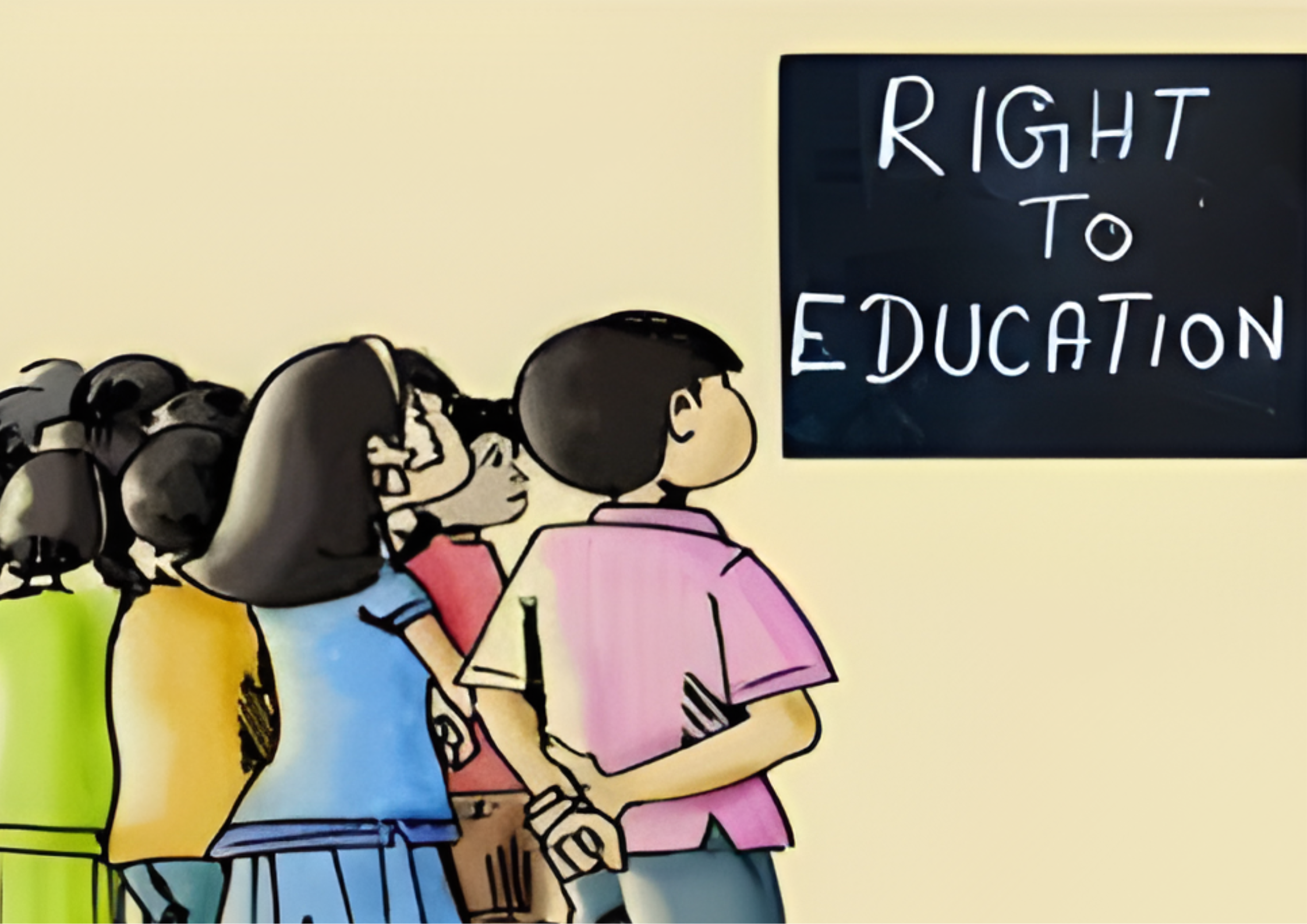
The Right of Children to Free and Compulsory Education Act, 2009—commonly known as the RTE Act—came into effect on 1 April 2010. It mandates free and compulsory education for children between 6 and 14 years of age.
The Act applies to government schools and certain private unaided schools. Its purpose is to ensure that no child is denied basic education due to financial limitations.
What Is the 25% Quota in Private Schools?

One of the key provisions under the Act is the reservation of 25% seats at the entry-level class (usually Nursery, LKG, or Class 1) in private unaided schools.
Key Features of the 25% Quota
-
Applies to entry-level admissions only
-
Reserved for children from economically weaker sections (EWS) and disadvantaged groups (DG)
-
Tuition fees are reimbursed to schools by the government
-
Covers children aged 6 to 14 years
This quota aims to promote social inclusion by allowing children from diverse backgrounds to study together.
Eligibility Criteria Under RTE

To apply under the 25% quota, families must meet specific eligibility conditions.
1. Age Criteria
The child must fall within the age range prescribed for the entry-level class, typically between 3 and 7 years, depending on state norms.
2. Income Criteria
Parents must belong to the Economically Weaker Section category. The annual income limit is defined by state governments and may vary.
3. Disadvantaged Groups
This includes children belonging to Scheduled Castes, Scheduled Tribes, socially backward classes, children with disabilities, or orphans.
Proper documentation is mandatory to verify eligibility.
Admission Process Under RTE Rules

The admission process is designed to be transparent and accessible.
Step 1: Online or Offline Application
Most states have online RTE portals where parents can fill out application forms during the admission window.
Step 2: Document Submission
Required documents usually include:
-
Birth certificate
-
Income certificate
-
Residence proof
-
Caste certificate (if applicable)
-
Aadhaar card
Step 3: School Selection
Parents can choose nearby private schools participating in the scheme.
Step 4: Lottery System
If applications exceed available seats, a lottery system is conducted to ensure fairness.
Step 5: Verification and Admission
Selected candidates must complete document verification to confirm admission.
Financial Responsibilities of Private Schools

Private unaided schools must admit eligible students under the quota and cannot charge tuition fees from them. The government reimburses the school either the per-child expenditure in government schools or the actual fee—whichever is lower.
However, schools cannot discriminate against RTE students in academics, activities, or classroom treatment.
Benefits of the RTE Rules 25% Quota
The provision offers advantages to both students and society.
1. Equal Educational Opportunities
Children from low-income families gain access to quality infrastructure and learning resources.
2. Social Inclusion
Students from different economic backgrounds learn together, promoting empathy and diversity.
3. Reduced Dropout Rates
Free education encourages continued schooling for financially vulnerable families.
4. Long-Term Social Impact
Access to structured learning improves literacy rates and strengthens the overall Impact of Education on national development.
Challenges in Implementation
While the policy is progressive, it faces practical challenges.
1. Reimbursement Delays
Some schools report delays in government reimbursements.
2. Awareness Gaps
Many eligible parents are unaware of application timelines and procedures.
3. Documentation Barriers
Families from marginalized communities may struggle to produce required documents.
4. Integration Concerns
Ensuring inclusive classroom environments requires sensitivity and training.
Balanced implementation requires cooperation between government authorities and private institutions.
Important Guidelines for Parents
-
Check state-specific income limits
-
Apply within the official admission window
-
Keep copies of all documents
-
Track lottery announcements
-
Report irregularities to the education department
Staying informed increases the chances of successful admission.
Common Misconceptions About RTE Rules

Myth 1: Private Schools Can Refuse Admission
Fact: Schools must comply with the 25% quota provision if covered under the Act.
Myth 2: RTE Students Receive Different Treatment
Fact: The law prohibits discrimination of any kind.
Myth 3: The Quota Applies to All Classes
Fact: The 25% reservation applies only at the entry level.
Clearing misconceptions ensures smoother implementation.
How RTE Rules Strengthens the Education System
The RTE framework attempts to bridge inequality in access to quality schooling. By integrating students from varied backgrounds, it promotes fairness and social cohesion.
Though challenges exist, consistent policy monitoring and awareness can improve outcomes. The goal is not merely free admission—but meaningful educational participation.
Conclusion
The 25% reservation under the Right to Education Act is a significant step toward inclusive education in India. It ensures that children from economically weaker and disadvantaged groups are not excluded from quality private schooling due to financial constraints.
Understanding eligibility criteria, application steps, and documentation requirements helps parents navigate the process confidently. When implemented effectively, this policy strengthens social equality and educational access.
Education is a shared responsibility. With informed parents, cooperative schools, and transparent systems, the RTE framework can continue to expand opportunities for every child.
Frequently Asked Questions
1. What is the 25% reservation under the RTE Act?
The RTE Act requires private unaided schools to reserve 25% of entry-level seats for children from economically weaker sections and disadvantaged groups.
2. Which classes are covered under the RTE 25% quota?
The quota applies only to entry-level classes such as Nursery, LKG, UKG, or Class 1, depending on the school’s admission structure.
3. Do parents have to pay fees for children admitted under RTE?
No. Tuition fees for students admitted under the RTE quota are covered by the government through a reimbursement system to the school.
4. Can parents apply for multiple schools under RTE?
Yes. In most states, parents can select several nearby schools while filling out the RTE application form to increase admission chances.
5. What happens if the number of RTE applications is higher than available seats?
When applications exceed available seats, schools or authorities usually conduct a computerized lottery system to ensure a fair selection process.