In the bustling academic environment of today’s schools, student wellness has become a priority for educators and parents alike. One of the most effective ways to enhance student wellness is through the practice of yoga.
Schools in Dehradun have embraced this ancient discipline, recognizing the profound impact it can have on students’ physical, mental, and emotional health. This article explores the role of yoga in student wellness, highlighting its benefits and importance in the lives of young learners.
Why Yoga Matters for Students Today
Academic Pressure and Stress
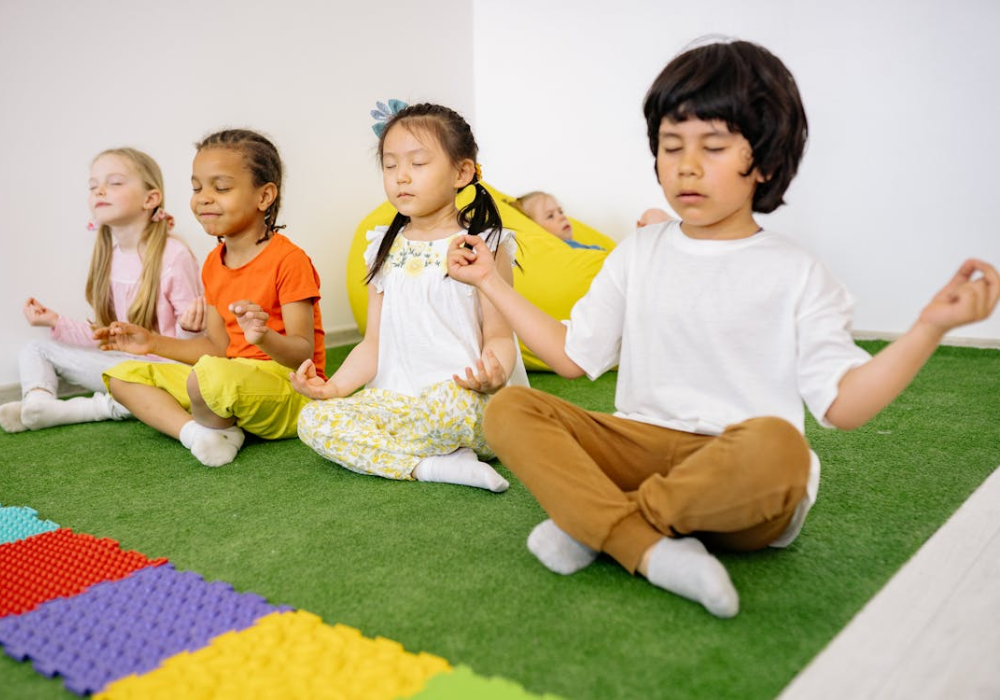
Students today encounter increasing academic expectations. Exams, digital distractions, and future career concerns can create stress that affects both mental health and learning outcomes.
Yoga offers a structured method to calm the mind and regulate breathing. These techniques help students manage stress in a healthy way, preventing emotional burnout during demanding academic periods.
Supporting Balanced Development
Education aims to develop well-rounded individuals rather than focusing solely on academic achievements. Yoga supports this goal by improving physical fitness while also encouraging emotional awareness and self-discipline.
By practicing yoga regularly, students gradually learn how to maintain balance between study, rest, and personal growth.
Benefits of Yoga for Students

1. Improved Concentration and Focus
One of the most widely observed advantages of yoga is improved concentration. Breathing exercises and mindfulness practices train students to remain present and attentive.
Regular yoga practice strengthens the ability to control wandering thoughts, which can help students stay focused during classroom learning and exam preparation.
2. Better Mental Health and Emotional Stability
Adolescence and school life can be emotionally challenging. Students often experience anxiety, peer pressure, or fear of failure.
Yoga encourages relaxation and emotional regulation. Slow breathing and meditation techniques calm the nervous system, helping students feel more composed and confident when facing difficulties.
3. Enhanced Physical Health
While yoga is gentle compared to many sports, it still provides valuable physical benefits. Stretching postures improve flexibility, posture, and muscle strength.
For students who spend long hours sitting in classrooms or studying at desks, yoga helps reduce stiffness and maintain healthy body movement.
4. Increased Self-Discipline
Consistency is a key element of yoga practice. Students who practice regularly gradually develop habits of discipline and self-control.
These qualities naturally extend into academic life, helping students follow study routines and manage their time more effectively.
5. Better Sleep Patterns
Stress and screen exposure often disrupt students’ sleep cycles. Yoga helps relax the body and mind, making it easier to fall asleep and maintain deeper rest.
Proper sleep plays a crucial role in memory retention and learning, indirectly improving academic performance.
How Yoga Supports Mental Health in Students

Mental well-being is becoming a major concern in education systems worldwide. Anxiety, academic competition, and social expectations can affect students’ emotional stability.
Yoga supports mental health through three primary mechanisms:
Mindfulness:
Meditative elements encourage awareness of thoughts and emotions without immediate reaction.
Breathing Control:
Deep breathing techniques regulate heart rate and calm the nervous system.
Body Awareness:
Physical postures help students recognize tension in the body and release it gradually.
Together, these practices create a sense of calm and resilience that helps students manage stress more effectively.
Yoga and Concentration in Academic Performance

Many educators observe that students who practice yoga regularly demonstrate improved attention spans. This improvement is particularly noticeable during reading, problem-solving, and exam preparation.
Yoga strengthens concentration by training the mind to remain steady. Even a short daily session can help students reset mentally before beginning study sessions or classroom activities.
For example, a few minutes of breathing exercises before class can reduce restlessness and improve classroom engagement.
Integrating Yoga into School Education

Schools across many countries have started introducing yoga as part of their curriculum or wellness programs. Integrating yoga into education does not require extensive resources or specialized infrastructure.
Some common approaches include:
-
Short yoga sessions during morning assemblies
-
Weekly yoga classes in physical education programs
-
Meditation breaks during study hours
-
Workshops conducted by trained instructors
Such initiatives encourage students to see yoga as a normal and enjoyable part of their daily routine.
Challenges in Introducing Yoga for Students

While yoga offers numerous advantages, implementing it in schools may also present certain challenges.
Limited Awareness
Some parents or institutions may still view yoga as unnecessary or unrelated to academic success. Educating communities about its scientifically supported benefits can help overcome this perception.
Lack of Trained Instructors
Proper guidance ensures that students practice yoga safely and effectively. Schools sometimes face difficulties finding qualified instructors who understand both yoga and student needs.
Time Constraints in Academic Schedules
School timetables are often tightly packed with academic subjects and activities. Allocating time for yoga may initially appear challenging.
However, even short sessions of 10–15 minutes can deliver meaningful benefits without disrupting academic schedules.
Practical Yoga Practices Suitable for Students
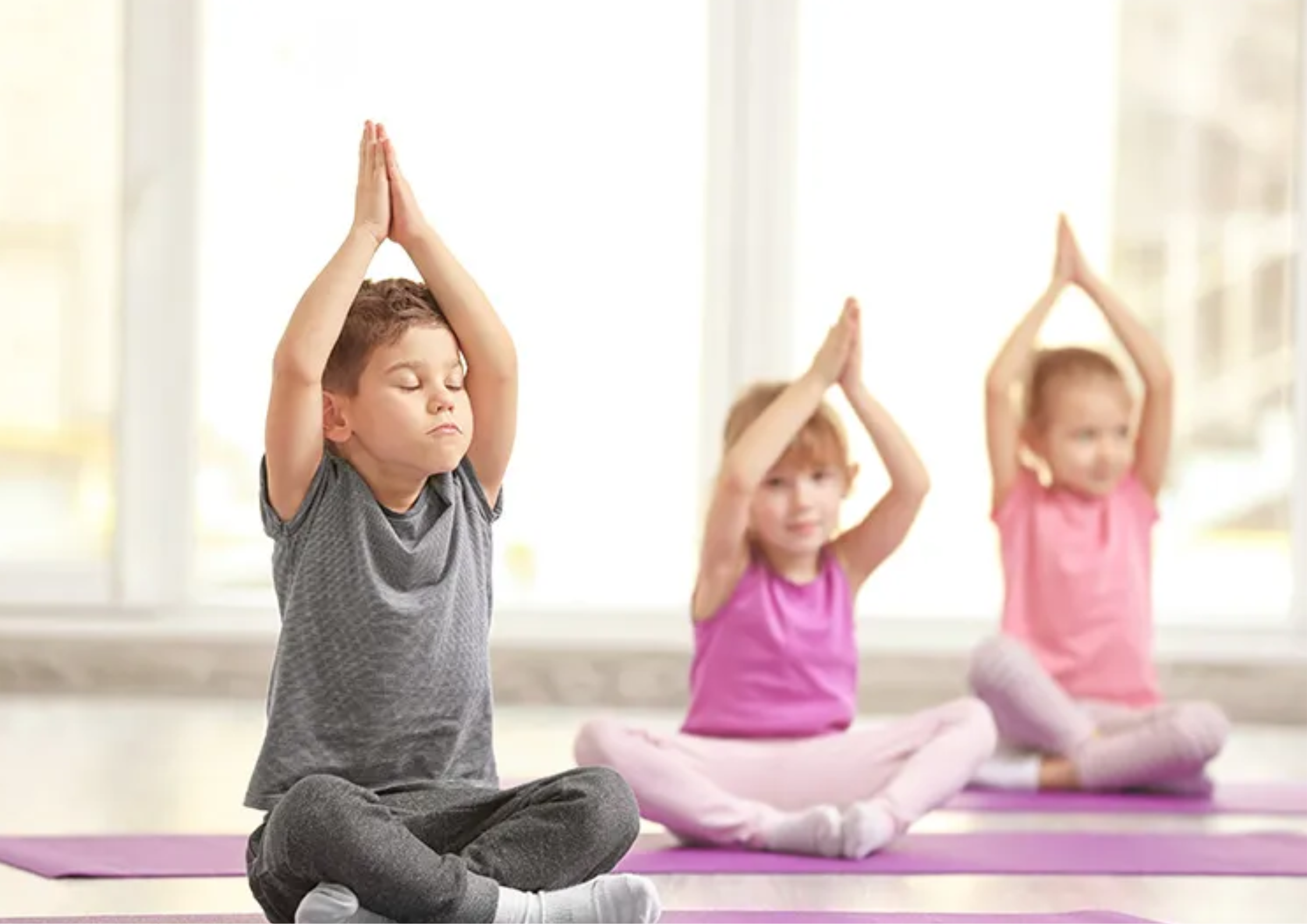
Students do not require complex routines to experience the advantages of yoga. A few simple practices can be highly effective.
Breathing Exercises:
Slow breathing helps calm the mind before exams or presentations.
Basic Stretching Postures:
Simple poses improve flexibility and release physical tension from long study hours.
Short Meditation Sessions:
A few minutes of silent reflection helps students regain mental clarity.
Consistency is more important than duration. Practicing regularly, even for a short period, leads to gradual improvements in concentration and emotional balance.
Conclusion
Education is not only about acquiring knowledge but also about nurturing healthy and resilient individuals. Students today face increasing academic expectations and emotional challenges, making it essential to adopt practices that support both mental and physical well-being.
Yoga offers a practical and accessible approach to achieving this balance. Through breathing techniques, physical postures, and mindfulness, students can develop better concentration, emotional stability, and self-discipline.
When schools, parents, and educators work together to promote yoga, students gain valuable tools that extend far beyond the classroom. These tools help them manage stress, focus on their goals, and grow into confident and balanced individuals ready to face future challenges.
Frequently Asked Questions
1. Why is yoga important for students?
Yoga helps students maintain a healthy balance between their physical and mental well-being. It reduces stress, improves concentration, and supports better emotional control, which can positively influence academic performance.
2. How does yoga improve concentration in students?
Yoga practices such as breathing exercises and meditation train the mind to stay calm and focused. This helps students reduce distractions and pay better attention during studies and classroom activities.
3. Can yoga help students manage academic stress?
Yes, yoga helps regulate breathing and relax the nervous system. Regular practice can reduce anxiety, improve mood, and help students handle academic pressure more effectively.
4. How often should students practice yoga?
Students can benefit from practicing yoga for about 10–20 minutes daily. Even short sessions practiced consistently can improve focus, flexibility, and mental clarity.
5. Is yoga suitable for students of all ages?
Yes, yoga can be practiced by students of all age groups. Simple and beginner-friendly yoga poses and breathing techniques can be safely adapted for younger children as well as teenagers.