




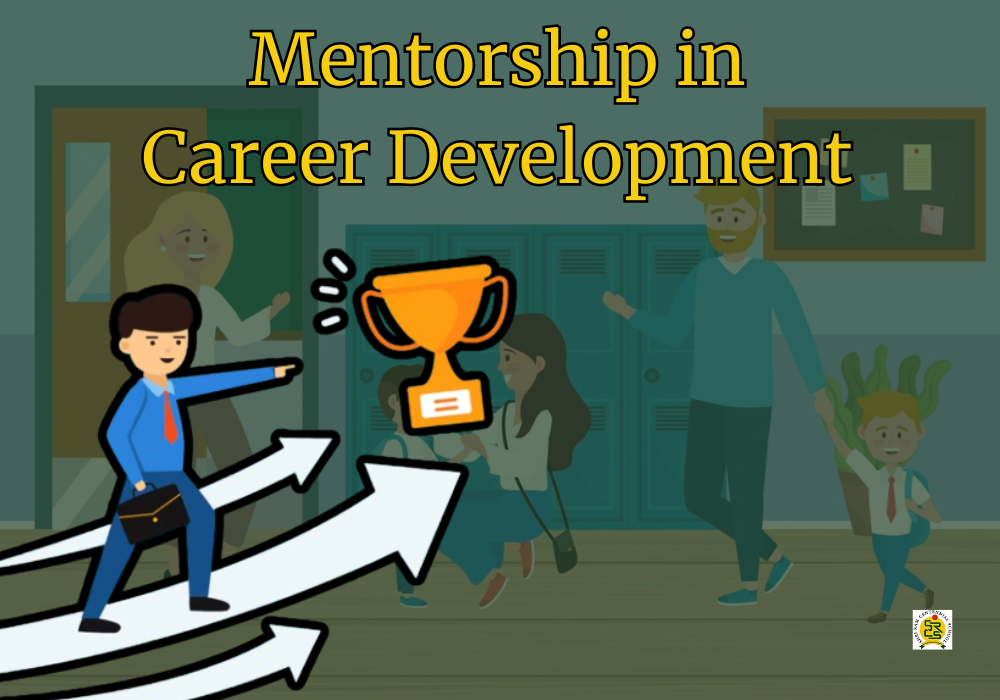
This is especially true for students in schools in Dehradun, where mentorship can provide critical support as they prepare for their future careers. This article delves into the importance of mentorship in career development, exploring how mentors can facilitate growth, enhance skills, and open doors to new opportunities.
Table of Contents
ToggleWhat is Career Development?
Understanding the Concept
Career development refers to the process of managing learning, work, and transitions throughout life. It includes identifying strengths, exploring career options, acquiring skills, and making informed decisions.
It is not limited to choosing a job—it involves:
- Setting career goals
- Gaining relevant education and skills
- Adapting to industry changes
- Growing professionally over time
Key Stages of Career Development
1. Self-Assessment
Understanding personal interests, strengths, and values is the first step. This helps in choosing a career that aligns with one’s personality.
2. Career Exploration
Researching different fields, industries, and opportunities helps students make informed decisions.
3. Skill Development
Acquiring both technical and soft skills is essential for career growth.
4. Decision-Making
Choosing the right career path based on knowledge and self-awareness.
5. Continuous Growth
Learning does not stop after getting a job. Upskilling and adapting are crucial for long-term success.
Importance of Career Development
1. Provides Direction and Purpose
Career development gives clarity about future goals. Instead of feeling confused, students can follow a structured path.
2. Enhances Confidence
When individuals understand their strengths and work on their skills, they become more confident in their abilities.
3. Improves Decision-Making
With proper guidance, students can make better academic and professional choices, avoiding confusion and regret later.
4. Encourages Lifelong Learning
Career development promotes continuous learning, which is essential in today’s competitive world.
5. Aligns Passion with Profession
It helps individuals choose careers that match their interests, leading to greater job satisfaction.
Benefits of Career Development
For Students
Better Academic Focus
Students become more focused when they have clear career goals.
Early Skill Building
They start developing skills early, giving them an advantage in the future.
Reduced Career Confusion
Proper guidance reduces uncertainty and stress related to career choices.
How to Overcome Career Development Challenges
1. Seek Proper Guidance
Career counseling and mentorship can help students understand their options clearly.
2. Focus on Skill Development
Learning practical skills such as communication, problem-solving, and digital literacy is essential.
3. Stay Updated
Keeping up with industry trends helps in making informed decisions.
4. Explore Internships and Projects
Practical experience provides real-world exposure and clarity about career choices.
5. Build a Growth Mindset
Accepting challenges and learning from failures is key to long-term success.
Practical Steps for Effective Career Development
1. Set Clear Goals
Define short-term and long-term career objectives.
2. Create a Career Plan
Outline the steps needed to achieve your goals, including education and skill requirements.
3. Develop Relevant Skills
Focus on both hard skills (technical knowledge) and soft skills (communication, leadership).
4. Network with Professionals
Connecting with industry experts provides valuable insights and opportunities.
5. Monitor Progress
Regularly evaluate your progress and make necessary adjustments.
Role of Schools in Career Development
Schools play a crucial role in shaping students’ futures. They provide the foundation for knowledge, discipline, and skill development.
Career Guidance Programs
Schools can organize workshops, seminars, and counseling sessions to help students explore career options.
Skill-Based Learning
Encouraging practical learning helps students prepare for real-world challenges.
Exposure to Opportunities
Participation in competitions, internships, and extracurricular activities broadens students’ perspectives.
Conclusion
Career development is a lifelong journey that requires planning, effort, and adaptability. It is not just about choosing a profession but about continuously growing and evolving in a dynamic world.
By understanding personal strengths, exploring opportunities, and developing relevant skills, individuals can build successful and fulfilling careers. While challenges exist, they can be overcome with the right mindset, guidance, and preparation.
For students, parents, and educators alike, focusing on structured career development ensures a brighter and more secure future.
FAQs
1. What is career development?
Career development is a continuous process of identifying career goals, improving skills, and making informed decisions to achieve long-term professional success.
2. Why is career development important for students?
It helps students choose the right path, build relevant skills early, and gain clarity about their future goals.
3. What are the key stages of career development?
The main stages include self-assessment, career exploration, skill development, decision-making, and continuous growth.
4. How can students improve their career development?
Students can improve by setting clear goals, learning new skills, gaining practical experience, and seeking guidance from mentors or counselors.
5. What challenges are faced in career development?
Common challenges include lack of awareness, peer pressure, skill gaps, and adapting to a rapidly changing job market.