



Learning methods have changed significantly over the past decade. With classrooms becoming more technology-friendly and students relying on digital tools for everyday tasks, Study Apps for Students have emerged as practical companions in academic life. These applications are no longer limited to revision or test practice; they now support planning, concept clarity, and independent learning across age groups.
This guide explains how study apps fit into modern education, the value they offer, their limitations, and how students can use them responsibly to improve academic outcomes.
Why Study Apps Matter in Today’s Education System
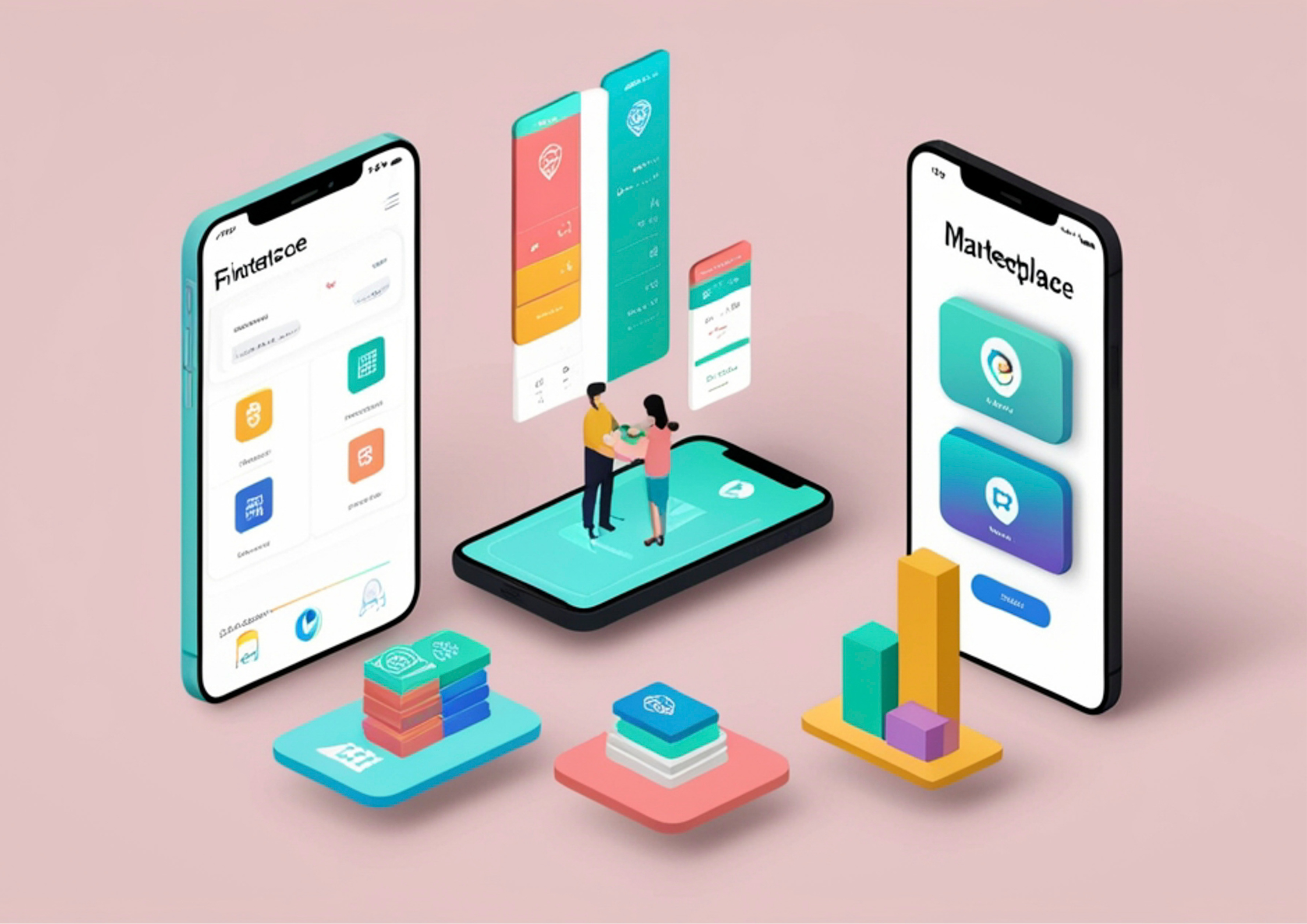
Education today extends beyond textbooks and classrooms. Students are expected to manage assignments, prepare for exams, and revise concepts efficiently, often within limited time. Study apps help bridge this gap by providing structured resources that students can access on demand.
Teachers and parents increasingly recognize these tools as learning aids rather than distractions—when used with intention and supervision. The right app can reinforce classroom learning, especially for students who need additional practice or personalized explanations.
Key Categories of Study Apps Students Use

1. Concept Learning and Explanation Apps
These apps focus on breaking down academic topics into simple explanations using videos, animations, and examples. They are especially helpful for subjects like mathematics, physics, chemistry, and grammar, where conceptual clarity is essential.
2. Exam Preparation and Practice Apps
Practice-oriented apps provide quizzes, mock tests, and performance analysis. They help students understand exam patterns and manage time effectively during assessments.
3. Note-Taking and Study Organization Tools
Digital note apps allow students to create, store, and revise notes in an organized manner. Features like tagging, cloud sync, and search functions make revision faster and more efficient.
4. Productivity and Time Management Apps
These tools help students plan study schedules, set goals, and track daily progress. They are particularly useful during exam seasons when time discipline becomes critical.
Benefits of Using the Best Study Apps for Students

1.Better Learning Flexibility
Study apps allow students to learn at their own pace. Difficult topics can be revisited multiple times without pressure, which improves understanding and confidence.
2. Personalized Study Support
Many apps adapt content based on performance. This ensures students focus more on weak areas instead of repeating what they already know.
3. Improved Academic Discipline
With features like reminders and progress tracking, students develop structured study habits and better time management skills.
4. Support in Residential Learning Environments
In structured academic settings such as best boarding schools in India, study apps often support supervised self-study hours by providing revision tools aligned with school curricula.
Challenges Students and Parents Should Consider

Distraction Risks
Since study apps run on mobile devices, students may easily switch to non-academic apps. Without discipline, learning time can turn into screen time.
Screen Time and Health Concerns
Extended use of mobile devices may affect sleep patterns, posture, and eye health. Excessive dependence can also contribute to Mobile Addiction if boundaries are not clearly defined.
Over-Reliance on Digital Learning
Study apps should support—not replace—traditional learning methods like reading textbooks, writing notes, and participating in classroom discussions.
Quality and Accuracy Issues
Not all apps maintain the same academic standards. Incorrect explanations or oversimplified content can confuse students if not cross-checked with reliable sources.
How Parents and Educators Can Guide Responsible Usage

- Set Clear Usage Guidelines :Defining study hours and app-specific usage times helps maintain balance and reduces misuse.
- Encourage Blended Learning: Combining app-based revision with offline study methods ensures deeper understanding and retention.
- Review App Content Regularly: Parents and teachers should periodically assess whether the apps students use align with academic goals and curriculum requirements.
- Promote Self-Awareness in Students: Teaching students to recognize when technology supports learning—and when it distracts—builds long-term discipline.
The Growing Role of Study Apps in Future Learning

Educational technology continues to evolve. Modern study apps now integrate adaptive assessments, real-time feedback, and multilingual support. These features make learning more inclusive and efficient, especially for diverse learning needs.
However, experts agree that digital tools work best under human guidance. Teachers, parents, and institutions remain central to shaping disciplined and meaningful learning experiences.
Conclusion
Study apps have become an integral part of modern education by offering flexibility, personalization, and academic support beyond classrooms. When selected carefully and used responsibly, they enhance learning without replacing traditional educational foundations. The key lies in balance—using technology as a tool, not a dependency—to support consistent academic growth.
Frequently Asked Questions (FAQs)
1. Are study apps suitable for all age groups?
Yes, study apps are designed for different academic levels, from primary school to higher education, provided the content matches the student’s age and curriculum.
2. Can study apps replace traditional classroom learning?
No, study apps are meant to support classroom learning, not replace teachers, textbooks, or structured academic instruction.
3. How much time should students spend on study apps daily?
Most educators recommend limited and purposeful usage, usually aligned with homework or revision time, to maintain a healthy learning balance.
4. Do study apps help improve exam performance?
When used consistently for revision and practice, study apps can improve understanding, time management, and exam readiness.
5. What should parents check before allowing a study app?
Parents should review content accuracy, screen time limits, curriculum alignment, and the absence of excessive advertisements.