





Junk food is everywhere—brightly packaged, easy to access, and designed to appeal to our taste buds. From school canteens to neighborhood stores, it has become a routine part of daily life for many people. However, growing awareness about nutrition and long-term health has led governments, educators, and health experts to take a closer look at what we eat. This is why junk food bans, especially in public spaces linked to children and young adults, are becoming more common.
This guide explains why junk food is banned, how it affects the human body, and what this shift means for families, students, and educators. The goal is not to create fear, but to encourage informed choices based on science and public health priorities.
What Is Junk Food?
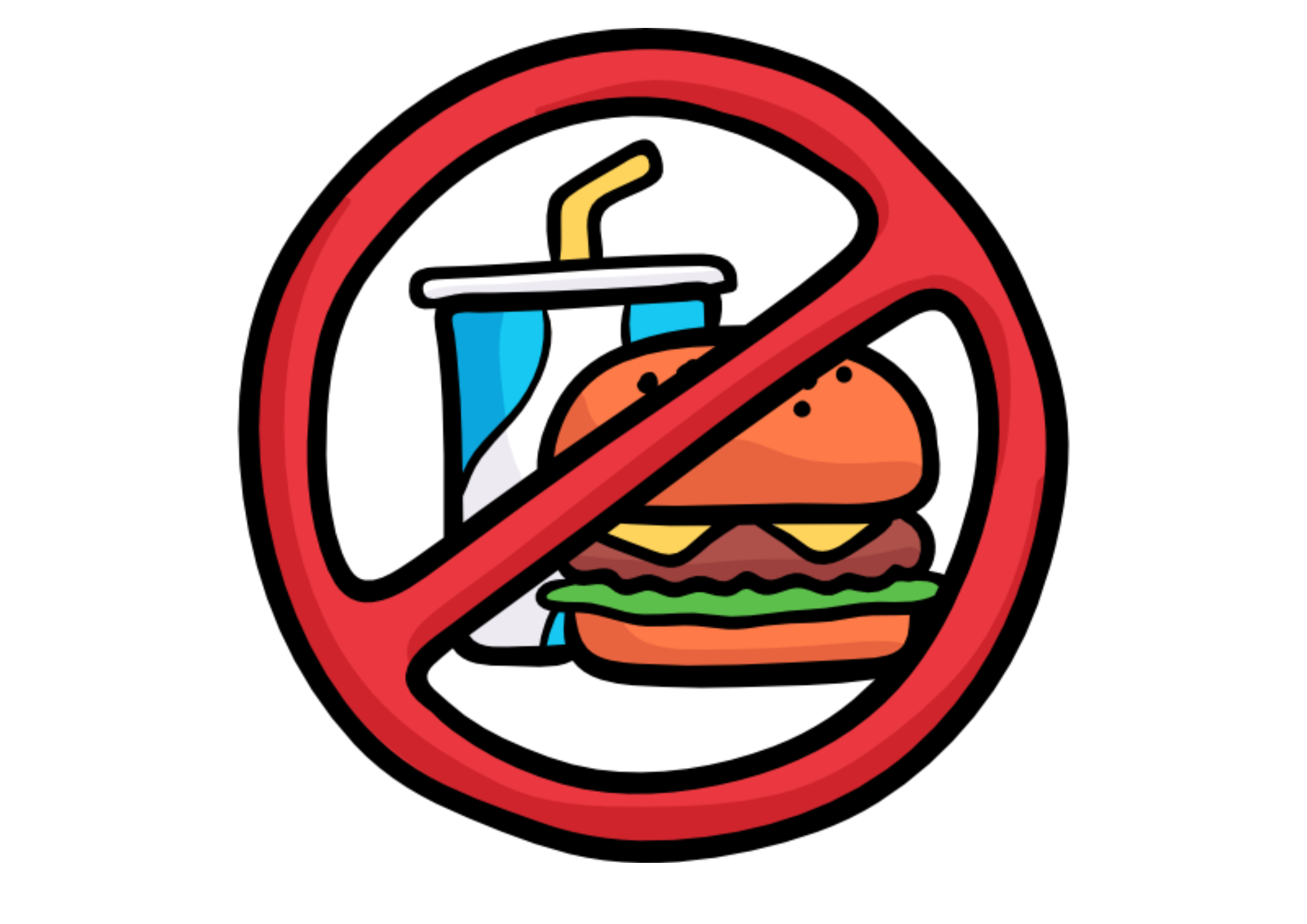
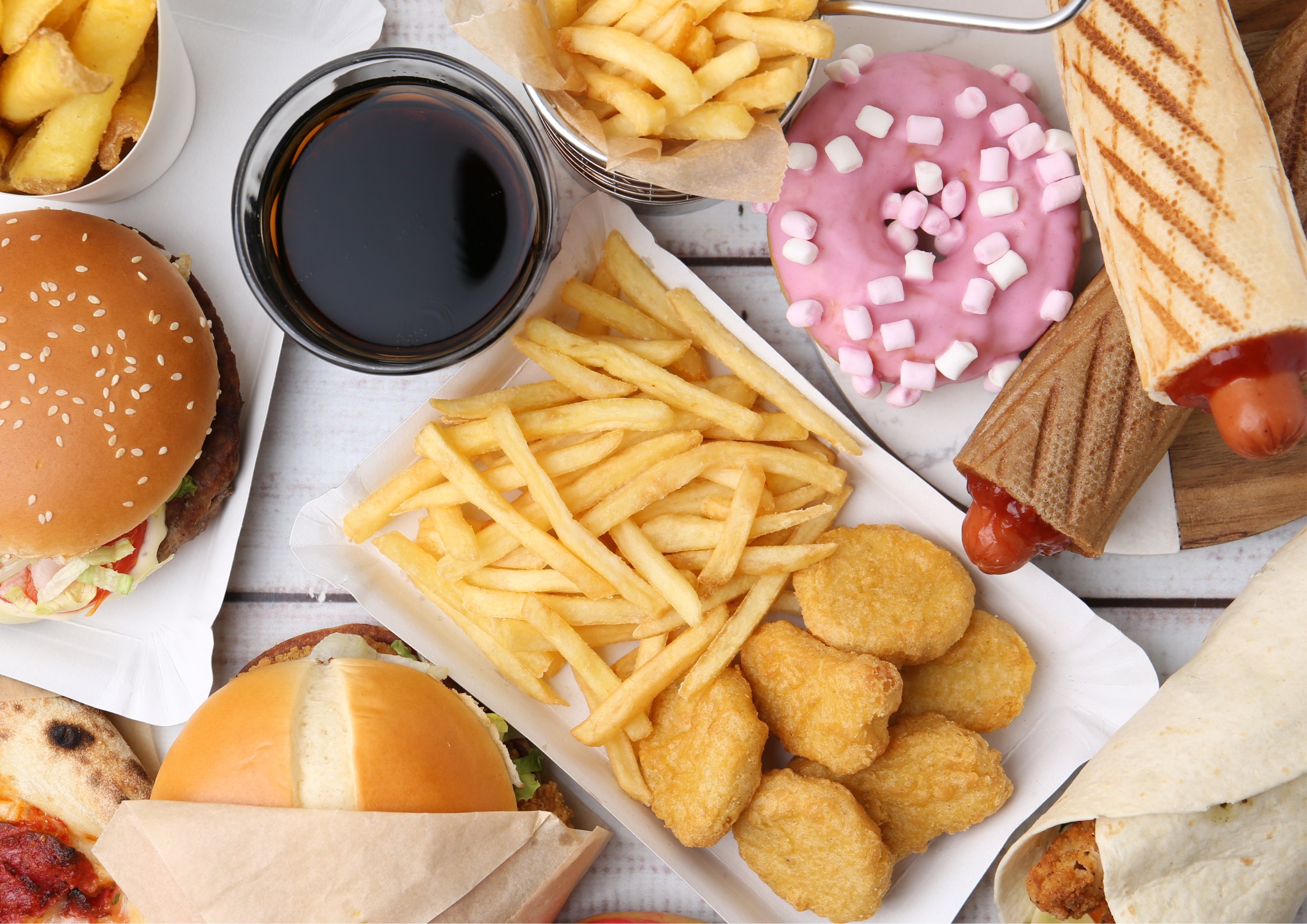
Junk food refers to foods that are high in calories but low in nutrients.
These foods often contain:
- Excess sugar
- High salt content
- Unhealthy fats
- Artificial colors and flavors
- Preservatives
- Refined carbohydrates
Although junk food may taste appealing, it does not provide the vitamins, minerals, protein, or fiber that the body needs.
Why Is Junk Food Banned in Certain Places?
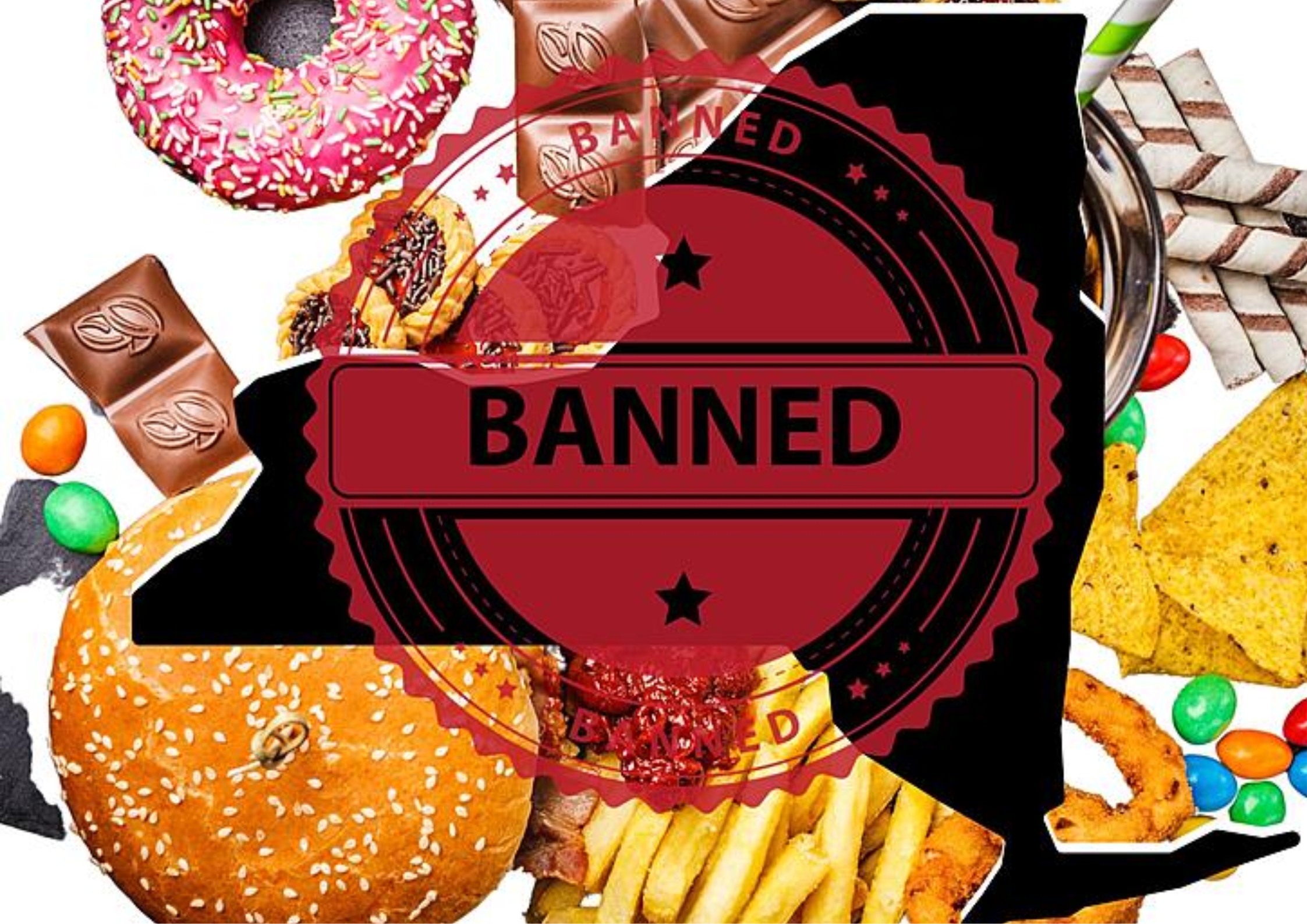
The decision to ban or restrict junk food is not arbitrary. It is based on years of medical research, public health data, and rising concerns about lifestyle-related diseases.
Protecting Children and Teenagers
Young bodies are still developing, and their nutritional needs are higher. Regular exposure to unhealthy food can disrupt growth, concentration, and immunity. Many education authorities have introduced restrictions in and around a school in india to reduce easy access to low-nutrition food during formative years.
Rising Health Care Burden
Non-communicable diseases such as obesity, diabetes, and heart conditions are increasing at alarming rates. A significant portion of these illnesses is linked to poor dietary patterns established early in life. By limiting junk food availability, policymakers aim to reduce long-term healthcare costs and improve population health.
Encouraging Better Food Awareness
Bans are often paired with education programs that teach students how food choices affect their bodies. The idea is not just to remove harmful options, but to guide people toward better alternatives.
How Junk Food Affects Your Body
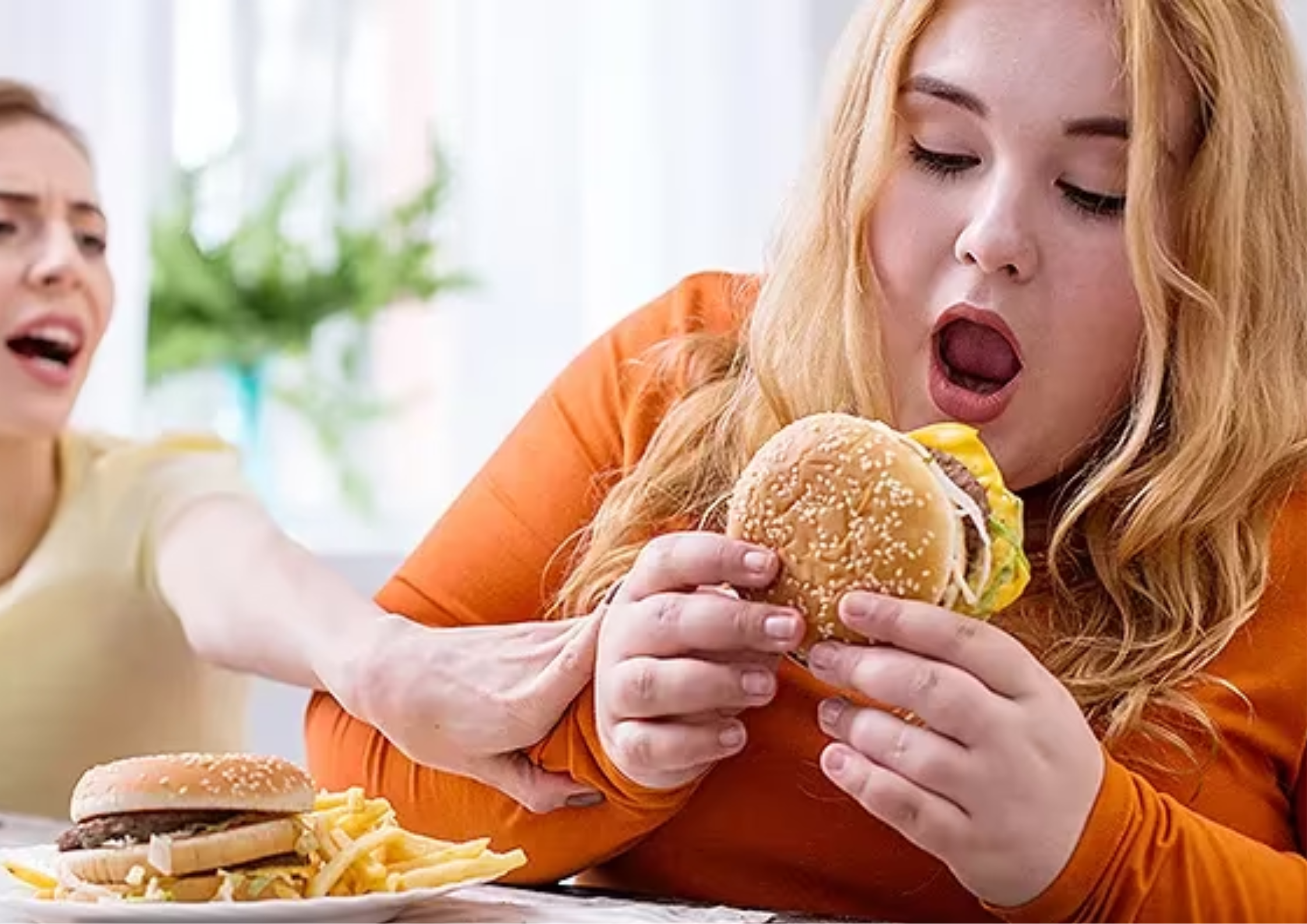
The impact of junk food is not limited to weight gain. Its effects are complex and influence nearly every system in the body.
Short-Term Effects
-
Sudden energy spikes followed by fatigue
-
Difficulty concentrating and reduced attention span
-
Digestive discomfort and irregular appetite
These effects are especially noticeable in students, where diet directly influences academic performance and behavior.
Long-Term Health Risks
Over time, frequent consumption of junk food can contribute to:
-
Obesity and related joint problems
-
Type 2 diabetes due to insulin resistance
-
High blood pressure and heart disease
-
Weakened immune system
The body adapts to high sugar and fat intake by craving more of the same, creating a cycle that becomes difficult to break without conscious effort.
The Role of Nutrition in Mental and Emotional Health
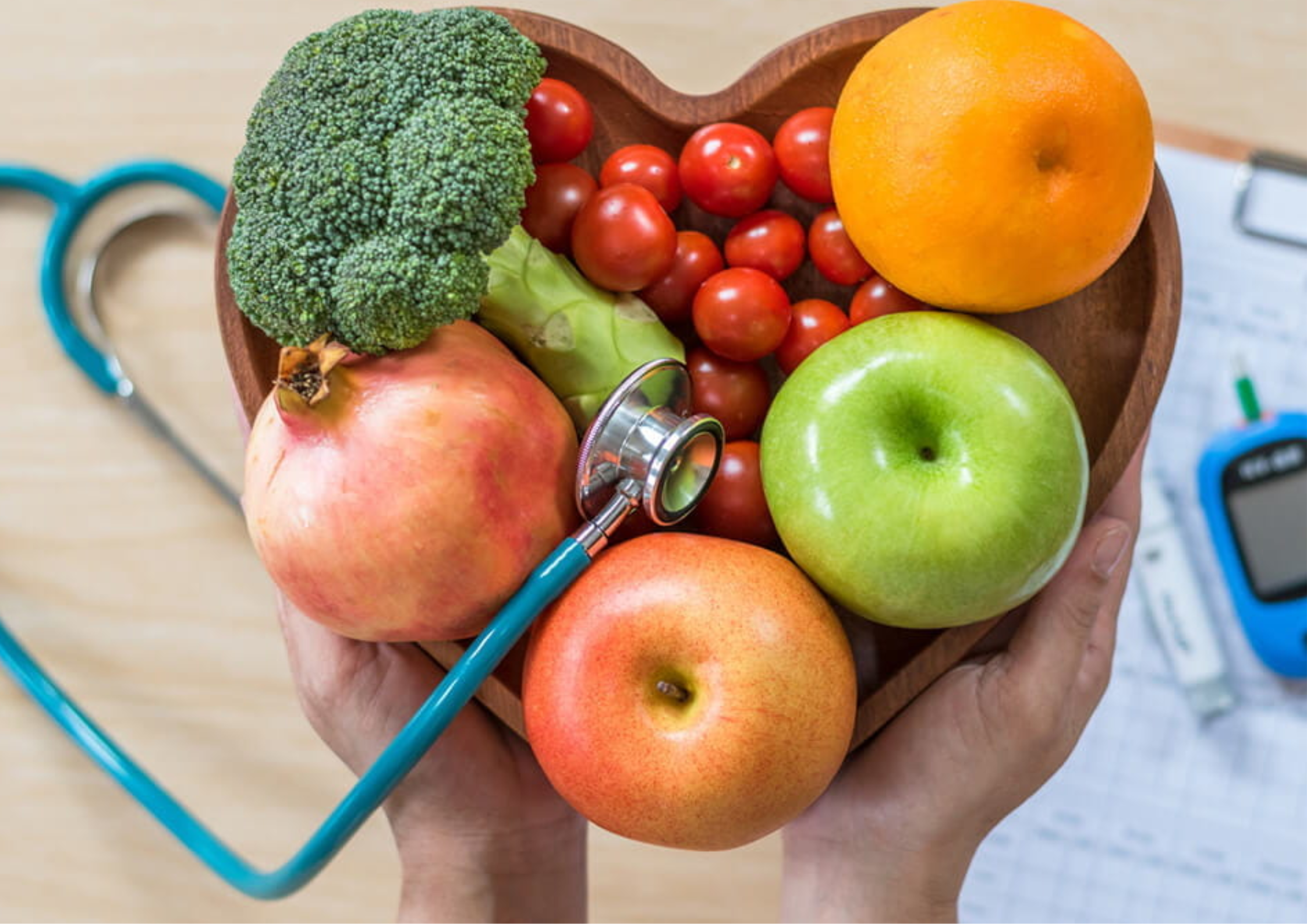
Diet does not only shape physical health; it also affects the brain. Research shows that highly processed foods can influence mood, stress levels, and even sleep patterns.
Impact on Brain Function
A diet lacking essential nutrients may affect memory, learning ability, and emotional regulation. Children and adolescents are particularly vulnerable because their brains are still developing.
Emotional Eating Patterns
Junk food is often linked to emotional eating due to its temporary comfort effect. Over time, this can lead to unhealthy relationships with food and body image issues.
Benefits of Junk Food Restrictions
Although bans may seem strict at first, they offer several long-term advantages for individuals and communities.
Improved Overall Health
Reduced access naturally leads to reduced consumption. This can result in better weight management, improved digestion, and higher energy levels.
Better Academic and Work Performance
Balanced meals support concentration, memory, and stamina. Students and professionals alike benefit from stable energy levels throughout the day.
Promotion of Healthy Eating Culture
Restrictions often encourage the adoption of Healthy Eating Habits that last beyond school or workplace environments. When healthier choices become the norm, they are easier to maintain.
Challenges and Criticism of Junk Food Bans
Despite good intentions, junk food bans are not without challenges.
Resistance to Change
People may view restrictions as a limitation of personal freedom. Sudden changes in food availability can also lead to frustration, especially if healthier alternatives are not affordable or appealing.
Accessibility and Cost Issues
Nutritious food options can sometimes be more expensive or less accessible, particularly in certain regions. Without proper planning, bans may unintentionally widen dietary inequality.
Need for Education Alongside Regulation
A ban alone is not enough. Without understanding why changes are made, people may revert to old habits outside regulated spaces. Education and awareness are essential to make restrictions effective.
Healthy Alternatives to Junk Food
Instead of junk food, students and families can choose healthier options such as:
| Junk Food | Healthy Alternative |
|---|---|
| Chips | Roasted nuts or popcorn |
| Sugary drinks | Coconut water or fresh juice |
| Pastries | Fruit salad or yogurt |
| Instant noodles | Homemade vegetable sandwiches |
| Chocolates | Dry fruits or dark chocolate |
These alternatives provide better nutrition while still being tasty and satisfying.
Conclusion: Beyond the Ban
Junk food bans are not meant to remove all enjoyment from eating. They are designed to protect people, especially children and teenagers, from the harmful effects of unhealthy food.
By reducing access to low-nutrition foods and encouraging healthy eating habits, schools and governments can help improve public health. The goal is not to completely avoid treats but to create a balanced lifestyle where healthy meals become the priority. With proper awareness, better food choices, and access to nutritious alternatives, individuals can protect both their physical and mental health.
Frequently Asked Questions
1. Does banning junk food mean children will never eat it again?
No. The aim is to reduce frequent and easy access, not to eliminate occasional consumption outside regulated spaces.
2. Are homemade snacks always healthier than packaged food?
Not always. Homemade food is healthier only when prepared with balanced ingredients and limited sugar, salt, and oil.
3. Can junk food affect sleep quality?
Yes. Foods high in sugar and refined carbohydrates can disrupt sleep patterns and reduce overall sleep quality.
4. Do junk food bans apply only to schools?
No. Restrictions may also apply to hospitals, public institutions, and government-regulated food zones.
5. Is reading food labels important even after a ban?
Yes. Understanding food labels helps individuals make informed choices wherever food restrictions do not apply.