





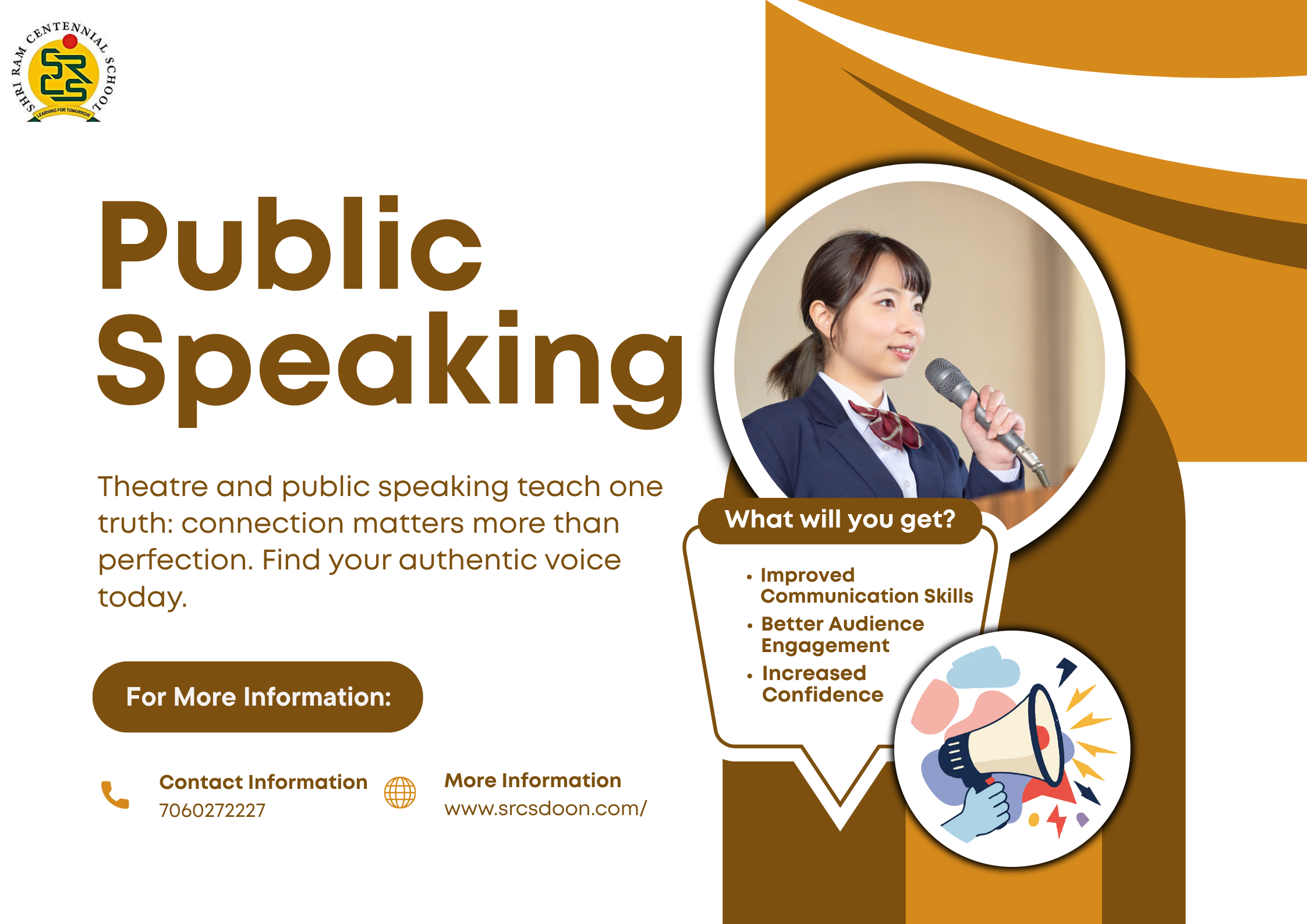
Public speaking is often seen as a talent few are born with—but the truth is, great speakers aren’t perfect, they’re connected. Whether addressing a classroom, a conference, or a global audience, the secret to great public speaking lies not in flawless delivery but in genuine human connection.
In this article, we’ll explore how connecting with your audience transforms your speaking style, boosts confidence, and creates impact.
Why Public Speaking Matters More Than Ever
In a world ruled by screens and social media, authentic communication has become a superpower. Public speaking teaches more than just articulation—it develops leadership, empathy, and emotional intelligence.
From students in schools in India learning to express their ideas confidently to professionals delivering boardroom presentations, public speaking remains one of the most valuable life skills.
The Myth of Perfection in Public Speaking
Most people fear public speaking because they believe they must sound perfect—no stutters, no nervous gestures, no mistakes. But perfection often disconnects the speaker from the audience.
Listeners relate to authenticity, not rehearsed speeches. A genuine pause, a smile, or an honest confession resonates far more than a flawless but mechanical presentation.
Remember: the best speakers are storytellers, not robots.
Connection: The True Secret Behind Powerful Speeches
1. Speak to One, Not to Many
Even when addressing hundreds, great speakers talk as if they’re speaking to one person. This helps you sound natural and builds trust. Eye contact, friendly gestures, and conversational tone make your words relatable.
2. Use Stories, Not Statistics Alone
Facts inform, but stories inspire. Share personal experiences, challenges, or lessons learned. People don’t remember data—they remember emotions attached to stories.
3. Listen Before You Speak
Effective communication starts with listening. Understanding your audience’s needs, age group, or background helps you choose the right words and examples.
4. Adapt, Don’t Recite
Memorizing word for word creates anxiety. Instead, outline your points and speak freely. This allows flexibility and helps your talk flow naturally.
Practical Techniques to Build Confidence

1. Know Your Material Deeply
Confidence comes from preparation, not memorization. Understand your topic so well that you can explain it in simple words—even to a child.
2. Practice in Real Environments
Rehearse in front of a mirror, record yourself, or present to friends. Simulate the environment where you’ll speak to reduce nervousness.
3. Control Your Breathing
Deep, slow breaths calm the mind and steady your voice. Before going on stage, inhale deeply for 4 seconds, hold for 2, and exhale for 4.
4. Use Pauses Wisely
Silence is a tool. Strategic pauses help emphasize key points and give the audience time to absorb your message.
Body Language: Your Silent Speaker

Your body communicates before your words do. Maintain open posture, relaxed shoulders, and purposeful movements. Avoid crossing arms or fidgeting.
- Smile genuinely—it conveys warmth and makes your audience feel comfortable.
- Eye contact, in particular, builds connection. Try dividing your audience mentally into sections and alternate your gaze to engage everyone.
Handling Stage Fear Like a Pro
Stage fright is normal—even experts feel it. The difference is how they manage it.
Here’s how to keep anxiety in check:
-
Visualize success: Picture yourself speaking confidently and receiving applause.
-
Focus outward: Shift attention from yourself to your audience’s needs.
-
Turn nerves into energy: Channel your adrenaline into enthusiasm.
With each experience, your fear reduces, and your authenticity grows.
Crafting a Speech That Connects
Start Strong
Begin with a hook—an interesting question, a story, or a surprising fact. Within the first 30 seconds, your goal is to make people want to listen.
Structure Simply
Use the 3-part formula:
-
Introduction: Present the idea.
-
Body: Explain with examples or stories.
-
Conclusion: End with a memorable message or call to action.
End with Emotion
Your final words stay in people’s minds. Inspire, motivate, or make them reflect. Endings should leave an emotional imprint—not just a polite thank you.
Why Connection Wins Over Perfection

In every great speech—from school assemblies to TED Talks—the magic lies in relatability.
Audiences don’t recall every word; they remember how you made them feel.
A connected speaker can stumble on words yet still inspire. A perfect speaker without empathy might impress—but won’t move hearts.
As one communication coach puts it: “People may forget what you said, but they’ll never forget how you made them feel.”
That’s the hidden secret of great public speaking.
For Students and Young Speakers
Public speaking is an essential life skill that every student should develop early. Schools and colleges that encourage open discussions, debates, and presentations help shape confident communicators.
If you study at a school in Dehradun, for example, joining speech clubs or participating in inter-school events can help overcome stage fear and build leadership qualities for life.
Tips for Teachers and Trainers

Teachers play a key role in nurturing young speakers. Encourage:
-
Open-ended classroom discussions.
-
Storytelling as a learning method.
-
Constructive feedback instead of criticism.
When students feel supported rather than judged, they develop confidence naturally.
Digital Era Public Speaking

In today’s virtual world, online speaking skills are equally vital.
Whether it’s a video presentation or webinar, apply the same principles:
-
Speak conversationally.
-
Keep your posture upright and maintain camera eye contact.
-
Use visuals sparingly but effectively.
Digital speaking is no longer secondary—it’s a core communication skill for the future.
Final Thoughts
Great public speaking is not about sounding perfect—it’s about sounding human. It’s about connecting with people through authenticity, empathy, and purpose. Just like in theatre and public speaking, the real impact comes from emotion and presence, not perfection.
When you stop chasing flawless delivery and start focusing on your audience, every speech becomes meaningful. Whether you’re addressing classmates, colleagues, or strangers, remember—connection always wins.
FAQs
1. What is the secret to great public speaking?
The real secret is connecting with your audience emotionally rather than focusing only on flawless delivery.
2. How can I overcome stage fear?
Prepare well, practice regularly, breathe deeply, and focus on your message instead of worrying about mistakes.
3. How can teachers help students improve public speaking?
Teachers can organize debates, discussions, and storytelling sessions to build students’ confidence and communication skills.
4. Why is public speaking important for students?
It builds confidence, critical thinking, and leadership skills—helping students excel academically and personally.
5. How do I make my speech more engaging?
Use personal stories, relatable examples, and natural humor to create a genuine connection with your audience.