





The ICSE board, officially known as the Council for the Indian School Certificate Examinations (CISCE), is recognized for its rigorous and well-rounded curriculum. Schools under CISCE promote a balanced approach to academics, arts, and extracurricular activities.
One of the most crucial aspects that parents, students, and teachers often ask about is the ICSE grading system—a key component in assessing student performance and academic growth.
What is the ICSE Grading System?
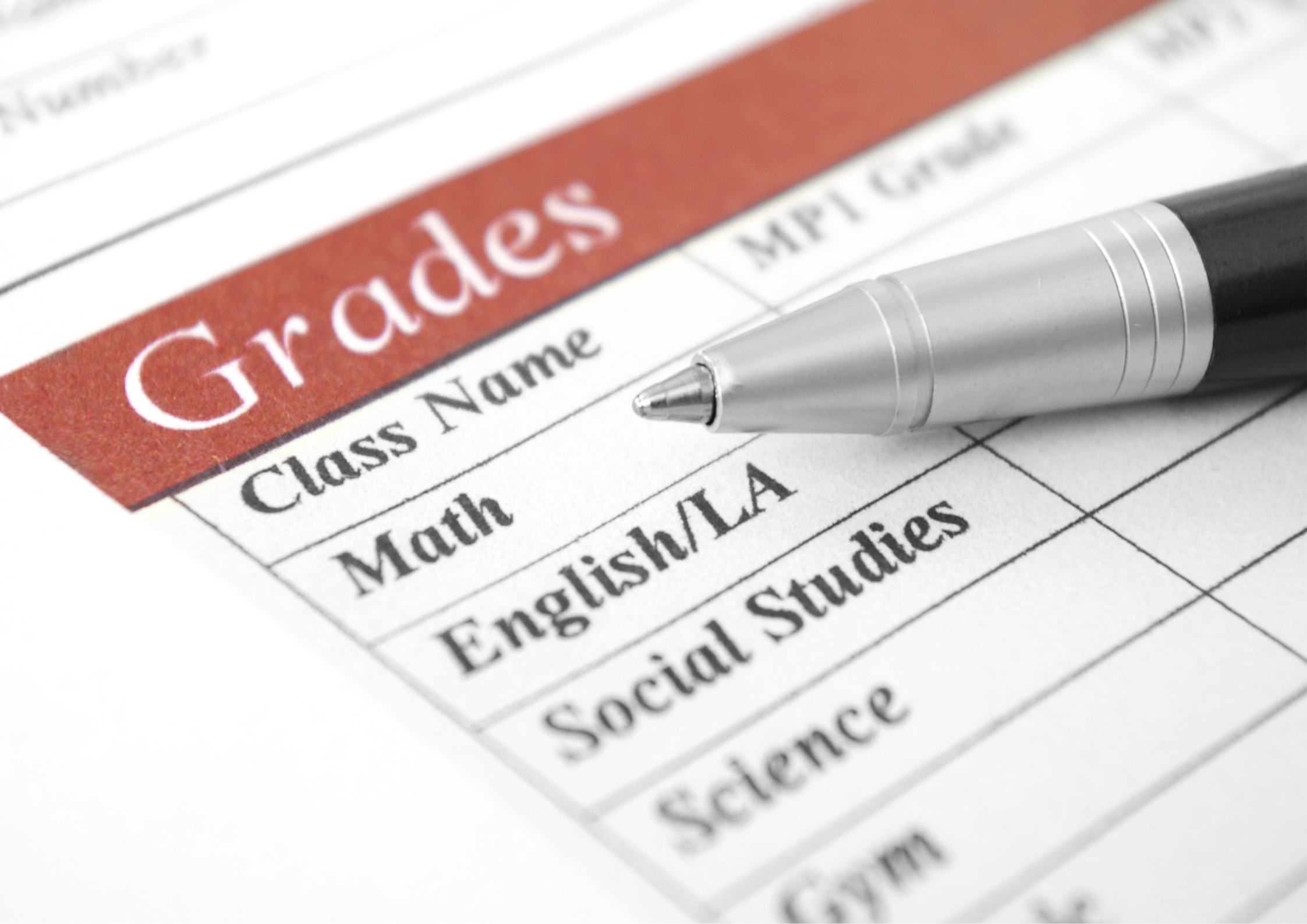
The ICSE grading system is a standardized evaluation method by CISCE to assess and report student performance in the Indian Certificate of Secondary Education (ICSE) examinations. Unlike traditional percentage-based evaluation, the ICSE grade system highlights a student’s overall proficiency and understanding.
It helps reduce exam pressure by using grade bands instead of exact marks, giving a more balanced view of performance. ICSE grades are recognized by top colleges and employers, as they reflect not just academic success but also critical skills and creativity. The grading pattern encourages holistic learning rather than rote memorization, aligning with international academic standards to develop confident, capable learners.
Table of Contents
ToggleHow the ICSE Grading System Works

Marks-to-Grade Conversion
Students appearing for ICSE Class 10 exams receive numerical marks, which are then converted into grades. The ICSE grading scale is as follows:
-
90–100% → Grade 1 (Excellent)
-
80–89% → Grade 2 (Very Good)
-
70–79% → Grade 3 (Good)
-
60–69% → Grade 4 (Satisfactory)
-
50–59% → Grade 5 (Average)
-
Below 50% → Grades 6 & below (Needs Improvement)
These grades represent not only subject knowledge but also vital skills like analytical thinking, reasoning, and problem-solving—qualities essential in today’s academic and professional environments.
Internal Assessment and Weightage

A significant part of the ICSE evaluation system is the internal assessment, which contributes notably to a student’s final result.
-
Written Exam Weightage: 80%
-
Internal Assessment Weightage: 20%
The internal component includes project work, assignments, and practicals, giving students the chance to showcase creativity and applied understanding beyond textbook knowledge.
Why the ICSE Grading System Matters

The ICSE grading pattern brings several benefits to both learners and educators:
-
Fair Evaluation: Minor mark differences don’t create major grade disparities.
-
Reduced Stress: Students feel less anxious about small scoring gaps.
-
Holistic Learning: The system promotes practical, project-based, and conceptual understanding.
Experts believe that the ICSE school grading structure fosters authentic learning and helps students focus on concepts rather than memorization, making education more meaningful and engaging.
ICSE Grading System vs. Other Boards

Parents often wonder how the ICSE grading method differs from other educational boards like CBSE or state boards. While CBSE also follows a grading structure, ICSE stands out for being:
-
More comprehensive and detailed in subject matter.
-
Rich in language and literature options.
-
Strongly focused on project work and practical application.
Additionally, the ICSE grading system is widely respected for its clarity, consistency, and transparency, helping students receive fair recognition—whether they pursue higher education in India or abroad.
Recent Updates in the ICSE Grading System

The CISCE board frequently revises the grading process to match evolving academic standards. Recent developments include:
-
Integration of digital tools in assessments.
-
Regular teacher training for uniform grading practices.
-
Increased emphasis on critical thinking, innovation, and creativity.
These updates ensure the ICSE evaluation system remains modern, inclusive, and globally competitive.
How Students Can Excel in the ICSE Grading System

To achieve top ICSE grades, students should adopt smart study habits and strategies such as:
-
Conceptual Learning: Focus on understanding rather than rote memorization.
-
Consistent Practice: Solve previous-year and sample papers for clarity.
-
Project Dedication: Treat internal assessments seriously—they significantly impact overall grades.
-
Seek Guidance: Ask for help early when concepts feel challenging.
These simple yet effective techniques can enhance confidence, comprehension, and overall performance in the ICSE grading framework.
Challenges of the ICSE Grading System

While beneficial, the ICSE grade system does present certain challenges:
-
The syllabus can be demanding due to its depth and diversity.
-
Projects and assignments may become time-consuming.
-
Students may initially struggle to adapt from marks to grade-based evaluation.
Despite these challenges, the system’s long-term academic and personal growth benefits far outweigh the difficulties.
Future of the ICSE Grading System
The future of the ICSE evaluation method is expected to be even more innovative and skill-driven. Upcoming trends may include:
-
Wider use of AI-based and digital assessments.
-
Greater focus on interdisciplinary learning.
-
Integration of new-age skills like coding, communication, and problem-solving in grading parameters.
Such progressive steps ensure ICSE students remain well-prepared for global education and career opportunities.
Final Note
The ICSE grading system is more than a report card—it reflects a holistic approach to learning. It encourages students to explore knowledge, apply skills, and build confidence. For parents choosing from the best ICSE schools in India, understanding this grading system helps them better support their child’s educational growth and overall development.
With its balanced evaluation, focus on projects, and real-world learning, the ICSE grading system continues to shape students for academic success and life beyond the classroom.
Frequently Asked Questions (FAQ)
1. What is the ICSE grading system?
The ICSE grading system is a standardized evaluation method by CISCE that assesses students based on performance bands instead of exact percentages, promoting fair and stress-free assessment.
2. How are ICSE marks converted into grades?
ICSE converts marks into grades using a fixed scale—90–100% is Grade 1 (Excellent), 80–89% is Grade 2 (Very Good), and so on, ensuring transparent evaluation.
3. What is the weightage of internal assessment in ICSE?
In most subjects, written exams carry 80% weightage, while internal assessments like projects and practicals contribute 20% to the final score.
4. How is the ICSE grading system different from CBSE?
Unlike CBSE, ICSE offers a more detailed curriculum, greater focus on languages, and a higher emphasis on internal projects and practical work.
5. How can students score well under the ICSE grading system?
Students should focus on understanding concepts, practicing regularly, completing projects sincerely, and managing time effectively to achieve top ICSE grades.