




Education today is no longer limited to textbooks, annual exams, and rote memorization. Schools are steadily adopting continuous evaluation methods that focus on understanding, consistency, and progress over time. One such method gaining importance across education systems is Weekly Tests, which aim to make learning more structured, measurable, and student-friendly.
Rather than treating assessments as high-pressure events, weekly evaluations create a learning rhythm that helps students stay engaged with their subjects. When designed thoughtfully, they support academic growth while reducing exam-related anxiety. This article explores the importance of weekly testing, its benefits, challenges, and its role in improving overall student performance.
Understanding Weekly Assessments in the School System

Weekly assessments are short, curriculum-aligned tests conducted at regular intervals. Unlike term-end exams, these tests are designed to evaluate recent lessons, helping teachers and students identify learning gaps early.
Purpose of Regular Testing
The primary goal is not grading alone but continuous learning reinforcement. Weekly assessments:
-
Measure concept clarity
-
Encourage regular revision
-
Provide timely feedback to teachers and students
How They Differ from Traditional Exams
Traditional exams often assess large portions of the syllabus at once, which can overwhelm students. Weekly assessments focus on smaller learning units, making preparation manageable and outcomes more accurate.
Why Weekly Testing Matters in Modern Education

With evolving academic expectations, schools need evaluation methods that reflect real learning rather than memorization.
1. Encouraging Consistent Study Habits
Students often delay studying until major exams. Weekly assessments naturally promote steady preparation, helping learners stay academically disciplined throughout the year.
2. Early Identification of Learning Gaps
Teachers can quickly identify areas where students struggle, allowing for timely remedial support rather than waiting until final exams reveal the problem.
3. Supporting Concept-Based Learning
Regular testing encourages understanding rather than short-term memorization, improving long-term retention of concepts.
Benefits of Weekly Tests for Students

Weekly assessments impact students beyond grades, shaping their academic mindset and confidence.
1. Improved Academic Confidence
Frequent low-stakes assessments help students become comfortable with evaluations, reducing exam fear and improving self-belief.
2. Better Time Management Skills
Preparing regularly teaches students how to plan their study time efficiently, a skill valuable beyond academics.
3. Reduced Pressure During Major Exams
Since students revise consistently, final exams feel less stressful and more familiar.
Benefits for Teachers and Schools

Weekly assessments are equally beneficial for educators and institutions.
1. Data-Driven Teaching
Teachers gain insights into student performance trends, allowing them to adjust lesson plans and teaching strategies accordingly.
2. Enhanced Classroom Engagement
When students know assessments are regular, classroom participation often improves, leading to more interactive learning environments.
3. Alignment with Holistic Education Goals
Many progressive institutions, including Top schools in india, integrate weekly assessments as part of a balanced evaluation framework that values growth over competition.
Role of Weekly Tests in Improving Student Performance
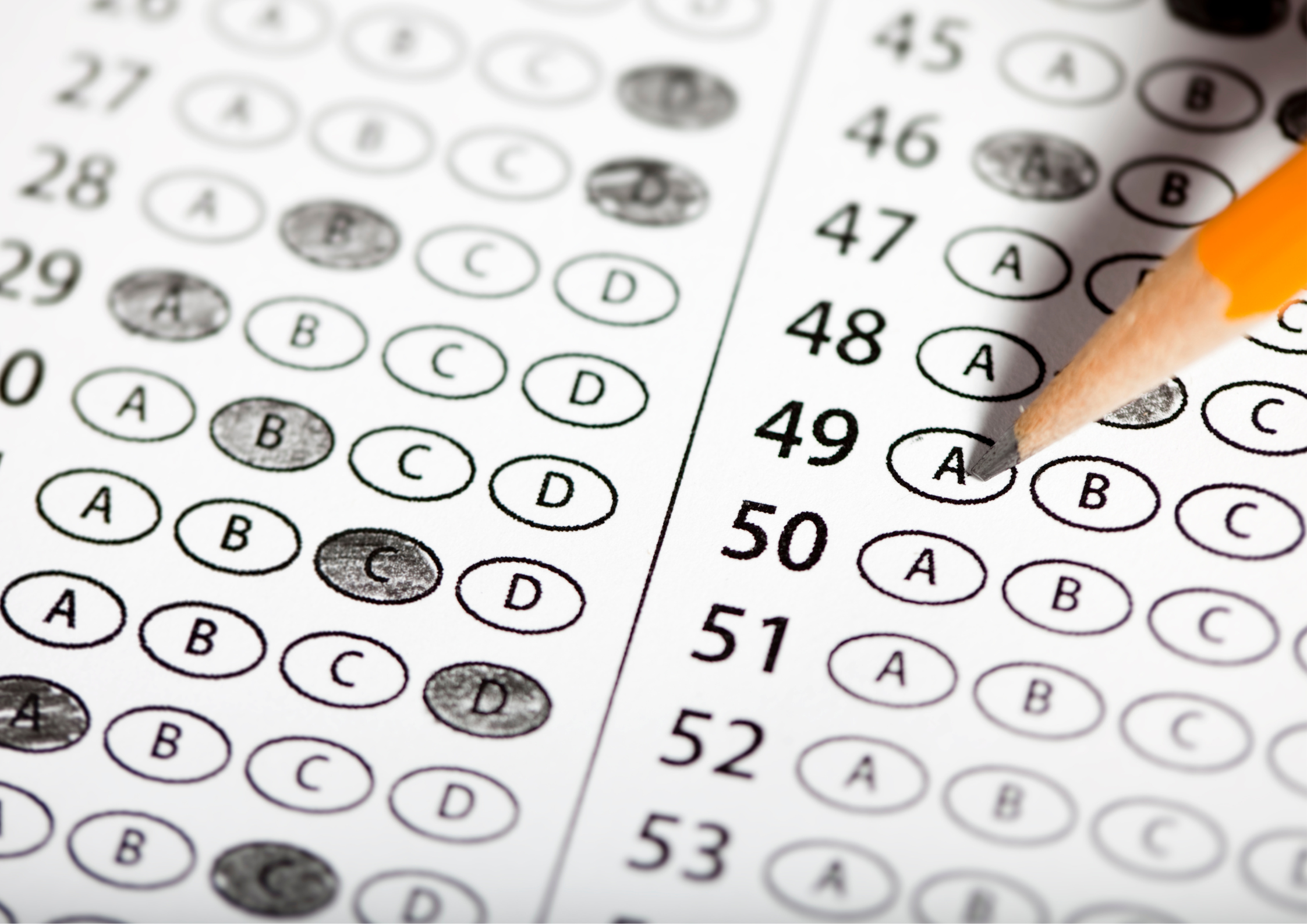
Consistent evaluation plays a direct role in academic improvement.
1. Strengthening Learning Outcomes
Smaller, frequent assessments ensure that students master each topic before moving forward, reducing cumulative confusion.
2. Encouraging Accountability
Students take ownership of their learning when progress is monitored regularly.
3. Building Examination Readiness
Repeated exposure to test formats enhances writing speed, clarity of answers, and exam strategy.
Challenges of Weekly Testing and How Schools Can Address Them
While beneficial, weekly assessments must be implemented carefully.
- Risk of Over-Testing: Excessive or poorly designed tests can lead to fatigue. Schools must ensure assessments are short, purposeful, and aligned with learning goals.
- Pressure on Younger Students: For early-grade learners, assessments should be activity-based and supportive rather than score-focused.
- Teacher Workload: Regular evaluations require planning and analysis. Schools can address this by using standardized formats and digital tools for assessment management.
Best Practices for Effective Weekly Assessments

To maximize benefits, schools should follow structured practices.
- Clear Learning Objectives: Each test should align with specific outcomes taught during the week.
- Constructive Feedback: Feedback should focus on improvement, not comparison, helping students understand mistakes.
- Balanced Evaluation Methods: Combining written tests, quizzes, oral assessments, and projects ensures fairness and inclusivity.
Parental Role in Supporting Weekly Tests
Parents play an essential role in reinforcing the benefits of regular assessments.
-
Encouraging routine study habits at home
-
Focusing on learning progress rather than marks
-
Supporting children emotionally during evaluations
When parents view weekly assessments as growth tools rather than pressure points, students respond positively.
Conclusion: A Balanced Approach to Academic Growth
Weekly assessments, when implemented thoughtfully, transform the way students engage with learning. They promote consistency, reduce academic stress, and provide actionable insights for teachers and schools. More importantly, they shift the focus from last-minute preparation to continuous understanding.
As education systems move toward holistic development, weekly evaluations stand out as a practical, student-centered approach that supports long-term academic success without compromising well-being.
Frequently Asked Questions (FAQs)
1. What are weekly tests in schools?
Weekly tests are short assessments conducted every week to evaluate students’ understanding of recently taught topics and track learning progress consistently.
2. How do weekly tests help improve student performance?
They encourage regular study habits, identify learning gaps early, and reduce last-minute exam pressure, leading to better academic performance over time.
3. Do weekly tests increase stress among students?
When designed properly with limited syllabus coverage and constructive feedback, weekly tests reduce stress rather than increase it by making exams more familiar.
4. Are weekly tests suitable for all grade levels?
Yes, weekly tests can be adapted for all grades, provided the format and difficulty are age-appropriate and focus on learning rather than marks alone.
5. How can parents support children during weekly tests?
Parents can help by maintaining a regular study routine, encouraging effort over scores, and providing emotional support instead of exam-related pressure.