




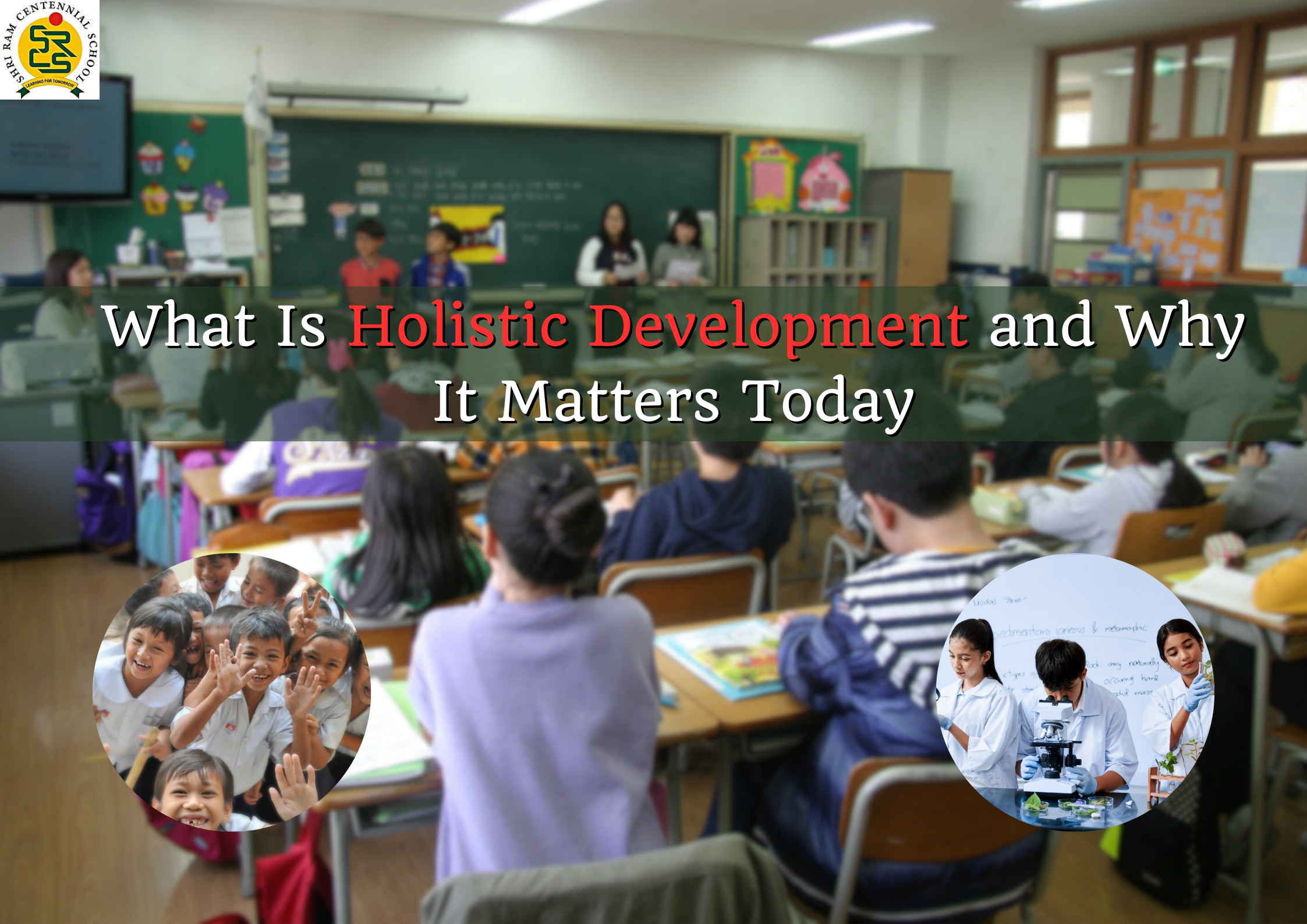
In today’s fast-paced world, education is evolving beyond textbooks and exams. Schools in Dehradun, known for their balanced educational approach, are increasingly focusing on holistic development to prepare students not just academically but emotionally, socially, and physically as well. This concept goes beyond academic success, aiming to nurture every aspect of a child’s personality.
In this article, we explore what holistic development truly means, why it matters today, and how it can shape well-rounded individuals equipped to thrive in all areas of life.
Understanding Holistic Development

Definition
Holistic development refers to nurturing a child’s physical, emotional, social, moral, and intellectual capabilities in a balanced manner. It recognizes that every area of a child’s growth is interconnected, and none can be developed in isolation without impacting the others.
Key Components
- Physical: Involves motor skills, overall health, physical activity, and fitness habits.
- Emotional: Includes the ability to recognize, express, and manage emotions, and develop resilience.
- Social: Focuses on communication skills, cooperation, building relationships, and conflict resolution.
- Intellectual: Encourages cognitive development, creativity, curiosity, and problem-solving.
- Moral: Promotes ethical thinking, personal responsibility, and a sense of right and wrong.
Why It Matters Today

Adapting to a Changing World
The modern world demands far more than just academic intelligence. Skills like adaptability, collaboration, and empathy are increasingly valued in workplaces and society. Holistic development equips students with these essential tools, allowing them to face various life challenges with confidence and integrity.
Supporting Mental Health
Today’s students deal with stressors like exam pressure, social comparison on digital platforms, and uncertainty about the future. A holistic learning environment supports emotional stability and mental health by encouraging expression, mindfulness, and a sense of community.
Building Lifelong Learners
A narrow focus on exams often kills the joy of learning. Holistic development reignites curiosity and motivation, empowering students to pursue knowledge and growth throughout their lives, both in formal and informal settings.
How Schools Can Help

Integrating Co-Curricular Activities
Co-curricular activities are essential for developing talents and interests that might not be addressed in a traditional academic setting. Activities such as dance, sports, robotics, or debate clubs foster teamwork, leadership, and creativity.
Social and Emotional Learning (SEL)
SEL programs help students understand and manage their emotions, set positive goals, and show empathy toward others. These skills are vital in building strong, supportive peer networks and promoting a healthy classroom climate.
Encouraging Critical Thinking and Innovation
Modern classrooms should go beyond lecture-based teaching. Through inquiry-based learning, experiments, and collaborative projects, students learn to think critically, ask meaningful questions, and find innovative solutions to real-life problems.
Promoting Health and Nutrition
A child’s physical health directly affects learning. Schools can enhance physical development through regular exercise, yoga sessions, and healthy meal programs. Educating students about good nutrition and hygiene practices is equally important.
Role of Teachers and Parents

Teachers as Mentors
Teachers must take on roles as facilitators and role models, identifying each student’s strengths and challenges. By offering personalized guidance and support, teachers play a crucial role in shaping a student’s holistic development.
Parental Involvement
Active parental engagement—through regular communication, encouragement, and participation in school events—completes the circle of support around a child. Parents who understand the importance of balanced development reinforce these values at home.
Real-World Examples
A Holistic Day in School
Imagine a school day that starts with morning yoga, followed by interactive lessons, group discussions, creative arts, and time outdoors. Such a schedule integrates all developmental domains and keeps students engaged and energized.
Overcoming Challenges Together
When students struggle—be it academically or personally—a holistic school framework ensures they’re supported through counseling, peer mentorship, and opportunities for reflection and growth.
Looking Ahead

Global Trends in Holistic Education
Countries like Finland and Canada are already implementing educational models that focus on the child as a whole. Indian institutions, especially Schools in Dehradun, are increasingly recognizing this global shift and adapting accordingly.
Role of Technology
While screen time is a concern, technology also offers powerful tools for holistic development. Interactive platforms, mental wellness apps, and digital collaboration tools can support learning when used mindfully.
Conclusion
In today’s complex world, academic achievement alone isn’t enough. The ability to navigate life’s emotional, social, and ethical challenges is just as important. Schools in Dehradun and beyond are embracing broader approaches to ensure students grow into capable, confident individuals. As we advance, nurturing the full spectrum of student growth—intellectual, emotional, social, physical, and moral—will be the key to building a balanced and successful society.
ThisHolistic Development Blog Comment post does a great job highlighting how holistic development goes beyond academics to nurture emotional, social, and ethical growth in students. It’s encouraging to see schools recognizing that preparing future-ready individuals means building character and resilience—not just knowledge.
It’s encouraging to see more educational institutions recognizing that true student success involves more than just academics. Holistic development—integrating emotional, social, and physical growth—creates well-rounded individuals who are better prepared for real-world challenges. Schools that prioritize this approach are setting a powerful precedent for the future of education.
It’s refreshing to see holistic development being emphasized in education today—it really resonates in a world where soft skills, emotional intelligence, and real-world readiness matter more than ever. Schools focusing on this approach are not just educating students academically, but nurturing well-rounded individuals prepared for life beyond the classroom.