

Education today is no longer limited to textbooks, exams, and traditional degrees. As industries evolve and job markets demand practical skills, students and parents are exploring alternatives that offer faster and more focused career paths. One such option gaining attention worldwide is vocational education. Understanding how vocational schools work, what they teach, and where they lead can help learners make informed decisions aligned with real-world opportunities.
This article explains the meaning of vocational schools, the types of courses they offer, career possibilities after completion, and the benefits and challenges associated with this form of education—presented in a clear, balanced, and practical manner.
What Is a Vocational School?
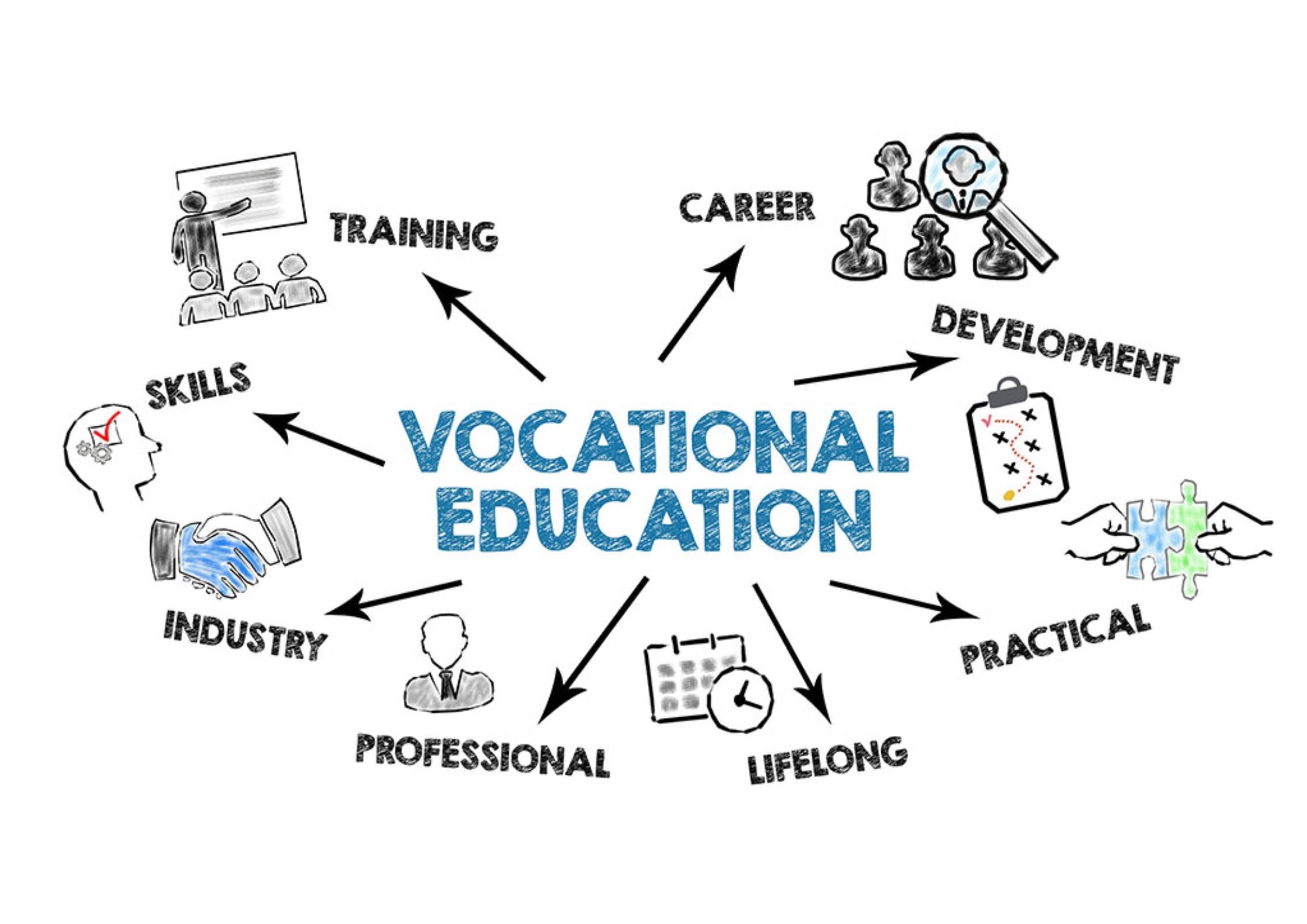
A vocational school is an educational institution that focuses on teaching practical skills required for specific occupations. Instead of emphasizing theory-heavy academic learning, these schools prioritize hands-on training, technical knowledge, and real-life job preparation.
Vocational education is designed to help students transition directly into the workforce or enhance their employability in a particular field. The learning approach is structured, skill-driven, and aligned with industry requirements, making it suitable for learners who prefer applied learning over purely academic study.
Unlike a general school in india that follows a broad curriculum, vocational institutions concentrate on job-ready competencies tailored to defined career roles.
How Vocational Education Differs from Traditional Education
1) Learning Approach
Traditional education often focuses on conceptual understanding across multiple subjects, while vocational learning is centered on mastering a specific skill or trade. Students spend more time practicing tasks they are likely to perform in real work environments.
2) Duration of Courses
Vocational programs are usually shorter than degree programs. Many courses range from six months to two years, allowing learners to enter the job market earlier.
3) Assessment Style
Evaluation in vocational education emphasizes performance, practical tests, and demonstrations rather than written examinations alone.
Popular Vocational Courses Offered
Vocational schools offer a wide range of courses catering to different interests and industries. These programs are regularly updated to match changing workforce needs.
Technical and Engineering Trades
Electrician and electrical maintenance
Welding and fabrication
Automotive repair and servicing
CNC machine operation
Healthcare and Allied Services
Medical laboratory technician
Pharmacy assistant
Nursing aide
Physiotherapy assistant
Hospitality and Service Industry
Hotel operations
Culinary arts and bakery
Housekeeping management
Travel and tourism operations
IT and Digital Skills
Computer hardware and networking
Web development basics
Data entry and office automation
Cybersecurity fundamentals
Creative and Skill-Based Fields
Fashion design and tailoring
Graphic design
Photography and videography
Interior decoration
Each course is structured to build competence step by step, combining classroom instruction with practical exposure.
Career Opportunities After Vocational Education

Vocational education opens direct pathways to employment across multiple sectors. Graduates are equipped with industry-relevant skills that make them suitable for entry-level roles or apprenticeships.
A) Immediate Employment
Many students secure jobs soon after completing their training, especially in trades where skilled professionals are in constant demand.
B) Entrepreneurship
Vocational skills enable individuals to start their own small businesses, such as repair services, salons, workshops, or catering ventures.
C) Career Advancement
With experience and additional certifications, vocational graduates can move into supervisory or specialized roles within their field.
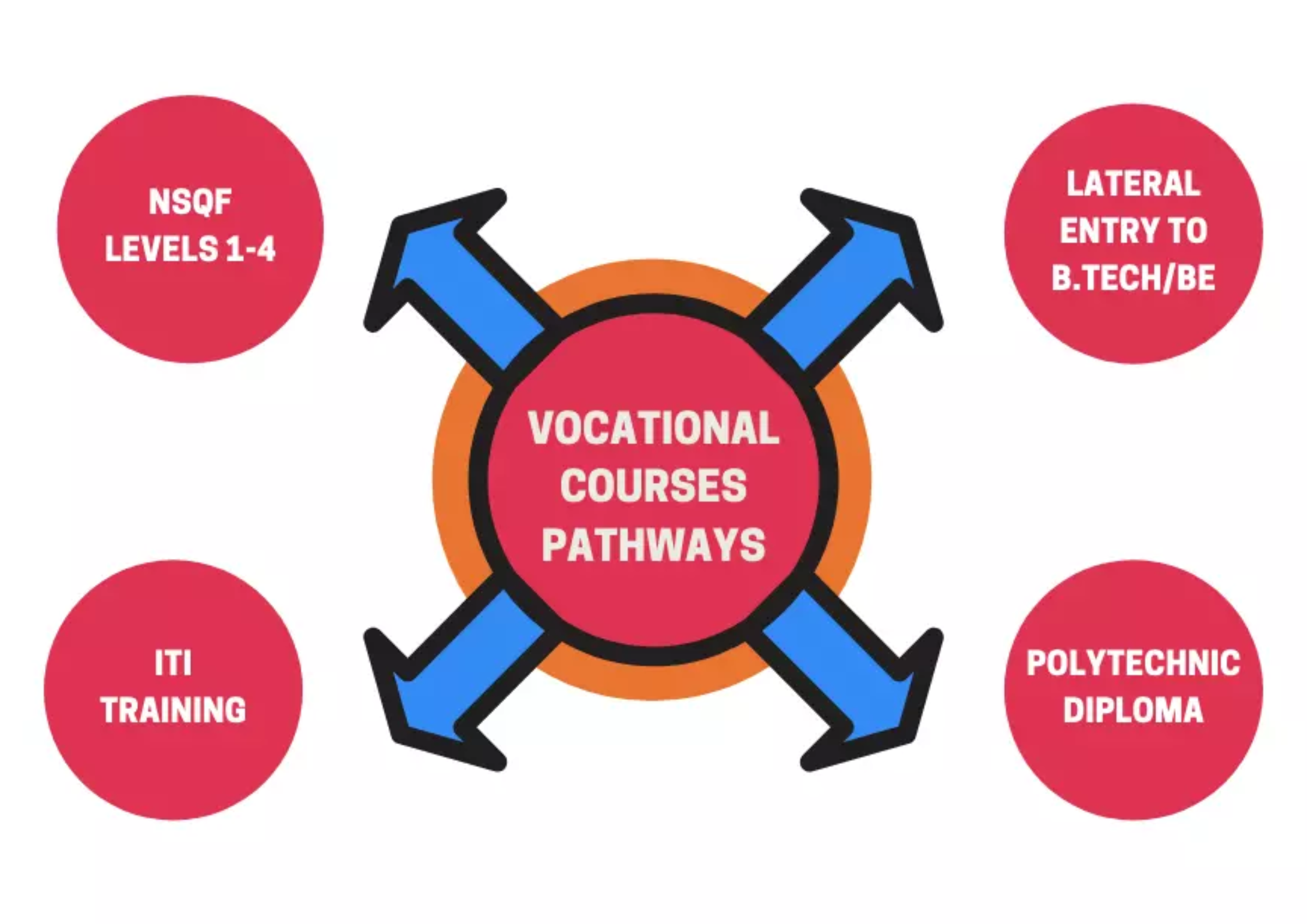
D) Further Education Options
Vocational training does not limit academic growth. Many programs allow learners to pursue advanced diplomas or bridge courses for higher qualifications later.
Benefits of Choosing a Vocational School
1) Job-Oriented Learning
The biggest advantage of vocational education is its direct connection to employment. Students learn exactly what employers expect.
2) Cost-Effective Education
Vocational courses are generally more affordable than long-term academic degrees, making them accessible to a wider range of learners.
3) Early Career Start
Shorter course durations allow students to begin earning sooner and gain valuable work experience at an early stage.
4) Skill Confidence
Hands-on training builds confidence, independence, and problem-solving abilities—qualities that employers value highly.
5) Adaptability to Market Needs
Vocational institutions frequently revise curricula based on industry feedback, ensuring that skills remain relevant.
Challenges and Limitations to Consider

While vocational education offers many advantages, it is important to understand its limitations for a balanced decision.
Limited Academic Scope
Vocational courses focus on specific skills and may not provide broad theoretical knowledge across disciplines.
Perception Issues
In some communities, vocational education is still viewed as a secondary option, despite its strong employment outcomes.
Career Flexibility
Switching career paths later may require additional training, as vocational skills are often specialized.
Quality Variation
The effectiveness of vocational training depends heavily on the institution’s infrastructure, instructors, and industry connections.
Who Should Consider Vocational Education?
Vocational schools are well-suited for:
-
Students who prefer practical learning over theoretical study
-
Learners seeking early employment
-
Individuals aiming to develop specific job skills
-
Those who want an alternative to traditional academic routes
For students who believe in the principle of Study Smart, vocational education can be a strategic way to build a career based on ability, not just degrees.
The Growing Relevance of Vocational Schools
As industries face skill shortages and technology-driven change, vocational education is becoming increasingly important. Employers are now prioritizing capability and experience alongside qualifications. Governments and education bodies are also investing in skill-based training to bridge the gap between education and employment.
This shift reflects a broader understanding that success is not defined by a single educational path, but by choosing the one that aligns best with a learner’s strengths and goals.
Conclusion: Making an Informed Choice
Vocational schools offer a practical, focused, and career-driven approach to education. By emphasizing hands-on training and industry relevance, they help students transition smoothly from learning to earning. While vocational education may not suit every learner, it provides a powerful alternative for those seeking skill-based careers and early professional independence.
Choosing a vocational path requires careful consideration of interests, career goals, and long-term plans. When selected thoughtfully, vocational education can lead to stable employment, personal satisfaction, and meaningful contribution to the workforce.
Frequently Asked Questions (FAQs)
1. What is a vocational school and how does it work?
A vocational school is an educational institution that focuses on practical, job-oriented training. It prepares students for specific careers by teaching hands-on skills aligned with industry needs rather than theory-heavy academics.
2. What types of courses are offered in vocational schools?
Vocational schools offer courses in technical trades, healthcare support, hospitality, IT skills, creative fields, and service-based industries. These courses are designed to develop specific skills required for employment or self-business.
3. Are vocational courses suitable for students who do not want traditional degrees?
Yes, vocational courses are ideal for students who prefer skill-based learning and want to enter the workforce early. They offer an alternative career pathway without requiring long academic programs.
4. What career opportunities are available after completing a vocational course?
After completing vocational training, students can pursue entry-level jobs, apprenticeships, start their own businesses, or upgrade their skills through advanced certifications for better career growth.
5. What are the advantages and limitations of vocational education?
Vocational education offers faster employment, practical learning, and affordability. However, it may have limited academic scope and depends heavily on the quality of training and institutional support.