






In a world full of constant notifications, deadlines, and academic pressure, staying focused has become a real challenge. Students often sit for hours with books open, yet learning remains shallow. Parents worry about screen time and distractions, while educators look for practical methods that genuinely improve attention and retention. This is where the Pomodoro Technique quietly stands out—not as a shortcut, but as a structured way to work with the brain rather than against it.
This article explains the Pomodoro Technique in a clear, balanced way—what it is, how it works, where it helps, where it falls short, and how it can be used effectively in everyday academic life.
What Is the Pomodoro Technique?
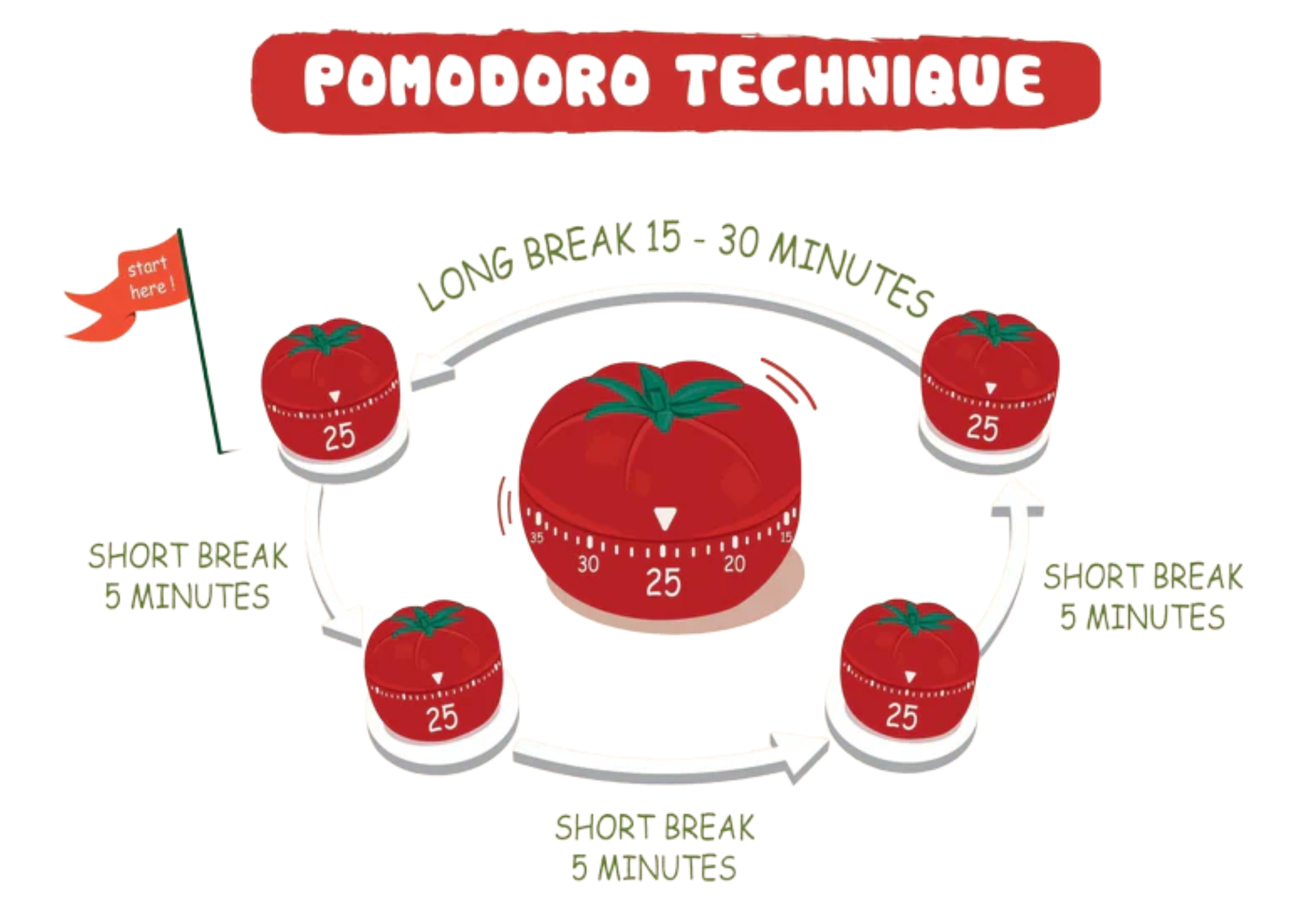
The Pomodoro Technique is a time-management method developed in the late 1980s by Francesco Cirillo. The name comes from the tomato-shaped kitchen timer (“pomodoro” in Italian) that Cirillo used while studying. Though its origin is simple, its impact has been surprisingly lasting.
At its core, the technique divides work into focused intervals, traditionally 25 minutes long, followed by short breaks. Each focused interval is called a “Pomodoro.” Instead of pushing through fatigue, learners stop at set times, allowing the brain to reset before continuing.
The philosophy behind this approach is straightforward: the human brain performs better with clear boundaries. When time feels limited but manageable, distractions reduce and motivation improves. Over repeated cycles, attention becomes more disciplined and intentional.
Why the Pomodoro Technique Works
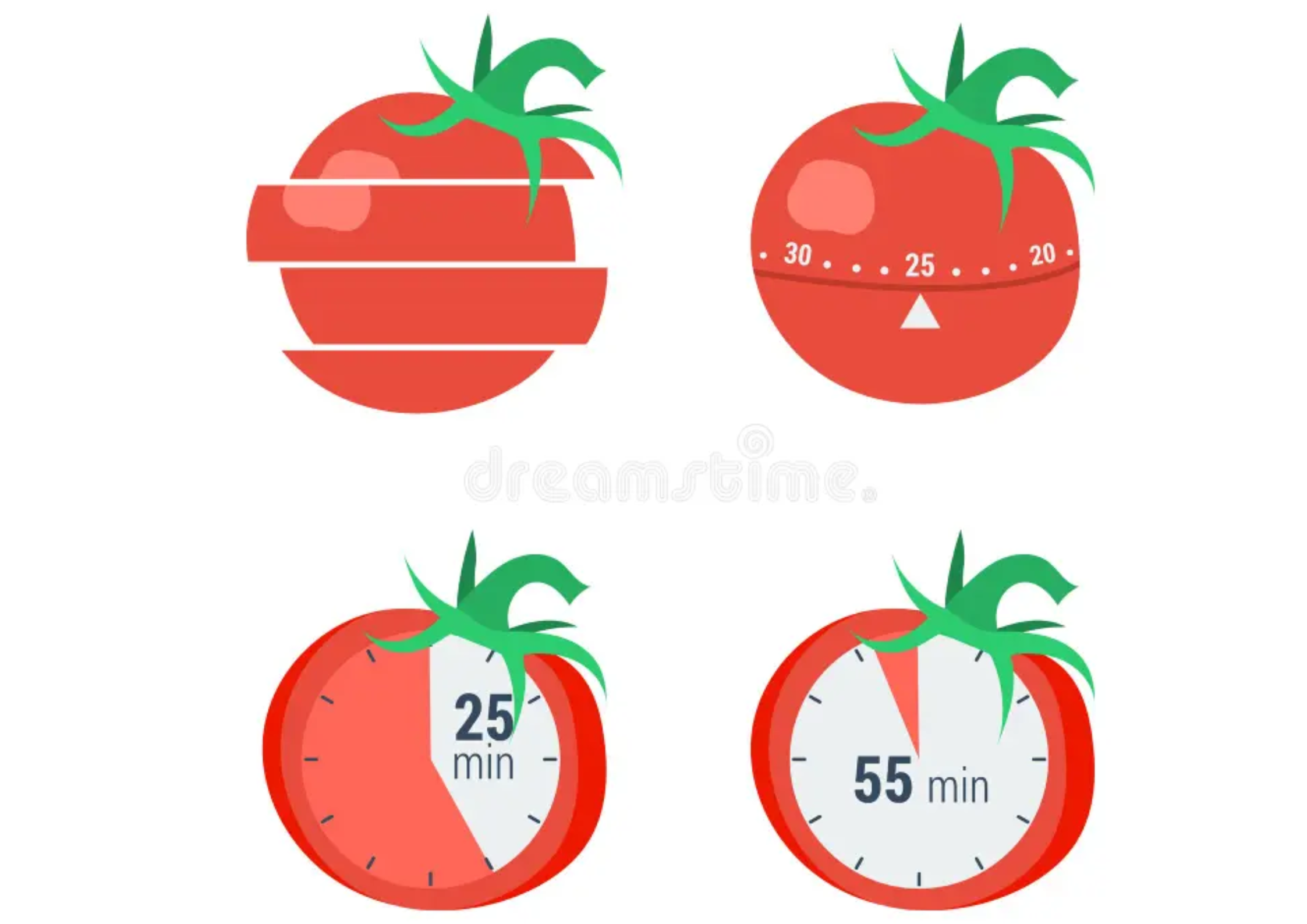
The strength of the Pomodoro Technique lies in how it aligns with natural attention spans. Most people can concentrate deeply for a limited period before mental performance declines. By acknowledging this limit, the method prevents burnout and reduces procrastination.
Another key factor is psychological commitment. Telling yourself to focus for 25 minutes feels achievable, even on difficult days. This lowers resistance to starting tasks—a major hurdle for students. Once the timer starts, the mind shifts from avoidance to action.
Finally, the built-in breaks act as rewards. Knowing a pause is coming helps learners stay present, rather than checking phones or multitasking. Over time, this trains the brain to associate focus with positive reinforcement.
How the Pomodoro Technique Works Step by Step

Step 1: Choose a Single Task
Start by selecting one clear task—reading a chapter, solving math problems, revising notes, or writing an essay paragraph. Avoid combining tasks within one session, as this breaks concentration.
Step 2: Set a Timer for 25 Minutes
Set a timer for 25 minutes and commit fully to the task. During this time, eliminate distractions as much as possible. No messages, no social media, and no switching topics.
Step 3: Work With Full Focus
Work steadily until the timer rings. The goal is not speed, but depth. If unrelated thoughts arise, note them briefly and return to the task.
Step 4: Take a Short Break
Once the timer ends, take a 5-minute break. Stand up, stretch, drink water, or rest your eyes. Avoid activities that pull you into another mental task.
Step 5: Repeat and Reset
After four Pomodoro sessions, take a longer break of 15–30 minutes. This helps consolidate learning and prevents mental fatigue.
Benefits of the Pomodoro Technique
Improved Focus and Attention
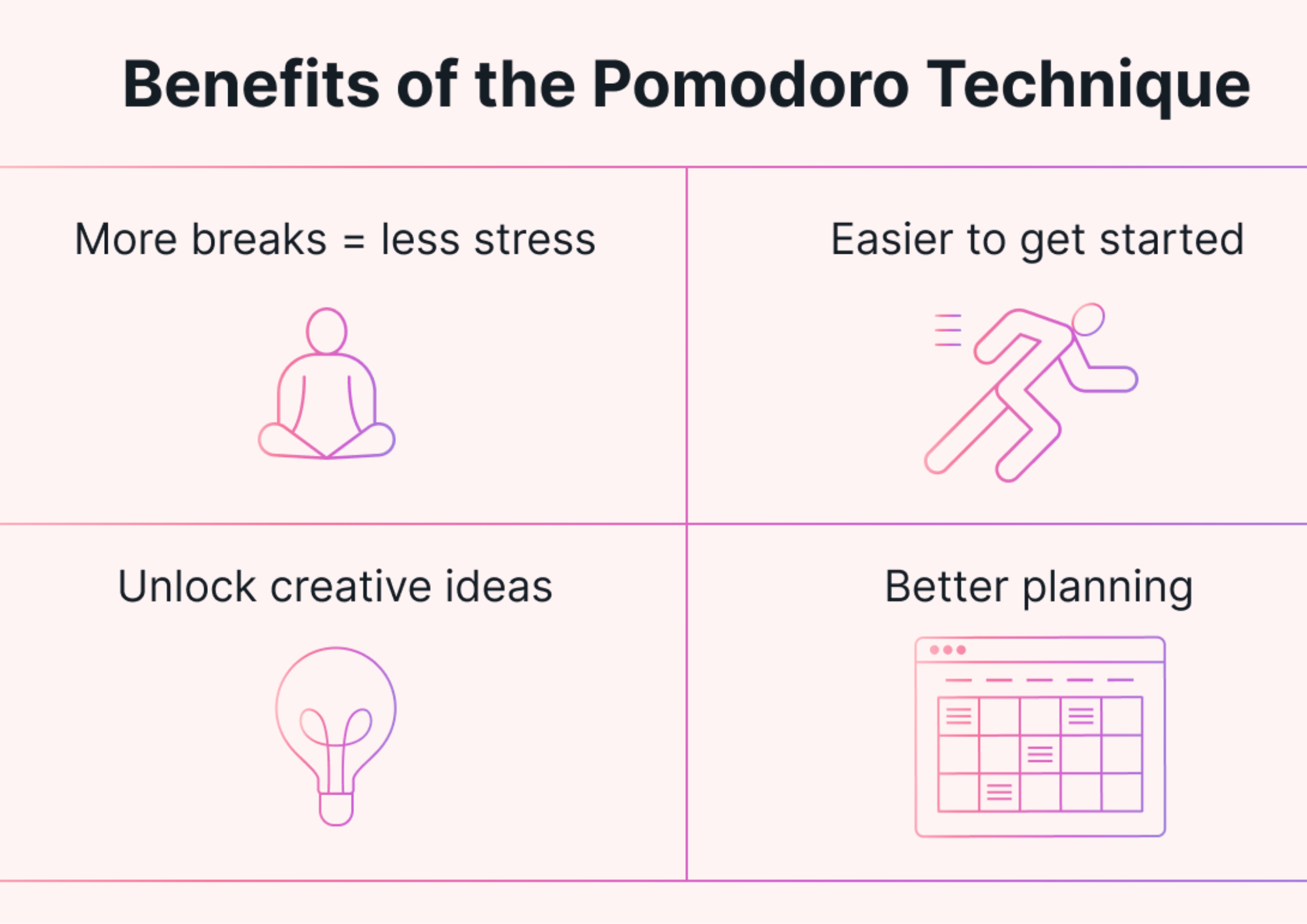
By limiting work sessions, the technique reduces mental wandering. Students often report better concentration because the brain knows exactly how long it needs to stay engaged.
Reduced Procrastination
Large tasks can feel overwhelming. Breaking them into small, timed sessions makes starting easier. This is especially helpful for exam preparation and long assignments.
Better Time Awareness
Tracking Pomodoro sessions builds a realistic understanding of how long tasks actually take. Over time, learners become better at planning their study schedules.
Healthier Study Habits
Continuous studying without breaks leads to fatigue and stress. The Pomodoro Technique encourages balance, helping learners maintain energy and avoid burnout.
Increased Confidence
Completing multiple focused sessions creates a sense of achievement. This boosts motivation and reinforces positive study behavior.
These advantages make the method useful across age groups, whether in a classroom, at home, or even within a structured environment like a school in India where academic expectations can be high.
Challenges and Limitations

1) Not Ideal for All Tasks
Some activities, such as creative writing or complex problem-solving, may require longer periods of uninterrupted thought. Stopping mid-flow can feel disruptive for certain learners.
2) Requires Self-Discipline
The method only works if breaks are respected and distractions are controlled. Turning a 5-minute break into a 20-minute phone session can reduce effectiveness.
3) Adjustment Period
For students used to long, unstructured study hours, adapting to timed sessions may feel restrictive at first. Consistency is needed before benefits become visible.
4) One Size Does Not Fit All
The traditional 25-minute structure may not suit everyone. Younger students or beginners may need shorter sessions, while older learners may extend focus periods slightly.
Recognizing these challenges helps users apply the technique realistically rather than expecting instant perfection.
How Students, Parents, and Educators Can Use It Effectively

1) For Students
Start small. Use the Pomodoro Technique for one or two subjects each day before expanding. Combine it with clear goals for each session to maximize learning.
2) For Parents
Encourage structured study time without micromanaging. Help children set timers and respect break periods. This builds independence and responsibility.
3) For Educators
Introduce the method during revision sessions or homework planning. Teaching time management early prepares students for higher academic demands and lifelong productivity.
When combined thoughtfully with other learning strategies—rather than treated as a rigid rule—the Pomodoro Technique can complement Top Techniques to Study and support long-term academic growth.
Common Myths About the Pomodoro Technique

One common myth is that it limits productivity by forcing breaks. In reality, breaks prevent mental overload and improve overall output. Another misconception is that it works only for studying, when it can also be applied to reading, planning, and even skill practice.
Some believe the method is too simple to be effective. However, its simplicity is precisely what makes it sustainable. Complex systems often fail because they are difficult to maintain consistently.
Conclusion: Is the Pomodoro Technique Worth Trying?
The Pomodoro Technique is not a magic solution, but it is a practical, research-backed approach to managing attention and time. Its structured rhythm encourages focus, reduces stress, and supports healthier study habits without demanding drastic lifestyle changes.
For students seeking better concentration, parents hoping to guide balanced routines, and educators looking for realistic classroom strategies, this method offers a reliable starting point. With minor adjustments to suit individual needs, it can become a long-term tool for learning—not just a temporary productivity trend.
In an age of constant distraction, sometimes the most effective solution is also the simplest: focus deeply, pause intentionally, and repeat with purpose.
Frequently Asked Questions (FAQs)
1. What is the Pomodoro Technique in simple words?
It is a study method where you focus for a short time and then take a small break to stay productive.
2. How long is one Pomodoro session?
One session usually lasts 25 minutes, followed by a 5-minute break.
3. Is the Pomodoro Technique good for students?
Yes, it helps students improve focus, manage time better, and avoid burnout.
4. Can the Pomodoro Technique be used for exam preparation?
Yes, it is effective for revision, practice questions, and concept learning before exams.
5. Does the Pomodoro Technique work for all subjects?
It works well for most subjects, though some tasks may need longer focus sessions.