




Step into a library and you’ll feel the quiet spark of curiosity and the timeless scent of knowledge. More than shelves of books, it’s a gateway to creativity and opportunity. Whether in a small town or at the top school in India, a library nurtures young minds and builds lifelong learning habits—offering a role that technology can never replace.
Here’s a deep dive into the importance of school library, exploring five key reasons why these spaces remain at the heart of meaningful education.
1. Libraries Teach the True Importance of Books

Books are more than paper and ink; they are windows to worlds we might never see and voices from times we’ve never known. A school library gives children access to a wide variety of books—fiction, non-fiction, biographies, classics, and reference material—far beyond what a single classroom or personal collection could provide.
-
Building Lifelong Readers: When children are free to choose from a wide range of titles, they discover stories that speak to their hearts. This choice nurtures a love for reading that lasts a lifetime.
-
Expanding Perspectives: Books introduce students to different cultures, ideas, and histories, broadening their understanding of the world.
-
Fostering Critical Thinking: Unlike scrolling through social media, reading books requires focus and reflection. Students learn to think critically, question information, and form their own opinions.
Even in the top school in India, where students have access to cutting-edge technology, the Importance of Books remains the foundation for intellectual and emotional growth.
2. Libraries Support Academic Excellence
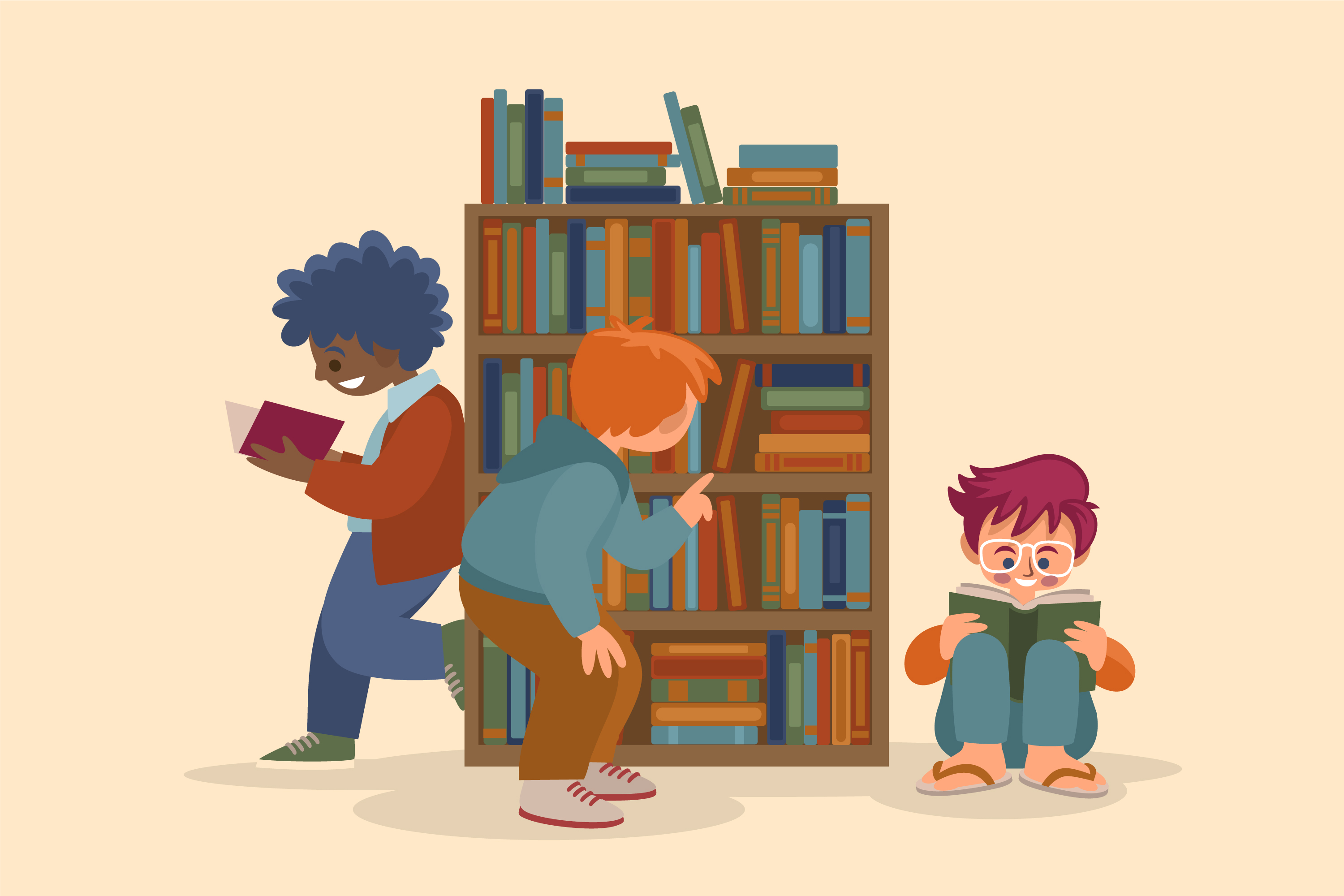
A school library isn’t just a place for leisure reading; it’s a dynamic learning hub. From reference guides and encyclopedias to digital archives and research journals, the library provides essential resources for every subject.
-
Boosting Research Skills: Students learn how to find credible sources and analyze information—skills that are essential in higher education and professional life.
-
Providing a Quiet Study Space: In a world full of distractions, the library offers a sanctuary for concentration and self-directed learning.
-
Encouraging Independent Learning: With access to both physical and digital resources, students can explore topics that interest them, going far beyond the classroom syllabus.
Whether preparing for board exams or exploring advanced science projects, the school library equips students with the tools and confidence to excel.
3. Libraries Build Character and Social Skills
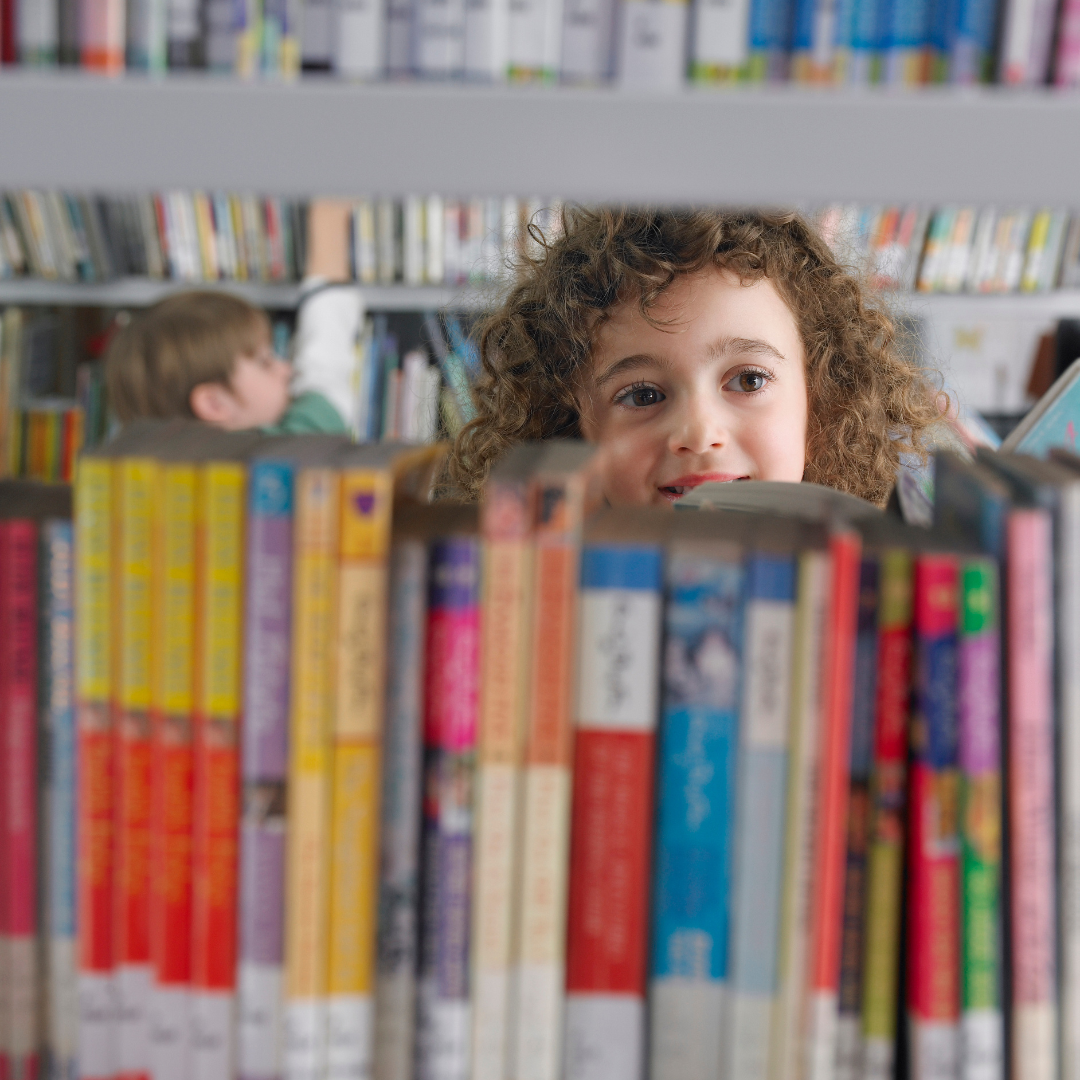
Beyond academics, the library quietly shapes character. It teaches patience, respect for shared spaces, and consideration for others.
-
Promoting Respect for Knowledge: Handling books carefully, returning them on time, and maintaining silence are simple habits that nurture discipline.
-
Encouraging Collaboration: Many school libraries provide group study corners where students can discuss ideas, share insights, and learn from each other.
-
Cultivating Empathy: Through literature, students experience lives and emotions different from their own. This exposure builds empathy and understanding—qualities every society needs.
In an environment the best school in India, where students come from diverse backgrounds, the library becomes a meeting ground of ideas and cultures. It quietly fosters the values of community, respect, and cooperation.
4. Libraries Bridge the Digital and the Human
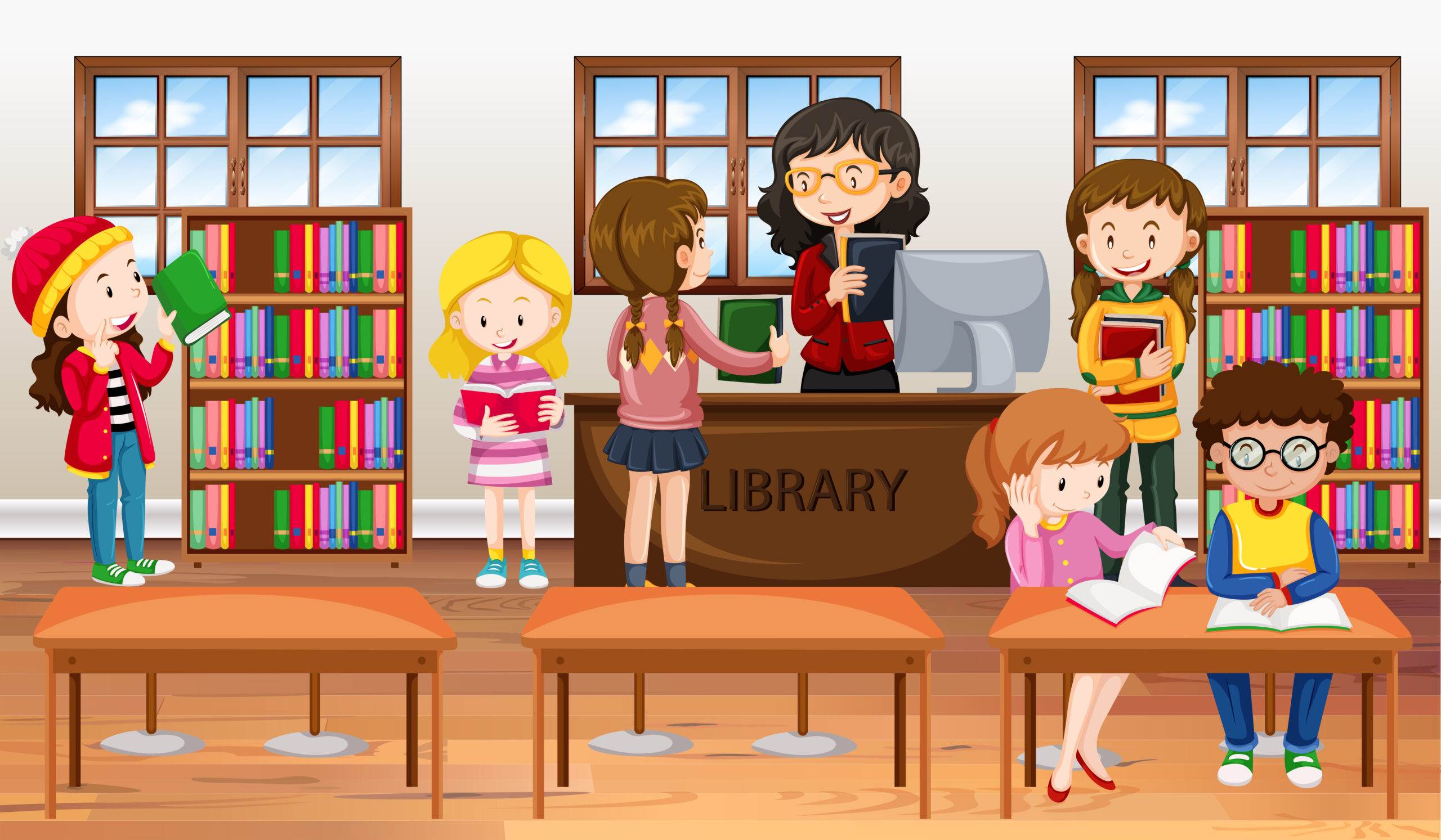
In today’s digital age, students need both technological literacy and human connection. Modern school libraries strike that perfect balance.
-
Access to Digital Resources: Many libraries now provide e-books, online journals, and educational databases, giving students the best of both worlds.
-
Guided Use of Technology: Librarians help students navigate digital resources responsibly—teaching them how to distinguish reliable information from misinformation.
-
Encouraging Mindful Learning: Surrounded by books and quiet corners, students experience the calm focus that screens often disrupt.
Even the most technologically advanced campuses, including the top school in India, rely on libraries to ground students in mindful learning while embracing innovation.
5. Libraries Prepare Students for a Lifetime of Learning
Education doesn’t end with graduation; the habits formed in a school library echo through a lifetime.
-
Self-Motivated Exploration: A child who learns to seek answers in books and research materials becomes an adult who knows how to keep learning.
-
Confidence in Knowledge-Seeking: Navigating a library teaches students how to locate, evaluate, and apply information—a skill critical in every career.
-
Lifelong Love for Reading: Perhaps the greatest gift a library offers is joy. The joy of reading for pleasure, of finding a story that feels like a friend, of discovering new ideas that spark creativity.
By fostering these habits early, school libraries ensure that students remain curious and adaptable long after they leave the classroom.
The Role of Librarians: Guides and Mentors

Behind every thriving school library is a dedicated librarian who acts as teacher, guide, and mentor. Librarians don’t just organize books; they:
-
Help students navigate complex research databases.
-
Recommend age-appropriate and interest-based reading.
-
Teach citation, referencing, and ethical research practices.
Their guidance ensures that students not only access information but also learn to use it responsibly and ethically.
Modern Libraries: Blending Tradition and Technology
Today’s libraries combine the best of both worlds: the comfort of printed books and the efficiency of digital tools. Many schools now provide:
-
E-books and online journals.
-
Interactive whiteboards and multimedia resources.
-
Spaces for group discussions and technology-driven projects.
This blend helps students develop a balanced relationship with both traditional and digital learning.
How Parents and Schools Can Support the Library

Advocate for Resources
A thriving library needs investment: funding for books, updated technology, and trained staff. Parents and school leaders should champion library budgets as core to academic success.
Encourage Regular Visits
Parents can nurture a love of reading by making library visits a family tradition and encouraging children to borrow books that interest them.
Integrate the Library Into Learning
Teachers and administrators can design projects and assignments that require library research, helping students see the library as a natural extension of the classroom.
Why Every School Needs a Library: The Big Picture
A school without a library is like a body without a heart. It may function, but it lacks the rhythm that keeps learning alive. Libraries foster curiosity, nurture creativity, and create a culture of inclusivity and respect.
They are not luxuries; they are foundations of equal opportunity. Whether in bustling cities or quiet towns, every child deserves access to a space where knowledge is free and imagination has no limit.
Final Thoughts: A Treasure Beyond Technology
In an age where knowledge is just a click away, the quiet power of a school library might seem old-fashioned—but it’s exactly what makes it timeless. Libraries are sanctuaries where the Importance of Books meets the spirit of exploration. They provide not just information, but inspiration.
Every school—whether a neighborhood primary or the top school in India—needs a library that invites students to dream bigger, think deeper, and stay curious for life. When children experience the magic of books and the freedom to learn at their own pace, education transforms from a duty into a lifelong adventure.
Frequently Asked Questions (FAQs)
1. Why is a school library important for students?
It provides access to a wide range of books and resources that build curiosity, improve reading skills, and support academic excellence.
2. How do libraries teach the Importance of Books?
By offering diverse titles and quiet reading spaces, libraries show students how books can inspire imagination, knowledge, and lifelong learning habits.
3. Why should even the top school in India have a library?
A well-stocked library creates equal opportunities for all students, encouraging research, creativity, and critical thinking beyond regular classroom teaching.
4. How does a school library help in character building?
It nurtures discipline, patience, and respect for shared spaces while exposing children to stories that build empathy and understanding.
5. How can parents encourage children to use the library?
Parents can visit the library with their child, model regular reading habits, and participate in school reading programs or book clubs.