
Imagine a classroom where students don’t move forward just because the school bell rang or the semester ended. Instead, they advance when they’ve truly understood the material — when they can actually do something with what they’ve learned. That’s the core promise behind a model that’s quietly reshaping modern schooling around the world.
What Is Competency Based Education?
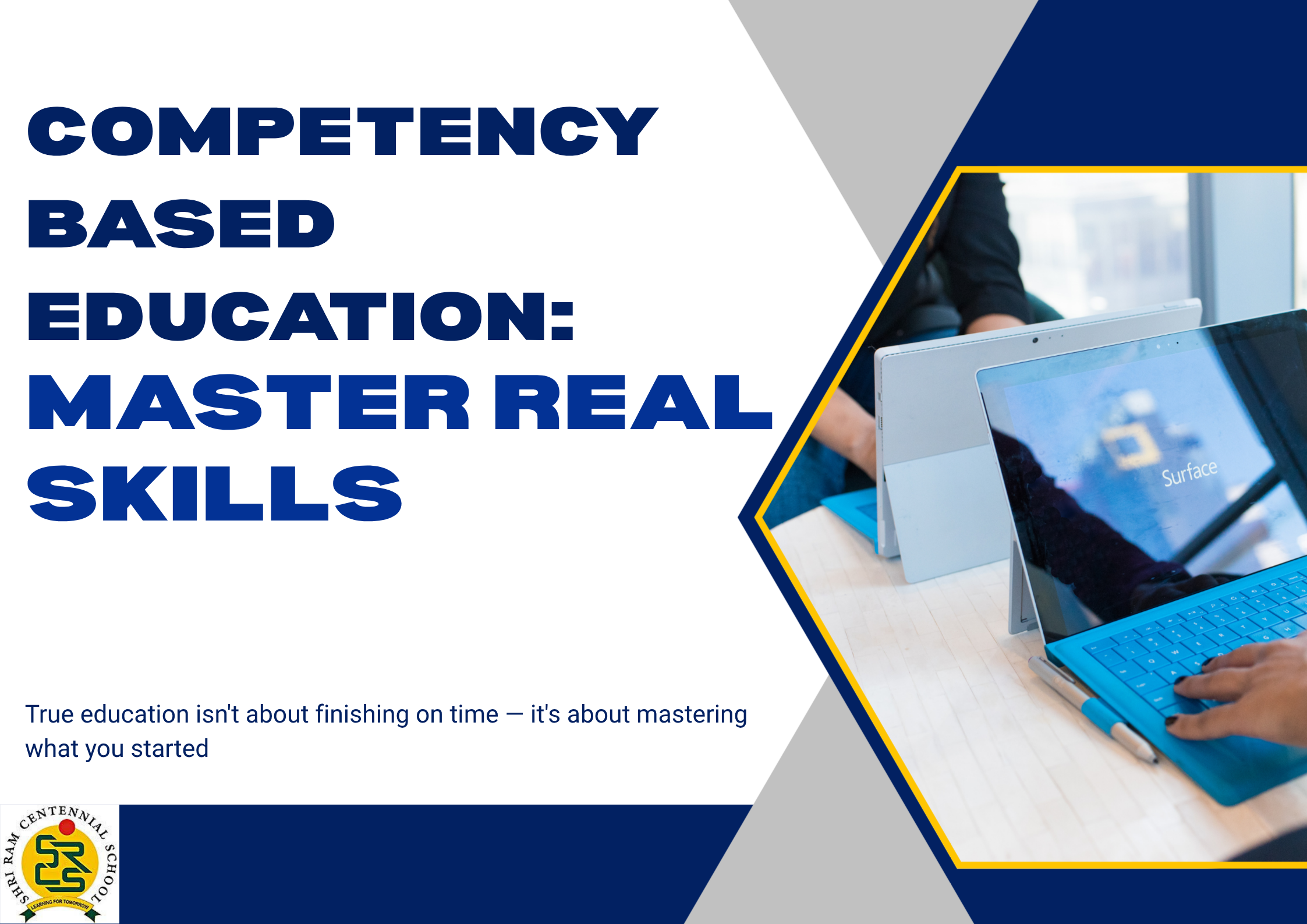
At its heart, competency based education (CBE) is a teaching and assessment approach where students progress by demonstrating mastery of a specific skill or concept — not by sitting through a fixed number of class hours. Time becomes flexible. Mastery becomes the goal.
Traditional schooling often ties learning to a rigid calendar. A student who grasps algebra in two weeks moves at the same pace as one who needs two months. CBE flips that dynamic. Each learner works until they’ve genuinely mastered the content, then moves forward.
Why the shift matters now
Employers today rarely ask for a transcript. They ask: Can you do the job? Can you solve this problem? Can you communicate clearly under pressure? The gap between what schools teach and what workplaces need has been widening for years. Competency based learning directly addresses that gap by focusing on measurable, transferable abilities.
How Does It Work in Practice?
The structure of CBE varies by institution, but a few core elements stay consistent:
- Clearly defined competencies — Each course maps out exactly what skills or knowledge a student must demonstrate before advancing.
- Flexible pacing — Students move at their own speed. Fast learners aren’t held back; struggling learners get more time without being penalized.
- Multiple assessment opportunities — Rather than one high-stakes exam, students can demonstrate mastery through projects, presentations, or practical tests.
- Immediate, actionable feedback — Teachers and systems flag gaps in real time, allowing students to revisit concepts before moving on.
From early years to higher education
CBE isn’t limited to universities or vocational programs. Even at the preschool education stage, educators are beginning to track developmental milestones in more structured, skill-focused ways — helping young children build foundational abilities at a pace that suits their individual growth.
At the other end, elite institutions and boarding schools in India are integrating competency frameworks into their curriculum to better prepare students for competitive global environments, where demonstrable skills matter far more than rote memorization.
The Real Benefits for Students, Parents, and Educators
For students
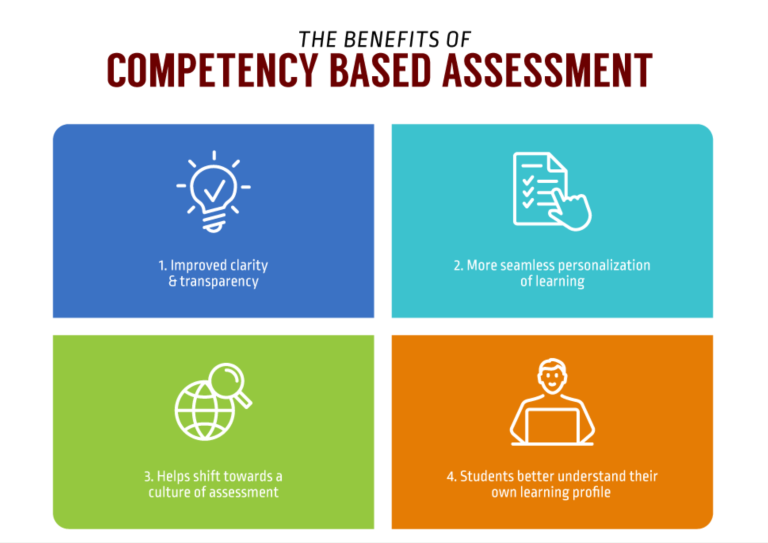
Learning stops feeling like a race. Students gain confidence because they’re never pushed past content they haven’t understood. They also build a clearer sense of what they know and — just as importantly — what they don’t. That kind of self-awareness is one of the most valuable 21st-century skills a young person can develop.
For parents
CBE makes progress visible. Instead of vague letter grades, parents can see exactly which competencies their child has mastered and which still need work. That transparency makes conversations with teachers far more productive.
For educators
Teachers spend less time teaching to the test and more time responding to what individual students actually need. Assessment becomes a tool for learning — not just a final verdict. Educators in a competency based education system often report higher job satisfaction because they can see the direct impact of their instruction on student growth.
Common Challenges — and How Schools Overcome Them
No model is without friction. Schools transitioning to CBE often face a few predictable hurdles:
- Redefining “completion” — Moving away from seat-time requirements requires policy changes at the institutional level.
- Training teachers — Educators need support to design competency-aligned lessons and use new assessment tools effectively.
- Technology infrastructure — Tracking individual student progress at scale requires robust digital platforms.
- Parent communication — Families accustomed to traditional report cards may initially find the new format confusing.
Schools that overcome these obstacles typically do so by investing in professional development, communicating early and often with families, and piloting the model in one subject or grade level before scaling it across the institution.
Is Competency Based Education Right for Every Learner?

It works best when students have some capacity for self-direction — an ability to set goals, manage time, and seek help when needed. Younger learners or those with specific support needs may require additional scaffolding to thrive in a CBE environment.
That said, even students who struggle with independence tend to benefit from the core principle: they aren’t pushed forward before they’re ready. For many, that alone can be trans-formative.
What the research says
Studies from several US higher education institutions have found that CBE students show stronger retention of material, higher completion rates, and better performance in workplace settings compared to peers from traditional programs. The evidence isn’t definitive at all grade levels, but the early signals are encouraging.
A Smarter Path Forward
Education has always had one true purpose: to prepare people for life. Yet for decades, the system measured success in hours logged and grades earned — not in skills developed.
Competency based education doesn’t throw out everything that came before. It sharpens the focus. It asks: what can this student actually do? And it doesn’t move on until the answer is clear.
For students frustrated by the pace of traditional schooling, for parents who want real clarity on their child’s progress, and for educators looking for a more meaningful way to teach — this approach offers something rare: a system built around actual learning.
Conclusion
Education works best when it puts the learner first. Competency based education does exactly that — it replaces the pressure of fixed timelines with the freedom to truly understand before moving forward.
Whether you are a parent looking for a better fit for your child, a student tired of being rushed, or an educator searching for a more meaningful way to teach, this approach offers something that traditional models often miss: a clear focus on real, lasting skill.
The question was never how long a student sat in class. The question has always been — what can they actually do when they leave?
Competency based education answers that question with honesty, structure, and purpose. And in a world that rewards what you can do far more than what grade you once earned, that shift makes all the difference.
FAQs
Q1. What is competency based education?
Ans. It is a learning approach where students move forward only after proving they have mastered a skill — not just by attending classes.
Q2. How is it different from regular schooling?
Ans. Regular schools follow a fixed timeline for everyone. Competency based education lets each student learn at their own pace until they truly understand the topic.
Q3. Who is it for?
Ans. It is for students of all ages — school kids, college students, and even working professionals who want to learn new skills at their own speed.
Q4. How do students show they have learned?
Ans. Through practical tasks, projects, or tests that prove real understanding — not just memorization. Students can try more than once if needed.
Q5. Do employers value this type of education?
Ans. Yes. Employers care about what you can do, not just your grades. Competency based education prepares students with skills that are directly useful in the workplace.