





Mathematics often feels tough for students, but with the right approach, it becomes exciting and easy to understand. One of the most effective ways to make maths fun is through math lab activities. These hands-on experiences help students connect theory with real-life practice, making mathematical learning interactive and enjoyable.
In many schools in India, where students experience structured and immersive education, maths lab activities serve as a valuable addition to traditional teaching. They allow learners to visualize numbers, shapes, and patterns, transforming abstract theories into real-world understanding.
Why Maths Lab Activities Are Important
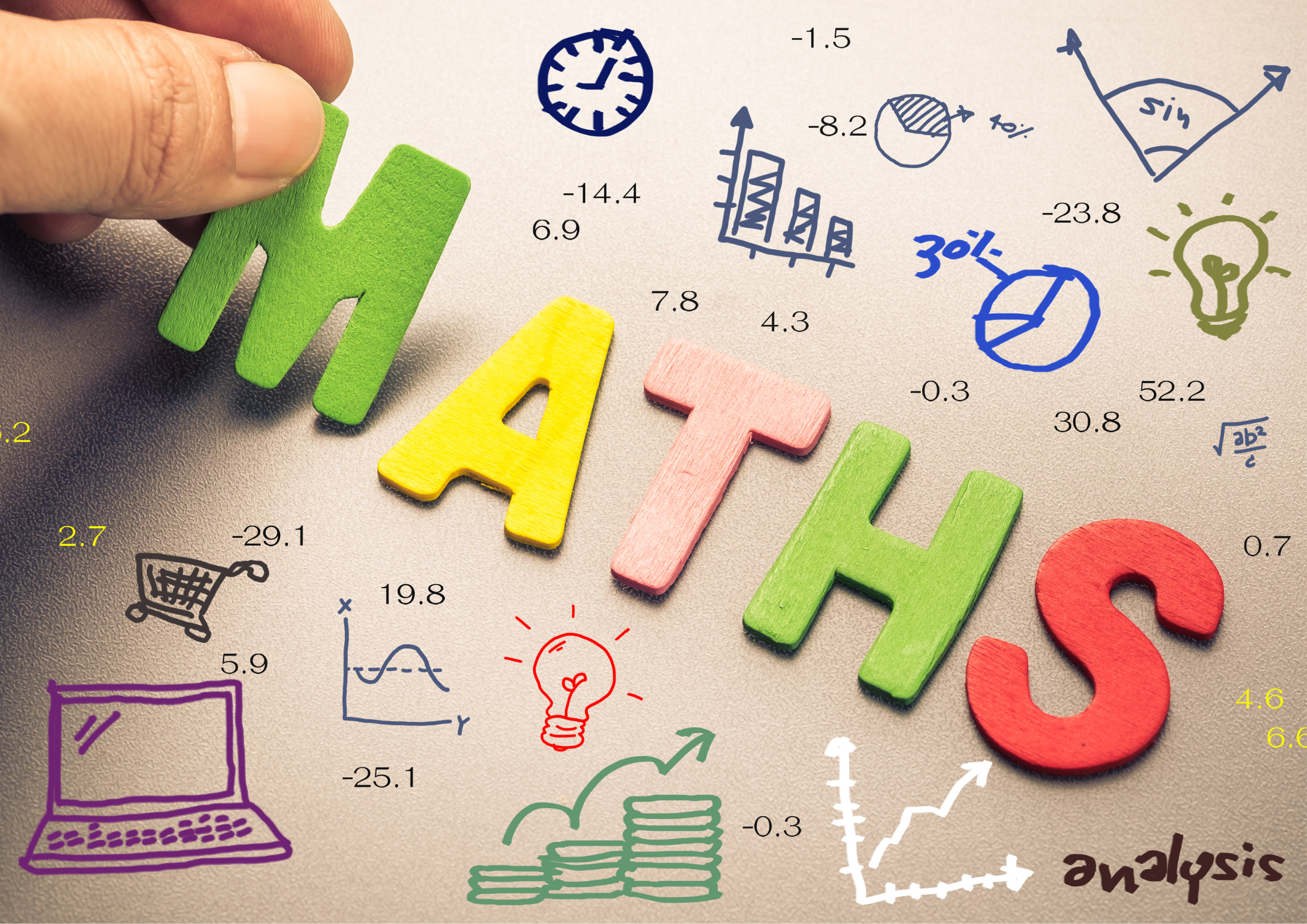
Math lab activities bridge the gap between theoretical knowledge and practical application. Instead of memorizing formulas, students learn by experimenting. These activities encourage logical thinking, problem-solving, and collaboration.
Key benefits include:
-
Strengthening conceptual clarity through visual tools.
-
Making math student-centered and engaging.
-
Supporting kinesthetic and visual learners.
-
Promoting teamwork and love for mathematics.
Popular Maths Lab Activities
1. Geometric Shape Construction
Using paper, matchsticks, or clay, students create 2D and 3D shapes. It helps them understand perimeter, area, volume, and spatial awareness.
2. Number Line Jumps
By hopping along a floor number line, students perform addition, subtraction, and multiplication — turning arithmetic into movement-based fun.
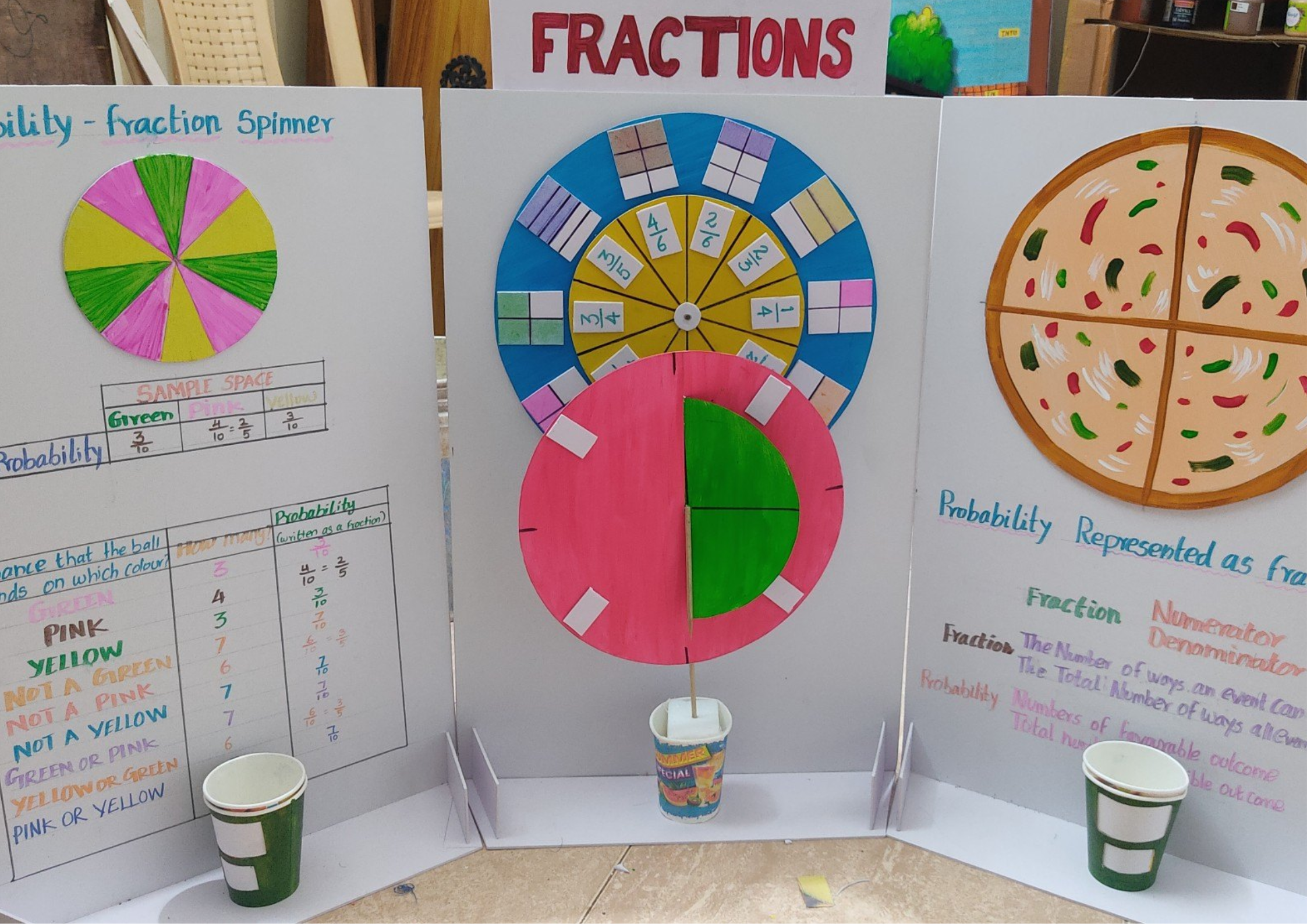
3. Fraction Kits
Colored paper fraction kits allow students to compare, add, and subtract fractions visually — building strong part-whole understanding.
4. Math Puzzles and Games
Games like Sudoku, tangrams, and magic squares enhance logical reasoning and problem-solving abilities.
5. Algebra Tiles
Using tiles, students can represent and simplify algebraic equations physically — making abstract algebra clear and engaging.
6. Measurement Activities
With rulers and measuring tapes, students measure real objects to understand length, area, and volume in everyday life.
7. Vedic Maths Techniques
Introducing Vedic Maths tricks builds calculation speed and interest in India’s ancient mathematical heritage.
8. Probability with Dice and Coins
Rolling dice and flipping coins helps children understand chance and probability in a fun, experimental way.
9. Graphing Activities
Students collect data and create bar or pie charts, building real-life data interpretation skills.
10. Budget Planning Exercise
By managing an imaginary trip budget, students apply percentages, addition, and subtraction to real-world math problems.
Integrating Technology in Math Labs
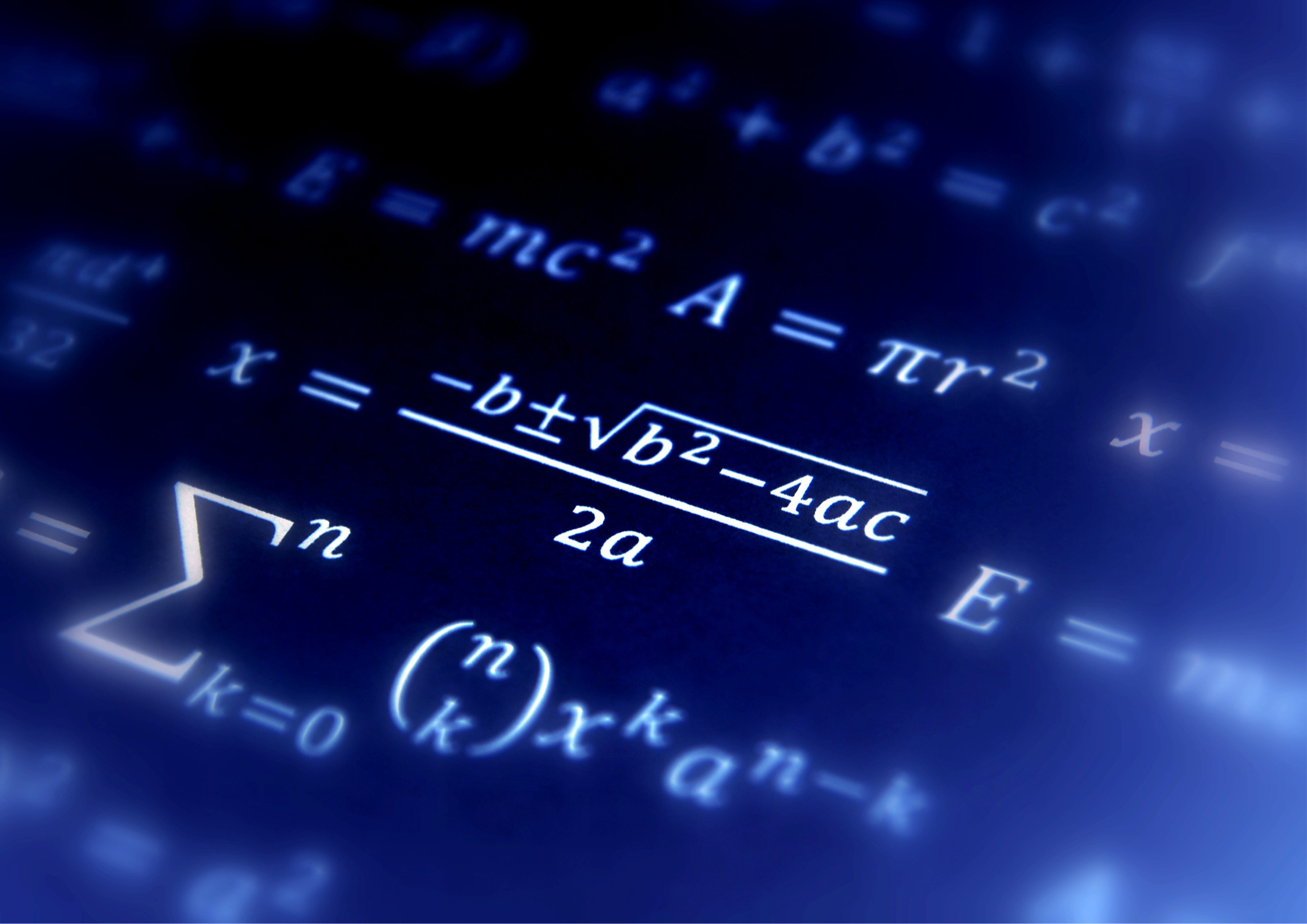
Integrating technology can greatly enrich math lab activities. Smart boards, interactive apps, virtual manipulatives, and educational games transform traditional lessons into engaging, hands-on experiences. Programs like GeoGebra allow students to explore and understand complex geometry and algebra concepts with greater clarity and accuracy.
How Teachers Design Effective Maths Lab Activities

Teachers plan each activity carefully to match learning goals. The best practices include:
-
Linking each task to the curriculum.
-
Using safe and simple materials.
-
Encouraging discussions and reflections.
-
Assessing students’ conceptual understanding.
Math Lab Activities by Grade

Maths Lab for Primary and Secondary Students
-
Primary Classes:
-
Focus on building strong mathematical basics.
-
Activities include counting with real objects, recognizing patterns, and learning simple operations like addition and subtraction.
-
Emphasis on hands-on and playful learning to make math enjoyable.
-
-
Middle and Secondary Classes:
-
Activities explore deeper mathematical concepts such as algebra, geometry, and data analysis.
-
Students use advanced tools and instruments to understand abstract ideas in a practical way.
-
Encourages logical reasoning, analytical thinking, and problem-solving skills.
-
Role of Teachers in Maths Lab Activities