

Every parent dreams of giving their child the best possible start in life. One of the most common questions parents face during early childhood is: When should my child begin pre-primary education? Starting school is not just about academics — it’s about emotional readiness, social adaptability, and developing the foundation for lifelong learning. Understanding the right age and timing for pre-primary education can help your child transition smoothly into a structured learning environment.
Understanding Pre-Primary Education

Pre-primary education refers to the early years of structured learning before a child enters formal primary school. It typically includes nursery, lower kindergarten (LKG), and upper kindergarten (UKG). During these stages, children develop essential cognitive, emotional, and physical skills that prepare them for future academic success.
These early years are often referred to as the formative years, as the brain develops most rapidly between the ages of 2 and 6. The environment, experiences, and interactions a child has during this time significantly influence their behavior, learning capacity, and social skills.
What Is the Ideal Age to Start Pre-Primary Education?

Most experts agree that children can begin pre-primary school between the ages of 2.5 and 3 years. However, the ideal age varies for each child, depending on their emotional maturity, communication ability, and independence.
-
At age 2 to 3 years: Children can begin nursery programs where they engage in play-based learning, simple motor activities, and interaction with peers.
-
At age 3 to 4 years: They transition to LKG, where basic literacy and numeracy concepts are introduced through fun, hands-on activities.
-
At age 4 to 5 years: In UKG, children are ready for more structured learning and skill development, preparing them for the formal school environment.
Rather than focusing solely on age, parents should observe their child’s readiness — emotionally, socially, and cognitively — before enrolling them.
Signs Your Child Is Ready for Pre-Primary School
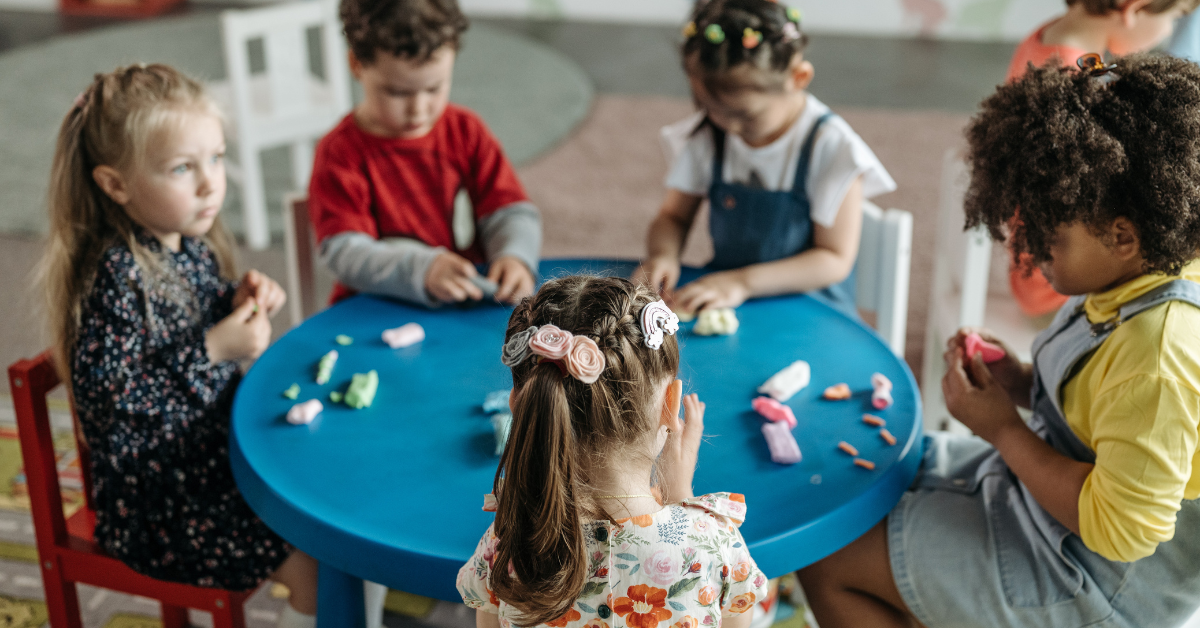
Every child grows at their own pace. However, here are a few key signs that can indicate readiness for pre-primary education:
-
Social Independence: Your child enjoys spending time with other children and can stay away from parents for short periods.
-
Communication Skills: They can express basic needs, understand simple instructions, and engage in short conversations.
-
Physical Coordination: Your child can walk, run, and handle simple tasks like eating or washing hands independently.
-
Curiosity and Attention: They show interest in stories, colors, or new toys and can focus on short activities for a few minutes.
-
Emotional Stability: Your child can manage minor frustrations and adapt to small changes in routine.
If your child exhibits most of these traits, it’s a good indication they’re ready to begin their pre-primary journey.
The Role of Early Childhood Education
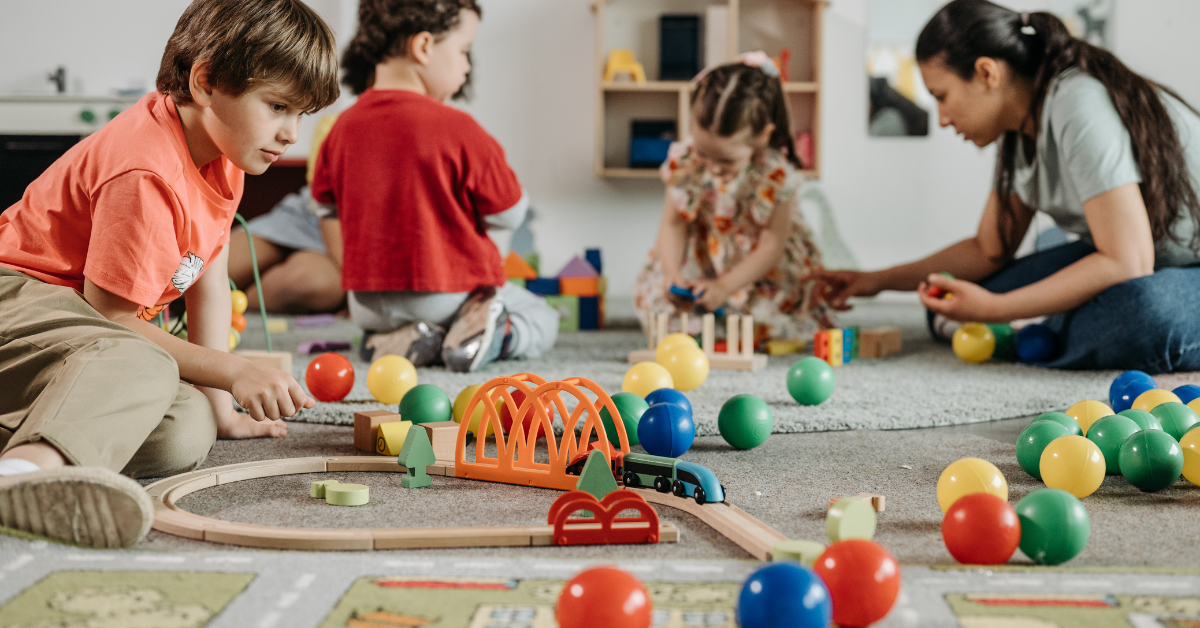
Early Childhood Education plays a crucial role in shaping a child’s personality and confidence. It’s more than just learning numbers and alphabets — it’s about nurturing curiosity, developing empathy, and fostering creativity.
During this stage, children learn through exploration, play, and imagination. Teachers guide them gently to develop essential life skills — such as communication, problem-solving, and teamwork — through structured yet flexible activities. A positive early learning experience builds a strong foundation for academic excellence and emotional well-being in later years.
Benefits of Starting Pre-Primary Education at the Right Time
Enrolling your child at the right age in pre-primary school brings numerous long-term benefits:
1. Smooth Social Adaptation
Early exposure to group settings helps children learn to share, cooperate, and build friendships. They develop emotional intelligence and adaptability, which later make transitions to primary school easier.
2. Stronger Cognitive Development
At this age, children’s brains are highly receptive to new information. Through guided play and storytelling, they enhance memory, language, and reasoning skills.
3. Improved Communication and Confidence
Pre-primary education encourages verbal expression and listening skills. Children gain the confidence to ask questions, express opinions, and communicate needs effectively.
4. Structured Routine and Discipline
Early schooling introduces children to a sense of routine — learning to follow schedules, participate in activities, and understand responsibility.
5. Emotional and Creative Growth
With activities like music, art, and pretend play, children learn to manage emotions and explore their creativity in a safe environment.
Common Challenges Parents Face
While pre-primary education has clear benefits, some challenges can make the transition stressful for both parents and children. Understanding them helps families prepare better.
1. Separation Anxiety
It’s natural for children — and parents — to feel anxious during the first few days of school. Gentle preparation, such as short separations or school visits before the first day, can ease this process.
2. Health and Hygiene Concerns
As children interact more closely with others, exposure to mild illnesses can increase. Ensuring proper nutrition, hygiene practices, and adequate rest can keep them healthy.
3. Balancing Learning and Play
Some parents worry about academic pressure at an early age. It’s important to choose a school that values play-based learning rather than focusing solely on academics.
4. Finding the Right School
Selecting the right pre-primary school is crucial. Look for an institution that provides a nurturing environment, qualified teachers, and a child-centric curriculum. Many parents often explore institutions known for holistic growth when searching for the best school in India.
Tips for Parents: Preparing Your Child for Pre-Primary School
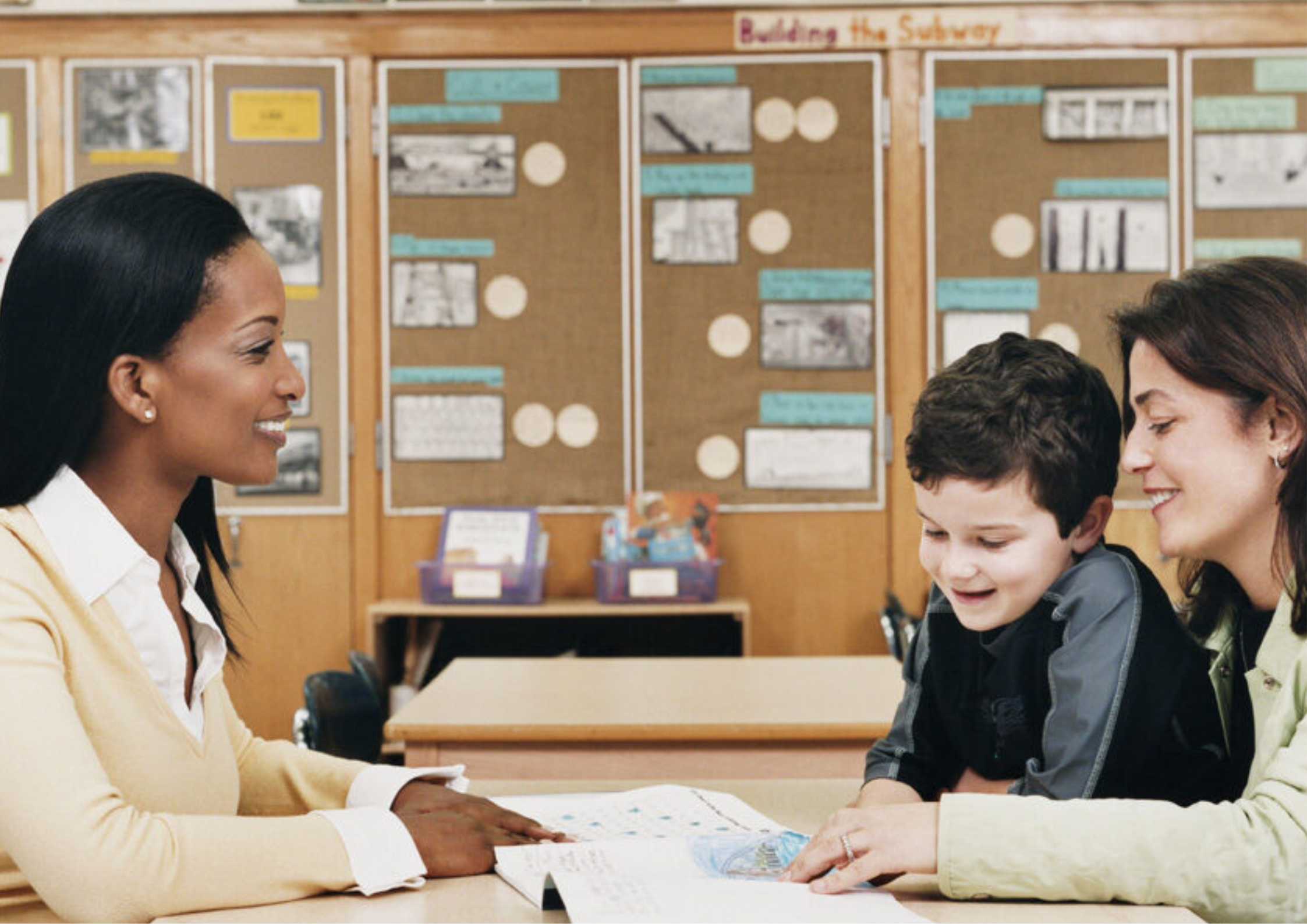
Transitioning from home to school can be made smoother with a few practical steps:
-
Encourage Independence: Teach simple self-help skills like eating alone, dressing, and tidying up toys.
-
Establish a Routine: Gradually set regular bedtimes, meal times, and play hours to mimic school schedules.
-
Read Together: Introduce books, rhymes, and picture stories to develop curiosity and language skills.
-
Visit the School: Familiarize your child with the school environment to reduce anxiety.
-
Stay Positive: Talk about school as a fun and exciting place to make friends and learn new things.
When parents show confidence and enthusiasm, children mirror that same attitude toward learning.
How Schools Support Early Learners
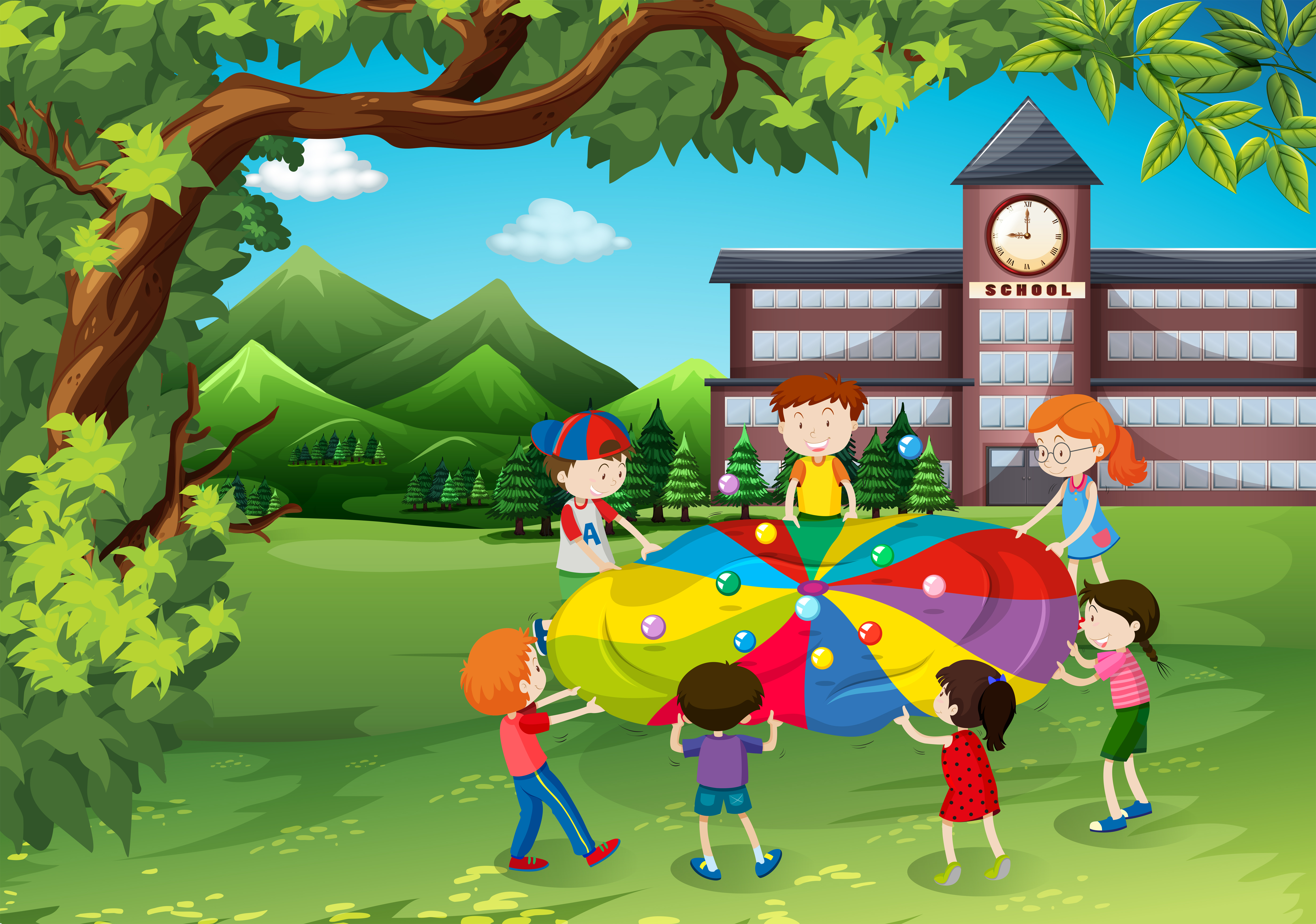
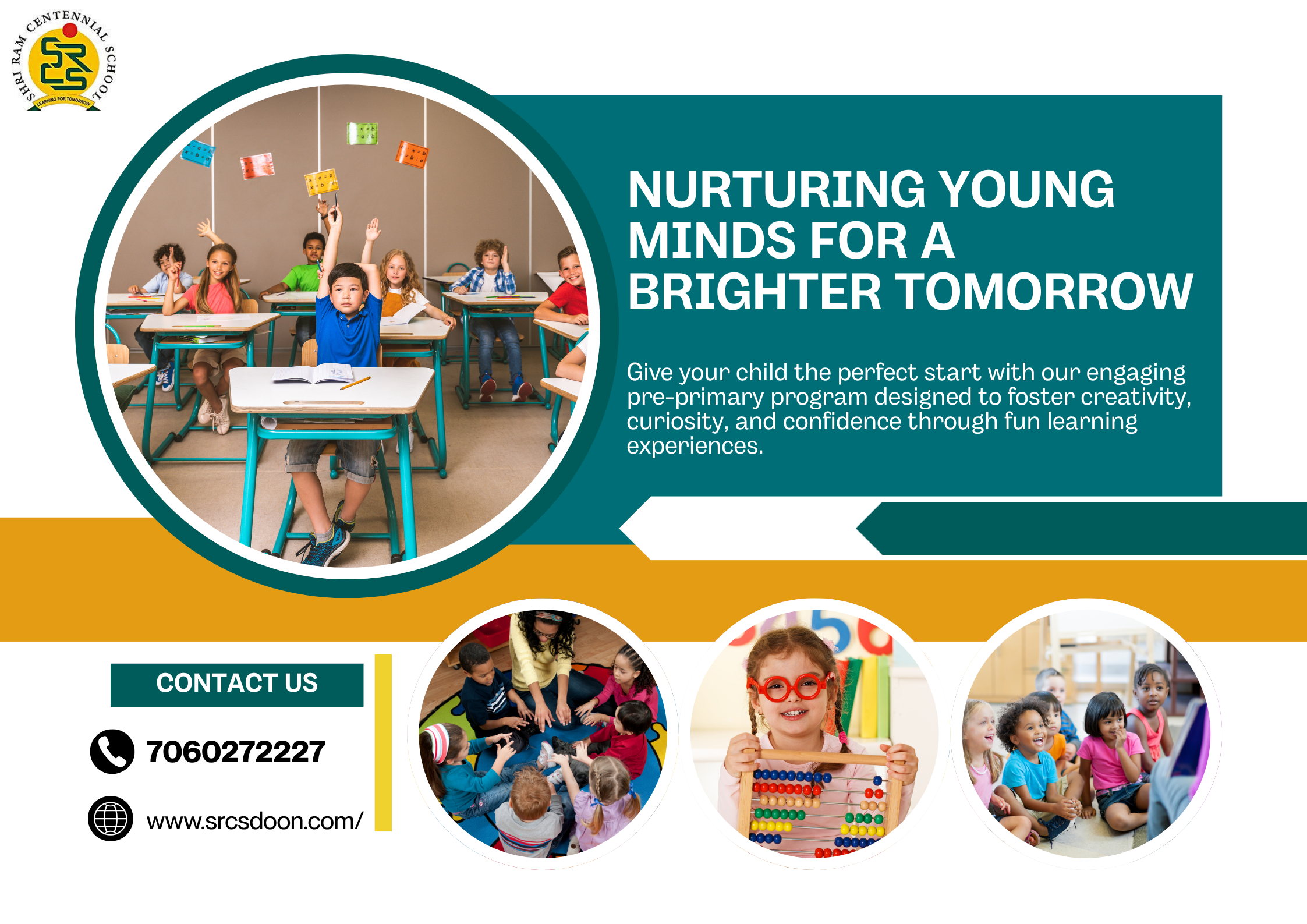
Quality pre-primary institutions focus on building a supportive learning atmosphere rather than imposing academic expectations. Trained educators understand each child’s pace and tailor activities accordingly. Modern classrooms emphasize sensory play, interactive learning, and emotional development.
Schools also partner with parents through open communication, regular feedback, and involvement in classroom activities. This collaboration ensures that both home and school reinforce the same values and learning goals.
Conclusion: Building a Strong Foundation for the Future
Deciding when your child should start pre-primary education is an important milestone — one that shapes their academic, emotional, and social development. The right timing allows children to embrace learning joyfully and confidently.
As a parent, trust your instincts, observe your child’s readiness, and choose an environment that values play, curiosity, and kindness. Pre-primary education is not just the beginning of academic life — it’s the foundation of character, resilience, and lifelong love for learning.