



Every morning, millions of teenagers wake up and reach for their phones before they even get out of bed. Scrolling through Instagram, watching reels, replying to messages — social media has become a deeply woven part of young lives. But is this a good thing, a bad thing, or something far more complicated?
At SRCS School, one of the most trusted Boarding Schools in Uttarakhand, we work closely with students, parents, and educators every day. We see firsthand how digital habits shape a young person’s character, confidence, and academic performance. That is exactly why we put together this honest, well-researched guide on the impacts of social media on today’s youth.
Whether you are a parent trying to set healthy boundaries or a student trying to understand your own habits — this article is for you.
What Is Social Media Doing to Our Youth?
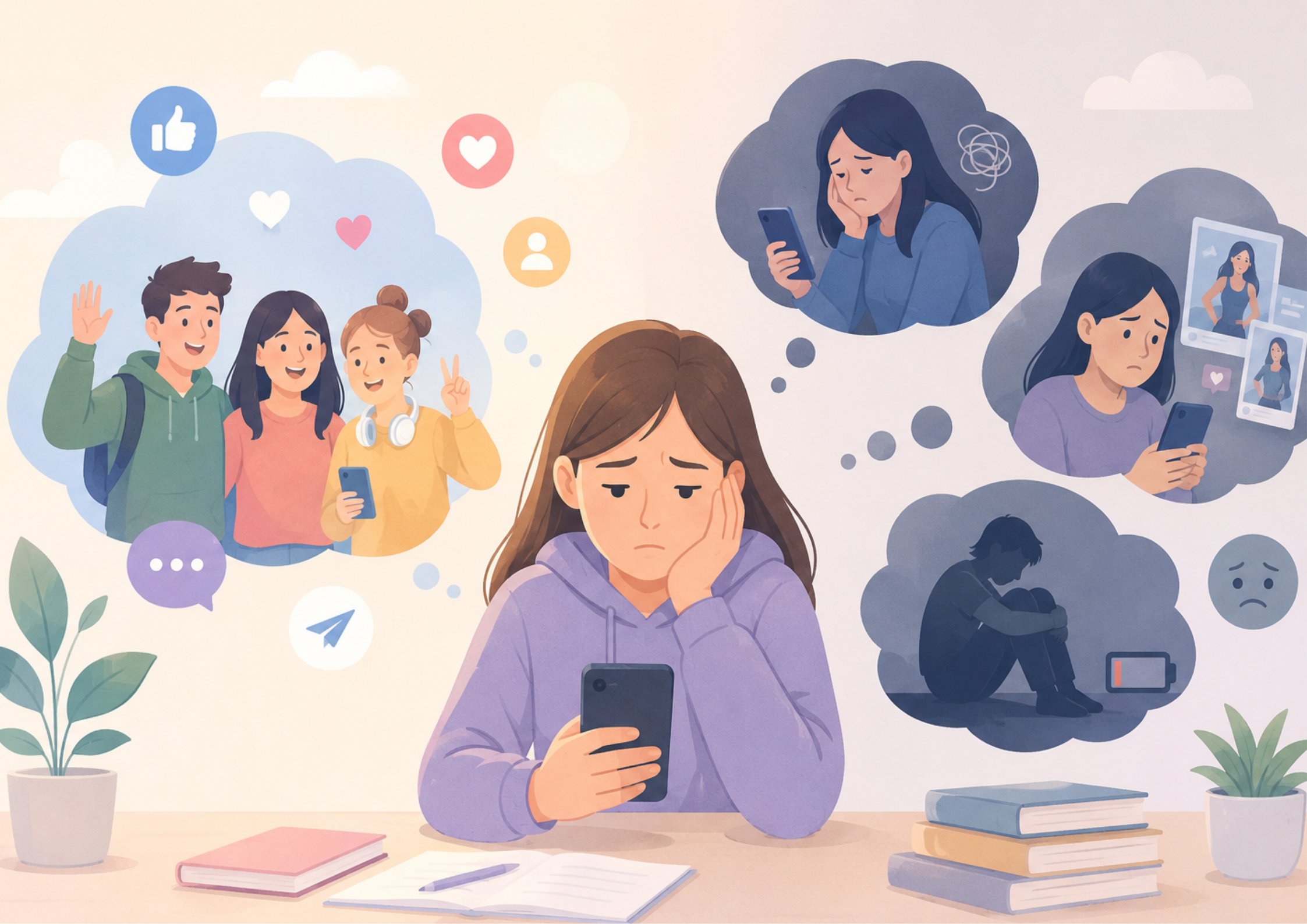
Before we jump into the list, it is important to understand one thing: social media is not simply good or bad. Like most powerful tools, its impact depends entirely on how it is used.
The impacts of social media on young people range from building career skills to causing serious mental health struggles. Both sides are real. Both sides deserve honest attention.
10 Powerful Impacts of Social Media on Youth
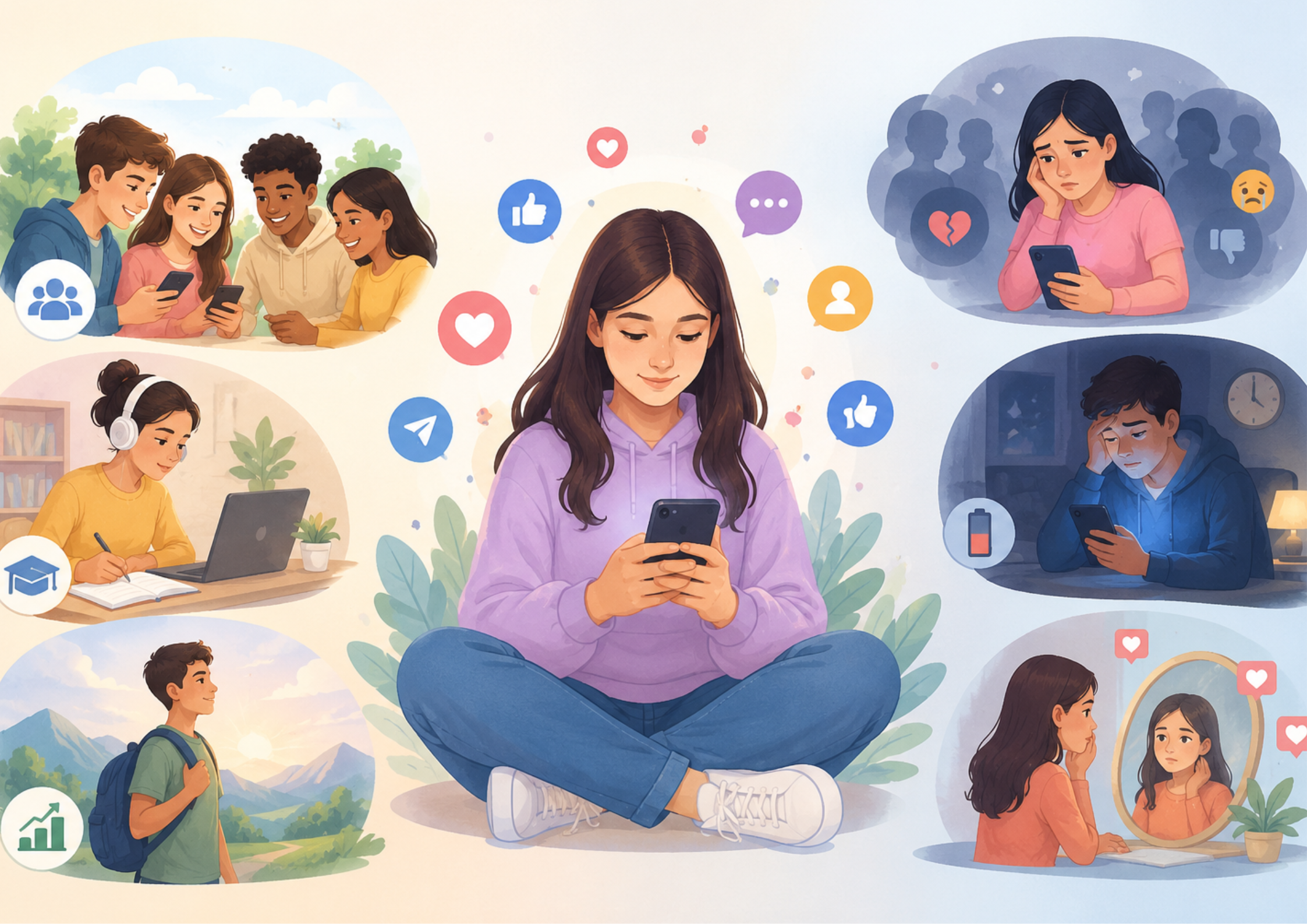
1. It Builds Communication Skills — When Used Wisely
Young people who engage thoughtfully on social media often develop strong written communication skills. Crafting captions, writing comments, and sharing ideas online can sharpen how they express themselves.
Many students today are more confident writers because they have been practicing in digital spaces since childhood. At SRCS School, we encourage students to use these skills productively — in blogs, creative writing, and school projects.
2. It Can Seriously Harm Mental Health
This is one of the most well-documented impacts of social media on youth. Constant comparison with peers, unrealistic beauty standards, and the pressure to get “likes” can push teenagers toward anxiety, low self-esteem, and even depression.
Studies show that teenagers who spend more than three hours daily on social platforms are at higher risk for poor mental health outcomes. Recognizing the warning signs early is critical for parents and school counsellors.
3. It Opens Doors to Learning and Knowledge
YouTube tutorials, educational Instagram pages, LinkedIn learning communities — social media, when directed properly, can be a powerful learning resource.
Students at boarding schools, including those here in Uttarakhand, often use platforms to explore interests beyond the classroom — from coding and astronomy to art and entrepreneurship. The key is guided, intentional use.
4. It Disrupts Sleep and Academic Focus
One of the most damaging but least talked-about impacts of social media is sleep disruption. Late-night scrolling delays the brain’s ability to wind down, robbing teenagers of the deep sleep they need for memory, growth, and emotional balance.
Less sleep means less focus in class, weaker memory retention, and lower academic performance. This is why many schools, including structured residential schools, maintain strict no-phone policies after study hours.
5. It Creates a Sense of Belonging — and Loneliness
Social media connects people across cities and countries. For some students, online communities offer a sense of belonging they may not feel in person.
However, research also shows that heavy social media use can increase feelings of loneliness. When online interaction replaces face-to-face connection, students may feel more isolated — not less. Real friendships, built through shared experiences and trust, are irreplaceable.
6. It Exposes Youth to Cyberbullying
Cyberbullying is one of the darker impacts of social media that no family wants to experience. Unlike traditional bullying, it follows a child home, into their bedroom, and even into their sleep.
Hurtful comments, exclusion from online groups, and public shaming can cause lasting emotional damage. Schools and parents must create safe spaces where children feel comfortable speaking up about online harassment.
7. It Sparks Creativity and Self-Expression
Not all screen time is passive. Many young people use social media as a creative outlet — through photography, video editing, music, writing, and visual art.
Platforms like YouTube and Pinterest have launched genuine careers for young creators. When teenagers are taught to create rather than just consume content, social media becomes a tool for self-discovery and confidence-building.
8. It Can Spread Misinformation Rapidly
Young people are often not yet equipped with the critical thinking skills needed to identify false or misleading information online. Health myths, political propaganda, and viral fake news spread fast across platforms.
Teaching media literacy — the ability to question, evaluate, and verify sources — is now as essential as teaching mathematics. At SRCS School, digital literacy is embedded into how we guide student thinking and classroom discussions.
9. It Influences Values, Choices, and Identity
Teenagers are at a formative stage of identity development. The content they consume daily — the influencers they follow, the communities they join — quietly shapes their values, aspirations, and self-image.
Positive role models and uplifting communities can have a genuinely powerful influence. But so can toxic trends, dangerous challenges, and content that normalizes harmful behaviour. Parental guidance and school mentorship both play a vital role here.
10. It Can Build Future-Ready Skills
Used with purpose, social media teaches skills that the modern workplace demands — digital communication, content creation, audience awareness, personal branding, and networking.
Students who learn to manage their online presence responsibly are building a genuine professional edge. The goal is not to avoid social media entirely but to teach youth how to use it with intention, discipline, and awareness.
What Can Parents and Schools Do?
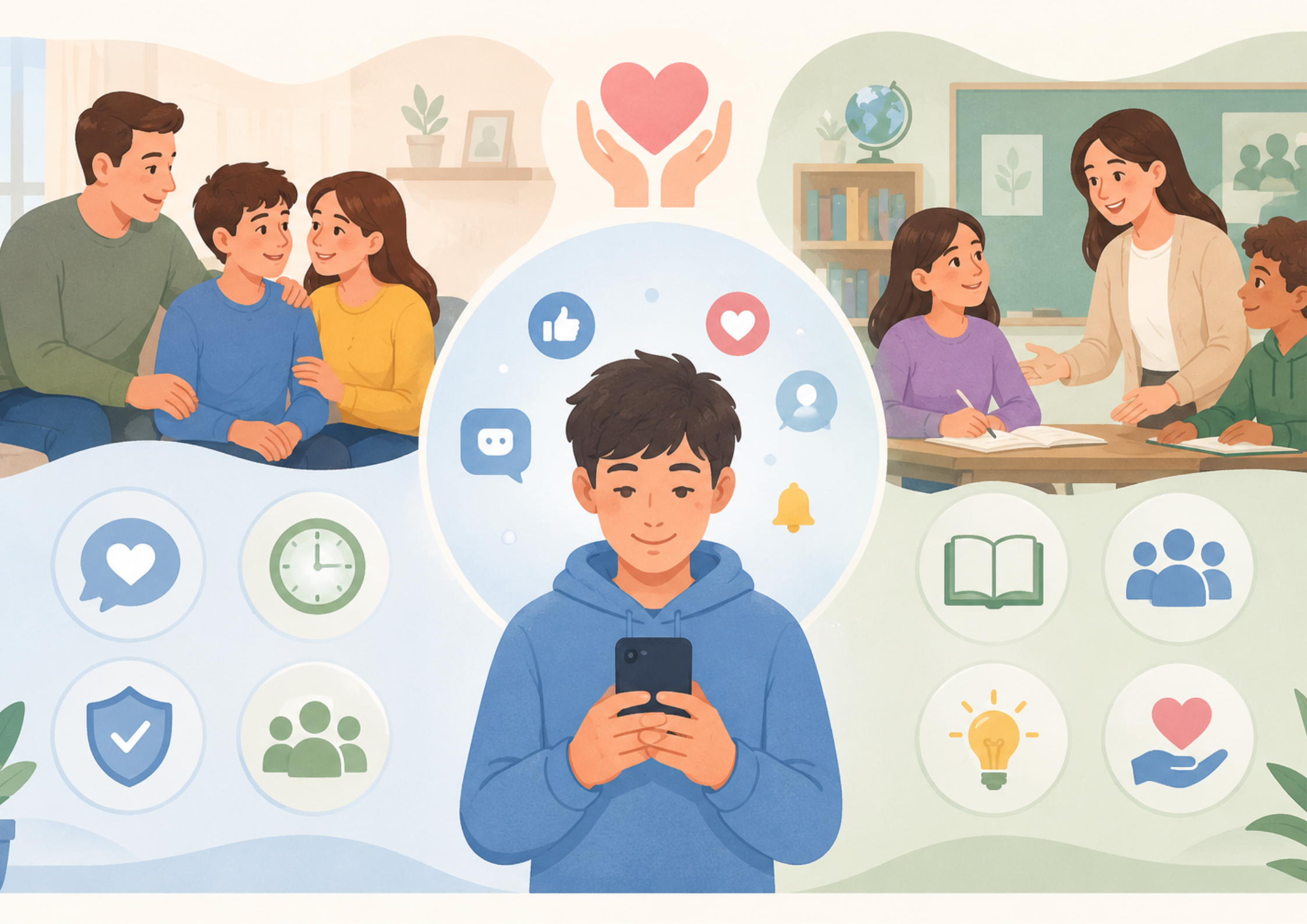
The conversation around social media cannot happen only at home or only at school — it must happen in both places, consistently.
Here is what works:
- Set clear, consistent screen time boundaries at home
- Keep devices out of bedrooms at night
- Have regular, non-judgmental conversations about what your child sees online
- Teach children to question what they read and see
- Celebrate offline achievements and experiences equally
At SRCS School, students live and learn in a structured, nurturing environment that balances academic excellence with character development. Our residential model naturally limits excessive screen dependency while building real-world confidence, discipline, and social skills — qualities that matter far beyond any social media profile.
Final Thoughts
The impacts of social media on youth are real, layered, and deeply personal. There is no single answer, and there is no going back. Social media is here — and it will keep evolving.
What matters most is how we prepare young people to navigate it. With the right guidance at home and in school, social media can be a powerful tool rather than a damaging distraction.
At SRCS School, we are committed to raising thoughtful, resilient, and digitally aware students who are ready for the world ahead.
Have questions about how we support student wellbeing at SRCS School? Feel free to reach out to our admissions team — we would love to connect with you.
FAQs
Q1. What are the major impacts of social media on youth?
Ans: The major impacts of social media on youth include improved communication, access to information, creativity, social connections, and learning opportunities, along with challenges such as distraction, cyberbullying, and excessive screen time.
Q2. How does social media affect students’ academic performance?
Ans: Social media can support learning through educational content and collaboration. However, excessive use may reduce concentration, affect study habits, and negatively impact academic performance.
Q3. What are the positive impacts of social media on young people?
Ans: Positive impacts of social media include enhanced communication skills, access to educational resources, increased creativity, networking opportunities, and exposure to diverse perspectives and ideas.
Q4. What are the negative impacts of social media on youth?
Ans: Negative impacts may include screen addiction, reduced face-to-face interactions, cyberbullying, privacy concerns, sleep disturbances, and increased stress or anxiety.
Q5. How can students use social media responsibly?
Ans: Students can use social media responsibly by managing screen time, protecting personal information, following positive content, maintaining a balance between online and offline activities, and using platforms for learning and personal growth.