
A tricky maths problem with no obvious shortcut. A disagreement between two friends. A confusing headline shared in a family group chat. Students run into moments like these almost every day, and how they respond often matters more than the situation itself.
This is where critical thinking comes in. It is one of the most important skills a young person can build, yet it rarely gets the same attention as grades or test scores. For parents, students, and educators trying to understand why this skill deserves more focus, this guide breaks it down in plain, practical terms.
What Does This Skill Actually Mean?
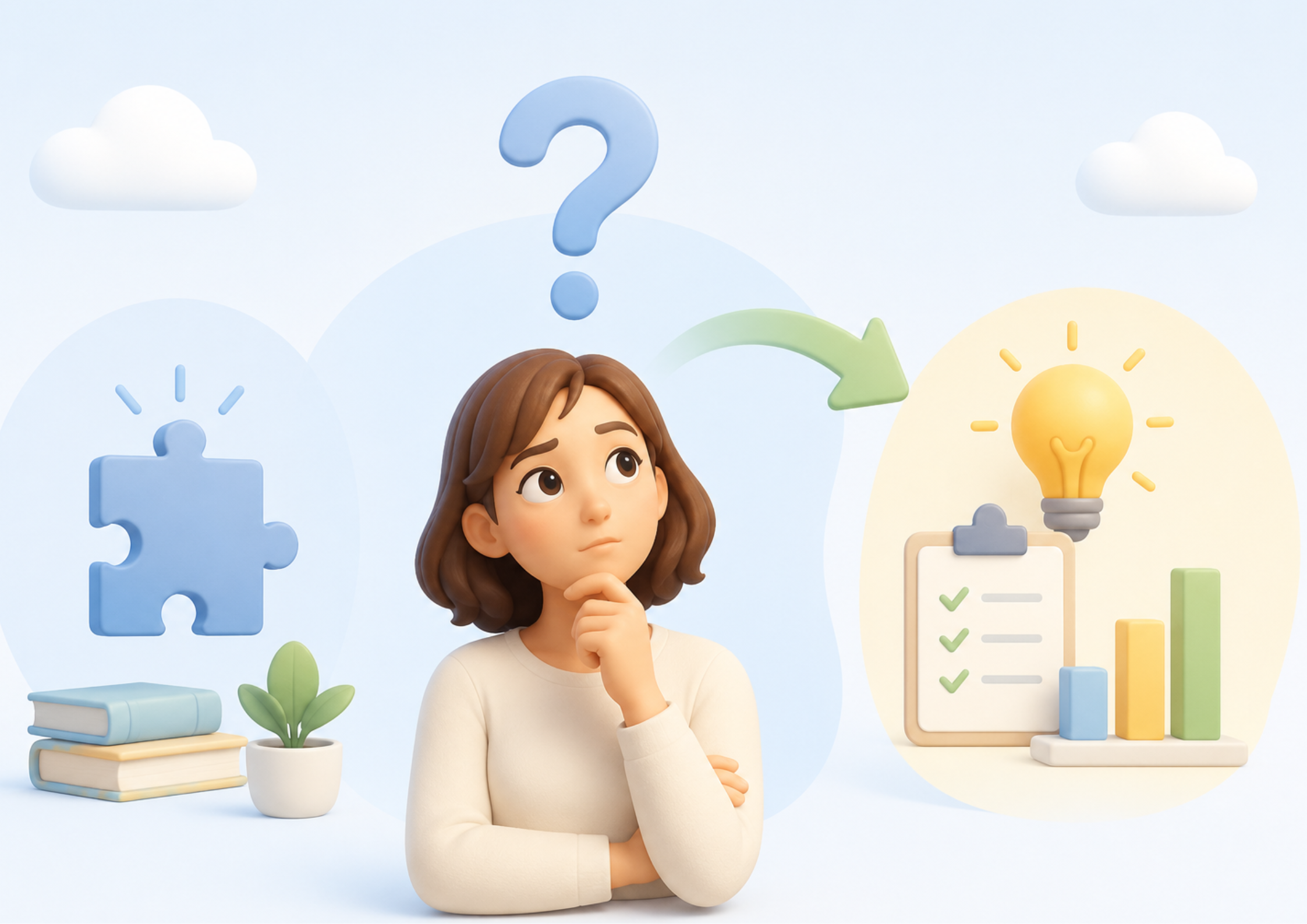
At its core, this ability is about thinking clearly and carefully before reaching a conclusion. It means asking questions instead of accepting information at face value, weighing evidence, and considering different points of view before deciding what to believe or do.
It isn’t about being argumentative or doubting everything. It’s about pausing long enough to ask, “Does this actually make sense?” before reacting or repeating it.
A Simple Way to Explain It to Kids
A useful way to describe this to children is: “Don’t just believe it — ask why.” That single habit, repeated often enough, builds a mindset that questions, analyses, and reasons rather than reacts.
Younger children can practise this with simple prompts, such as asking why a character in a story made a certain choice, or what might have happened if they had chosen differently.
Why Critical Thinking Matters in Today’s World
Students today are surrounded by more information than any generation before them. Social media, news apps, and online videos compete for their attention every hour. Without the ability to evaluate what they see, it becomes easy to absorb misinformation or make decisions based on incomplete facts.
Helping Students Make Sense of Information
These skills help students separate fact from opinion, spot bias, and ask better questions about what they read or watch. This matters as much in a history classroom as it does while scrolling through a phone.
A student who pauses to check a source, or asks who benefits from a particular claim, is already practising a habit that will serve them well into adulthood.
Preparing Students for Careers That Don’t Exist Yet
Many of the jobs today’s students will eventually hold haven’t been invented yet. Employers consistently rank problem-solving skills and adaptable thinking above memorised knowledge. A student who can analyse a new situation and reason through it will always have an advantage over one who can only recall facts.
This is also why decision-making skills and analytical reasoning now appear so often in school curriculums, alongside traditional subjects.
Key Benefits of Building This Skill Early
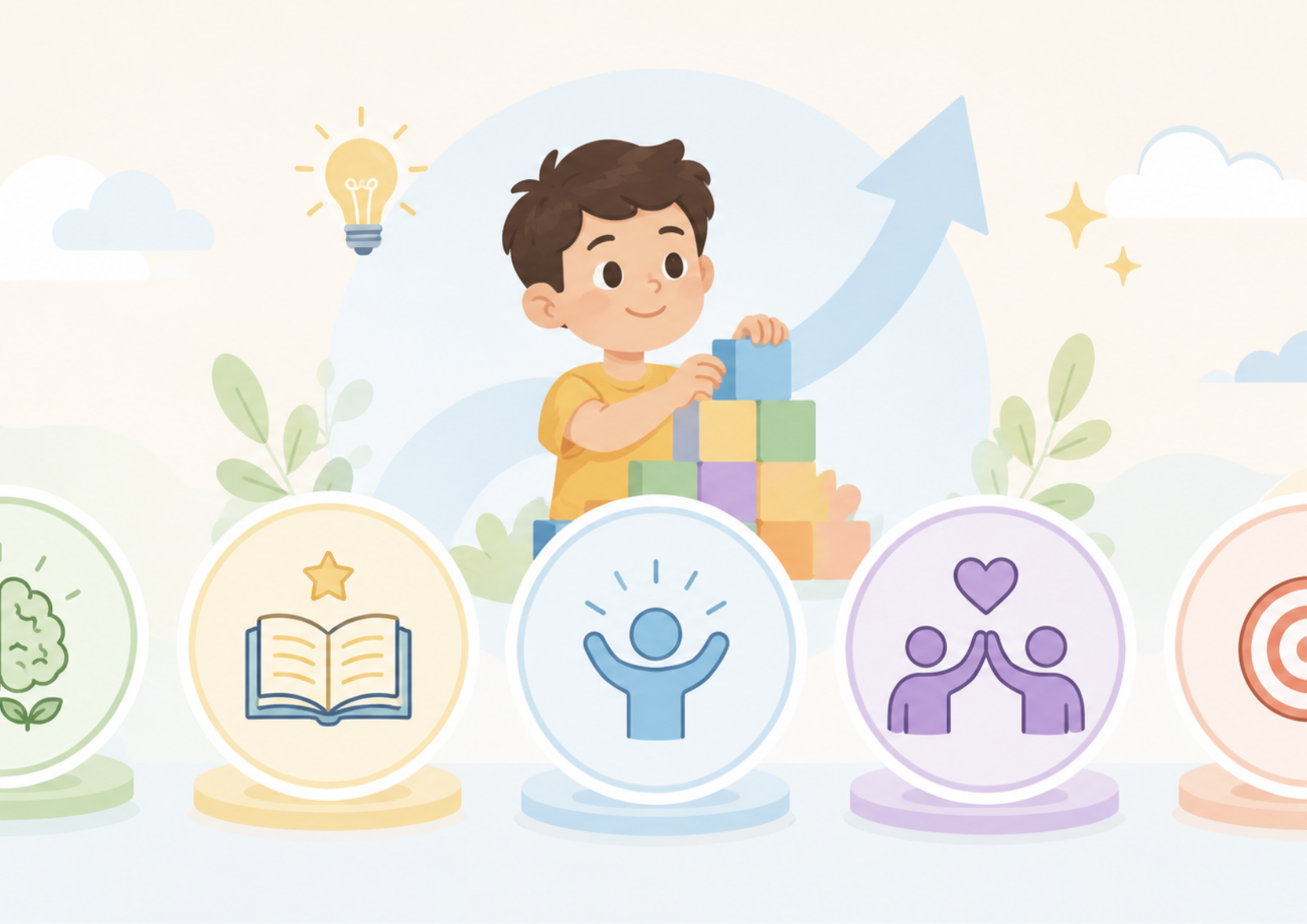
When nurtured early, strong reasoning ability quietly strengthens almost every other area of a student’s life.
- Better academic performance — Students who question and analyse tend to understand subjects more deeply, not just memorise them.
- Sharper problem-solving skills — Everyday challenges, from group projects to personal disputes, become easier to navigate.
- More confident decision-making skills — Students learn to weigh options instead of guessing or following the crowd.
- Stronger communication — Clear thinking usually leads to clearer, more persuasive expression of ideas.
- Greater independence — Students rely less on being told what to think and more on working it out themselves.
- Better handling of failure — Students who can analyse what went wrong recover faster than those who simply feel discouraged.
Signs a Student Is Already Building This Skill
Parents and teachers don’t always notice this growth happening, since it rarely shows up as a single test score. A few everyday signs are worth watching for.
- They ask “why” or “how do you know that” more often than before.
- They can explain their reasoning, not just their final answer.
- They notice when something doesn’t add up, even in their own assumptions.
- They’re comfortable saying “I’m not sure yet” instead of guessing confidently.
- They can consider an opposing viewpoint without immediately dismissing it.
How Schools Help Students Develop This Skill
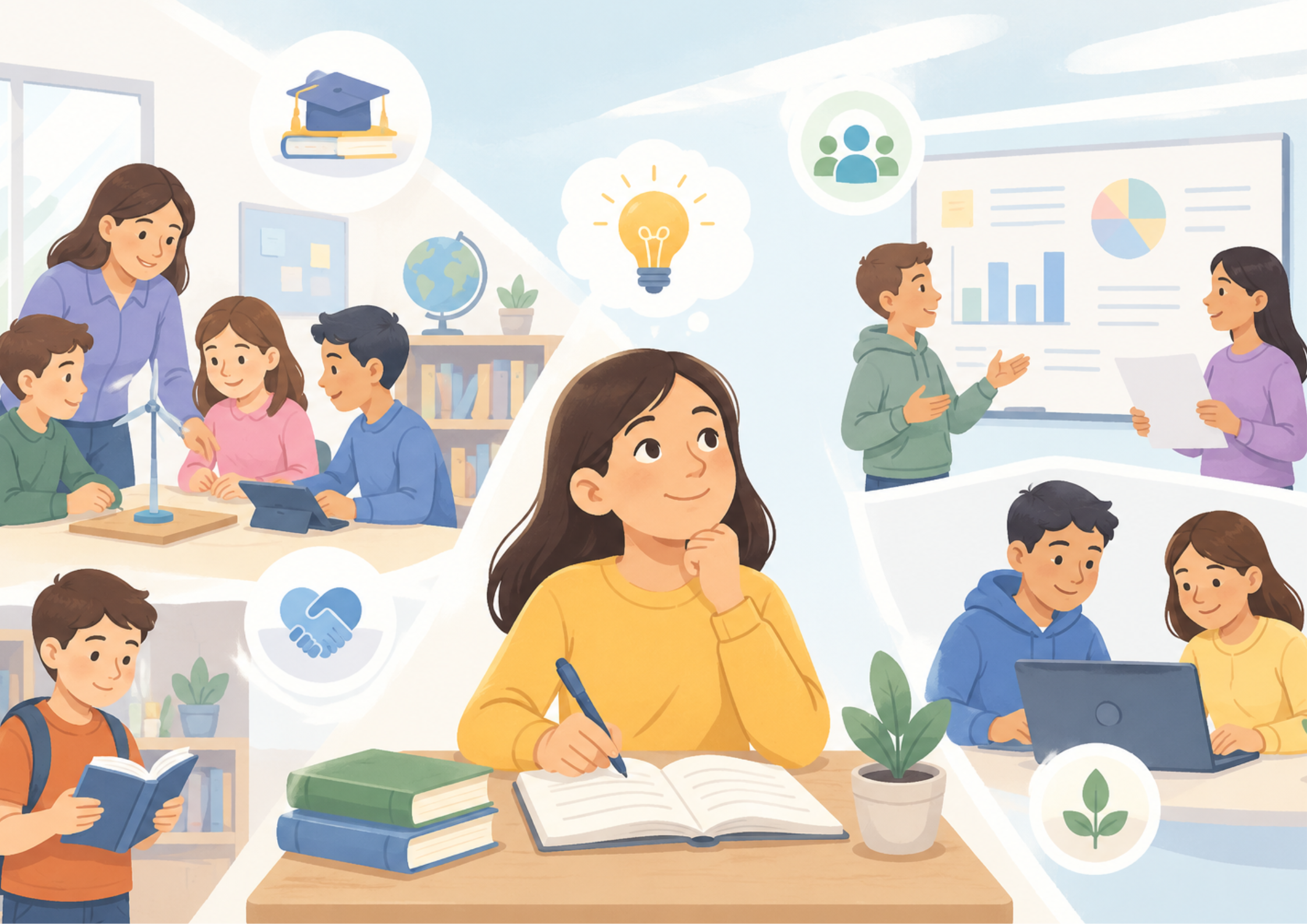
Building this ability rarely happens by accident. It needs to be encouraged deliberately, through the right teaching methods and the right environment.
Classroom Methods That Encourage Questioning
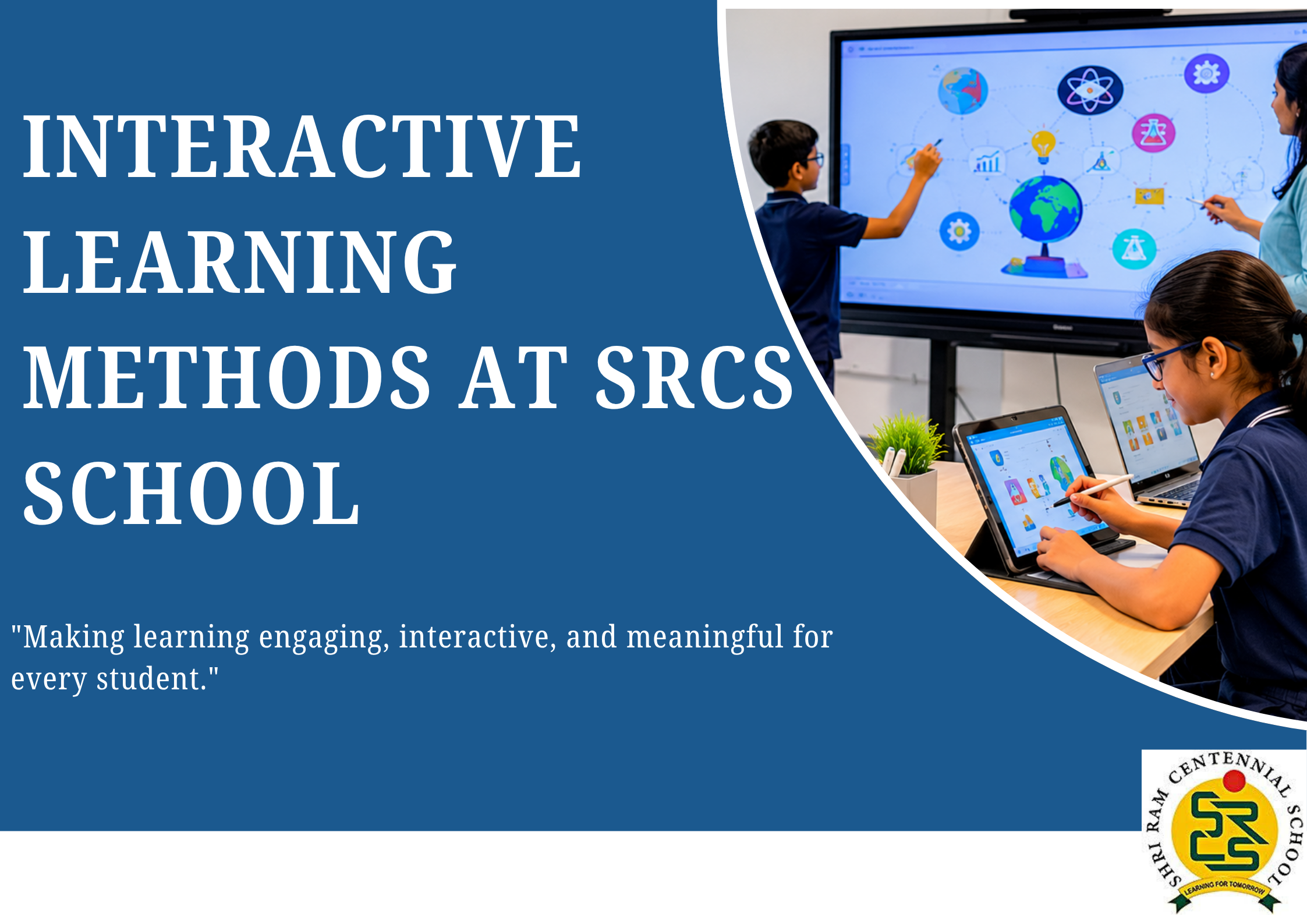
Open-ended assignments, debates, case studies, and project-based learning all push students to analyse rather than simply recall. Instead of asking “what happened,” good teachers ask “why did it happen this way, and could it have gone differently?”
Teachers as Guides, Not Just Instructors
The most effective educators act less like answer-givers and more like guides who help students reach their own conclusions. This shift, from instruction to guided discovery, is one of the clearest signs of a school genuinely investing in independent thought.
The Advantage of a Residential Learning Environment
Many residential institutions, including several boarding schools in Uttarakhand, have leaned into this approach by combining structured academics with daily debate clubs, open discussions, and real-world projects that go beyond the textbook. The residential setting itself often helps, since students are constantly navigating shared decisions, schedules, and social situations that demand reasoning, not just rule-following. Living and learning alongside peers around the clock naturally creates dozens of small decision points each day, each one a quiet opportunity to practise judgment.
What This Looks Like at Different Ages
This ability develops differently depending on a student’s age, and expecting too much too early can be discouraging for both students and parents.
Primary School Years
At this stage, the focus is mostly on curiosity. Simple “why” and “what if” questions, sorting games, and basic cause-and-effect discussions lay the groundwork for everything that follows.
Middle School Years
Students start comparing viewpoints, taking part in structured debates, and beginning to question assumptions in subjects like science and social studies. This is often when reasoning starts to feel deliberate rather than instinctive.
Senior School Years
By this stage, students can handle more abstract reasoning — evaluating arguments, recognising weak logic, and forming independent opinions backed by evidence rather than gut feeling.
Recognising these stages helps parents and teachers set realistic expectations, rather than comparing a younger child’s reasoning to that of an older sibling or classmate.
Common Myths Worth Clearing Up
A few misconceptions tend to get in the way of taking this skill seriously.
- “It can’t be taught.” In reality, it can be built gradually, the same way reading or arithmetic is, through consistent practice.
- “Smart students don’t need it.” Strong memory and strong reasoning are different things; one doesn’t guarantee the other.
- “It’s only useful in certain subjects.” It shows up just as much in sport, friendships, and everyday choices as it does in academics.
Simple Ways Parents Can Build This Skill at Home
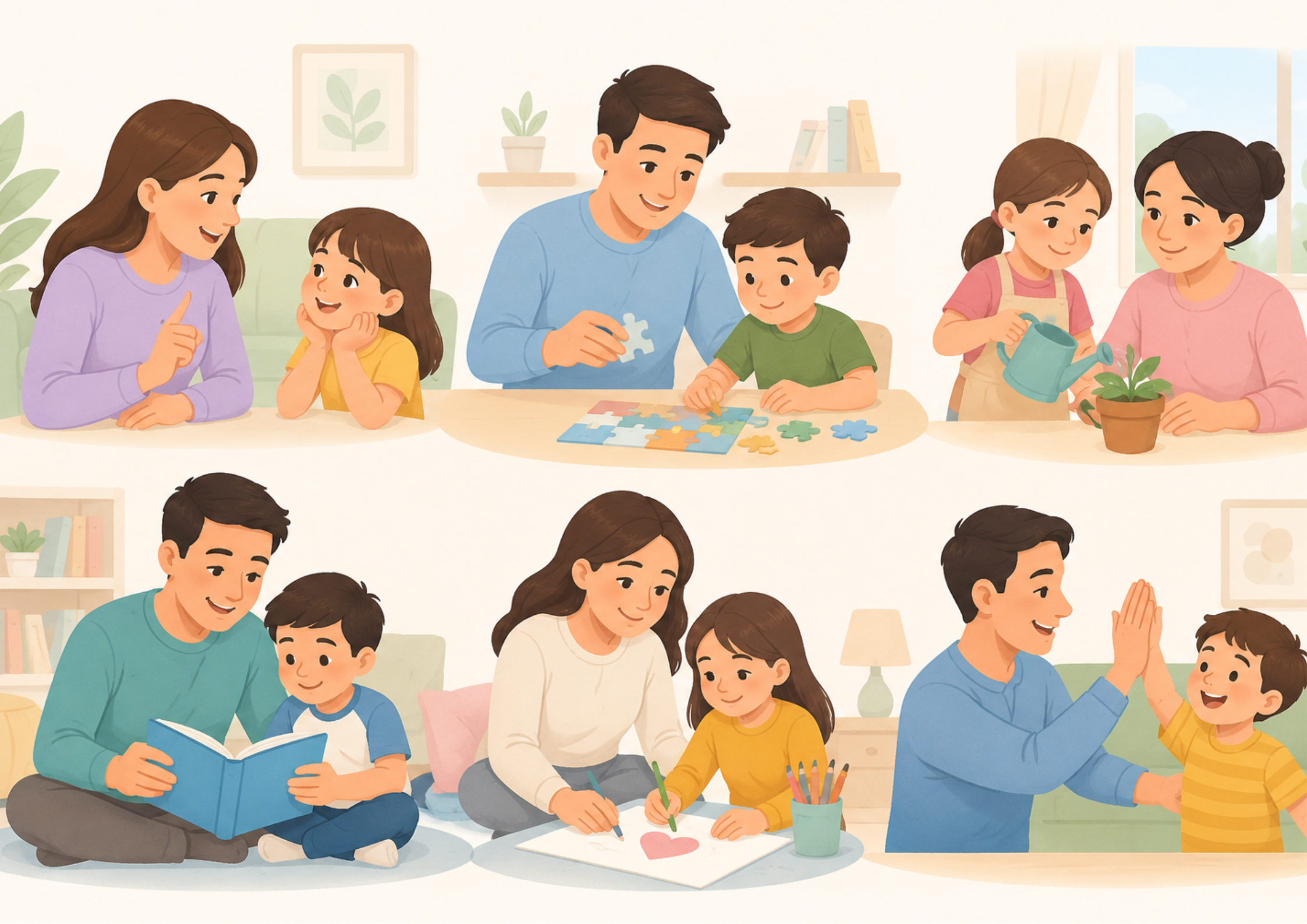
Schools play a major role, but home is where habits are reinforced daily. A few small, consistent practices can make a real difference.
- Ask open-ended questions like “What do you think will happen next?” instead of yes-or-no ones.
- Encourage respectful debate at the dinner table on age-appropriate topics.
- Let children make small, low-stakes decisions and talk through the reasoning afterward.
- Discuss news stories together and ask where the information came from.
- Model your own thinking out loud, including moments when you change your mind.
This Skill and Long-Term Success
The importance of critical thinking doesn’t fade after school. Workplaces increasingly value employees who can assess problems independently, adapt to change, and make sound judgments without constant supervision. Students who build this habit early carry it into university, careers, and everyday adult life, where good judgment often matters more than raw knowledge.
It also supports emotional and social growth. Students who learn to reason through disagreements, rather than react emotionally, tend to build healthier relationships and handle setbacks with more resilience.
Final Thoughts
Helping a student build this skill is rarely about one dramatic lesson. It comes from small, repeated moments — a question asked instead of an answer given, a discussion instead of a lecture, a decision worked through rather than handed over.
For parents and educators alike, the goal isn’t to raise students who simply know more, but students who know how to think. Critical thinking, practised consistently, is what turns that goal into something students carry with them for life.
FAQs
Q1. What are Critical Thinking Skills?
Ans: Critical Thinking Skills are the ability to analyze information, evaluate different perspectives, solve problems, and make logical, well-informed decisions based on evidence and reasoning.
Q2. Why are Critical Thinking Skills important for students?
Ans: Critical Thinking Skills help students understand concepts more deeply, improve decision-making, enhance problem-solving abilities, and prepare them for academic success and real-life challenges.
Q3. How can students develop Critical Thinking Skills?
Ans: Students can develop Critical Thinking Skills by asking questions, participating in discussions, solving real-world problems, analyzing information, and engaging in project-based and collaborative learning activities.
Q4. How do Critical Thinking Skills benefit future careers?
Ans: Critical Thinking Skills enable individuals to make informed decisions, adapt to changing situations, communicate effectively, and solve complex problems, making them valuable in higher education and professional careers.
Q5. How does SRCS School encourage Critical Thinking Skills?
Ans: SRCS School promotes Critical Thinking Skills through interactive classroom learning, practical activities, group discussions, project-based learning, and opportunities that encourage students to think independently and creatively.