


Summer camps are more than just fun getaways for kids — they’re opportunities for learning, exploration, and creativity. For preschoolers, these activities build early social skills, encourage teamwork, and spark curiosity about the world around them. The best summer camps focus on play-based learning, helping young minds grow while ensuring they have a wonderful time.
If you’re planning a summer camp for little learners or looking for ideas to make your preschool program engaging, here are 10 fun and educational summer camp activities every preschooler will love.
Why Summer Camps Matter in Early Childhood
Preschool years are crucial for a child’s physical, social, and emotional development. During this phase, children absorb knowledge through sensory experiences and play-based learning. Summer camps bridge this need by offering an engaging mix of structured and unstructured activities.
They give children the opportunity to:
-
Explore new interests outside their daily routine.
-
Strengthen motor skills through creative and outdoor activities.
-
Develop independence and confidence.
-
Make friends and learn cooperation through group play.
When designed thoughtfully, summer camps enhance Preschool Education by encouraging curiosity-driven learning in a fun and relaxed environment.
Top 10 Summer Camp Activities for Preschoolers
Below are ten tried-and-tested summer camp ideas that balance fun and learning for young children. Each activity can be adapted based on your camp’s theme, available space, and group size.
1. Nature Walk and Treasure Hunt
Nothing excites preschoolers more than discovering the outdoors. Organize a nature walk where children can observe plants, insects, and birds. You can add a treasure hunt twist — give them a list of things to find, like leaves, flowers, or smooth stones.
Learning Outcome: Improves observation skills, awareness of nature, and vocabulary.
2. Water Play and Splash Activities
Summer isn’t complete without water fun! Set up safe water tubs, sprinklers, and floating toys. Activities like pouring, scooping, and splashing help children strengthen their motor skills while staying cool. Learning Outcome: Enhances hand-eye coordination and sensory development.
3. Art and Craft Corner
Preschoolers love expressing creativity through colors. Provide them with non-toxic paints, paper, and natural materials like leaves or sand. Encourage them to create summer-themed artwork such as sun collages or paper plate fishes. Learning Outcome: Boosts creativity, focus, and fine motor skills.
4. Storytelling and Puppet Show
Storytime at a summer camp can be magical. Use puppets, storyboards, or picture books to narrate tales with moral lessons. You can also let children act out simple scenes. Learning Outcome: Builds language skills, imagination, and emotional understanding.
5. Music and Movement Session
Introduce preschoolers to rhythm and beats through dance, action songs, and simple instruments like tambourines or maracas.
Learning Outcome: Promotes body coordination, balance, and emotional expression through music.
6. Gardening for Little Hands
Set up a small camp garden where children can plant seeds and water them daily. Watching plants grow gives them a sense of responsibility and joy.
Learning Outcome: Teaches patience, environmental awareness, and care for living things.
7. Mini Science Experiments

Turn your camp into a fun science zone! Simple experiments like mixing colors, floating and sinking objects, or melting ice help children explore basic science in playful ways. Learning Outcome: Encourages curiosity, critical thinking, and problem-solving.
8. Group Games and Team Building
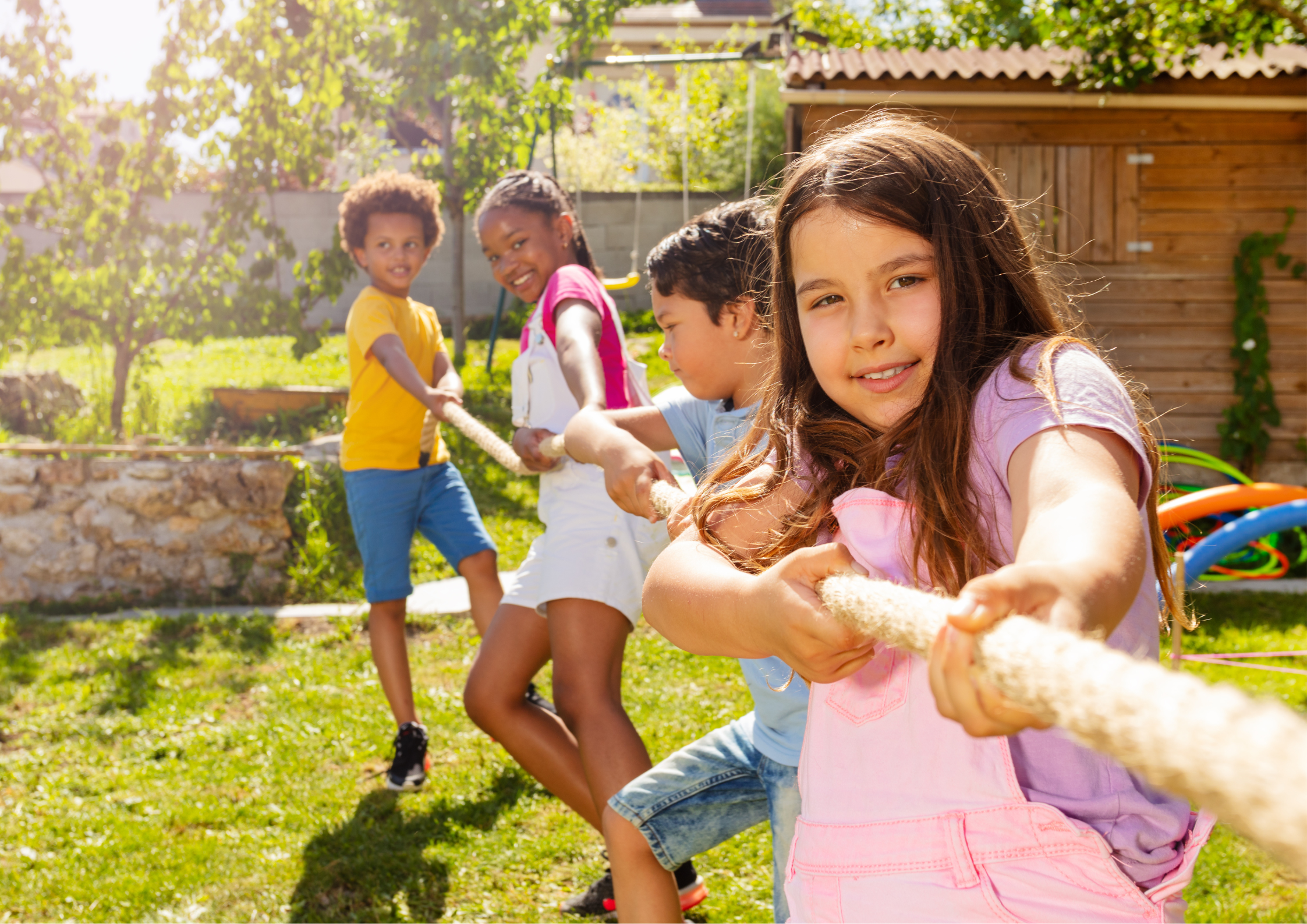
Games like ring toss, relay races, or parachute play help preschoolers learn teamwork and sportsmanship. Learning Outcome: Develops cooperation, sharing, and social bonding among children.
9. Indoor Yoga and Relaxation Time
Balance play with calmness by introducing basic yoga poses, stretching, and breathing exercises. This helps preschoolers relax after high-energy games.
Learning Outcome: Improves concentration, self-regulation, and physical flexibility.
10. Creative Cooking Session
Host a mini cooking day where kids make easy, no-fire recipes like fruit salads or sandwiches. It’s a delicious way to learn about food and nutrition.
Learning Outcome: Builds independence, awareness of healthy eating, and practical life skills.
Challenges in Conducting Preschool Summer Camps
While summer camps bring immense benefits, they come with certain challenges educators and parents must manage:
-
Safety Concerns: Young children require constant supervision, especially during outdoor and water activities.
-
Short Attention Spans: Activities should be varied and brief to maintain enthusiasm.
-
Weather Sensitivity: Summer heat can limit outdoor time; planning shaded areas or indoor alternatives is essential.
-
Inclusivity: Every child has unique needs — camps should ensure participation and comfort for all.
-
Parental Communication: Keeping parents informed about daily plans and achievements builds trust and engagement.
Addressing these challenges through careful planning ensures the camp remains enriching and safe for everyone involved.
The Lasting Impact of Summer Camps
Summer camps do more than fill vacation days — they nurture independence, empathy, and curiosity in young learners. When children collaborate, solve problems, and express themselves creatively, they develop a sense of accomplishment and belonging. These skills go beyond academics, preparing them for school and life ahead.
For parents seeking holistic environments, the best School in India often integrates similar play-based learning philosophies in their early education programs — emphasizing experience over rote learning.
Conclusion
Whether you’re a parent, teacher, or school planner, designing summer camp activities that blend fun, learning, and creativity can make a lasting impact on a child’s early growth. Preschoolers learn best when they’re engaged, curious, and free to explore — and summer camps provide the perfect environment for that balance.
From nature walks and art sessions to team games and storytelling, each activity contributes to building essential life skills like confidence, cooperation, and problem-solving. These experiences go beyond the classroom, helping children develop emotional intelligence, social awareness, and a love for learning.
Frequently Asked Questions (FAQs)
1. What is the purpose of a summer camp for preschoolers?
To help children learn, play, and develop social and creative skills through fun, hands-on activities.
2. How do summer camp activities help in child development?
They improve creativity, teamwork, confidence, and problem-solving through play-based learning.
3. What are some safe summer camp activities for preschoolers?
Nature walks, water play, art and craft, storytelling, and gardening are safe and engaging options.
4. How can parents prepare their child for summer camp?
Talk about camp positively, pack essentials, and encourage your child to share and join group play.
5. Why is play-based learning important in summer camps?
It helps children learn naturally while having fun, boosting imagination, focus, and social skills.