





Self-study has become one of the most important habits for students, whether they are in school or preparing for competitive exams. While teachers guide and parents support, real understanding develops when students learn at their own pace and explore topics independently.
Even in the best school in india, relying only on classroom teaching can limit long-term academic confidence. This blog highlights why self-study matters, how it shapes a student’s future, the benefits and challenges of learning independently, and simple ways to make it a daily routine.
Why Self-Study Matters More Today
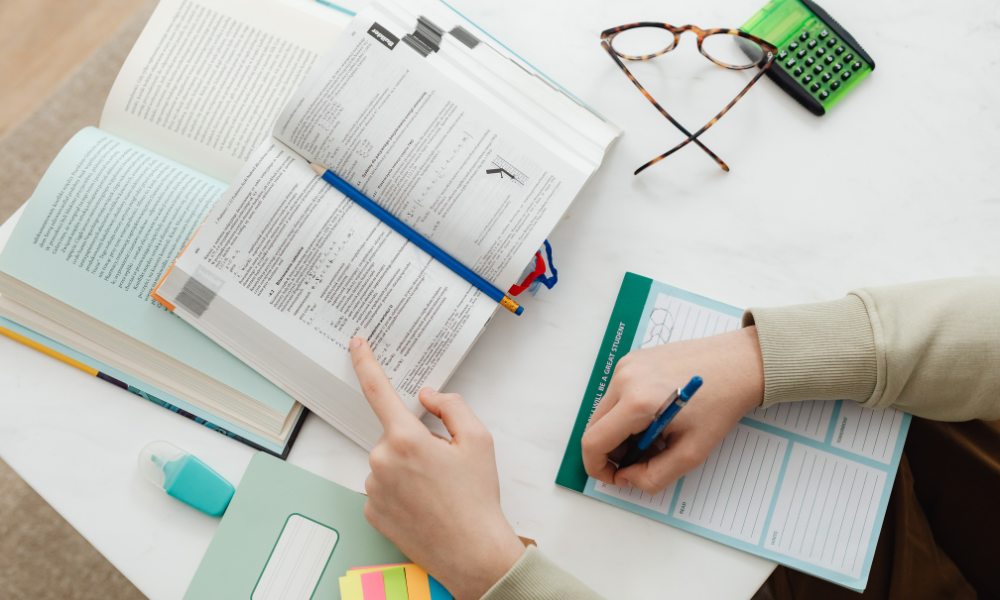
Education has changed drastically over the years. Earlier, students mainly depended on teachers for everything—from explanations to practice questions. But today’s world demands a different approach. Information is available everywhere, exams test deep understanding, and careers require self-learning throughout life.
Self-study empowers students to take charge of their own learning. It builds curiosity, strengthens weak areas, and teaches them to think beyond the textbook. When students study independently, they learn to make decisions about what to read, how to revise, and when to practice. This not only improves their academic performance but also shapes them into disciplined, confident individuals.
How Self-Study Helps Students Understand Better
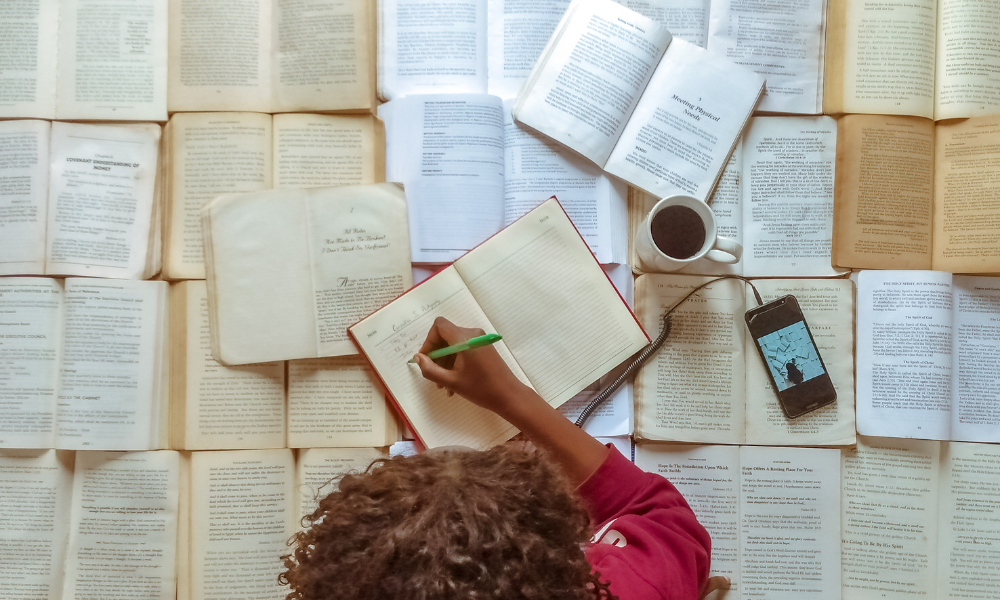
Students often understand concepts faster when they learn them on their own. In a classroom, explanations are general and time-bound. But when students revise topics at home, they explore ideas without pressure.
Here’s how self-study promotes deeper understanding:
1. Students Learn at Their Own Pace
Every learner is different. Some understand a topic immediately, while others need more time. Independent learning allows students to pause, reread, take notes, and watch additional resources until they feel confident.
2. Better Concept Clarity
Teachers cover many chapters within limited time. But self-study lets students revisit confusing points and build strong clarity. This gives them an advantage in exams and future studies.
3. Encourages Critical Thinking
When students research a topic by themselves, they learn to question, compare, and evaluate ideas. This habit strengthens analytical skills, which are essential for higher education and competitive exams.
4. Improves Memory Retention
Information stays longer in the mind when it is learned actively rather than passively. Independent study involves activities like summarizing, writing, and solving exercises—all of which improve memory.
Key Benefits of Self-Study for Students

Self-study is not just a learning method; it’s a life skill. Here are some major benefits:
1. Builds Discipline and Responsibility
When students decide their own study routine, they take responsibility for their learning. This discipline stays with them throughout life, helping them manage college workloads and career challenges.
2. Boosts Confidence and Motivation
Students feel more confident when they can answer questions because they explored the topic themselves. This boosts self-motivation and helps them perform better in tests.
3. Strengthens Problem-Solving Skills
Independent study exposes students to new questions and situations. They learn to solve problems logically instead of depending on others for answers.
4. Enhances Exam Performance
Students who self-study regularly have stronger recall and better understanding. They revise more effectively and feel less stressed during examinations.
5. Supports Long-Term Academic and Career Growth
Whether a student chooses science, commerce, humanities, or vocational fields, the habit of self-learning gives them an advantage. In today’s competitive world, people who know how to learn independently stay ahead.
Common Challenges Students Face in Self-Study

Despite its importance, many students struggle to develop a steady self-study routine. Understanding these challenges helps parents and educators guide them better.
1. Lack of Concentration
With smartphones, social media, and distractions everywhere, focusing during independent study can be difficult.
2. Not Knowing Where to Start
Some students feel overwhelmed and don’t know which chapter to pick or how to plan their study schedule.
3. Poor Time Management
Balancing school homework, coaching classes, and personal study hours becomes a challenge without proper planning.
4. Difficulty Understanding Concepts Alone
Students may feel stuck when they do not understand a topic and hesitate to continue.
5. Inconsistent Study Routine
Self-study requires discipline, but many students fail to maintain a daily habit.
Effective Strategies to Build a Strong Self-Study Habit

While challenges exist, simple strategies can help students make independent learning comfortable and enjoyable.
1. Create a Study Routine
A fixed timetable helps students organize their day. Even 1–2 hours of daily self-study can make a major difference.
2. Start with Small Goals
Instead of planning long sessions, students should begin with manageable tasks—like finishing one topic or solving a few questions.
3. Take Notes in Your Own Words
Writing helps improve understanding. Students should summarise chapters in short notes that they can revise easily later.
4. Use Multiple Learning Resources
Books, videos, practice worksheets, and educational apps offer deeper understanding. Exploring various resources makes self-study more interesting.
5. Remove Distractions
Keeping mobile phones away, studying in a quiet space, and taking short breaks improves concentration.
6. Practice Regular Revision
Even the best students forget concepts without revision. Weekly revision helps strengthen memory and clarity.
7. Ask for Help When Needed
Self-study does not mean isolation. Students should reach out to teachers, parents, or peers whenever they are stuck.
Role of Parents and Teachers in Supporting Self-Study

While independent learning is a student’s responsibility, guidance from adults makes the process easier.
Parents Can:
-
Provide a quiet study environment
-
Encourage a fixed study routine
-
Appreciate effort, not just results
-
Help students stay emotionally balanced
Teachers Can:
-
Offer clear explanations and extra resources
-
Teach students how to take notes effectively
-
Guide them on which topics need more practice
-
Motivate them to ask questions and think beyond the textbook
When students receive the right support, they feel confident enough to study independently.
Self-Study Prepares Students for the Future

The world is changing faster than ever. New technologies, new industries, and new careers are emerging every day. Students who learn independently adapt quickly and thrive in these environments. Whether they pursue engineering, medicine, arts, design, business, or any other field, self-study makes them more capable and future-ready.
Independent learners grow into individuals who are self-reliant, curious, and disciplined—qualities that employers value highly. The ability to learn on one’s own is not limited to school life; it becomes a strength throughout adulthood.
Conclusion
Self-study is one of the most powerful habits a student can develop. It builds discipline, improves understanding, boosts confidence, and shapes a strong academic foundation. While classrooms offer guidance, true learning happens when students engage with subjects on their own, explore additional resources, and develop curiosity. A consistent, planned approach makes independent learning enjoyable and effective. With the right encouragement from parents and teachers, every child can develop the habit of self-study and carry it as a lifelong strength.
FAQs About Self-Study
1. How many hours should a student self-study daily?
Most students benefit from 1–2 hours of consistent self-study every day, but this depends on their class level and learning speed.
2. Is self-study enough to score good marks?
Yes, if done regularly and with proper planning. Classroom learning + self-study together give the best results.
3. What is the best time of day for self-study?
Early morning or late evening works best for most students because concentration levels are higher.
4. How can students avoid boredom during self-study?
Use mixed methods—videos, quizzes, short notes, and practice questions. Changing the format keeps learning interesting.
5. Can self-study improve weak subjects?
Absolutely. Independent practice, doubt-clearing, and repeated revision help students gain confidence in their weaker areas.