



Academic knowledge builds intelligence, but life skills shape character. In today’s fast-changing world, students need more than textbooks and exams to succeed; they must learn clear communication, smart decision-making, emotional control, and self-confidence.
Life Skills Activities bring balance to learning by using simple, real-life exercises that help students build confidence, strengthen communication, and develop independence—skills that support them in school and guide them throughout life.
Table of Contents
ToggleUnderstanding Life Skills in Student Development
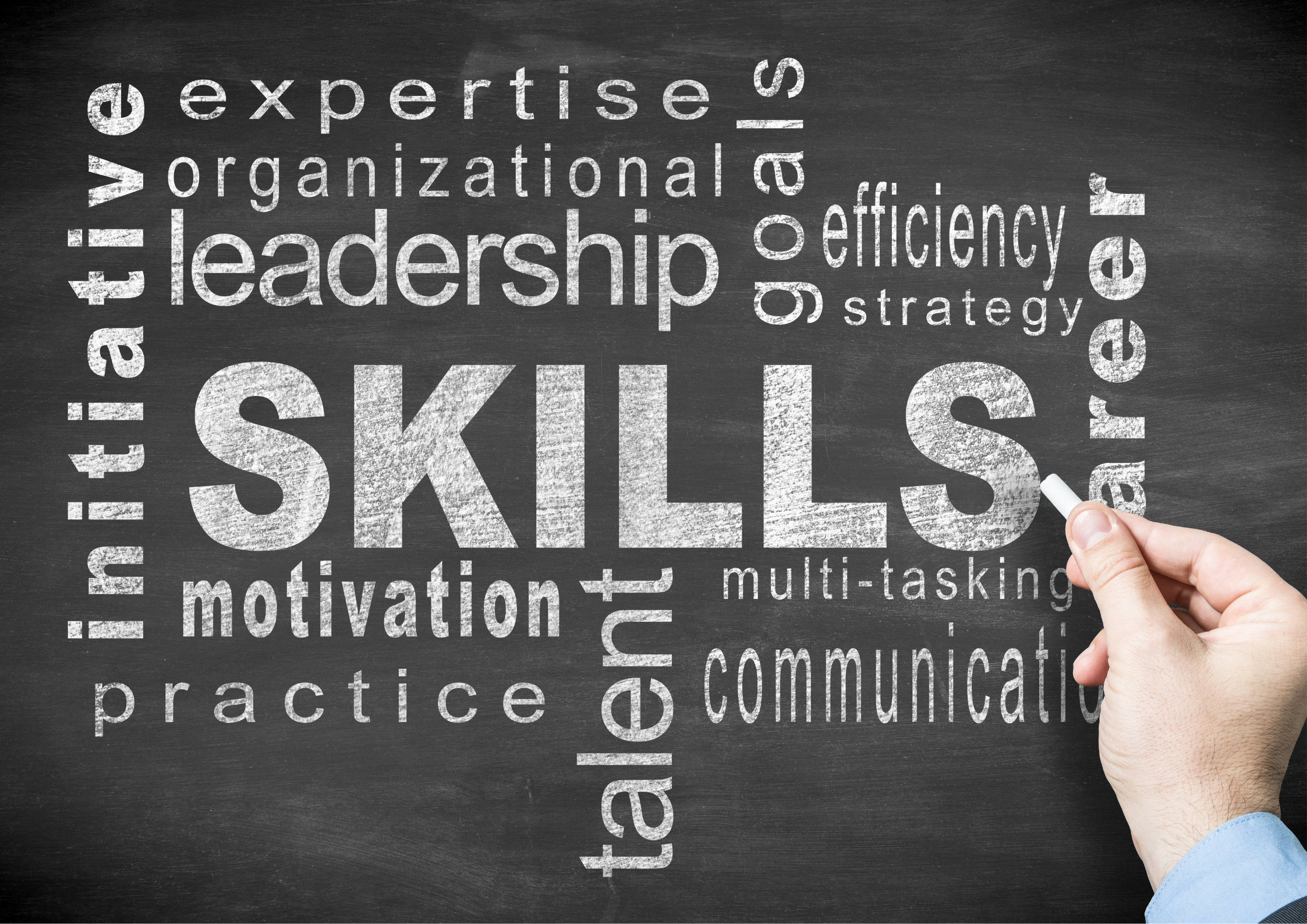
Life skills are the abilities that help individuals handle everyday challenges effectively. For students, these skills form the bridge between academic learning and real-world application.
Why Life Skills Matter Today
Modern students face academic stress, social pressure, digital distractions, and constant comparison. Life skills equip them to respond wisely rather than react emotionally. They encourage self-awareness, responsibility, and resilience—qualities that prepare students for adulthood.
Core Areas of Life Skills Learning
Life skills development generally focuses on three essential areas:
-
Personal skills such as self-confidence and emotional control
-
Social skills including communication and teamwork
-
Practical skills like decision-making and self-management
When these areas are nurtured together, students grow into balanced and capable individuals.
Life Skills Activities That Build Confidence
Confidence grows when students experience small successes and learn to trust their abilities. The following activities help students step out of their comfort zone in a supportive way.
Self-Introduction Circles
In this activity, students introduce themselves beyond their name—sharing a strength, interest, or personal goal. Speaking in front of peers boosts self-expression and reduces fear of judgment.
How it helps:
Students learn to value their identity and express themselves with clarity.
Role-Play Real-Life Situations
Role-playing everyday scenarios such as asking for help, handling criticism, or making choices allows students to practice responses in a safe space.
How it helps:
Repeated practice builds self-belief and prepares students to face real situations calmly.
Goal-Setting Workshops
Students write short-term and long-term goals and break them into achievable steps. Progress is reviewed periodically.
How it helps:
Achieving small goals strengthens motivation and self-trust.
Communication-Focused Life Skills Activities
Strong communication is the foundation of healthy relationships and academic success. These activities help students listen, speak, and express thoughts respectfully.
Active Listening Exercises
Students work in pairs, where one speaks about a topic while the other listens without interruption, then summarizes what was said.
How it helps:
It improves focus, empathy, and understanding—skills essential for meaningful communication.
Group Discussions with Defined Roles
Students participate in group discussions with roles such as speaker, listener, moderator, and observer.
How it helps:
They learn structured speaking, respectful disagreement, and collaborative thinking.
Storytelling Sessions
Students narrate personal experiences or create stories based on prompts.
How it helps:
Storytelling improves vocabulary, confidence, and emotional expression.
Life Skills Activities That Encourage Independence
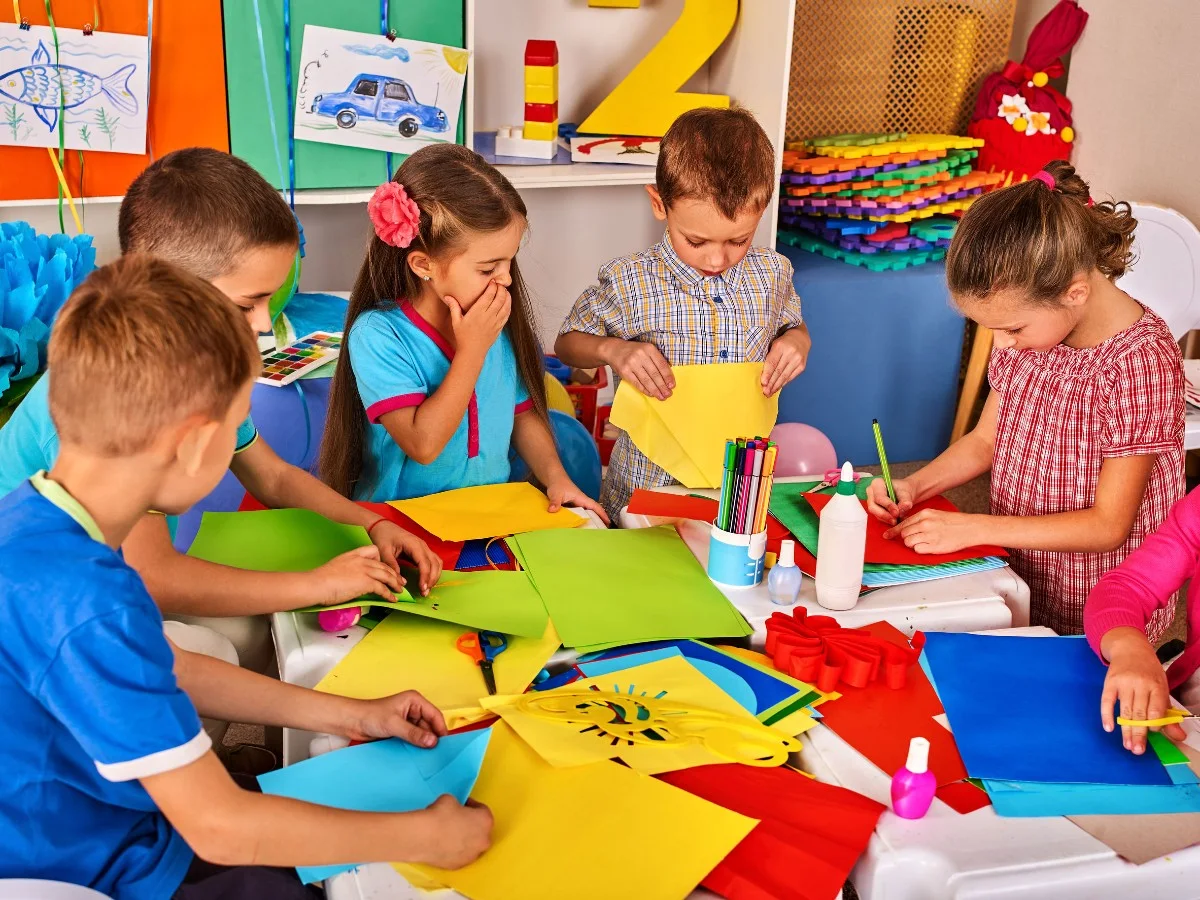
Independence develops when students learn to take responsibility for their actions and decisions. These activities promote self-reliance in a gradual and age-appropriate way.
Decision-Making Scenarios
Students are given real-life dilemmas and asked to choose solutions, explaining their reasoning.
How it helps:
It teaches accountability and logical thinking.
Time Management Challenges
Students plan a daily or weekly schedule that balances study, hobbies, and rest.
How it helps:
They learn prioritization and self-discipline.
Responsibility-Based Tasks
Assigning classroom duties such as organizing materials or leading activities encourages ownership.
How it helps:
Students understand the value of contribution and reliability.
Benefits of Life Skills Activities for Students

The impact of life skills learning goes beyond immediate results. When practiced consistently, these activities shape long-term behavior and mindset.
Emotional and Mental Well-Being
Students who understand their emotions and communicate effectively experience less stress and anxiety.
Better Academic Engagement
Confidence and clarity improve participation, concentration, and overall learning outcomes.
Stronger Social Relationships
Students develop respect, empathy, and teamwork, creating a positive social environment.
Readiness for Real Life
Life skills prepare students for responsibilities beyond the classroom, whether in higher education or future careers.
Challenges in Implementing Life Skills Activities

Despite their importance, life skills education faces certain challenges that educators and parents must address thoughtfully.
Time Constraints
Busy academic schedules often leave limited space for non-academic learning.
Solution:
Integrating life skills into daily lessons rather than treating them as separate sessions.
Lack of Awareness
Some still believe life skills develop naturally without guidance.
Solution:
Highlighting how structured activities enhance natural growth more effectively.
Measuring Progress
Life skills are not easily assessed through exams.
Solution:
Using observations, reflections, and real-life behavior as indicators of growth.
Role of Schools, Parents, and Educators

Life skills development works best when supported at every level.
In a supportive school in india, life skills learning can be woven into classroom culture, co-curricular activities, and daily interactions. Educators guide students with patience and consistency, while parents reinforce these lessons at home through open communication and trust.
It is important to remember that life skills are not taught through lectures alone. They are learned through experience, reflection, and encouragement.
Conclusion: Preparing Students for Life, Not Just Exams
Education should empower students to face life with confidence, communicate with clarity, and act independently with responsibility. Life skills activities make this possible by transforming everyday experiences into valuable lessons.
By practicing decision-making, communication, and self-awareness, students gain tools that stay with them long after school years end. These skills help them adapt, grow, and succeed in a world that constantly evolves.
When schools and families work together to prioritize life skills alongside academics, they nurture not just successful students—but capable human beings ready for life’s real challenges.
Frequently Asked Questions (FAQs)
1. At what age should life skills activities be introduced to students?
Life skills activities can begin as early as primary school with simple habits like sharing, listening, and self-care. As students grow older, activities can gradually include decision-making, leadership, and problem-solving to match their developmental stage.
2. How often should students practice life skills activities for real impact?
Consistency matters more than duration. Practicing life skills activities once or twice a week through short, engaging sessions is enough to create lasting behavioral change over time.
3. Can life skills activities help introverted or shy students?
Yes, structured life skills activities are especially beneficial for introverted students. They provide safe, guided opportunities to express thoughts, build confidence, and participate without pressure or comparison.
4. Are life skills activities effective in online or hybrid learning environments?
Life skills activities can be adapted for online learning through virtual discussions, digital role-plays, reflective journaling, and group collaboration tools, making them effective even outside physical classrooms.
5. How can parents support life skills development at home?
Parents can encourage life skills by involving children in daily decisions, assigning age-appropriate responsibilities, listening actively, and allowing children to learn from small mistakes in a supportive environment.
6. Do life skills activities influence career readiness in the long term?
Yes, students who develop life skills early often show better adaptability, leadership, and problem-solving abilities later in life, which directly supports career readiness and professional growth.