



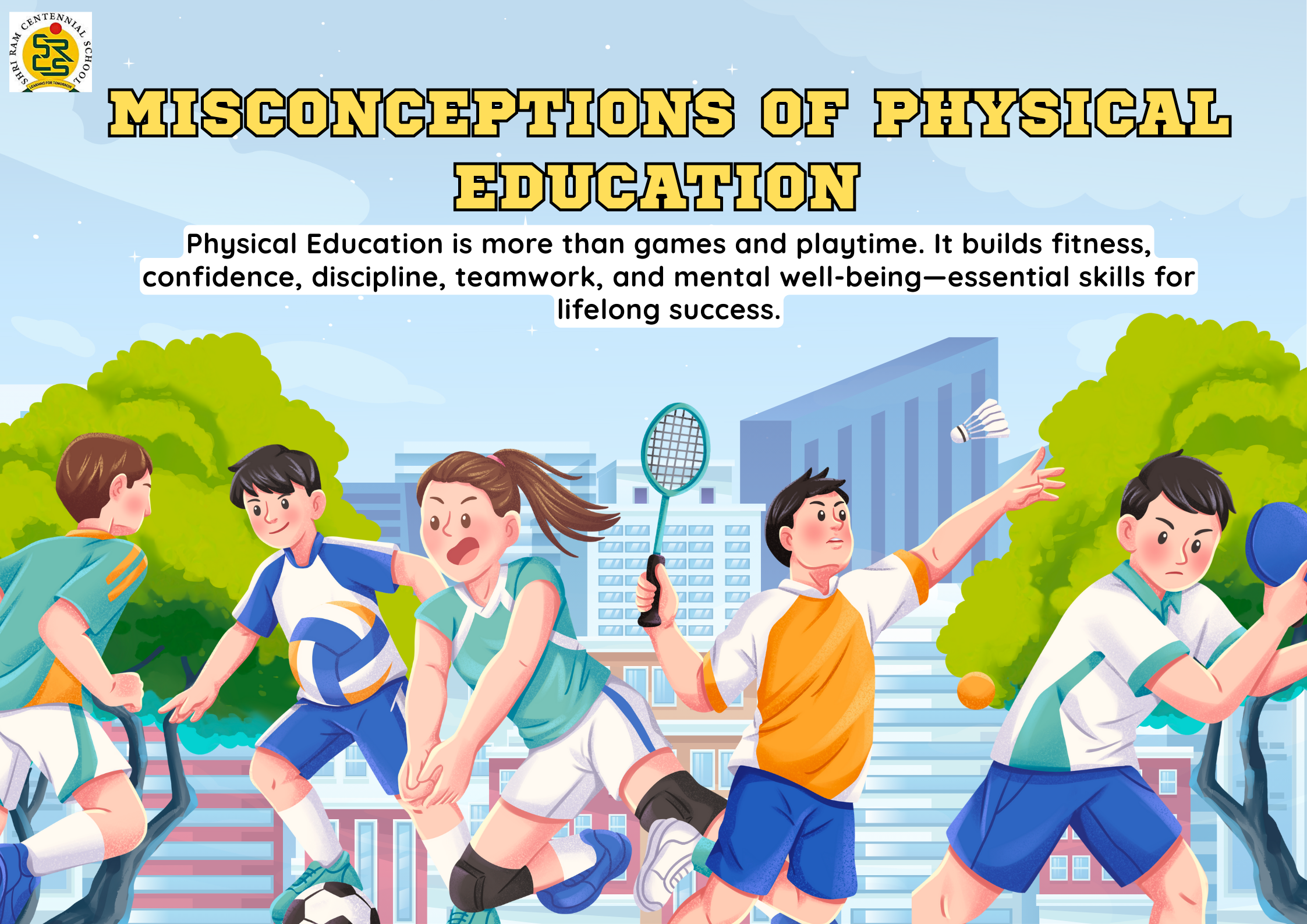
Physical Education (PE) has been part of school education for generations, yet its purpose is often misunderstood. Many people associate it only with strict drills, competitive sports, or a casual break from academic subjects, overlooking its structured and educational value. These outdated perceptions fail to reflect how modern physical education has evolved into a well-planned discipline that supports physical health, mental well-being, social development, and learning readiness.
By examining the common misconceptions of physical education alongside its actual role in today’s schools—covering its objectives, benefits, challenges, and continuous development—we gain a clearer understanding of why PE is an essential subject that contributes meaningfully to a student’s overall growth.
Table of Contents
ToggleUnderstanding Physical Education in Today’s Schools
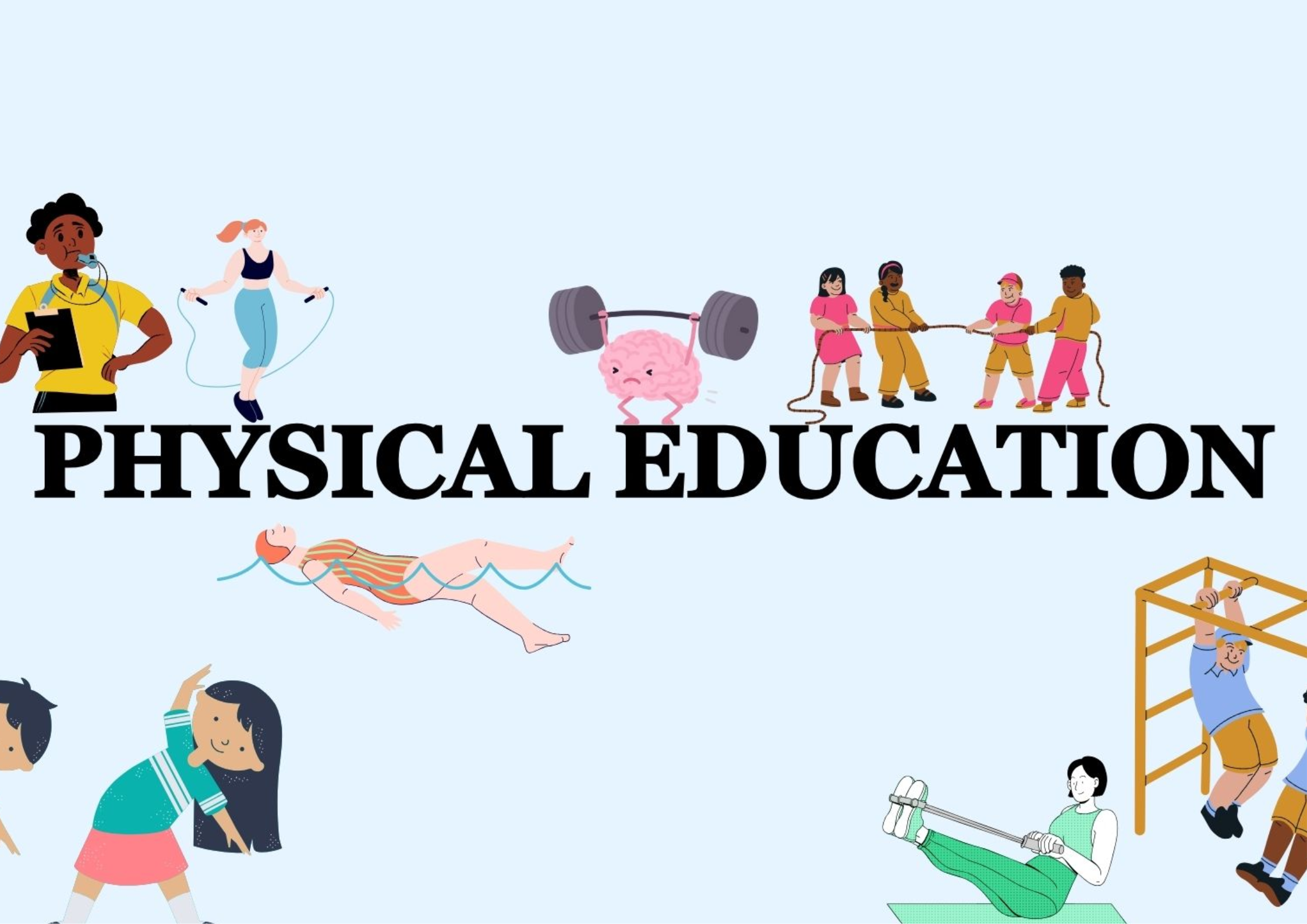
Physical education today is not limited to running laps or playing a single sport. It has evolved into a structured discipline designed to support physical, mental, emotional, and social development. Modern PE programs are guided by learning outcomes, safety standards, and age-appropriate activities.
Schools now use physical education to teach movement skills, teamwork, discipline, self-awareness, and healthy lifestyle habits. When viewed correctly, PE is not separate from education—it is a vital part of it.
Common Myths About Physical Education
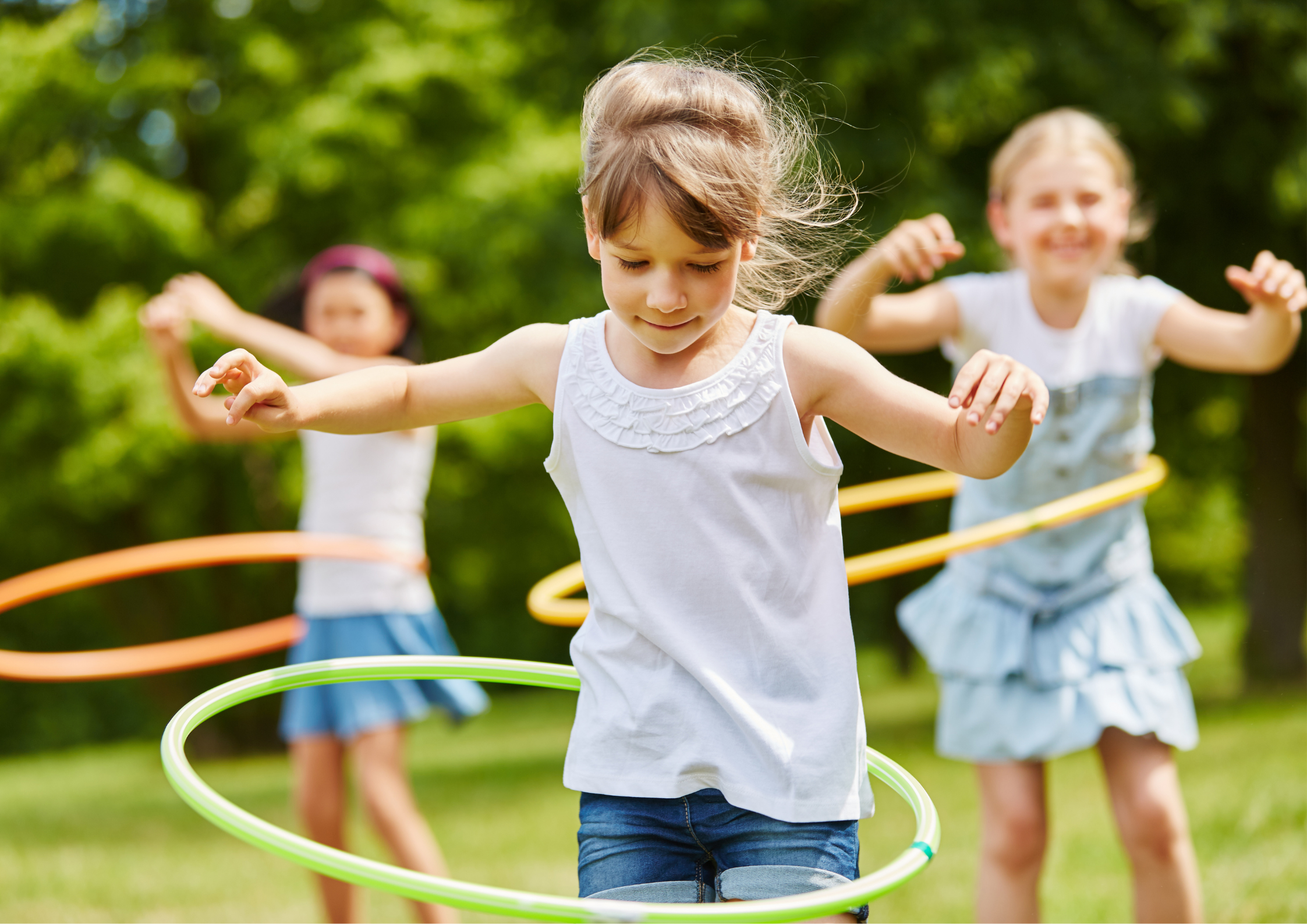
Despite its evolution, outdated beliefs still influence how students and parents perceive PE. Let’s look at some of the most common myths.
Myth 1: Physical Education Is Only About Sports
One of the strongest misconceptions is that PE exists only for students who enjoy competitive sports. In reality, sports are just one tool among many. Physical education includes flexibility exercises, balance training, yoga, fitness routines, posture awareness, and recreational movement designed for all ability levels.
Myth 2: PE Has No Academic Value
Another common belief is that physical education does not contribute to academic success. This assumption overlooks how movement supports concentration, memory, and emotional regulation. Schools increasingly recognize that learning does not happen only at desks.
Myth 3: Physical Education Is Optional or Less Important
Some parents and students treat PE as a filler subject that can be skipped without consequence. However, modern education frameworks consider physical education essential for long-term health and personal development, not just short-term enjoyment.
Myth 4: PE Is Only for Younger Students
There is a perception that physical education loses relevance as students grow older. In fact, structured physical activity becomes even more important during adolescence, when lifestyle habits are formed and academic pressure increases.
The Reality of Physical Education in Modern Learning
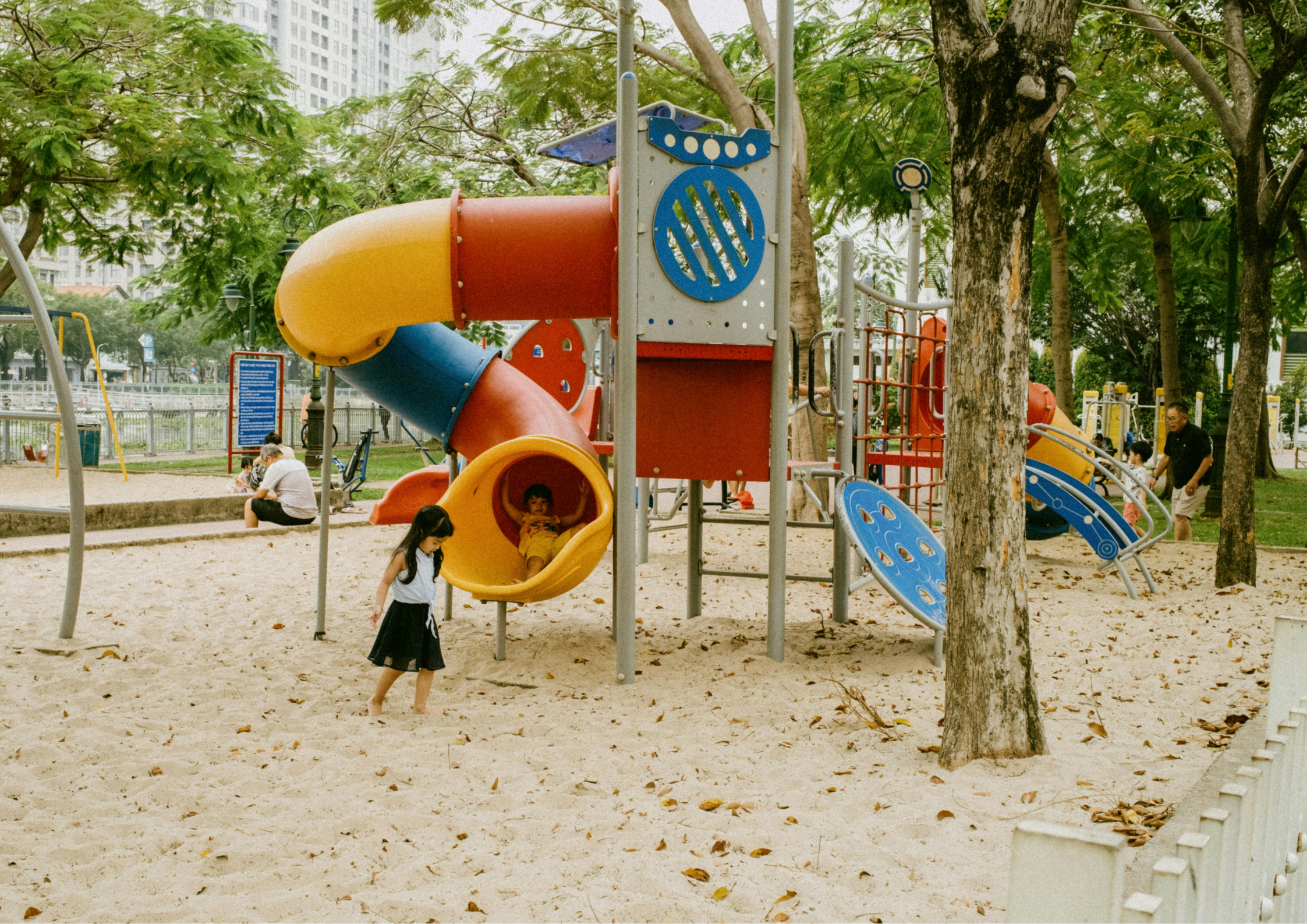
When myths are removed, the real purpose of PE becomes clear.
A Structured Learning Discipline
Physical education follows a planned curriculum, just like mathematics or science. Students are assessed on skills, participation, understanding of rules, teamwork, and personal progress rather than just performance.
Inclusive for All Students
Modern PE programs are designed to include students of all body types, fitness levels, and abilities. Activities are adapted so that everyone can participate meaningfully without fear of comparison or embarrassment.
Focus on Lifelong Habits
Rather than training professional athletes, schools focus on helping students understand movement, body awareness, and health. This approach encourages habits that students can carry into adulthood.
Educational and Developmental Benefits
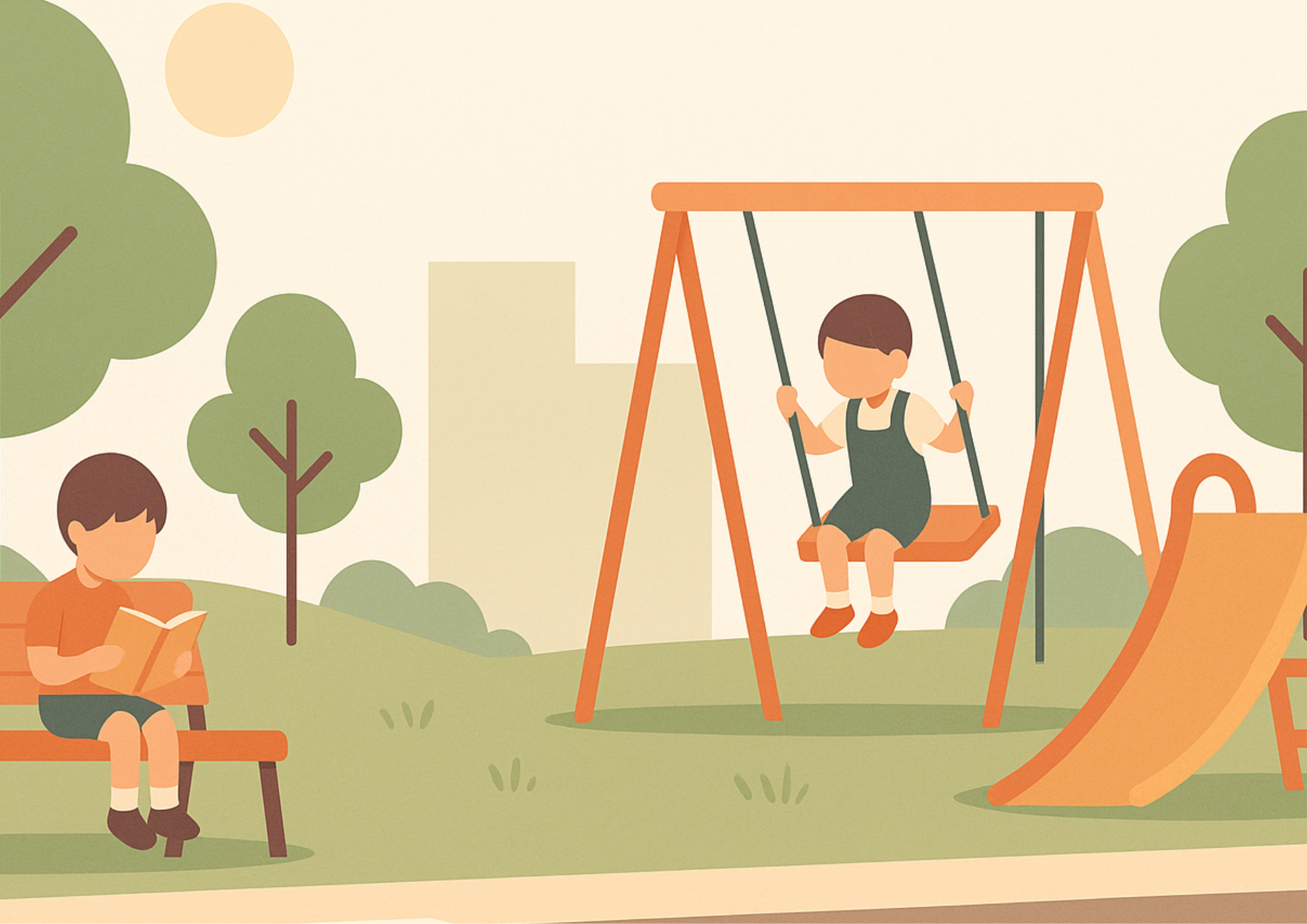
The value of physical education goes far beyond physical fitness. Its benefits are multidimensional and long-lasting.
Physical Well-Being
Regular movement improves strength, coordination, endurance, and posture. It also supports healthy growth patterns during childhood and adolescence. Understanding the Importance of Physical Activity at a young age helps students build a positive relationship with their bodies.
Mental and Emotional Growth
Physical activity helps reduce stress, anxiety, and emotional fatigue. PE classes provide a safe outlet for releasing tension, especially during academically demanding school days.
Social Skills and Teamwork
Through group activities, students learn cooperation, leadership, respect, and communication. These experiences shape how they interact with others both inside and outside the classroom.
Improved Focus and Learning Readiness
Students who engage in regular physical movement often show better focus, classroom behavior, and readiness to learn. PE supports academic performance indirectly by preparing the mind for learning.
Challenges That Shape Misunderstandings
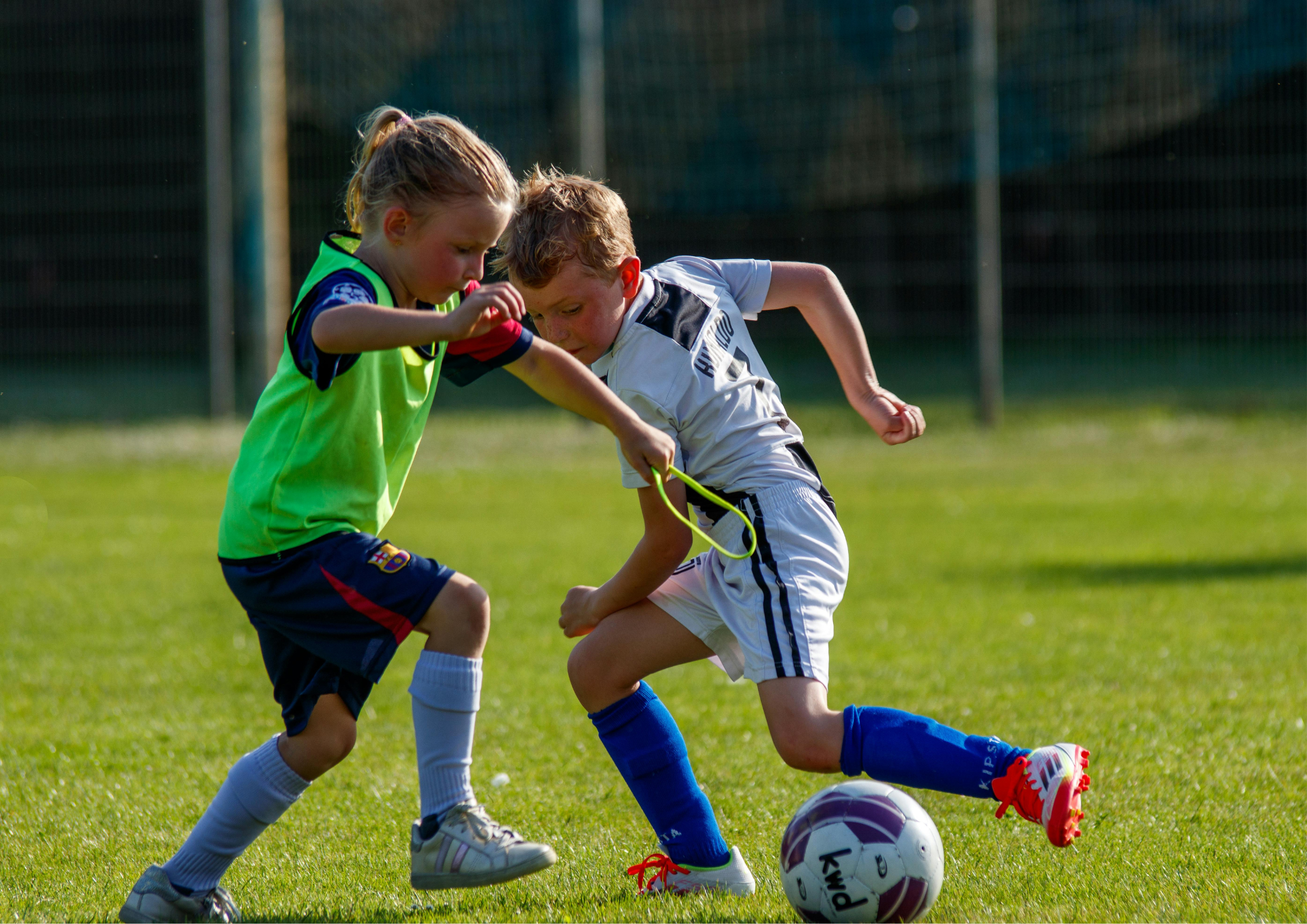
While physical education offers many benefits, certain challenges contribute to ongoing misconceptions.
Limited Time Allocation
In some schools, PE periods are fewer compared to academic subjects. This imbalance can make it appear less important, even though its impact remains significant.
Inconsistent Teaching Quality
When PE is not taught by trained professionals, its purpose can be diluted. Quality instruction plays a key role in how students perceive the subject.
Pressure of Academic Competition
In highly competitive academic environments, physical education may be pushed aside to make room for exam preparation. This creates the false idea that movement and learning cannot coexist.
Lack of Awareness Among Parents
Parents who grew up with outdated PE systems may not realize how much the subject has changed. Without proper communication from schools, old beliefs continue.
How Schools Are Redefining Physical Education
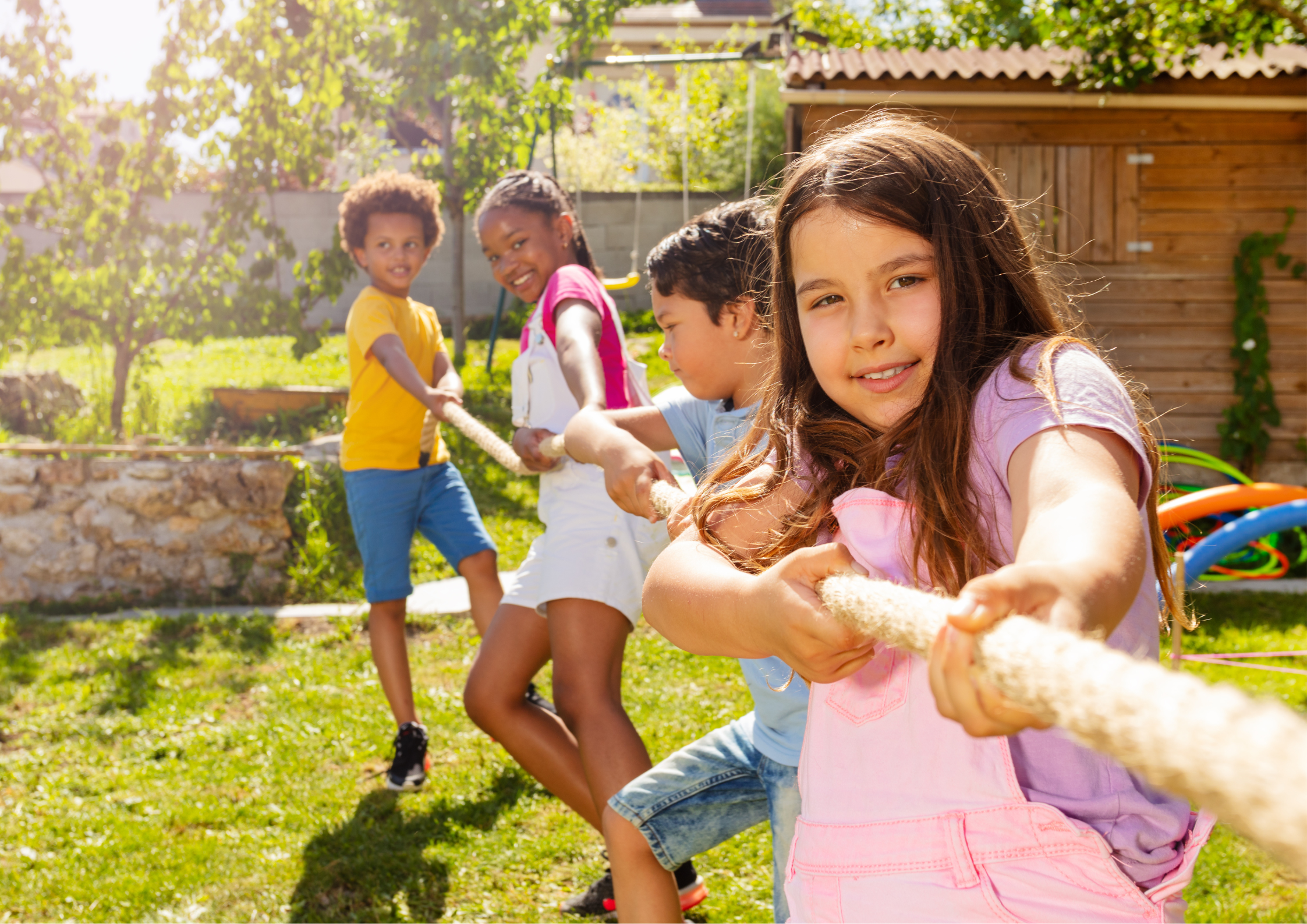
Many institutions are actively reshaping PE to reflect modern educational needs.
Integrated Learning Approach
Some schools integrate physical movement with classroom learning, using activity-based methods to reinforce concepts. This approach bridges the gap between physical and academic education.
Focus on Wellness, Not Competition
Instead of emphasizing winning or comparison, schools now highlight personal progress, wellness, and enjoyment. This shift makes PE more approachable for all students.
Professional Training and Safety
Certified instructors, proper equipment, and safety protocols ensure that physical education is both effective and secure, addressing concerns about injuries or mismanagement.
It is often these thoughtful approaches that distinguish a progressive institution, including what many parents look for when evaluating the best school in india for overall development.
The Role of Parents and Educators
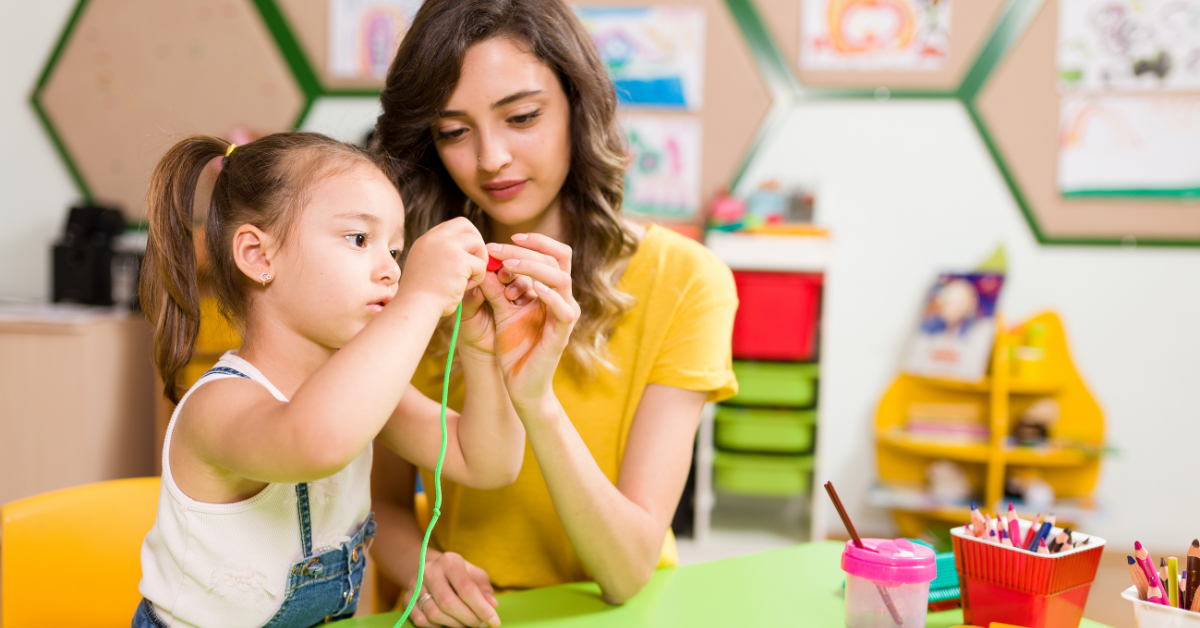
Changing perceptions about physical education requires collective effort.
Encouraging Balanced Development
Parents can support PE by valuing it as much as academic subjects and encouraging active routines at home.
Open Communication
Educators should clearly explain PE objectives, assessment methods, and benefits so families understand its role in education.
Leading by Example
When adults model active lifestyles and positive attitudes toward movement, students are more likely to adopt similar habits.
Conclusion: Seeing Physical Education Clearly
Physical education is no longer a side activity or a break from learning—it is learning. The misconceptions surrounding it often stem from outdated experiences and incomplete understanding. When viewed through the lens of modern education, PE emerges as a powerful tool that supports physical health, emotional balance, social skills, and academic readiness.
By moving beyond myths and recognizing reality, schools, parents, and students can work together to give physical education the respect it deserves. In doing so, they help shape healthier, more confident individuals prepared not just for exams, but for life beyond the classroom.
Frequently Asked Questions
1. Why do misconceptions about physical education still exist in schools?
Misconceptions persist mainly due to outdated teaching methods, lack of awareness, and the belief that academic subjects are more important than physical development.
2. How has physical education changed in modern schools?
Modern physical education focuses on overall wellness, mental health, fitness awareness, teamwork, and lifelong healthy habits rather than only competitive sports.
3. Can physical education support academic performance?
Yes, regular physical activity improves concentration, memory, classroom behavior, and stress management, which indirectly supports academic learning.
4. Is physical education suitable for all students, regardless of fitness level?
Modern PE programs are inclusive and designed for students of all abilities, ensuring participation, safety, and personal growth rather than comparison.
5. What role do parents play in changing perceptions of physical education?
Parents help by valuing physical education equally, encouraging active lifestyles at home, and understanding its long-term benefits for health and learning.