




Education today is no longer limited to blackboards and textbooks. With rapid technological advancement, schools across India are adopting smart classrooms to create more engaging, interactive, and effective learning environments. Smart classrooms are not just about using digital screens—they represent a complete shift in how students understand, retain, and apply knowledge.
By blending traditional teaching with modern technology, smart classrooms are helping students learn better, stay focused, and develop skills needed for the future.
What Are Smart Classrooms?
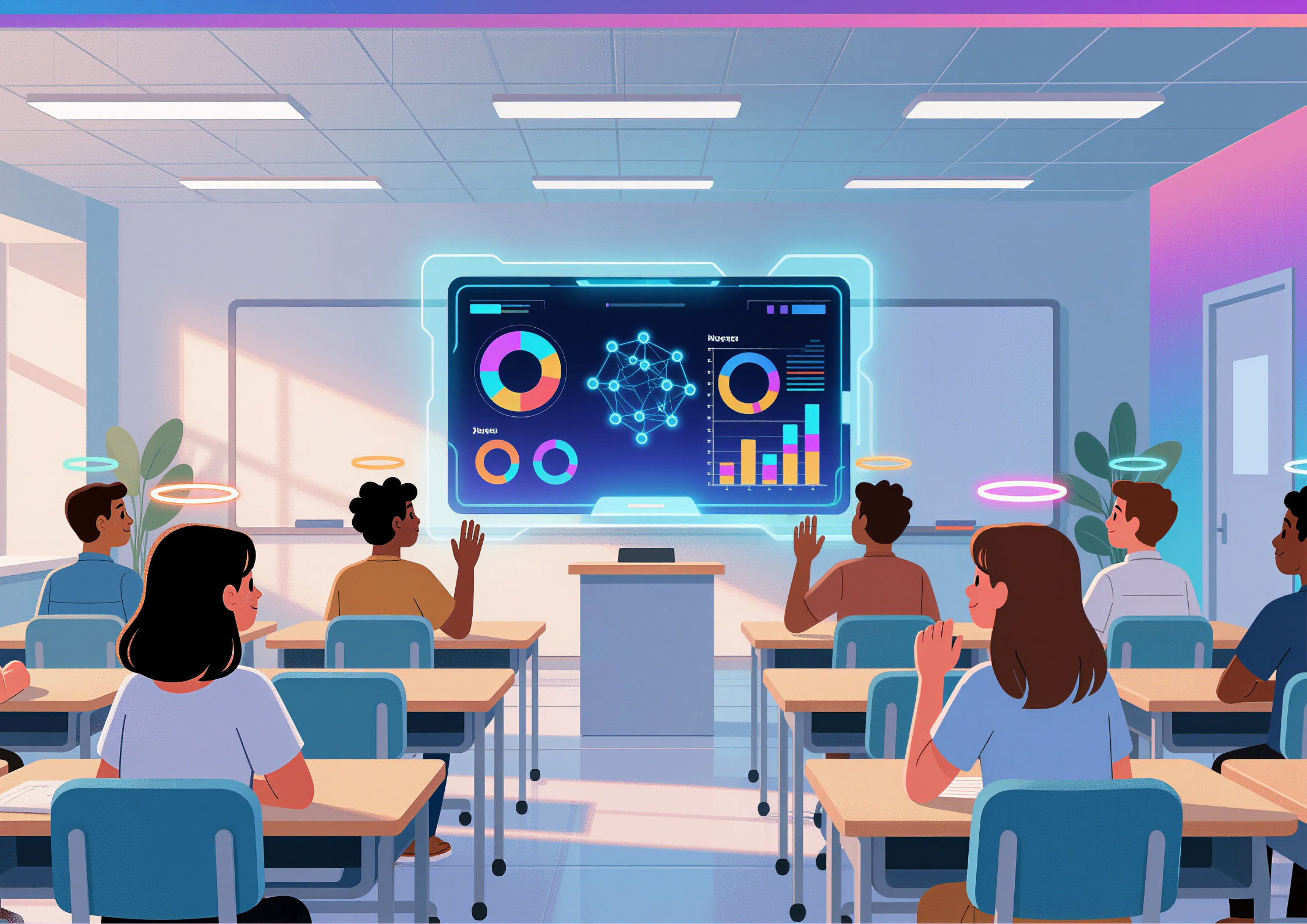
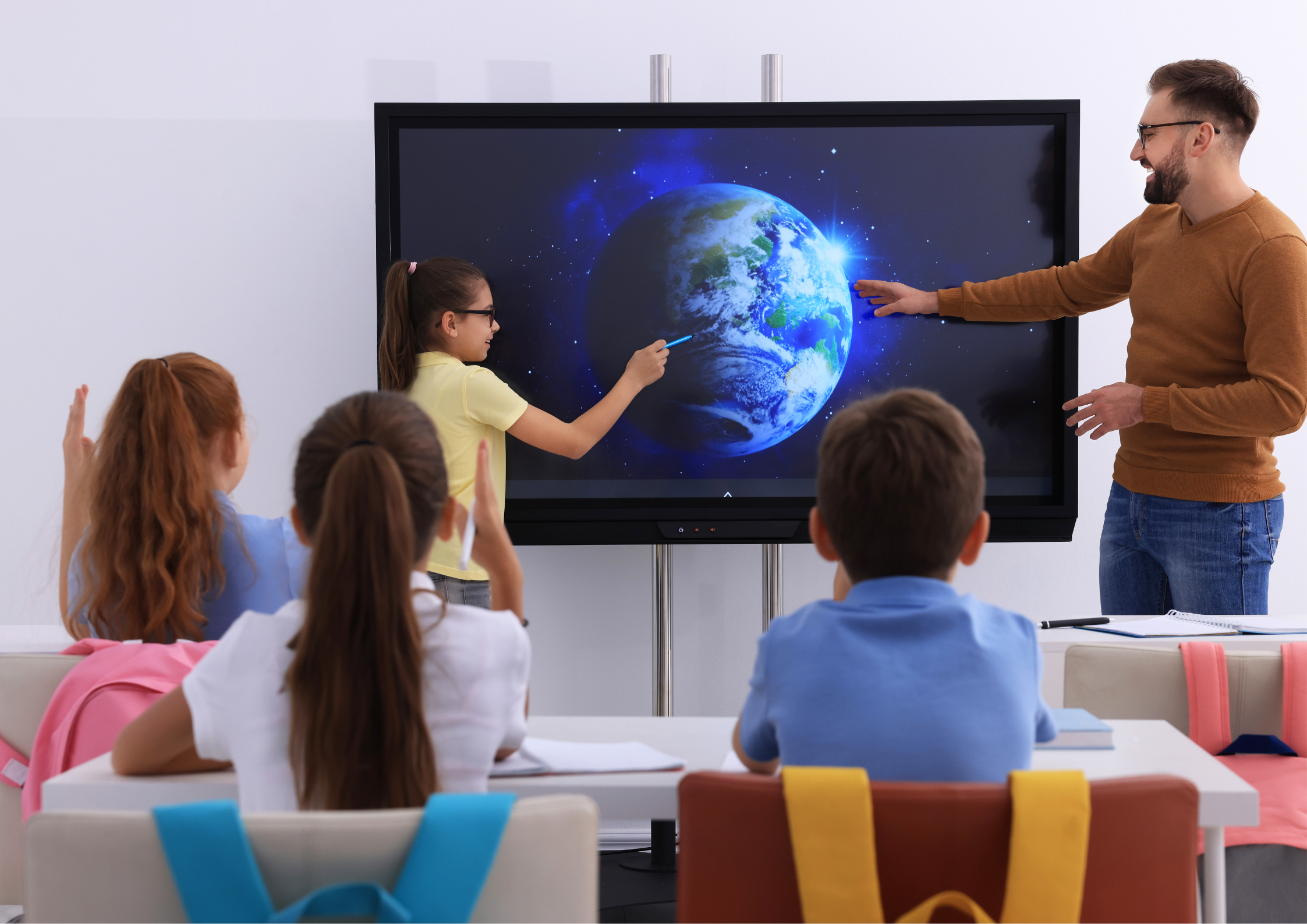
Smart classrooms are technology-enabled learning spaces that use digital tools such as interactive boards, projectors, educational software, videos, and online resources to enhance teaching and learning.
Instead of one-way teaching, smart classrooms encourage two-way interaction, visual learning, and active student participation. Teachers act as facilitators while students become more involved in the learning process.
Key Features of Smart Classrooms
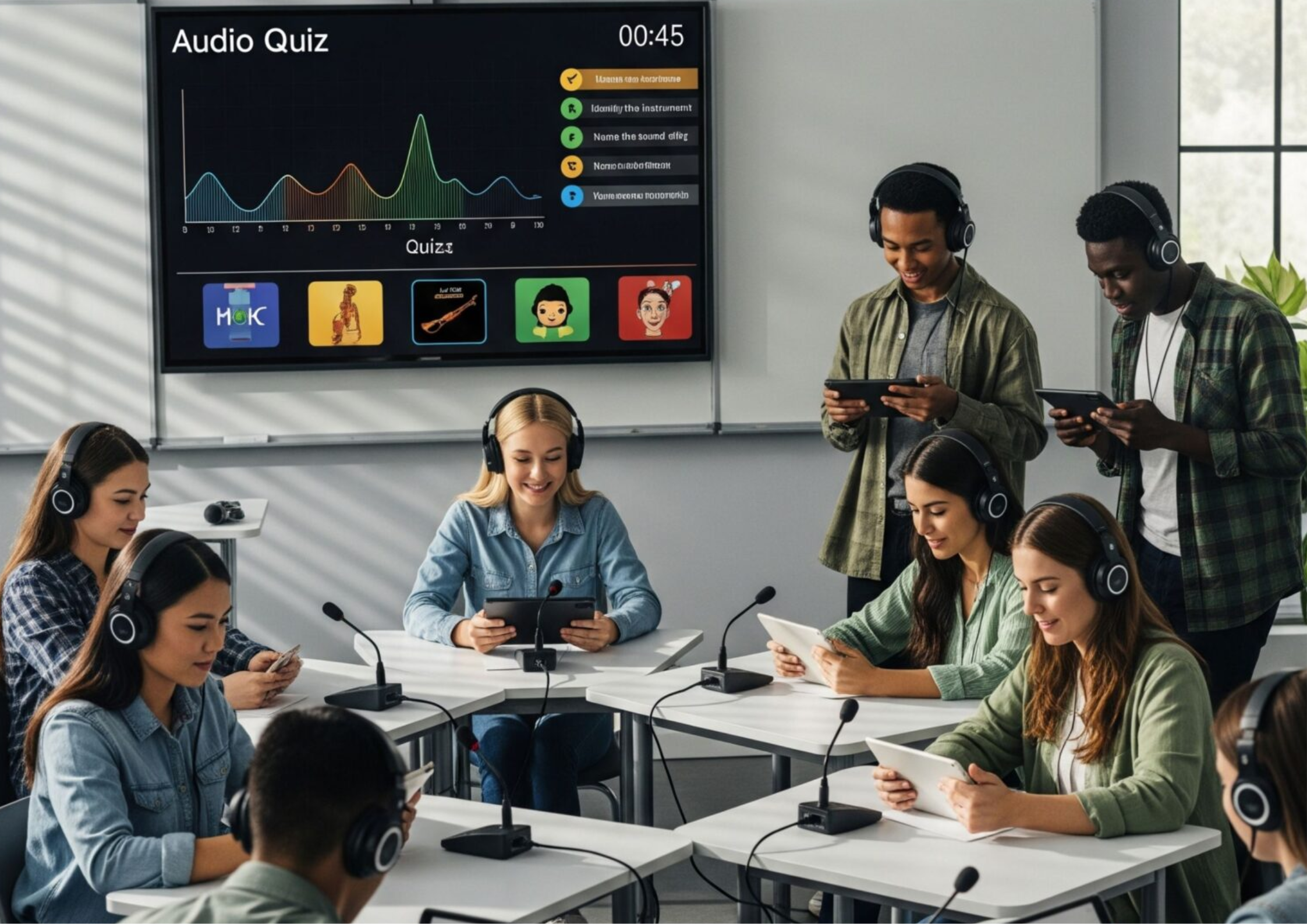
Smart classrooms are designed to make learning simpler and more effective. Common features include:
-
Interactive smart boards
-
Audio-visual learning content
-
Digital presentations and animations
-
Online assessments and quizzes
-
Real-time doubt-solving
-
Access to recorded lessons
These features help students understand complex concepts more easily.
Benefits of Smart Classrooms for Students
1️⃣ Better Concept Clarity
Visual explanations, animations, and real-life examples help students understand topics faster than traditional chalk-and-talk methods.
2️⃣ Increased Student Engagement
Interactive lessons keep students attentive and curious, reducing boredom and classroom distractions.
3️⃣ Learning at an Individual Pace
Recorded lessons and digital resources allow students to revise topics as per their learning speed.
4️⃣ Improved Academic Performance
Students who understand concepts clearly perform better in exams and classroom assessments.
5️⃣ Enhanced Digital Skills
Early exposure to technology helps students develop digital literacy, preparing them for higher education and future careers.
Advantages of Smart Classrooms for Teachers
Smart classrooms also support teachers by:
-
Making lesson delivery more effective
-
Saving time through pre-prepared digital content
-
Helping explain difficult topics visually
-
Tracking student progress digitally
-
Encouraging innovative teaching methods
Teachers can focus more on student understanding rather than repetitive explanations.
Smart Classrooms vs Traditional Classrooms
| Aspect | Traditional Classroom | Smart Classroom |
|---|---|---|
| Teaching Style | One-way teaching | Interactive learning |
| Learning Method | Text-based | Audio-visual & digital |
| Student Engagement | Limited | High |
| Concept Clarity | Depends on explanation | Enhanced with visuals |
| Revision Support | Limited | Recorded lessons |
Role of Smart Classrooms in Student Skill Development

Smart classrooms do more than improve academics. They help students develop:
-
Critical thinking skills
-
Problem-solving ability
-
Communication skills
-
Confidence in expressing ideas
-
Collaboration and teamwork
These skills are essential for success beyond school.
Are Smart Classrooms Suitable for All Age Groups?
Yes. Smart classrooms benefit students across all levels:
-
Primary students learn better through visuals and storytelling
-
Middle school students develop stronger conceptual understanding
-
Senior students benefit from exam-oriented digital resources and revision tools
When used correctly, smart classrooms enhance learning at every stage.
Common Misconceptions About Smart Classrooms
❌ “Smart classrooms replace teachers”
✔ Teachers remain central to learning; technology only supports them.
❌ “Technology distracts students”
✔ When used properly, it increases focus and engagement.
❌ “Smart classrooms are only for elite schools”
✔ Today, many schools across India are adopting smart learning gradually and affordably.
Challenges in Implementing Smart Classrooms
While beneficial, smart classrooms also require:
-
Proper teacher training
-
Balanced screen usage
-
Reliable infrastructure
-
Age-appropriate content
Schools that focus on meaningful usage, not just technology display, see the best results.
Why Smart Classrooms Are the Future of Education
Smart classrooms prepare students for a world driven by technology and innovation. They bridge the gap between theory and practical understanding, making learning more relevant and enjoyable.
As education continues to evolve, smart classrooms will play a vital role in shaping confident, capable, and future-ready learners.
Conclusion
Smart classrooms are transforming education by making learning interactive, engaging, and effective. When combined with skilled teachers and structured teaching methods, smart classrooms create an environment where students truly understand concepts and enjoy learning.
For schools aiming to prepare students for the future, smart classrooms are no longer an option—they are a necessity.
FAQs: Smart Classrooms
What is the main purpose of smart classrooms?
The main purpose is to improve understanding, engagement, and learning outcomes through technology-supported teaching.
Do smart classrooms improve exam performance?
Yes, better concept clarity and revision support often lead to improved academic results.
Are smart classrooms safe for children?
Yes, when screen time is balanced and content is age-appropriate.
Do smart classrooms increase student interest in learning?
Interactive and visual lessons naturally make learning more interesting for students.
Can smart classrooms replace textbooks completely?
No, smart classrooms complement textbooks rather than replace them.