


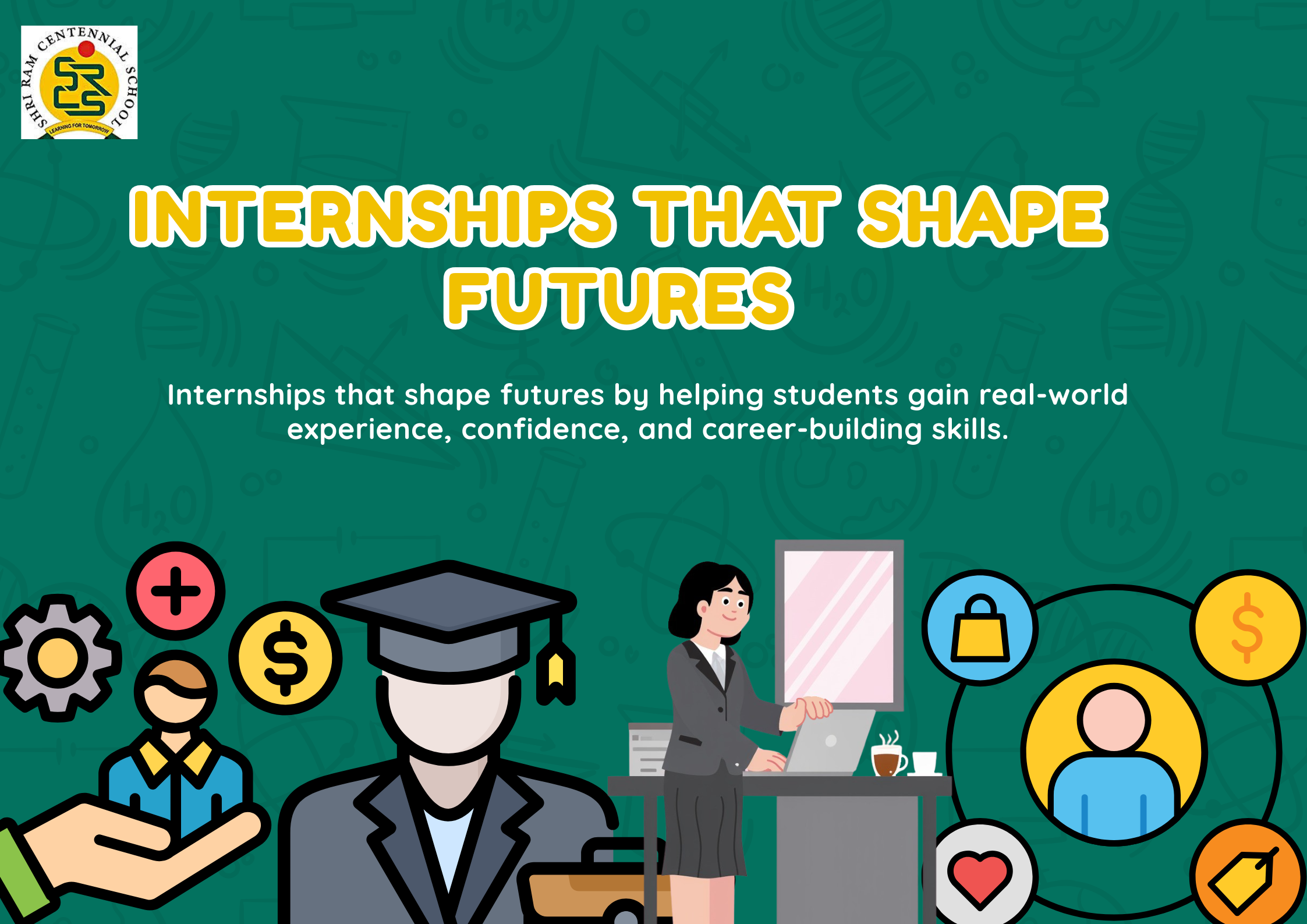
In today’s rapidly evolving academic and professional landscape, education alone is no longer enough to prepare students for long-term career success. While classrooms build foundational knowledge, the practical application of that knowledge happens beyond textbooks and examinations. This is where internships play a critical role.
This article explores how internships contribute to career development, examines their advantages and challenges, and explains why real-world exposure is a defining factor in building a successful future.
What Is an Internship?

An internship is a structured work-based learning experience offered by organizations to students or recent graduates for a fixed period. These opportunities may be paid or unpaid, short-term or long-term, and can be part-time or full-time depending on the academic stage and industry.
Internships are designed to introduce learners to professional environments while allowing them to apply theoretical concepts in real situations. Unlike full-time employment, internships focus on learning, observation, and guided participation.
Why Internships Matter in Modern Education
As industries become more skill-oriented, employers increasingly look beyond academic scores. They value adaptability, communication, problem-solving, and industry awareness—skills best developed through exposure to real workplaces.
Many education systems worldwide, including progressive curriculum models followed by several school in india, now encourage early exposure to internships and vocational learning to help students make informed career decisions.
How Real-World Experience Shapes Career Readiness

1) Connecting Theory with Practice
One of the most significant contributions of internships is the opportunity to apply classroom knowledge in real scenarios. Concepts learned in textbooks gain clarity when students see how they function in live projects, business operations, or research environments.
This practical understanding deepens learning and helps students retain knowledge more effectively.
2) Exposure to Workplace Culture
Internships introduce students to professional etiquette, workplace ethics, time management, and team collaboration. Understanding how organizations function—hierarchies, communication channels, and accountability—prepares students for smoother transitions into full-time roles later.
3) Early Career Exploration
Internships allow students to test career paths before committing to them. A student interested in marketing, engineering, healthcare, or education gains first-hand exposure, helping them evaluate whether their interests align with real job demands.
This early clarity often prevents future career dissatisfaction and frequent job changes.
Key Benefits of Internships for Students
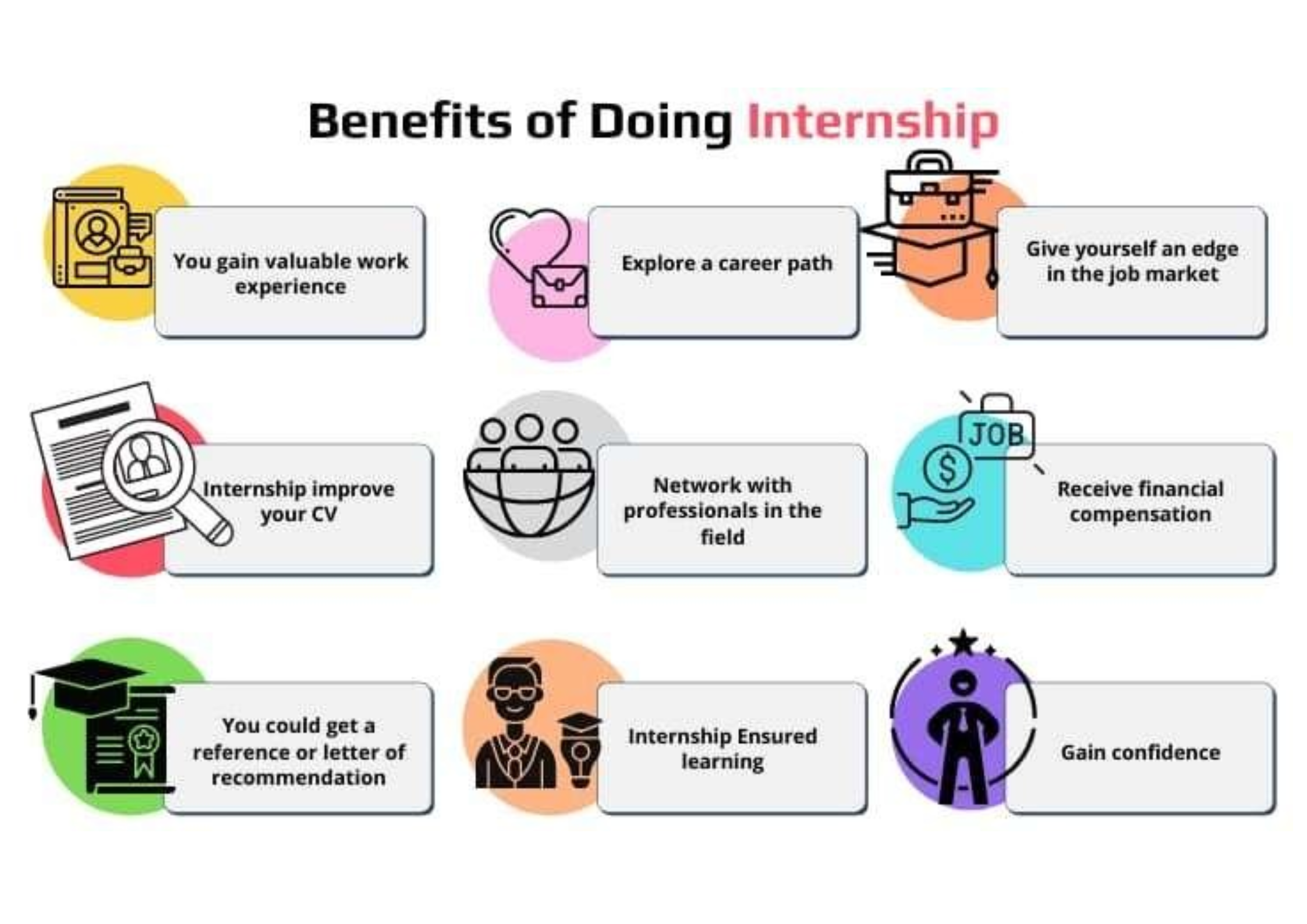
Skill Development Beyond Academics
Internships help students develop practical skills such as communication, teamwork, analytical thinking, and problem-solving. These transferable skills are valuable across industries and remain relevant throughout a professional career.
Improved Confidence and Independence
Working in real environments builds confidence. Students learn to take responsibility, meet deadlines, and handle feedback—experiences that strengthen emotional resilience and professional maturity.
Stronger Employability
Graduates with internship experience often stand out in job applications. Employers value candidates who understand workplace realities and require less initial training. Internships demonstrate initiative, discipline, and industry exposure.
Professional Networking Opportunities
Internships provide access to mentors, supervisors, and professionals who can offer guidance, references, and future job opportunities. Networking at an early stage can have long-term career benefits.
Adaptation to Digital Work Models
With evolving work patterns, students are increasingly exposed to hybrid and virtual roles. The Benefits of Online Internships include flexibility, global exposure, and access to industries beyond geographical limitations, especially for students balancing academics alongside skill development.
Challenges and Limitations of Internships
1) Limited Availability and Competition
High-quality internships can be competitive, especially in popular industries. Not all students gain access to structured learning experiences, which can create unequal opportunities.
2) Unpaid or Low-Paid Roles
Some internships do not offer financial compensation, making them inaccessible to students who need to support themselves. This remains a concern for inclusive education systems.
3) Mismatch Between Expectations and Reality
At times, internships may involve routine tasks rather than meaningful learning. Without proper supervision, students may feel underutilized or disengaged.
4) Balancing Academics and Work
Managing academic responsibilities alongside internships can be challenging. Poor time management may lead to stress or reduced academic performance if not carefully planned.
Role of Parents and Educators in Internship Success

- Guidance and Career Counseling
Parents and educators play a vital role in helping students choose internships aligned with their interests and strengths. Proper guidance ensures that internships contribute meaningfully to long-term goals.
- Encouraging Skill-Based Learning
Educators can integrate internship reflections, project work, and assessments into academic frameworks. This reinforces learning outcomes and encourages students to view internships as educational extensions rather than distractions.
- Promoting Ethical and Safe Work Environments
Institutions must ensure that students are placed in safe, ethical, and supportive environments where learning is prioritized over exploitation.
How Internships Influence Long-Term Career Growth

Internships do more than improve short-term employability. They shape professional attitudes, work ethics, and career confidence. Students who complete internships often enter the workforce with realistic expectations, clearer goals, and stronger adaptability.
Early exposure to professional challenges helps individuals handle pressure, accept feedback constructively, and continuously upskill—qualities essential for sustained career success in any field.
Conclusion: Internships as a Foundation for Success
Internships have become a cornerstone of modern career preparation. By offering real-world exposure, practical skill development, and professional insight, they bridge the gap between education and employment.
While challenges exist, the long-term benefits of internships far outweigh their limitations when supported by informed guidance and structured learning. For students, internships provide clarity and confidence. For parents and educators, they represent a powerful tool to prepare learners for real-world success.
In a competitive global environment, internships are no longer optional—they are essential steps toward building capable, confident, and future-ready professionals.
Frequently Asked Questions (FAQs)
1. Why are internships important for students?
Internships help students gain practical experience, understand workplace expectations, and develop professional skills that improve career readiness.
2. At what stage should students start internships?
Students can begin internships during senior secondary school or early college years, depending on maturity, academic load, and career interests.
3. Are internships more valuable than academic grades?
Both are important. Academic grades show subject knowledge, while internships demonstrate practical skills, adaptability, and real-world exposure.
4. Do internships guarantee a job after graduation?
Internships do not guarantee jobs, but they significantly improve employability by enhancing skills, confidence, and professional networks.
5. How can students choose the right internship?
Students should select internships aligned with their interests, learning goals, and long-term career plans rather than focusing only on brand names.