



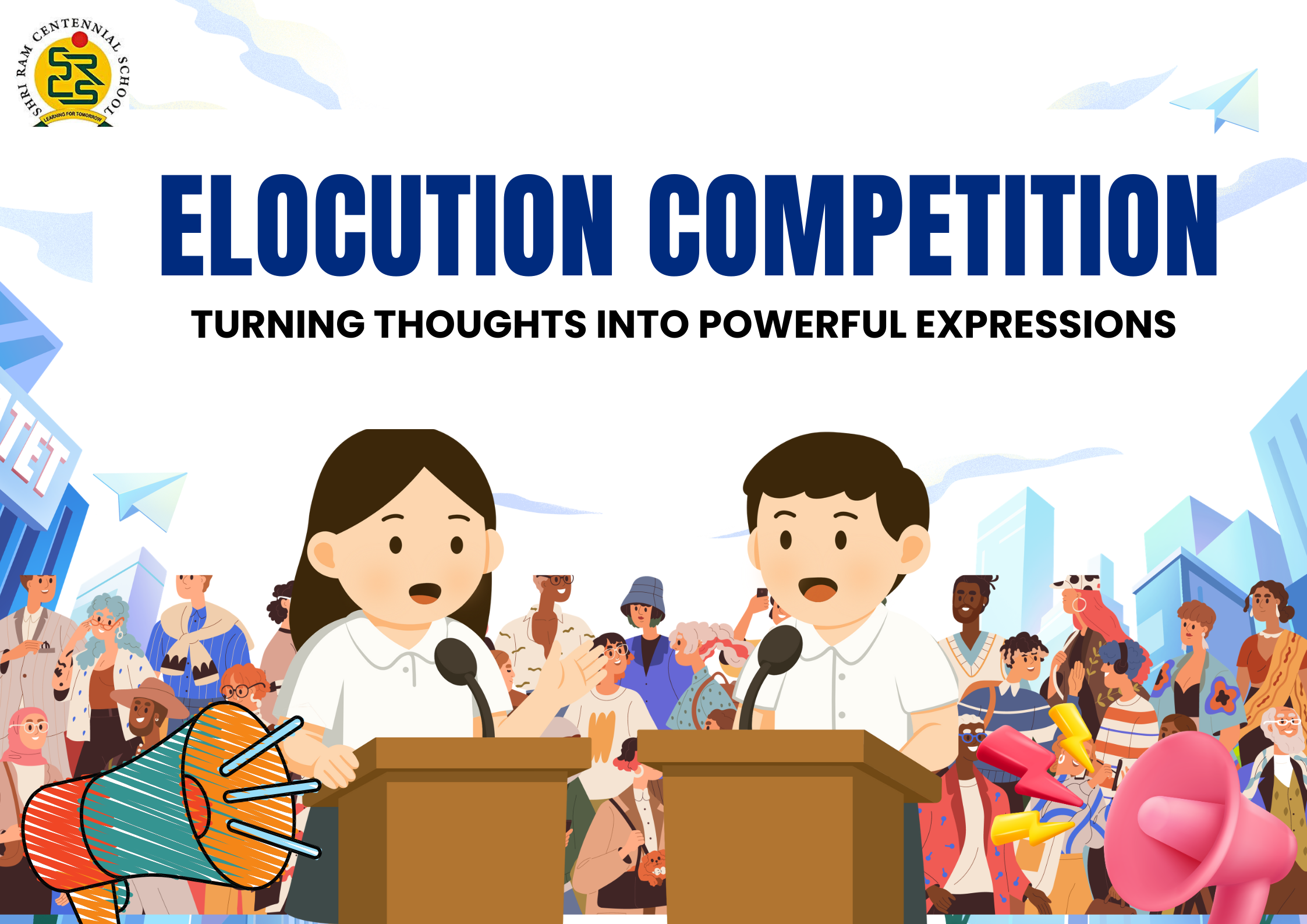
An elocution competition is more than a stage event where students recite speeches or poems. It is a quiet transformation that happens when a child learns to stand tall, speak clearly, and be heard without fear. For many students, this journey begins with trembling hands and hesitant voices, but it often ends with confidence that stays with them for life.
In classrooms, auditoriums, and assemblies across every school in India, elocution has become a meaningful way to help students express ideas, emotions, and opinions with clarity. This blog explores how elocution competitions work, why they matter, the benefits they offer, the challenges students face, and how these experiences shape learners far beyond the podium.
Table of Contents
ToggleUnderstanding an Elocution Competition

What Is an Elocution Competition?
An elocution competition is a structured speaking event where students present a prepared speech on a given topic within a fixed time. Unlike casual speaking, elocution focuses on articulation, voice modulation, clarity, expression, and confidence. The goal is not memorization alone, but effective delivery.
Participants may speak on social issues, inspirational themes, literature, or personal experiences. Each speech becomes a mirror of the student’s thought process and emotional intelligence.
Why Schools Encourage Elocution
Educational institutions value elocution because it strengthens communication in a formal yet creative setting. It encourages students to research topics, organize thoughts logically, and present them in a disciplined manner. These skills support academic growth while also nurturing personality development.
The Journey from Words to Confidence

Finding One’s Voice
Many students struggle with self-expression, especially in front of an audience. Elocution competitions offer a safe platform where students learn to trust their voice. Repeated practice helps them understand tone, pauses, and emphasis, making communication more natural and impactful.
Overcoming Stage Fear
Stage fright is one of the most common fears among children and adolescents. Standing before judges and peers can feel overwhelming. However, guided preparation and supportive feedback help students face this fear gradually. Each performance builds resilience and emotional strength.
Learning Through Preparation
Preparation is as important as performance. Students read, write, revise, and rehearse their speeches multiple times. This process improves vocabulary, sentence structure, and clarity of thought. Over time, students begin to enjoy expressing ideas rather than fearing judgment.
Benefits of Elocution Competition for Students

1) Improved Communication Skills
Clear speech, correct pronunciation, and expressive delivery are essential life skills. Elocution competitions refine these abilities and help students communicate confidently in academic and social settings without relying on scripted answers.
2) Boost in Self-Confidence
When students successfully present their thoughts, their self-belief grows. The applause, encouragement, and recognition they receive reinforce positive self-image. This confidence often reflects in classroom participation and peer interaction.
3) Enhanced Critical Thinking
Choosing a topic and forming a structured speech requires analysis and reasoning. Students learn to present arguments logically, support ideas with examples, and conclude effectively. These thinking skills support academic writing and problem-solving.
4) Better Listening and Observation
While participating, students also observe others. They learn from different speaking styles, perspectives, and techniques. This exposure sharpens listening skills and fosters respect for diverse viewpoints.
5) Academic and Career Readiness
Strong verbal expression supports success in interviews, debates, presentations, and leadership roles. The foundation built through elocution competitions prepares students for future academic challenges and professional environments where clear communication matters.
Role of Teachers and Parents
Guidance Without Pressure
Teachers play a vital role in mentoring students through topic selection, speech structure, and delivery techniques. Constructive feedback helps students improve without feeling discouraged. Parents, on the other hand, provide emotional support and encouragement at home.
Creating a Supportive Environment
When adults focus on effort rather than results, students feel safe to experiment and learn. A positive environment allows children to grow at their own pace while enjoying the learning process.
Common Challenges Faced by Students

Fear of Judgment
Many students worry about being judged for their accent, mistakes, or appearance. This fear can affect performance. Regular practice sessions and reassurance help students understand that mistakes are part of learning.
Language Barriers
Students who are not fluent speakers may feel hesitant to participate. Elocution competitions, when conducted inclusively, help such students gradually improve language skills and self-expression without comparison.
Memorization Pressure
Remembering long speeches can be stressful. Teaching students to understand content rather than memorize word by word reduces anxiety and improves natural delivery.
How Elocution Competitions Shape Holistic Growth

Building Emotional Intelligence
Speaking on meaningful topics helps students connect with emotions—their own and others’. They learn empathy, awareness, and sensitivity while addressing real-world issues through words.
Encouraging Discipline and Responsibility
Time limits, rules, and preparation schedules teach students discipline. They learn to manage time, practice regularly, and take responsibility for their performance.
Developing Leadership Qualities
Confident speakers often emerge as leaders. Elocution competitions help students express opinions respectfully, influence others positively, and take initiative in group discussions and activities..
Conclusion: Confidence That Lasts a Lifetime
Elocution competitions help students grow in ways that last far beyond the stage. By learning to express ideas clearly and manage nervousness, students build confidence, discipline, and self-awareness.
These experiences prepare them to communicate thoughtfully in academics and everyday life, making elocution a strong foundation for effective Public Speaking and lifelong self-expression
Frequently Asked Questions (FAQs)
1. What is an elocution competition?
An elocution competition is a speaking event where students deliver prepared speeches to develop clarity, expression, and confidence in communication.
2. Why are elocution competitions important for students?
They help students build confidence, improve communication skills, and express ideas clearly in academic and social settings.
3. At what age can students participate in elocution competitions?
Students can participate from primary classes onwards, with topics and expectations adjusted according to age and grade level.
4. How are students judged in an elocution competition?
Judging is usually based on clarity of speech, confidence, expression, voice modulation, content understanding, and overall presentation.
5. Does participating in elocution help in academics?
Yes, it improves vocabulary, critical thinking, classroom participation, and overall academic performance through better expression.