


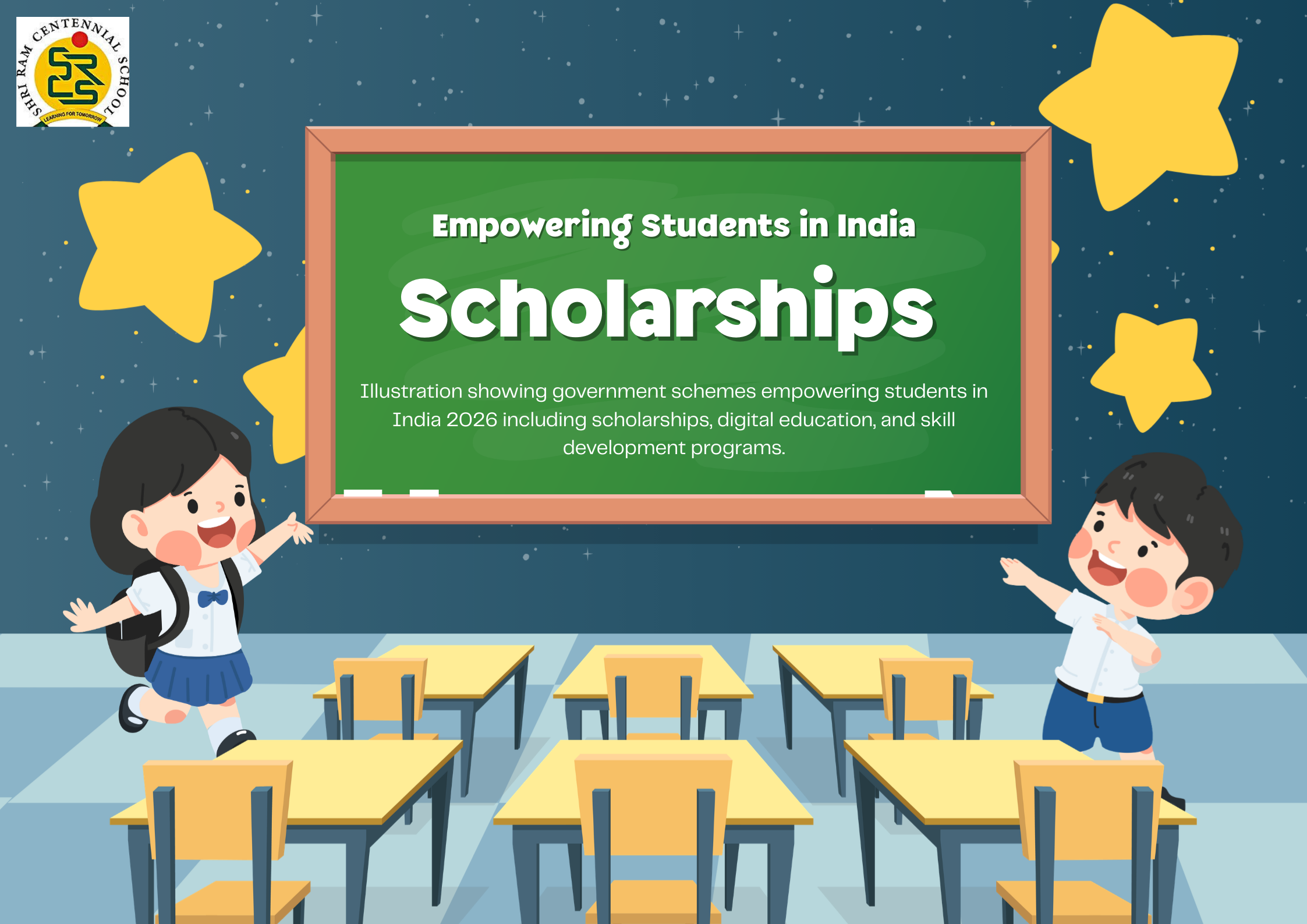
Education in India is evolving rapidly. With new policies, digital access, and skill-focused reforms, the government has introduced several initiatives aimed at making learning more inclusive and practical. For students and parents, understanding these schemes is important—not just for financial relief, but for long-term academic and career growth.
In 2026, multiple national and state-level programs are designed to reduce dropout rates, support underprivileged learners, promote merit, and prepare youth for employment. This guide explains the top schemes empowering students in India, their objectives, benefits, and the challenges that still need attention.
Table of Contents
ToggleWhy Student Empowerment Schemes Matter in 2026

India has one of the largest student populations in the world. Access to quality education varies widely between rural and urban areas, private institutions and government schools, and across socioeconomic backgrounds.
Government-backed student schemes aim to:
-
Improve enrollment and retention rates
-
Provide financial support to deserving candidates
-
Encourage girls’ education
-
Promote technical and vocational training
-
Reduce inequality in access to learning resources
For families with children studying in any school in India, these schemes can significantly reduce financial stress and open new academic pathways.
1. National Scholarship Portal (NSP)
What It Is
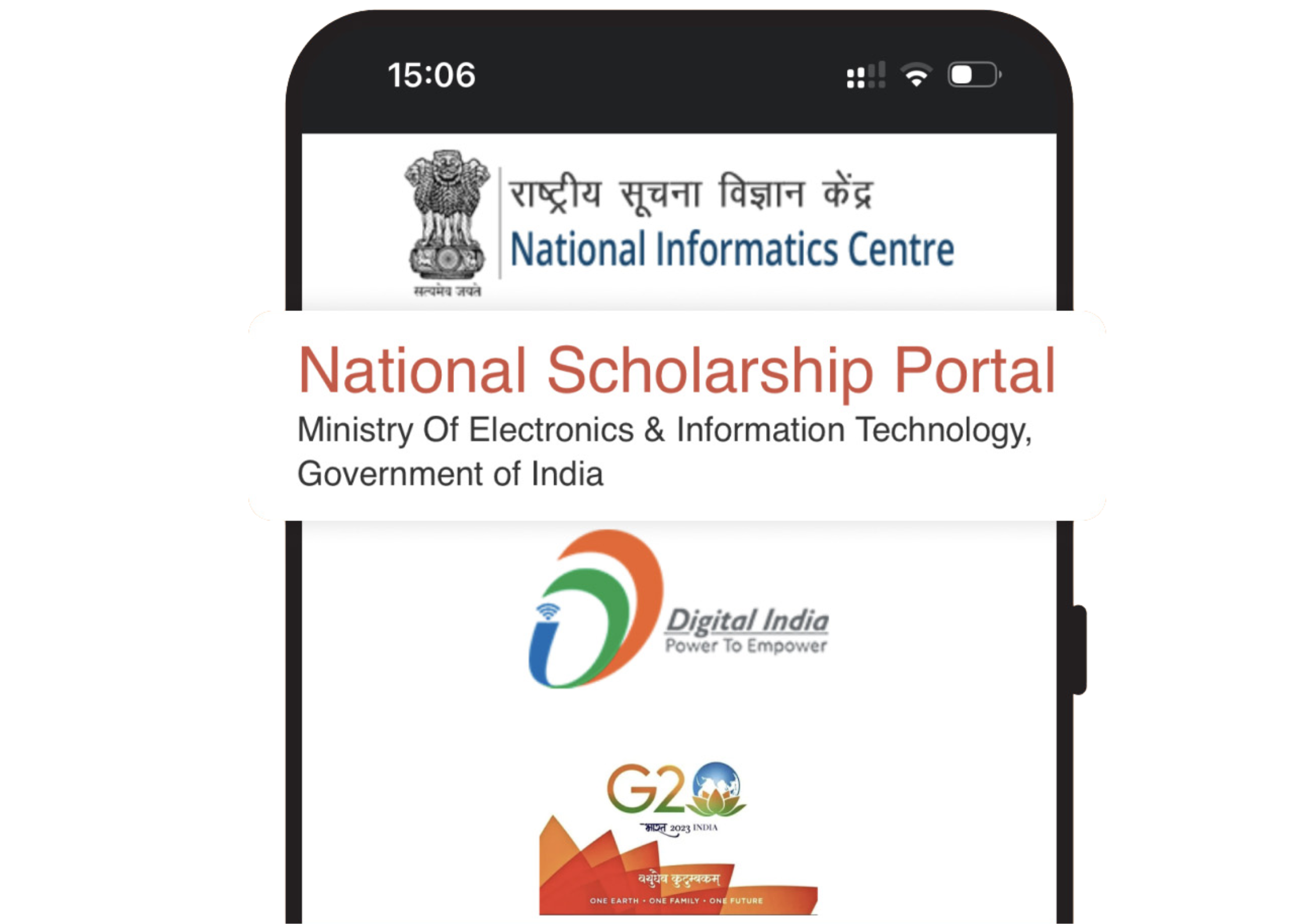
The National Scholarship Portal is a centralized digital platform that lists and manages multiple government scholarships.
Who It Benefits
-
Economically weaker students
-
Minority communities
-
SC/ST/OBC category students
-
Meritorious learners from low-income families
Key Advantages
-
Single online application system
-
Transparent verification process
-
Direct benefit transfer to bank accounts
The portal simplifies access to dozens of scholarships, reducing paperwork and improving transparency.
2. PM SHRI Schools Initiative
Objective
PM SHRI (Prime Minister Schools for Rising India) aims to transform selected government schools into model institutions aligned with the National Education Policy (NEP).
Core Features
-
Modern infrastructure
-
Smart classrooms
-
Experiential learning methods
-
Skill-oriented curriculum
This initiative focuses not only on academic excellence but also on Empowering Students with Skills needed for the 21st century—such as critical thinking, digital literacy, and creativity.
Long-Term Impact
By upgrading public schools, the program reduces the gap between private and government education systems.
3. Samagra Shiksha Abhiyan
Overview
Samagra Shiksha integrates earlier school education schemes into one unified framework covering pre-primary to Class 12.
Major Goals
-
Improve school infrastructure
-
Support inclusive education for children with disabilities
-
Provide teacher training
-
Strengthen digital education
Why It Matters
The scheme ensures continuity in educational support, preventing dropouts and improving learning outcomes at all levels.
4. AICTE Pragati & Saksham Scholarships
Focus Areas
These scholarships target students pursuing technical education.
-
Pragati supports girl students in diploma and degree courses.
-
Saksham assists specially-abled students.
Benefits
-
Financial assistance for tuition fees
-
Support for equipment and books
-
Encouragement for technical skill development
By promoting diversity in STEM education, these schemes expand participation in engineering and technical careers.
5. PM eVIDYA & Digital Learning Platforms
Purpose
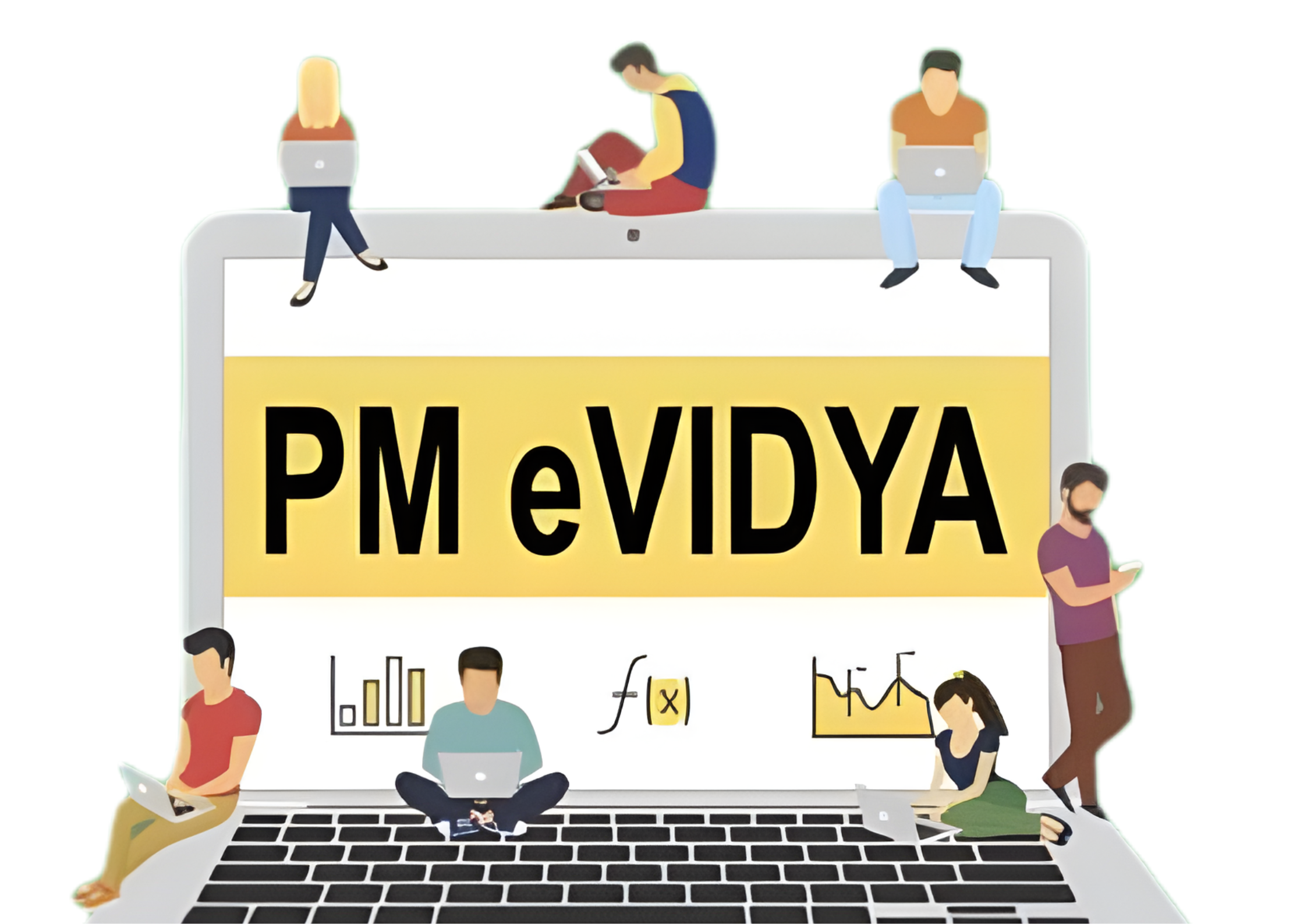
Digital inclusion has become essential. PM eVIDYA integrates multiple online learning channels, including:
-
Educational TV channels
-
Digital content platforms
-
QR-coded textbooks
-
Online teacher training modules
Advantages
-
Learning continuity during disruptions
-
Access to quality content in remote regions
-
Reduced dependency on private coaching
The program strengthens blended learning models across urban and rural India.
6. National Means-cum-Merit Scholarship (NMMS)
Target Group
Students from economically weaker sections studying in Class 8.
Aim
To prevent dropouts at the secondary level by providing annual financial support.
Impact
This scholarship encourages students to continue their education instead of entering early employment due to financial constraints.
7. Skill India Mission
Overview
Skill India focuses on vocational and industry-relevant training for youth.
Key Components
-
Short-term certification programs
-
Apprenticeship opportunities
-
Industry partnerships
-
Entrepreneurship support
Why It Is Crucial in 2026
India’s job market increasingly demands practical competencies. Skill India bridges the gap between academic learning and employability.
Benefits of Student Empowerment Schemes

1. Financial Relief
Scholarships and fee reimbursements reduce the burden on families, especially in rural and semi-urban regions.
2. Increased Enrollment
Financial and academic support encourages higher enrollment in secondary and higher education.
3. Gender Inclusion
Many schemes specifically promote girls’ education, leading to improved literacy rates.
4. Digital Access
Technology-based programs ensure learning continues beyond classroom walls.
5. Skill Readiness
Vocational and technical initiatives prepare students for real-world careers rather than focusing solely on theoretical knowledge.
Challenges in Implementation
While these schemes are impactful, certain challenges remain:
1. Awareness Gap
Many families are unaware of available scholarships or how to apply.
2. Digital Divide
Despite digital initiatives, limited internet access in rural areas restricts participation.
3. Documentation Barriers
Complex verification processes can discourage applicants.
4. Monitoring and Transparency
Ensuring funds reach the intended beneficiaries requires consistent monitoring.
5. Regional Disparities
Implementation quality varies between states.
Addressing these challenges is essential to maximize the reach and effectiveness of student empowerment programs.
How Students and Parents Can Benefit

-
Regularly check official government portals for updates.
-
Maintain proper academic and income documentation.
-
Apply before deadlines.
-
Seek guidance from school authorities or district education offices.
-
Verify eligibility criteria carefully before submission.
Proactive planning ensures students do not miss valuable opportunities.
The Road Ahead for Student Empowerment in India
India’s education policy landscape is shifting toward inclusivity, skill development, and digital access. In 2026, the focus is not just on enrollment numbers but on quality and employability.
Future improvements may include:
-
Greater use of AI-based learning tools
-
Simplified scholarship processes
-
Enhanced industry-academia collaboration
-
Increased budget allocation for education
The goal is to create a balanced ecosystem where academic learning, vocational skills, and financial support work together.
Conclusion
Government schemes in 2026 reflect a broader vision: education as a pathway to equity and economic growth. From scholarships and digital platforms to skill training initiatives, these programs aim to reduce barriers and create opportunities for every learner.
While challenges remain in awareness, infrastructure, and implementation, consistent reforms are gradually strengthening the system. For students, parents, and educators, staying informed is the first step toward benefiting from these initiatives.
Empowering students is not a single policy decision—it is an ongoing commitment. With the right support structures in place, India moves closer to building a generation that is educated, skilled, and future-ready.
Frequently Asked Questions
1) Can a student apply for more than one government scheme at the same time?
Yes, students can apply for multiple schemes if they meet the eligibility criteria. However, some scholarships may restrict receiving more than one financial benefit simultaneously.
2) How can students check the status of their scholarship application?
Most government schemes allow students to track their application status through official online portals using their application ID and registered credentials.
3) Are student empowerment schemes available for private school students?
Yes, many government scholarships and financial aid programs are open to eligible students studying in both government and recognized private institutions.
4) Do state governments offer separate student schemes apart from central schemes?
Yes, each state government in India runs its own scholarship and support programs in addition to central government initiatives.
5) What should a student do if their scholarship amount is delayed or rejected?
Students should first verify their documents and eligibility status online. If the issue persists, they can contact the scheme’s official helpline or grievance redressal cell for clarification.