



Strong writing is the foundation of effective communication. Whether a student is writing an essay, a teacher is preparing study material, or a professional is creating reports, the way ideas are presented matters.
Different situations require different writing approaches. Understanding these approaches helps writers communicate clearly while helping readers understand the message quickly.
This guide explains the types of writing styles, their purpose, and real examples to help students, parents, and educators understand how each style works.
What is a Writing Style?
A writing style refers to the way a writer expresses ideas, emotions, and information through words. It includes tone, vocabulary, sentence structure, and the overall approach used to communicate a message.
Different styles are used depending on the purpose of the content. For example:
-
Storytelling uses narrative style
-
Academic textbooks use expository style
-
Advertisements use persuasive style
Students in any school in India often encounter multiple writing formats while completing assignments, essays, or examinations.
Understanding the structure behind each style makes writing clearer and more engaging.
Types of Writing Styles
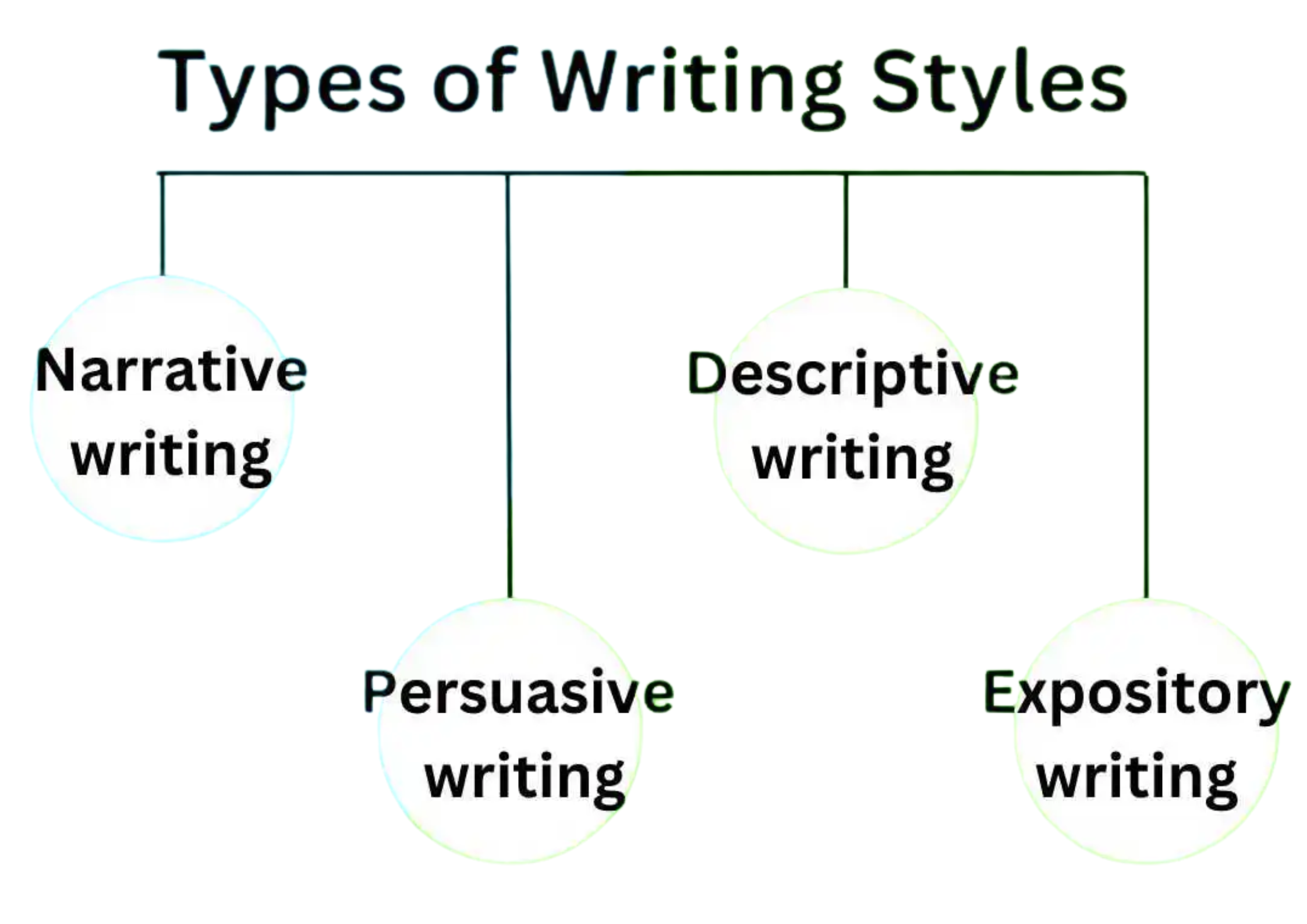
There are five main types of writing styles commonly used in education and professional communication.
-
Narrative Writing
-
Descriptive Writing
-
Expository Writing
-
Persuasive Writing
-
Creative Writing
Each type serves a unique purpose.
Let’s explore them in detail.
1. Narrative Writing Style
Narrative writing focuses on storytelling. It describes events in a sequence and usually includes characters, settings, and a plot.
This style is commonly used in novels, autobiographies, and personal experiences.
Key Characteristics
• chronological order
• characters and dialogue
• emotional storytelling
• clear beginning, middle, and end
Example
A student describing their first day at school may explain meeting new classmates, interacting with teachers, and feeling both excited and nervous.
Narrative writing helps readers imagine the events and connect emotionally with the story.
2. Descriptive Writing Style
Descriptive writing aims to create vivid images in the reader’s mind by using sensory details.
Writers describe how things look, sound, smell, taste, or feel.
Key Characteristics
• detailed descriptions
• sensory language
• expressive vocabulary
Example
Instead of saying:
“The beach was beautiful.”
Descriptive writing might say:
“Golden sand stretched across the shore while gentle waves rolled under the warm sunset sky.”
This style allows readers to visualize the scene clearly.
3. Expository Writing Style
Expository writing explains information logically and clearly. It focuses on facts and avoids personal opinions.
This style is commonly used in textbooks, academic essays, and research papers.
Key Characteristics
• clear explanations
• factual information
• structured paragraphs
• logical organization
Educational organizations such as UNESCO emphasize informative learning resources that rely heavily on structured writing.
Example
A science article explaining how plants produce oxygen through photosynthesis is an example of expository writing.
4. Persuasive Writing Style
Persuasive writing attempts to convince readers to accept a specific viewpoint or take action.
It is often used in speeches, debates, opinion articles, and advertisements.
Key Characteristics
• strong arguments
• supporting evidence
• emotional appeal
• clear call to action
Organizations like UNICEF often use persuasive communication to encourage policies that support education and child development.
Example
An article encouraging schools to adopt environmental education programs is persuasive writing.
5. Creative Writing Style
Creative writing focuses on imagination and artistic expression. Writers use creativity to build unique stories, poems, or scripts.
Common Forms
• poetry
• short stories
• novels
• plays
Key Characteristics
• imaginative storytelling
• emotional depth
• unique narrative voice
Creative writing helps students develop creativity and critical thinking skills.
Comparison Table of Writing Styles
| Writing Style | Purpose | Example |
|---|---|---|
| Narrative | Tell a story | Novels, biographies |
| Descriptive | Describe scenes or emotions | Travel writing |
| Expository | Explain facts or concepts | Textbooks |
| Persuasive | Convince readers | Opinion essays |
| Creative | Express imagination | Poetry |
This table helps readers quickly understand how each style differs.
Tips to Improve Writing Skills

Students can improve their writing abilities through consistent practice.
1. Read regularly
Reading different books exposes writers to various writing styles.
2. Write daily
Practice essays, journals, or short stories.
3. Expand vocabulary
Learning new words improves expression.
4. Study good examples
Analyzing well-written articles improves structure.
5. Seek feedback
Teachers and mentors can help refine writing techniques.
How Students Can Improve Their Writing Style

Developing strong writing skills requires practice, reading, and feedback. Students can gradually improve by following a few simple steps.
Practical Tips
1. Read regularly
Reading different types of books helps students understand various writing approaches.
2. Practice writing daily
Short essays, journals, or stories improve fluency.
3. Learn new vocabulary
Expanding vocabulary makes writing more expressive.
4. Study examples of good writing
Analyzing articles, essays, and stories improves structure and clarity.
5. Seek feedback from teachers
Constructive feedback helps refine writing techniques.
Conclusion
Writing is a powerful tool for communication, education, and creativity. Understanding the types of writing styles helps writers present ideas effectively while allowing readers to interpret messages clearly.
The five main styles—narrative, descriptive, expository, persuasive, and creative—serve different purposes but collectively build strong language and communication skills.
For students and educators alike, mastering these styles not only improves academic performance but also prepares individuals for professional and personal communication in the future.
Frequently Asked Questions (FAQs)
1) What are the 5 main types of writing styles?
The five main types of writing styles are narrative, descriptive, expository, persuasive, and creative writing. Each style serves a different purpose, such as storytelling, explaining information, describing scenes, convincing readers, or expressing imagination.
2) Which writing style is used in academic essays?
Academic essays mostly use the expository writing style because it focuses on explaining ideas with facts, logical arguments, and clear structure. This style helps students present research, analysis, and information in a formal and objective way.
3) Why are writing styles important for students?
Writing styles help students communicate ideas clearly and effectively. Learning different styles improves academic writing, enhances creativity, and helps students choose the right format for essays, reports, stories, and presentations.
4) Which writing style is best for storytelling?
The narrative writing style is best for storytelling because it presents events in a sequence with characters, dialogue, and a clear plot. It is commonly used in novels, short stories, autobiographies, and personal experiences.
5) How can students improve their writing style?
Students can improve their writing style by reading regularly, practicing writing daily, expanding vocabulary, and learning from good examples. Feedback from teachers and consistent practice also help develop strong and effective writing skills.