






In a rapidly globalizing world, the importance of cross cultural communication has grown significantly across education, workplaces, and everyday life. People from different cultural backgrounds interact more than ever before—whether in classrooms, multinational companies, or digital platforms.
Effective communication across cultures is not just about language; it involves understanding values, behaviors, and perspectives. When individuals learn how to communicate beyond cultural boundaries, they build stronger relationships, avoid misunderstandings, and create inclusive environments.
This blog explores the concept in a structured and balanced way—covering its meaning, real-world importance, key benefits, practical examples, and common challenges.
What is Cross Cultural Communication?
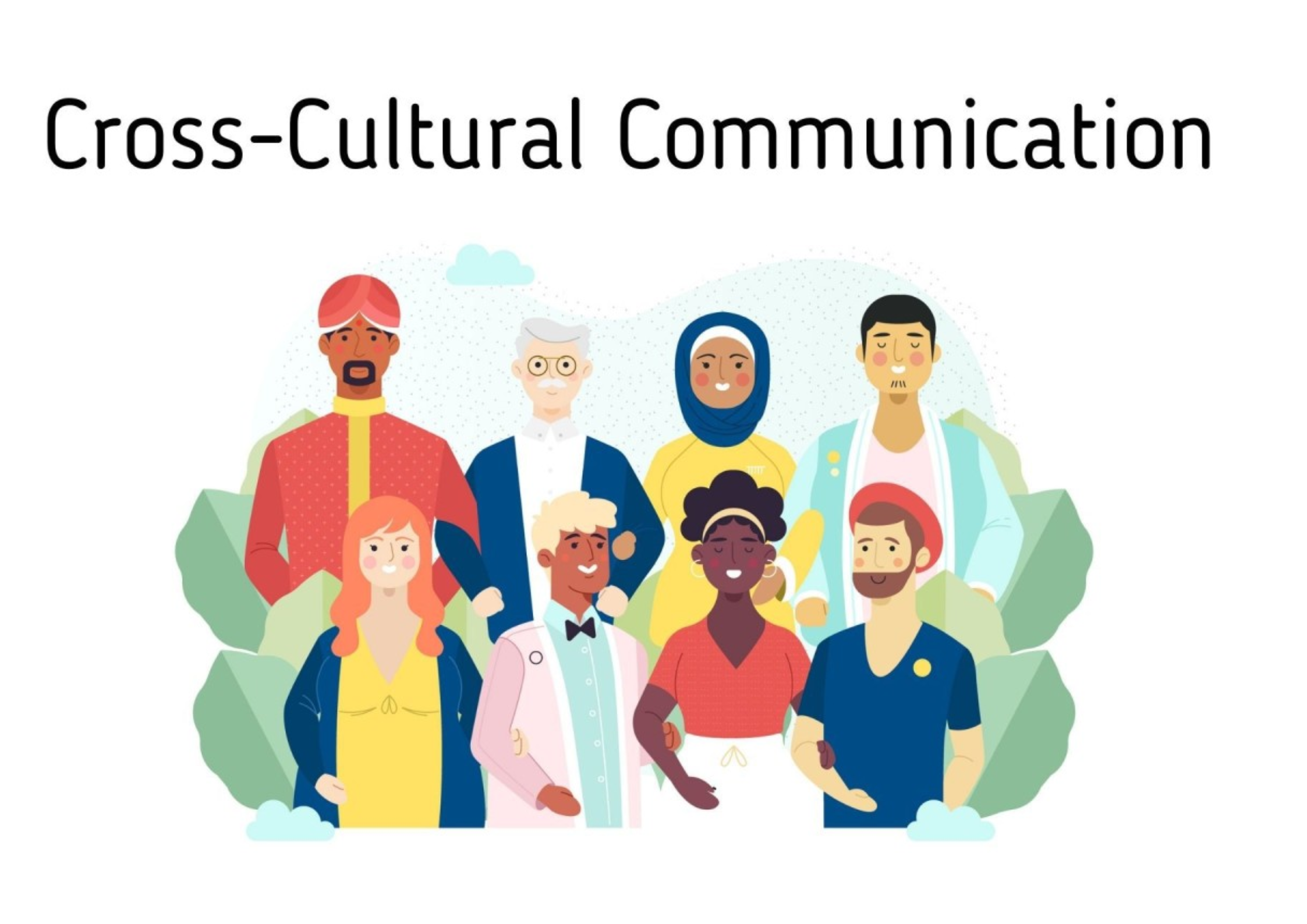
Cross cultural communication refers to the process of exchanging ideas and information between people from diverse cultural backgrounds. It includes both verbal and non-verbal communication, shaped by traditions, beliefs, and social norms.
For instance, eye contact, tone of voice, and gestures may carry different meanings in different cultures. Understanding these subtle differences is essential for effective interaction.
Developing Cross-Cultural Communication Skills helps individuals adapt their communication style, respect diversity, and respond appropriately in multicultural settings.
Why Cross Cultural Communication Matters Today
1. Global Connectivity and Digital Interaction
With the rise of online learning, remote jobs, and international collaboration, people connect across borders daily. Clear communication ensures that ideas are shared effectively without confusion.
2. Increasing Diversity in Education
Modern classrooms are becoming culturally diverse. Even a top school in Dehradun often includes students from different regions and backgrounds, making cultural understanding a key part of learning.
3. Career Growth in a Global Economy
Organizations today look for individuals who can work with international teams. Strong communication across cultures improves employability and leadership opportunities.
Key Benefits of Cross Cultural Communication

1. Better Understanding and Reduced Conflicts
When people understand cultural differences, they are less likely to misinterpret behavior or language. This reduces conflicts and promotes harmony.
2. Stronger Collaboration and Teamwork
Diverse teams perform better when communication is clear. Mutual respect and understanding help individuals contribute more effectively.
3. Enhanced Creativity and Innovation
Different cultural perspectives bring new ideas. This diversity leads to creative problem-solving and innovative thinking.
4. Personal Growth and Open-Mindedness
Interacting with different cultures broadens thinking. It helps individuals move beyond stereotypes and develop empathy.
5. Improved Relationships
Clear and respectful communication builds trust, whether in schools, workplaces, or social settings.
Fact Insight: Research shows that culturally diverse teams can improve performance and innovation when communication is managed effectively.
Real-Life Examples of Cross Cultural Communication

1. In Classrooms
Teachers often manage students from different cultural backgrounds. Some students may hesitate to speak due to cultural norms. Understanding this helps create inclusive participation.
2. In Workplaces
In international companies, communication styles vary. Some professionals prefer direct discussions, while others focus on relationship-building first. Awareness prevents misunderstandings.
3. In Online Education
Students attending global webinars interact with peers worldwide. Respecting diverse viewpoints enhances learning experiences.
4. During Travel and Exchange Programs
Travelers who understand cultural communication adapt more easily and build meaningful connections in new environments.
Challenges in Cross Cultural Communication

While the advantages are clear, there are also challenges that cannot be ignored.
1. Language Differences
Language barriers can lead to confusion, especially when meanings are lost in translation.
2. Misinterpretation of Non-Verbal Signals
Gestures, facial expressions, and body language vary across cultures, sometimes causing unintended misunderstandings.
3. Stereotypes and Cultural Bias
Pre-existing beliefs about certain cultures may affect communication and lead to incorrect assumptions.
4. Differences in Communication Styles
Some cultures prefer direct communication, while others value indirect and polite expression. This difference can create discomfort.
5. Lack of Cultural Awareness
Without proper understanding, individuals may unintentionally offend others or misinterpret situations.
How to Improve Cross Cultural Communication
1. Build Cultural Awareness
Learn about traditions, values, and communication styles of different cultures.
2. Practice Active Listening
Listen carefully and avoid interrupting. Clarify when needed instead of assuming.
3. Use Clear and Simple Language
Avoid slang, idioms, or complex phrases that may confuse others.
4. Be Respectful and Open-Minded
Accept differences without judgment and show genuine interest in others’ perspectives.
5. Observe Non-Verbal Communication
Pay attention to gestures and expressions to better understand the message.
6. Ask Questions When in Doubt
Polite questions can prevent misunderstandings and show willingness to learn.
Role of Schools and Educators
Educational institutions play a vital role in developing communication skills across cultures. Schools can:
-
Encourage group discussions among diverse students
-
Organize cultural exchange programs
-
Include global perspectives in the curriculum
-
Celebrate cultural diversity through events
Teachers can create inclusive classrooms where every student feels heard and respected. This not only improves communication but also builds confidence and social awareness.
Balancing Benefits and Challenges

Cross cultural communication offers immense benefits, but it also requires effort. While it promotes understanding, collaboration, and innovation, it demands patience, awareness, and adaptability.
The key lies in maintaining a balance—leveraging the advantages while actively addressing the challenges. With the right approach, individuals can turn cultural differences into strengths rather than barriers.
Conclusion
The importance of cross cultural communication continues to grow in today’s interconnected world. It is not limited to speaking different languages but extends to understanding perspectives, respecting differences, and building meaningful connections.
For students, educators, and professionals, developing these skills is essential for success in a global environment. While challenges exist, they can be overcome through awareness, empathy, and continuous learning.
In the long run, effective communication across cultures not only improves individual growth but also contributes to a more inclusive and connected society.
Frequently Asked Questions (FAQs)
1. Why is cross cultural communication important for students?
It helps students interact confidently in diverse environments, improves learning experiences, and prepares them for global careers.
2. What are the main barriers to cross cultural communication?
Language differences, cultural misunderstandings, stereotypes, and different communication styles are common barriers.
3. How can communication improve across cultures?
By practicing active listening, learning about cultures, and using clear language, communication becomes more effective.
4. Is cross cultural communication useful in careers?
Yes, it is highly valued in global workplaces and improves teamwork, leadership, and career growth.