





Environment awareness means understanding the importance of nature and recognizing how human actions affect the environment. It includes knowledge about pollution, climate change, deforestation, water scarcity, waste management, wildlife protection, and clean energy.
In simple words, environment awareness helps people make better choices that protect the Earth. It encourages people to save water, reduce plastic use, plant trees, recycle waste, and use natural resources wisely.
Today, environment awareness is not just a social issue. It has become a necessity for every individual, family, school, business, and government.
Why Environment Awareness Matters in 2026
The year 2026 is expected to be more challenging for the environment than previous years. Rising temperatures, extreme weather conditions, air pollution, and loss of forests are affecting millions of people across India.
Many cities are already facing serious environmental problems such as:
- Poor air quality
- Water shortages
- Heatwaves
- Flooding during heavy rains
- Increasing plastic waste
- Loss of green spaces
- Declining wildlife populations
As these problems continue to grow, environment awareness becomes more important than ever. People need to understand how daily habits can either harm or protect nature.
Greater awareness can help communities adopt eco-friendly practices and create a cleaner future for the next generation.
History of Environment Awareness in India

Environment awareness in India has developed slowly over many years. In ancient times, people respected nature and worshipped rivers, trees, mountains, and animals. Many traditional Indian practices encouraged living in harmony with nature.
However, industrial growth, urbanization, and population increase led to environmental damage. Forests were cut down, rivers became polluted, and cities grew rapidly.
Several important events helped increase awareness in India:
The Chipko Movement
The Chipko Movement began in the 1970s in Uttarakhand. Villagers, especially women, hugged trees to stop them from being cut down. This movement became a powerful example of environmental protection in India.
Bhopal Gas Tragedy
The Bhopal Gas Tragedy of 1984 showed the dangers of industrial pollution and poor safety practices. It raised serious questions about environmental laws and public health.
Government Policies and Campaigns
Over time, the Indian government introduced several environmental laws and campaigns, such as:
- The Environment Protection Act
- Swachh Bharat Abhiyan
- Plastic ban initiatives
- River cleaning projects
- Renewable energy programs
- Tree plantation drives
These efforts have helped increase public awareness, but much more work is still needed.
The 5 main types of environment are:
- Natural Environment: This includes land, water, air, plants, animals, forests, rivers, mountains, and all naturally occurring things.
- Human-Made Environment: This includes buildings, roads, bridges, industries, parks, and other things created by people.
- Social Environment: This refers to the relationships, culture, traditions, education, and society in which people live.
- Physical Environment: This includes physical factors around people such as climate, temperature, soil, water, and geography.
- Biological Environment: This includes all living organisms such as humans, animals, plants, insects, and microorganisms.
Together, these environments affect human life, health, and daily activities.
Importance of Environment Awareness
Environment awareness is important because it teaches people how to protect natural resources and reduce damage to the planet.
1. Helps Reduce Pollution
Awareness encourages people to avoid littering, reduce vehicle emissions, and limit the use of harmful chemicals. This helps reduce air, water, and soil pollution.
2. Protects Natural Resources
Natural resources like water, forests, minerals, and clean air are limited. Environment awareness teaches people to use these resources responsibly.
3. Supports Better Health
A clean environment leads to better health. Less pollution means fewer respiratory problems, cleaner drinking water, and healthier living conditions.
4. Encourages Responsible Waste Management
Many people still throw waste in open areas or use too much plastic. Awareness helps people understand the importance of recycling, composting, and reducing waste.
5. Protects Wildlife and Biodiversity
India is home to many species of plants and animals. Deforestation, pollution, and illegal hunting threaten wildlife. Environment awareness helps protect biodiversity and preserve ecosystems.
6. Builds a Better Future for Children
Children learn environmental values from parents and teachers. When children understand the importance of protecting nature, they are more likely to grow into responsible citizens.
Major Environmental Problems in India
India is facing several environmental challenges that need immediate attention.
Air Pollution
Air pollution is one of the biggest problems in major Indian cities. Vehicle emissions, industrial smoke, dust, and burning of waste make the air unsafe to breathe.
Water Pollution
Rivers, lakes, and groundwater are becoming polluted due to sewage, industrial waste, and plastic dumping. Clean drinking water is becoming harder to find in some areas.
Deforestation
Large areas of forests are being cleared for roads, buildings, and industries. This affects rainfall, wildlife, and climate balance.
Plastic Waste
Plastic waste is increasing every year. Single-use plastic bags, bottles, and packaging materials often end up in rivers, oceans, and landfills.
Climate Change
Climate change is causing extreme heat, irregular rainfall, stronger storms, and rising sea levels. Farmers, coastal communities, and poor families are often the most affected.
Role of Schools in Creating Environment Awareness
Schools play an important role in teaching children about environmental protection. Students who learn eco-friendly habits at a young age are more likely to continue them in adulthood.
Schools can create awareness through:
- Tree plantation drives
- Cleanliness campaigns
- Recycling projects
- Nature walks
- Eco clubs
- Water-saving activities
- Waste segregation programs
Many educational institutions, including Boarding Schools in Uttarakhand, are encouraging students to adopt green practices through practical learning and outdoor activities.
Similarly, several Boarding Schools in India are adding environmental education to their curriculum to help students understand climate change, conservation, and responsible living.
How Families Can Promote Environment Awareness

Families have a strong influence on children’s habits and values. Parents can help children become more environmentally responsible by teaching simple everyday actions.
Some useful habits include:
- Turning off lights when not needed
- Saving water while brushing or bathing
- Using cloth bags instead of plastic bags
- Planting trees at home
- Recycling paper, plastic, and glass
- Avoiding food waste
- Walking or cycling for short distances
When families practice these habits together, children learn that small actions can make a big difference.
Environment Awareness and Sustainable Development
Environment awareness is closely connected to the idea of Sustainable Development.
Sustainable Development means meeting present needs without harming the ability of future generations to meet their own needs. It focuses on balancing economic growth, social progress, and environmental protection.
For example:
- Using solar energy instead of coal
- Saving water in agriculture
- Building eco-friendly homes
- Reducing plastic use
- Promoting electric vehicles
These actions help create a healthier and more balanced future.
Practical Ways to Increase Environment Awareness in 2026
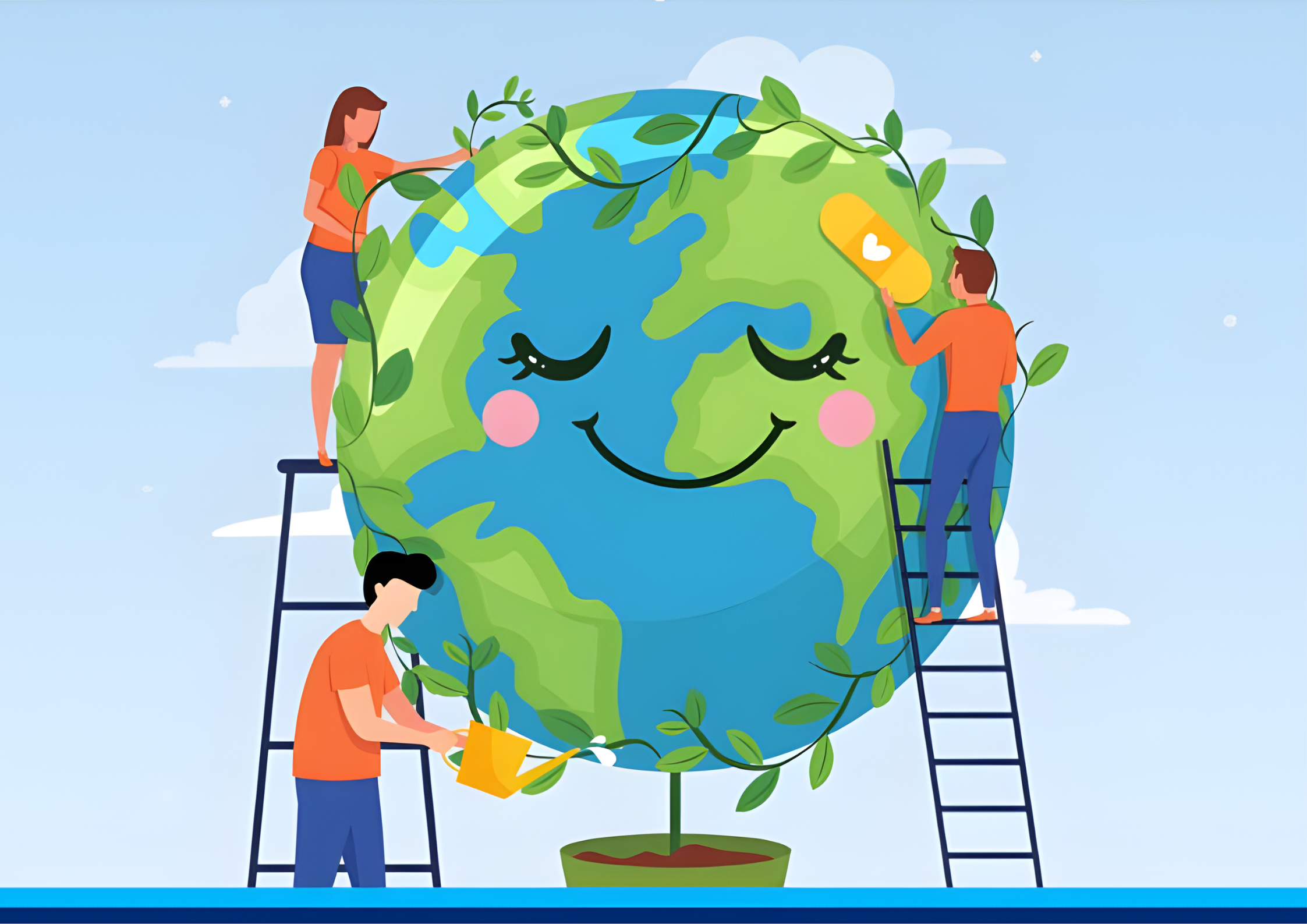
People can improve environment awareness by taking simple but meaningful steps in daily life.
Use Less Plastic
Avoid single-use plastic bags, bottles, and straws. Reusable items are better for the environment.
Save Electricity
Turn off fans, lights, and electronic devices when they are not in use.
Conserve Water
Fix leaking taps and avoid wasting water during household activities.
Plant More Trees
Trees improve air quality, provide shade, and support wildlife.
Join Community Programs
Participating in local clean-up drives, awareness campaigns, and plantation activities can create a stronger impact.
Spread Awareness Online
Social media can be used to share eco-friendly tips, environmental facts, and positive actions.
Conclusion
Environment awareness is no longer optional in 2026. It is essential for protecting health, nature, and future generations. India is facing serious environmental challenges, but small daily actions can bring positive change.
Parents, teachers, schools, and communities all have a role to play. When people understand the importance of protecting the environment, they become more responsible in their actions.
Frequently Asked Questions
1. What is environment awareness?
Environment awareness means understanding environmental problems and taking steps to protect nature and natural resources.
2. Why is environment awareness important in India?
It is important because India faces pollution, climate change, water shortages, and deforestation. Awareness helps people reduce these problems.
3. How can students help protect the environment?
Students can save water, avoid plastic, plant trees, recycle waste, and participate in eco-friendly school activities.
4. What are the biggest environmental problems in India?
Some major problems include air pollution, water pollution, deforestation, plastic waste, and climate change.
5. What is the role of schools in environment awareness?
Schools teach students about environmental protection through eco clubs, recycling projects, tree planting, and awareness programs.