



Technology has changed the way people live, work, study, and communicate. Smartphones, laptops, tablets, social media, and the internet have made life faster and more convenient. Students can attend online classes, parents can work from home, and teachers can access learning resources within seconds.
Understanding the negative effects of technology is important for parents, teachers, and educators. It helps them create a healthy balance between digital tools and real-life experiences.
Why Technology Can Become Harmful

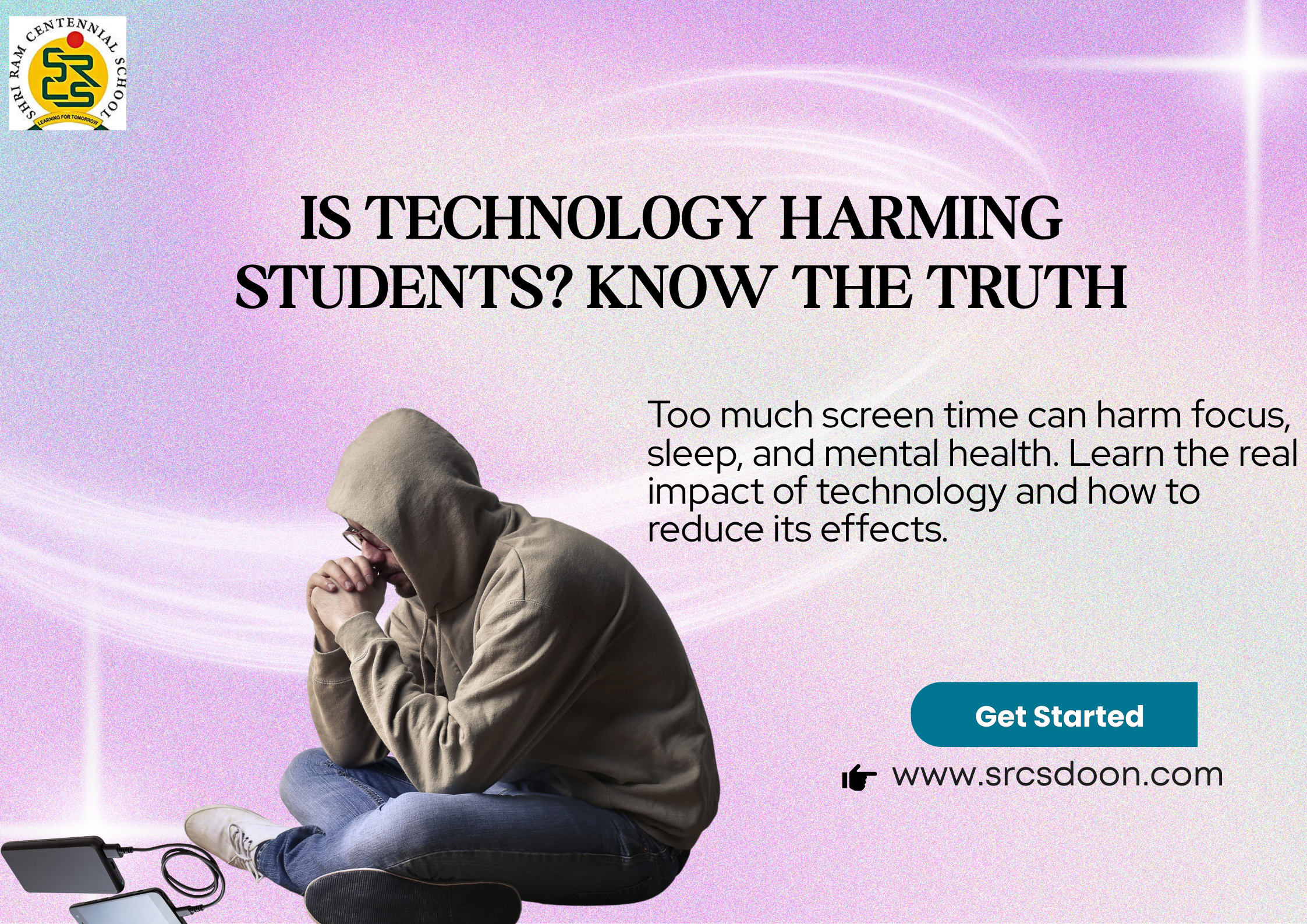
Technology becomes harmful when people use it for long hours without limits. Many students spend too much time on phones, games, social media, and video platforms. As a result, they may become less active, distracted, and emotionally dependent on screens.
When technology replaces sleep, exercise, face-to-face communication, and outdoor activities, it starts affecting overall well-being.
Major Negative Effects of Technology

1. Technology Reduces Physical Activity
One of the biggest disadvantages of technology is that it reduces movement. Many children and adults sit for long hours while using phones, computers, or gaming devices.
Lack of physical activity can lead to:
- Weight gain
- Obesity
- Poor posture
- Back pain
- Weak muscles
- Eye strain
Children who spend more time indoors often miss outdoor games and sports. Over time, this can affect their physical development and energy levels.
2. Technology Can Harm Mental Health
Excessive use of technology can increase stress, anxiety, and loneliness. Many people constantly compare themselves with others on social media. This comparison can lower self-confidence and create feelings of sadness.
Students may also feel pressure to stay online all the time. Notifications, messages, and online trends can become overwhelming.
Some common mental health issues linked to technology include:
- Anxiety
- Depression
- Low self-esteem
- Mood swings
- Fear of missing out
- Social isolation
Teenagers are especially vulnerable because they often depend on social approval from online platforms.
3. Poor Sleep Habits
Technology has a direct impact on sleep quality. Many students use mobile phones late at night. Bright screens reduce melatonin production, which is the hormone that helps people sleep.
Poor sleep can lead to:
- Tiredness during the day
- Poor concentration
- Memory problems
- Weak academic performance
- Irritability
Parents and teachers should encourage children to avoid screens at least one hour before bedtime.
4. Reduced Attention Span
Technology can make it difficult for students to stay focused for a long time. Short videos, instant notifications, and fast entertainment reduce patience and concentration.
Students may struggle to:
- Complete homework
- Read books
- Focus in class
- Listen carefully
- Finish tasks without distraction
Many children switch between apps, games, and videos quickly. This habit can weaken their ability to concentrate on one activity.
5. Weakens Real-Life Communication Skills
Technology has made communication easier, but it has also reduced face-to-face interaction. Many people prefer texting instead of talking in person.
As a result, students may struggle with:
- Public speaking
- Building friendships
- Understanding emotions
- Teamwork
- Social confidence
Good communication skills are important for success in school, college, and future careers. Therefore, children should spend time interacting with family and friends in real life.
6. Technology Addiction
Many people feel uncomfortable without their phones or internet access. This shows how technology can become addictive.
Signs of technology addiction include:
- Constant checking of phones
- Spending too much time online
- Ignoring studies or responsibilities
- Feeling stressed without internet access
- Losing interest in hobbies
The Negative Effects of Phone Addiction are especially visible among teenagers. Many students stay connected to their phones even during meals, study time, and family gatherings.
7. Affects Academic Performance
Technology can support learning, but it can also distract students from studies. Social media, online games, and entertainment apps often reduce study time.
Students who use devices excessively may:
- Delay homework
- Lose focus during classes
- Score lower in exams
- Develop poor study habits
- Depend too much on online answers
Teachers and parents should guide students to use technology for learning instead of only for entertainment.
Negative Effects of Technology on Family Relationships
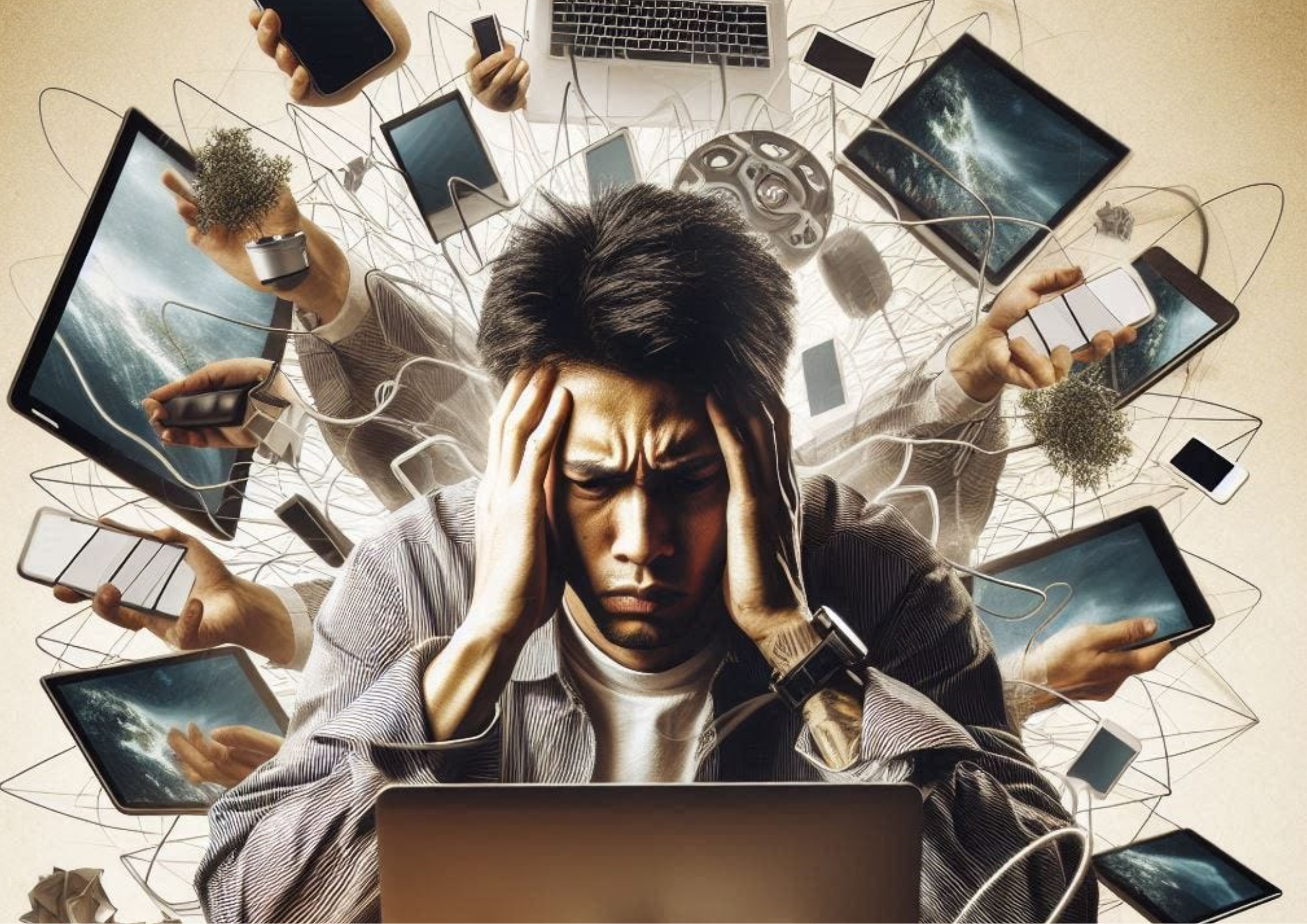
Technology can reduce family bonding. Many families sit together physically but remain busy on their own devices.
Children may spend more time on screens than talking to parents. Similarly, parents may also become too busy with phones and work.
This can lead to:
- Weak emotional connection
- Less communication
- Increased misunderstandings
- Reduced family time
Creating screen-free family time can improve relationships and build stronger emotional bonds.
Impact of Technology on Schools and Learning
Schools use technology for online learning, smart classrooms, and digital assignments. While these tools are useful, overuse can create challenges.
Students may become dependent on calculators, search engines, and ready-made answers instead of thinking critically.
Even leading Schools in Uttarakhand are now focusing on balancing digital learning with sports, reading, creative activities, and classroom discussions.
This balanced approach helps students develop both technical skills and real-world abilities.
Practical Tips to Reduce the Negative Effects of Technology

Parents, teachers, and educators can reduce the harmful effects of technology by encouraging healthy habits.
Set Screen Time Limits
Children should have fixed hours for using phones, games, and social media.
Encourage Outdoor Activities
Sports, walking, cycling, and outdoor games help children stay active and healthy.
Create Device-Free Zones
Families can avoid using phones during meals, study hours, and bedtime.
Promote Reading Habits
Reading books improves concentration, imagination, and language skills.
Teach Responsible Internet Use
Students should learn how to use technology safely and wisely.
Encourage Face-to-Face Communication
Parents and teachers should motivate children to talk, share ideas, and spend time with others in person.
How to Maintain a Healthy Balance With Technology
Technology is not completely harmful. The real problem begins when people use it without limits.
A balanced approach can help students enjoy the benefits of technology without suffering from its negative effects.
Healthy technology habits include:
- Using devices for learning and productivity
- Taking regular screen breaks
- Spending time outdoors
- Sleeping on time
- Building real-world friendships
- Practicing hobbies away from screens
When used wisely, technology can support education and communication without damaging health or relationships.
Conclusion
The negative effects of technology are becoming more visible in daily life. Excessive screen time can affect physical health, sleep, concentration, social skills, and academic performance.
Parents, teachers, and educators play an important role in helping children use technology responsibly. By setting healthy boundaries and encouraging balanced habits, they can protect students from the harmful side of digital life.
Technology should support life, not control it.
Frequently Asked Questions
1. What are the main negative effects of technology?
The main negative effects include poor sleep, eye strain, lack of physical activity, reduced concentration, social isolation, and technology addiction.
2. How does technology affect students?
Technology can distract students from studies, reduce attention span, and create unhealthy screen habits.
3. Why is too much screen time harmful?
Too much screen time can lead to obesity, poor posture, sleep problems, stress, and weak social skills.
4. How can parents reduce technology addiction in children?
Parents can set screen limits, encourage outdoor activities, and create device-free family time.
5. Can technology affect mental health?
Yes. Excessive technology use can increase anxiety, loneliness, low self-esteem, and depression.