


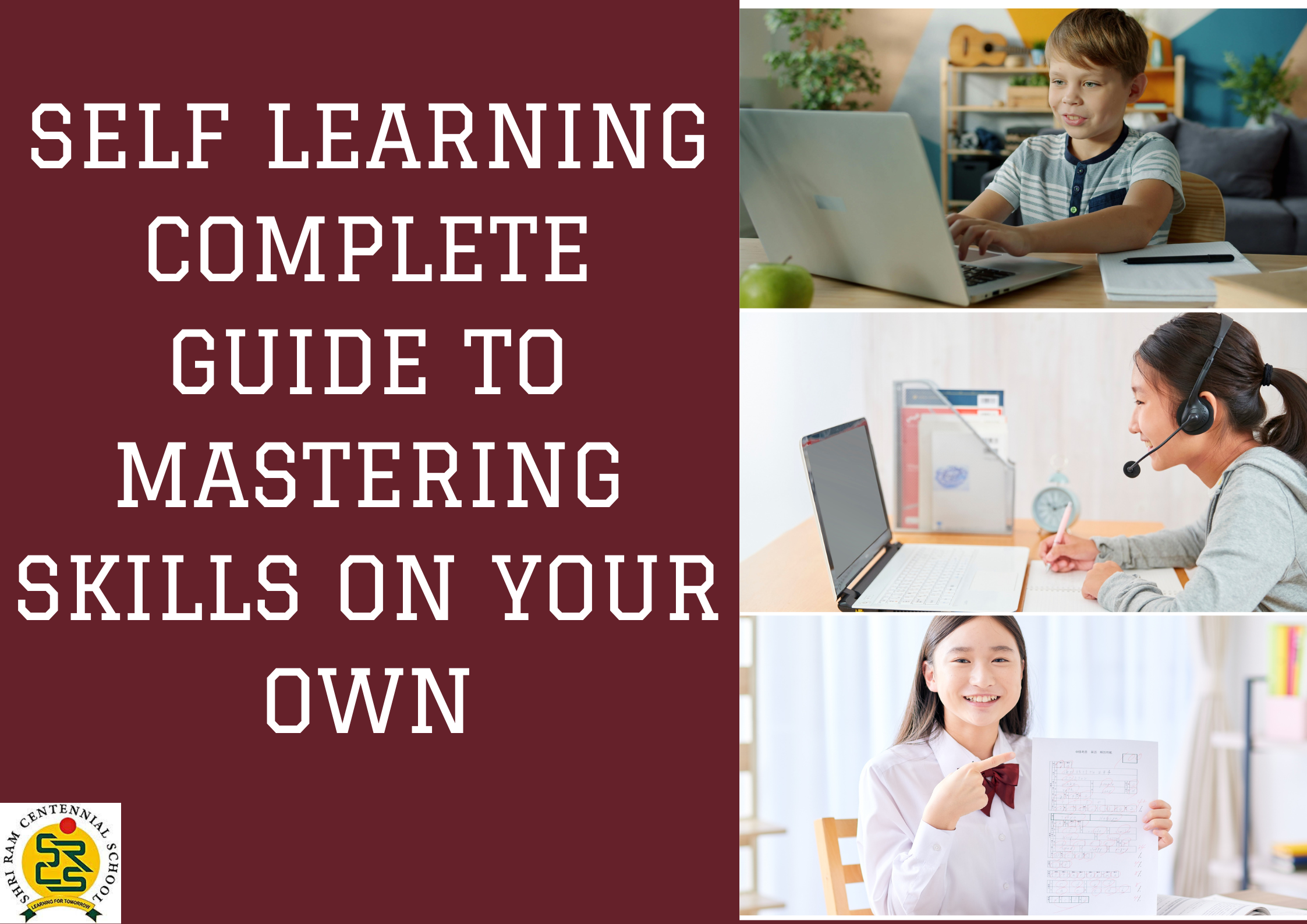
Modern education is changing rapidly. Today, students and professionals are no longer limited to classrooms or traditional teaching methods. With digital resources, online courses, and easy access to information, Self Learning has become an effective way for individuals to build valuable skills independently and grow at their own pace.
The ability to learn without constant supervision has become one of the most important qualities for success. Whether someone wants to improve academic performance, develop professional expertise, or pursue a personal passion, learning independently offers flexibility and confidence.
This guide explains how individuals can develop strong learning habits, stay motivated, and master new abilities effectively.
Why Independent Learning Matters Today

The world is evolving faster than ever before. New technologies, industries, and career opportunities continue to emerge, making continuous learning essential. In today’s competitive environment, Self Learning helps individuals stay adaptable and prepared for future challenges.
People who practice and adapt independently often perform better because they:
- Take responsibility for their growth
- Build confidence through practice
- Learn at a comfortable pace
- Improve problem-solving abilities
- Stay updated with changing trends
Self Learning also encourages creativity and discipline. Instead of depending entirely on teachers or trainers, learners develop the habit of finding solutions themselves and gaining knowledge through personal effort.
Understanding Self Learning and Its Benefits
Self Learning is the process of gaining knowledge or mastering skills independently through personal effort, curiosity, and consistent practice.
Unlike traditional education, this method allows learners to control:
- What they study
- When they study
- How quickly they progress
- Which resources they use
Major Benefits of Learning Independently
Flexibility
Learners can study according to their schedule without feeling pressured by rigid classroom timings.
Better Retention
When individuals actively search for knowledge themselves, they often understand concepts more deeply.
Increased Confidence
Completing learning goals independently creates a sense of achievement and self-belief.
Cost-Effective Growth
Many valuable educational resources are available online for free or at affordable prices.
Personalized Learning Experience
Every learner has unique strengths. Independent learning allows people to focus on areas that matter most to them.
Essential Mindset for Successful Skill Development

Learning independently requires the right attitude. Motivation alone is not enough. Consistency and patience are equally important.
Accept the Learning Process
Mastering any skill takes time. Mistakes and slow progress are normal parts of improvement.
Stay Curious
Curiosity keeps learners engaged. Asking questions and exploring new ideas leads to better understanding.
Focus on Progress, Not Perfection
Trying to become perfect immediately often leads to frustration. Small improvements every day create long-term success.
How to Start Learning Skills on Your Own
Beginning the journey can feel overwhelming. However, a structured approach makes the process easier and more effective.
Identify Your Goal
Choose a specific skill you want to master. Clear goals provide direction and motivation.
Examples include:
- Learning graphic design
- Improving communication skills
- Studying coding
- Developing public speaking confidence
- Mastering a new language
Break the Skill Into Smaller Parts
Large goals become manageable when divided into smaller tasks.
For example, language learning may include:
- Vocabulary building
- Grammar basics
- Listening practice
- Speaking exercises
- Writing improvement
Create a Learning Schedule
Consistency matters more than long study hours. Even 30 to 60 minutes daily can produce excellent results over time.
Choose Reliable Resources
Use trustworthy sources such as:
- Educational websites
- Online courses
- Books
- Podcasts
- Video tutorials
- Expert blogs
Quality resources improve understanding and prevent misinformation.
Best Methods to Improve Learning Efficiency
Different learning strategies help people understand concepts faster and retain information longer.
Self Learning Techniques That Improve Results
Active Practice
Simply reading information is not enough. Applying knowledge through practice improves mastery.
For example:
- Write code instead of only watching tutorials
- Practice speaking while learning languages
- Solve problems regularly
Spaced Repetition
Reviewing information at intervals strengthens memory retention.
Note-Taking
Writing notes in simple language helps learners process information more effectively.
Teaching Others
Explaining concepts to someone else improves understanding and highlights knowledge gaps.
Real-World Application
Using skills in practical situations creates deeper learning experiences.
Common Challenges Faced by Independent Learners
Learning independently is rewarding, but it also comes with difficulties.
Lack of Motivation
Without external pressure, many learners struggle to remain consistent.
Solution:
Set small weekly goals and reward progress regularly.
Information Overload
Too many learning resources can create confusion.
Solution:
Choose one trusted source at a time and avoid multitasking.
Fear of Failure
Some learners quit when they face challenges.
Solution:
Understand that setbacks are part of improvement.
Poor Time Management
Distractions reduce productivity significantly.
Solution:
Use a fixed learning schedule and limit interruptions.
Digital Tools That Support Modern Learning
Technology has made skill development easier than ever before.
Online Learning Platforms
Educational platforms provide structured lessons for various subjects and professional skills.
Productivity Apps
Task management and note-taking applications help learners stay organized.
Educational Videos and Podcasts
Visual and audio learning formats improve engagement and understanding.
Online Communities
Discussion groups and forums allow learners to ask questions and share experiences.
Building Discipline and Consistency
Discipline is one of the biggest factors behind successful learning.
Set Daily Learning Target
Small daily goals create momentum and reduce procrastination.
Track Progress
Monitoring achievements increases motivation and helps identify improvement areas.
Create a Dedicated Study Environment
A quiet and organized learning space improves focus and productivity.
Avoid Comparing Yourself to Others
Every learner progresses differently. Focus on personal improvement instead of competition.
Role of Parents and Educators in Independent Learning
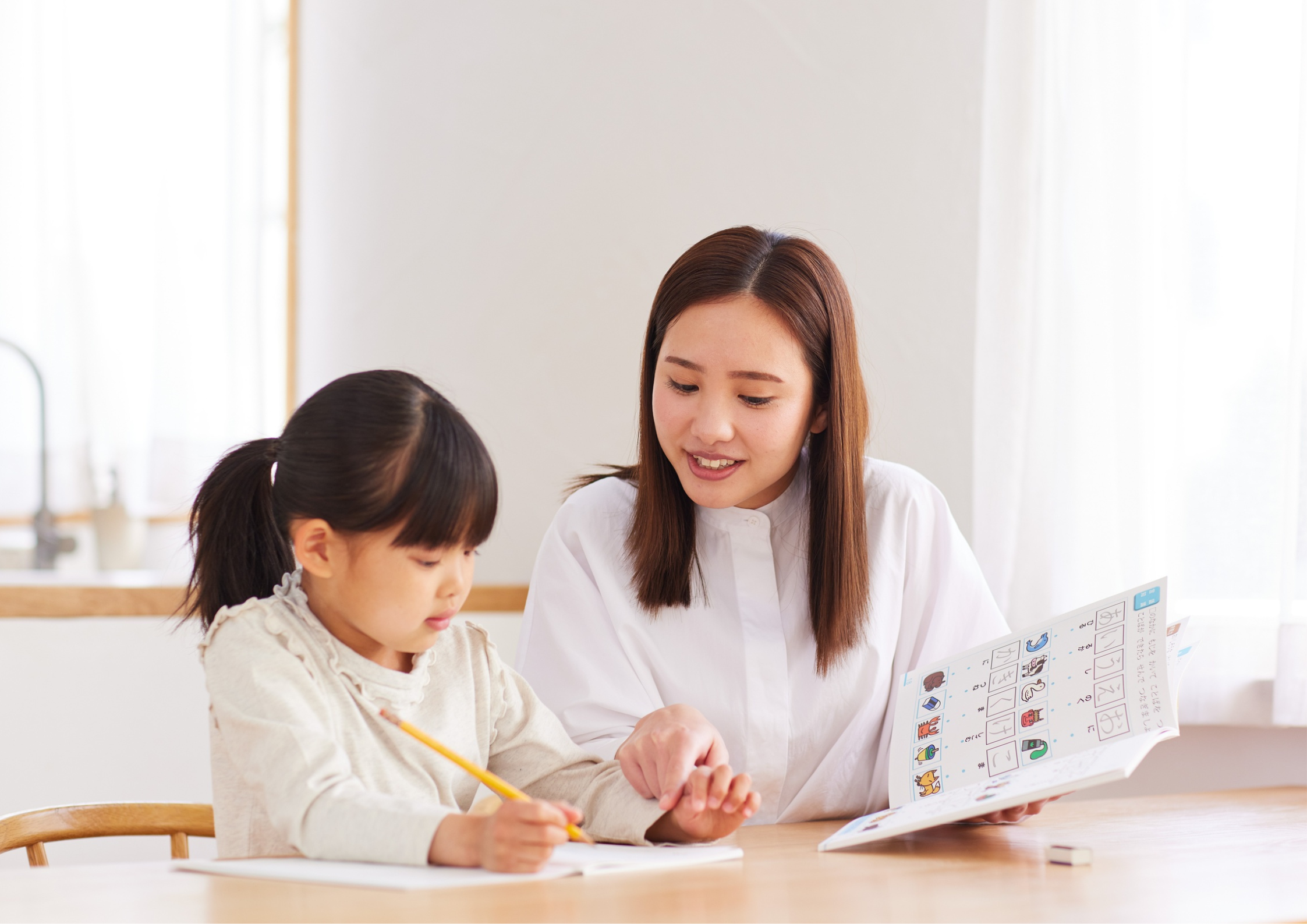
Parents and teachers still play an important role even when students learn independently.
They can support learners by:
- Encouraging curiosity
- Providing emotional support
- Suggesting useful resources
- Celebrating progress
- Promoting healthy study habits
A supportive environment increases confidence and motivation.
Future Importance of Learning Independently
The future workplace values adaptability and continuous improvement. Industries are evolving quickly, and individuals must regularly update their skills.
People who develop independent learning habits are more prepared for:
- Career growth
- Technological changes
- Competitive job markets
- Academic success
- Personal development
The ability to learn continuously is becoming more valuable than memorizing information.
Conclusion
Developing skills independently is no longer just an option; it has become an essential ability in modern life. With proper planning, discipline, and reliable resources, anyone can improve their knowledge and achieve meaningful growth. Self Learning encourages confidence, flexibility, and lifelong improvement, helping students and professionals stay prepared for future opportunities while building valuable real-world abilities every day.
Frequently Asked Questions (FAQs)
Q1. What is Self Learning?
Ans: Self Learning is the process of gaining knowledge or developing skills independently without constant guidance from teachers or trainers. It allows learners to study at their own pace using books, online courses, videos, and practical experiences.
Q2. Why is Self Learning important for students?
Ans: Self Learning helps students become more confident, disciplined, and responsible. It improves problem-solving skills, encourages curiosity, and prepares learners for future academic and career challenges.
Q3. How can beginners start Self Learning effectively?
Ans: Beginners can start Self Learning by setting clear goals, choosing reliable resources, creating a study schedule, and practicing regularly. Consistency and patience are key to long-term success.
Q4. What are the best resources for Self Learning?
Ans: Some of the best resources for Self Learning include educational websites, online courses, eBooks, podcasts, video tutorials, and interactive learning platforms that provide structured lessons and practical exercises.
Q5. What are the biggest challenges in Self Learning?
Ans: Common challenges in Self Learning include lack of motivation, distractions, information overload, and poor time management. Setting small goals and maintaining a routine can help overcome these difficulties.