


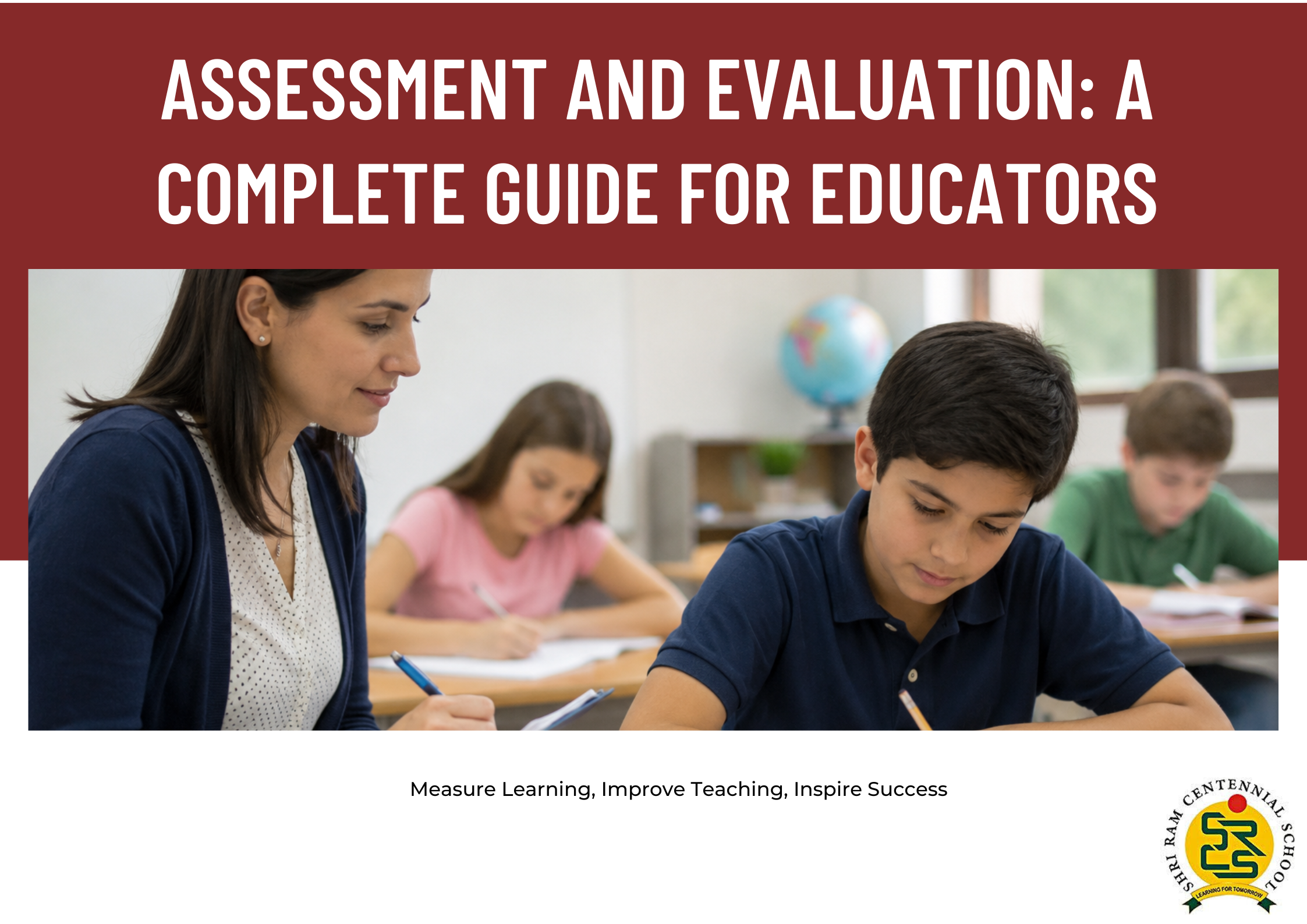
Assessment and Evaluation play a vital role in modern education by helping teachers understand how students learn, apply knowledge, and improve their academic performance. Education today is not only about teaching lessons and completing a syllabus. Schools and educators now focus on identifying learning gaps, measuring progress, and providing the right support to every student. This is where proper assessment practices become essential in every classroom.
Teachers use different tools and techniques to measure learning progress, improve academic performance, and guide students toward better outcomes. A well-planned system helps educators make informed decisions while creating a positive learning environment for students.
Understanding Assessment and Evaluation
What is Assessment?
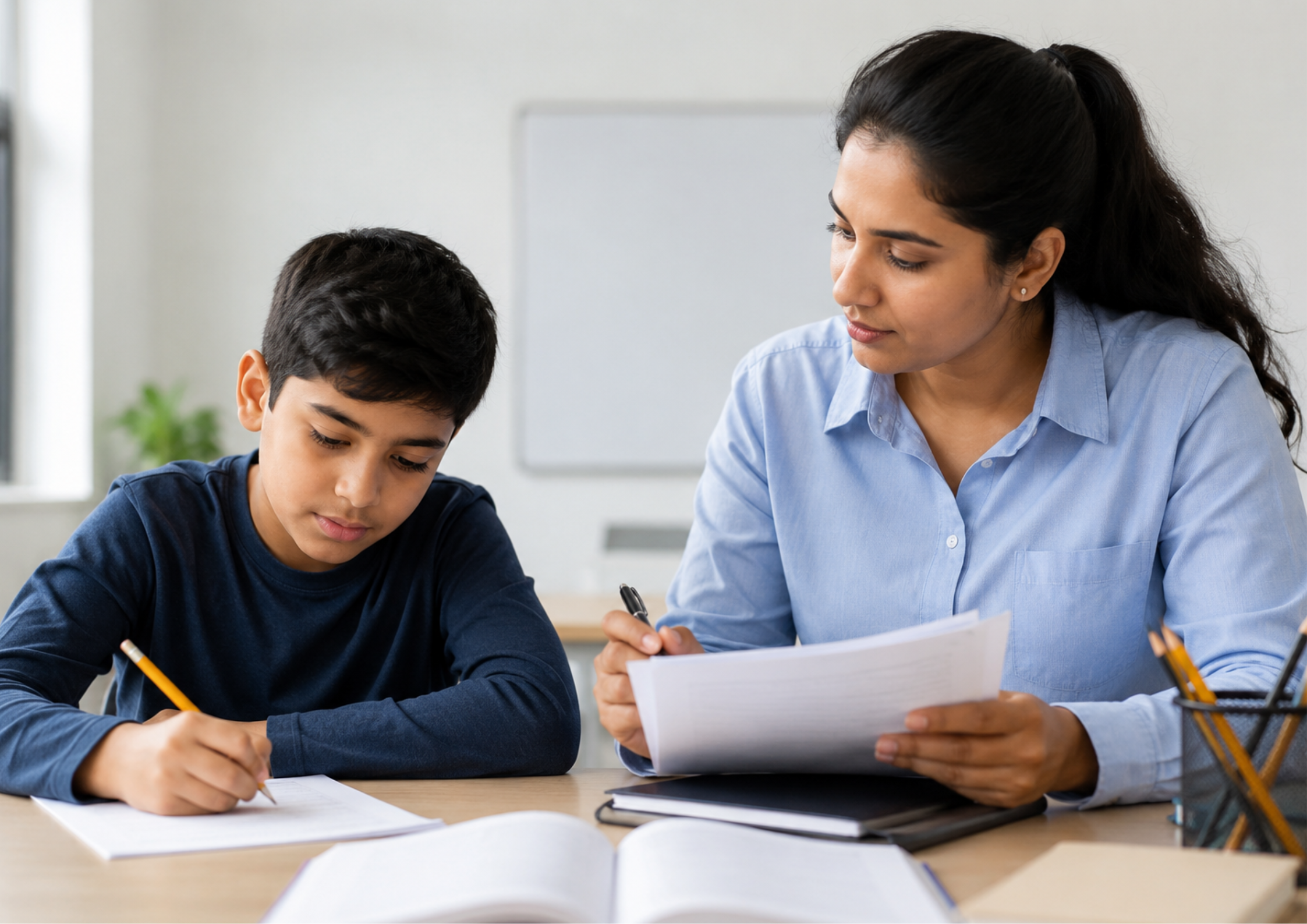
Assessment is the process of collecting information about a student’s learning progress. It helps teachers understand whether students are achieving learning goals and where improvements are needed.
Assessment can include:
- Quizzes
- Assignments
- Projects
- Classroom discussions
- Presentations
- Observations
The primary purpose is to improve learning rather than simply assigning grades.
What is Evaluation?
Evaluation refers to judging the overall performance or achievement of students after analyzing assessment data. It helps schools and educators determine whether educational objectives are being achieved.
Evaluation often includes:
- Final grades
- Exam performance
- Report cards
- Academic standards
- Overall learning outcomes
While assessment focuses on progress, evaluation focuses on results.
Importance of Assessment and Evaluation in Education
Helps Track Student Progress
One of the biggest advantages of Assessment and Evaluation is that it allows teachers to monitor learning progress regularly. Students can identify their strengths and work on weak areas before final examinations.
Improves Teaching Methods
Assessment results help teachers understand whether their teaching strategies are effective. If students struggle with certain topics, educators can adjust lesson plans and teaching techniques.
Encourages Student Participation
Interactive assessments increase classroom engagement. Activities like group discussions, presentations, and peer reviews make learning more active and enjoyable.
Supports Personalized Learning
Every student learns differently. Assessment data helps teachers provide customized support based on individual learning needs.
Builds Confidence and Motivation
Regular feedback encourages students to improve continuously. Positive evaluation methods can increase confidence and motivate learners to perform better academically.
Types of Assessment in Education
Formative Assessment
Formative assessment takes place during the learning process. Its purpose is to provide continuous feedback.
Examples of Formative Assessment
- Classroom quizzes
- Homework reviews
- Oral questioning
- Group activities
- Practice tests
This method helps teachers identify problems early and improve student understanding.
Summative Assessment
Summative assessment is conducted after completing a lesson, term, or academic session.
Examples of Summative Assessment
- Final exams
- Board examinations
- End-term projects
- Standardized tests
These assessments measure overall academic achievement.
Diagnostic Assessment
Diagnostic assessments are used before teaching begins. They help identify existing knowledge levels and learning gaps.
Benefits of Diagnostic Assessment
- Identifies strengths and weaknesses
- Helps plan lessons effectively
- Supports differentiated learning
Peer and Self-Assessment
Students can also evaluate their own work or review the work of classmates. This improves critical thinking and encourages responsibility for learning.
Effective Assessment and Evaluation Strategies
Set Clear Learning Objectives
Teachers should clearly define what students are expected to learn. Clear objectives make assessments more focused and meaningful.
Use Multiple Assessment Methods
Using different methods provides a complete understanding of student performance.
Common Methods Include
- Written tests
- Practical activities
- Presentations
- Portfolios
- Digital assessments
Provide Constructive Feedback
Feedback should guide students toward improvement instead of only highlighting mistakes.
Good feedback is:
- Specific
- Timely
- Encouraging
- Action-oriented
Encourage Continuous Learning
Frequent assessments help students stay consistent with their studies instead of relying only on final exams.
Integrate Technology in Assessments
Modern schools use digital tools for online quizzes, automated grading, and performance tracking. Technology makes assessments faster and more efficient.
Challenges in Assessment and Evaluation
Overemphasis on Marks
Many education systems focus heavily on grades instead of actual learning. This can create stress and reduce creativity among students.
Lack of Individual Attention
Large classroom sizes may make it difficult for teachers to assess every student properly.
Biased Evaluation Methods
Subjective grading can sometimes affect fairness. Teachers should use transparent criteria and rubrics to maintain accuracy.
Limited Practical Assessment
Traditional exams may not fully measure practical skills, creativity, or problem-solving abilities.
Modern Trends in Educational Assessment

Skill-Based Learning Assessment
Schools are now focusing more on communication, collaboration, creativity, and critical thinking skills rather than memorization alone.
Competency-Based Evaluation
This approach measures whether students can apply knowledge effectively in real-life situations.
Online and Digital Assessments
Digital education platforms have transformed classroom assessment methods through:
- Online tests
- AI-based learning tools
- Learning analytics
- Instant feedback systems
Holistic Student Evaluation
Modern educators evaluate students based on academics, behavior, participation, emotional growth, and extracurricular involvement.
Role of Teachers in Assessment and Evaluation
Teachers play a central role in creating fair and meaningful assessment systems.
Responsibilities of Educators
- Designing balanced assessments
- Providing regular feedback
- Encouraging student growth
- Maintaining transparency
- Supporting struggling learners
A good educator understands that assessments should guide improvement rather than create unnecessary pressure.
Best Practices for Schools and Educators
Maintain Transparency
Students should clearly understand grading criteria and expectations before assessments begin.
Focus on Learning Outcomes
Assessments should align with educational goals and practical learning outcomes.
Reduce Student Stress
Balanced evaluation systems help create a healthier academic environment.
Encourage Parent Involvement
Parents should stay informed about student progress and learning development.
Regularly Review Assessment Policies
Schools should update assessment methods according to changing educational needs and technologies.
Conclusion
Assessment methods continue to shape the future of education by helping teachers understand learning progress and improve classroom experiences. When used effectively, these practices support academic growth, build student confidence, and encourage meaningful learning beyond examinations. A balanced educational approach always focuses on both student development and long-term success through fair and effective evaluation systems.
FREQUENTLY ASKED QUESTIONS
Q1. What is the difference between assessment and evaluation?
Ans: Assessment focuses on monitoring a student’s learning progress, while evaluation measures overall academic performance and learning outcomes after instruction.
Q2. Why is Assessment and Evaluation important in education?
Ans: Assessment and Evaluation help teachers track student progress, improve teaching methods, identify learning gaps, and support better academic development.
Q3. What are the main types of assessment?
Ans: The main types include formative assessment, summative assessment, diagnostic assessment, and self or peer assessment used in modern classrooms.
Q4. How do teachers use assessment results?
Ans: Teachers use assessment results to provide feedback, improve lesson planning, personalize learning, and help students achieve better performance.
Q5. What are effective assessment methods for students?
Ans: Effective methods include quizzes, assignments, presentations, classroom discussions, projects, practical activities, and online tests.