


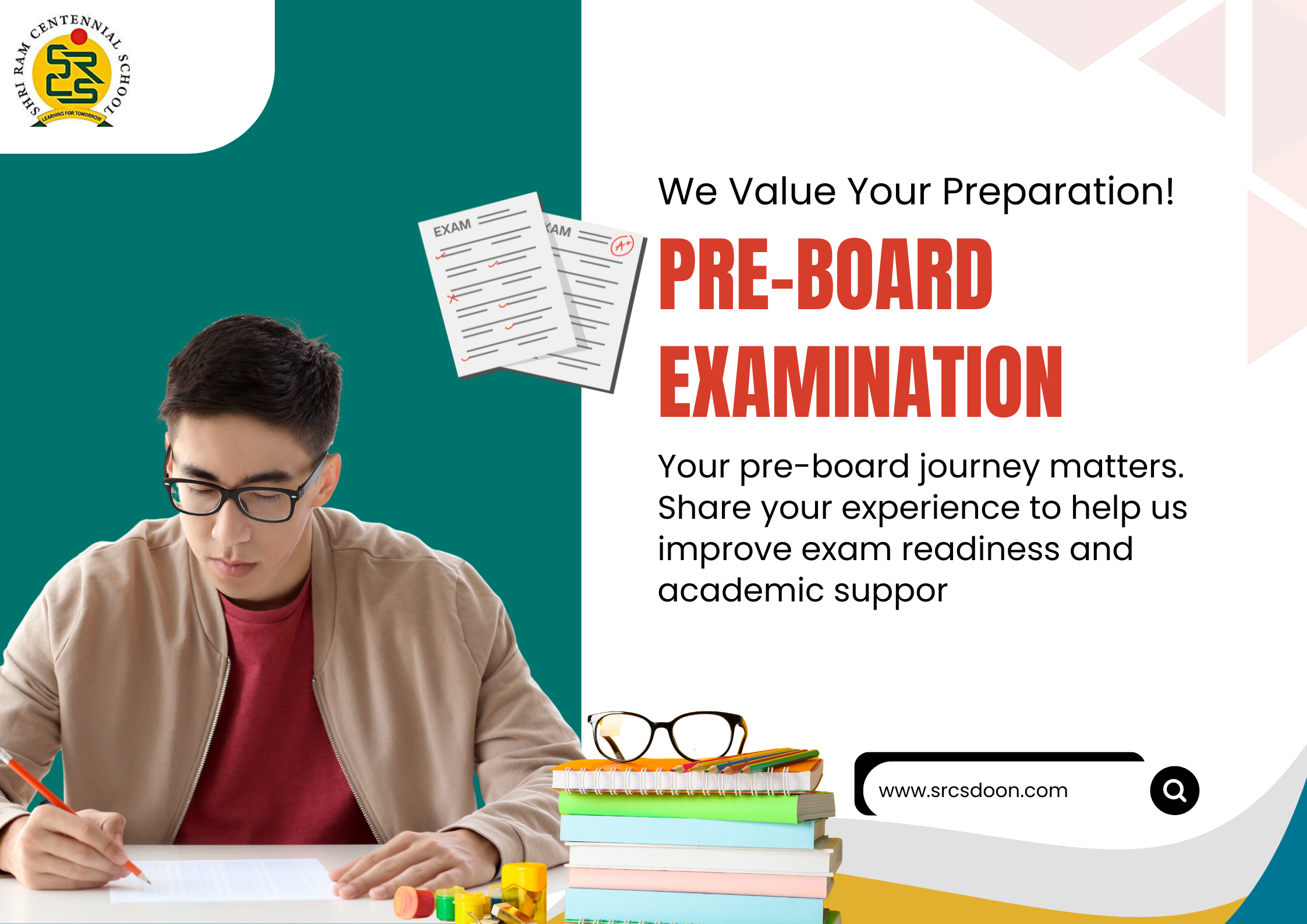
In the academic journey of secondary and senior secondary students, internal assessments play a crucial role in shaping final outcomes. Among these, the Pre-Board Examination holds a special place. Conducted before the actual board exams, it serves as a structured checkpoint that allows students, parents, and teachers to realistically assess preparedness. Rather than being just another test, it acts as a mirror—reflecting strengths, gaps, and areas that need immediate attention. When approached with the right mindset, this examination becomes a powerful tool for improving performance in the final boards.
What Is a Pre-Board Examination?

A pre-board examination is a full-length mock test conducted by schools before the official board exams. It follows the same syllabus, exam pattern, marking scheme, and time limits as the final board examination.
The main objective of pre-boards is to familiarize students with real exam conditions and evaluate their readiness for boards.
Why Pre-Board Examinations Matter in Board Exam Preparation

1. Realistic Self-Assessment
One of the biggest advantages of pre-board exams is that they offer an honest evaluation of a student’s readiness. Unlike smaller unit tests, these exams demand sustained focus and conceptual clarity. Performance data helps identify weak chapters, common errors, and time management issues well before the final exam window.
2. Familiarity With Exam Pressure
Board exams often feel overwhelming due to unfamiliar pressure. Pre-board exams reduce this fear by simulating the same environment. Repeated exposure builds emotional resilience, making students calmer and more confident during the actual exam.
3. Improved Answer Writing Skills
Many students know the content but struggle with presentation. Pre-board answer sheets allow teachers to give detailed feedback on structure, clarity, and relevance. This guidance helps students align their responses with examiner expectations.
4. Strategic Academic Planning
Based on pre-board performance, students can adjust their study plans. Time can be allocated more effectively, focusing on high-weightage topics and frequently tested concepts. This strategic approach is commonly observed among students from top schools in India, where assessment data is actively used to improve outcomes.
Common Challenges Faced During Pre-Board Examinations

Academic Pressure and Anxiety
The seriousness of these exams can create stress, especially when expectations are high. Poor performance may temporarily affect confidence, but it is important to remember that pre-boards are diagnostic, not final judgments.
Time Management Issues
Many students struggle to complete papers within the given time. This challenge often highlights inefficient writing habits or insufficient practice, both of which can be corrected with focused effort.
Incomplete Conceptual Clarity
Pre-board results sometimes reveal gaps in foundational understanding. While this can be discouraging, it is also valuable information that allows timely correction before boards.
How to Prepare Effectively for Pre-Board Examinations

Create a Structured Study Plan
A well-organized timetable helps balance syllabus completion and revision. Allocating time slots for each subject, along with short revision cycles, ensures consistency without burnout.
Focus on Concept-Based Learning
Rote memorization may help in short tests but often fails in comprehensive exams. Understanding concepts deeply allows students to tackle application-based and analytical questions with confidence.
Practice With Previous Question Papers
Solving past board-level papers under timed conditions improves speed, accuracy, and familiarity with question patterns. This practice also builds endurance for long exam sessions.
Value Independent Learning
Teachers provide guidance, but consistent self-effort determines success. Recognizing the Importance of Self-Study helps students take ownership of their preparation, revise regularly, and clarify doubts proactively.
Review and Reflect After Every Test
Post-exam analysis is as important as preparation. Reviewing mistakes, understanding examiner comments, and correcting repeated errors ensures steady improvement.
Role of Parents During Pre-Board Exams

Parents should:
- Encourage consistency, not pressure
- Help maintain a healthy routine
- Support revision and doubt-solving
- Keep motivation levels high
Positive parental support can greatly impact a student’s confidence and performance.
Conclusion
The Pre-Board Examination is not merely a preparatory test; it is a critical academic milestone that bridges learning and performance. When used wisely, it helps students understand their true readiness, overcome exam anxiety, and fine-tune preparation strategies. With thoughtful planning, constructive feedback, and consistent effort, students can transform pre-board experiences into stepping stones toward excellent board results. Ultimately, success lies not in avoiding mistakes, but in learning from them before it truly counts.
Frequently Asked Questions (FAQs)
1. What is a Pre-Board Examination?
A Pre-Board Examination is a full-length practice test conducted before board exams to assess a student’s readiness under real exam conditions.
2. Are pre-board exams compulsory for board students?
Most schools make pre-board exams mandatory as they help evaluate preparation level and improve final board performance.
3. Do pre-board marks affect board exam results?
Pre-board marks do not directly impact board results, but they help identify weaknesses that can be corrected before the final exams.
4. How many pre-board exams are usually conducted?
Schools generally conduct one or two pre-board exams depending on their academic calendar and syllabus completion.
5. How should students use pre-board results effectively?
Students should analyze mistakes, revise weak areas, and adjust their study strategy based on feedback received after the exam.