





Examinations are an important part of academic life, but they often create pressure, anxiety, and mental fatigue for students across all age groups. While a small amount of stress can be motivating, excessive pressure can affect concentration, memory, and overall performance.
Reducing exam stress is not about quick fixes or last-minute efforts; it involves developing balanced, realistic study habits that support effective learning and emotional well-being through consistent preparation.
Understanding Why Exam Stress Happens

Before solutions can be effective, it is important to understand the roots of exam stress. Academic pressure rarely comes from exams alone. It often builds over time due to expectations, comparisons, fear of failure, and unclear preparation methods.
Common Causes of Exam Stress
Students may feel overwhelmed due to:
-
Heavy syllabi combined with limited preparation time
-
Lack of structured study planning
-
Pressure from parents, peers, or institutions
-
Fear of disappointing others or themselves
-
Poor sleep and irregular routines
In competitive academic environments, including those associated with a top school india, expectations can intensify stress levels if emotional support is overlooked.
The Impact of Stress on Learning and Performance

Excessive stress does more than create discomfort. It directly interferes with how the brain processes and retrieves information.
How Stress Affects Students
When stress levels rise:
-
Concentration becomes inconsistent
-
Memory recall weakens
-
Motivation drops despite effort
-
Confidence declines during exams
Over time, unmanaged stress can reduce interest in learning and affect long-term academic confidence. This is why effective stress management should be seen as part of academic development, not separate from it.
Practical Study Strategies That Truly Help

Effective stress reduction does not require extreme routines or rigid schedules. Instead, it relies on clarity, consistency, and realistic expectations.
Creating a Balanced Study Plan
A clear study plan provides direction and reduces uncertainty. Rather than long, exhausting sessions, shorter and focused study blocks are more effective.
Key principles include:
-
Dividing the syllabus into manageable sections
-
Setting daily goals instead of vague targets
-
Allowing buffer time for revision and rest
This structured approach supports steady Exam Preparation while preventing last-minute panic.
Active Learning Over Passive Reading
Many students spend hours reading notes without truly engaging with the material. Active learning methods improve understanding and reduce anxiety by building confidence.
Effective techniques include:
-
Teaching concepts aloud in simple language
-
Writing short summaries after each topic
-
Practicing with sample questions
-
Connecting concepts to real-life examples
Active engagement improves retention and reduces the fear of forgetting information during exams.
Consistency Over Intensity
One of the most common mistakes students make is studying intensely for short periods and then stopping entirely. Consistency creates familiarity, which naturally reduces stress.
Short, regular study sessions:
-
Prevent information overload
-
Improve long-term memory
-
Reduce guilt associated with procrastination
When studying becomes a routine rather than a reaction, anxiety levels gradually decrease.
Supporting Mental and Physical Well-Being

Study strategies alone are not enough if physical and emotional health are neglected. The mind performs best when the body is cared for.
The Role of Sleep and Nutrition
Adequate sleep strengthens memory and focus, while poor sleep increases irritability and confusion. Balanced meals help maintain energy levels and stabilize mood.
Healthy routines include:
-
Maintaining a fixed sleep schedule
-
Avoiding heavy study sessions late at night
-
Staying hydrated throughout the day
These habits may seem basic, but they significantly influence academic performance and emotional balance.
Managing Negative Thoughts and Expectations
Exam stress often grows from internal pressure rather than external demands. Students may set unrealistic expectations or compare themselves unfairly with others.
Helpful mindset shifts include:
-
Viewing exams as assessments, not judgments
-
Accepting that mistakes are part of learning
-
Focusing on effort rather than perfection
When expectations become realistic, students feel more in control and less overwhelmed.
The Role of Parents and Educators

Stress reduction is not the responsibility of students alone. Support systems play a crucial role in shaping how students perceive exams.
How Adults Can Help
Parents and educators can:
-
Encourage open conversations about stress
-
Avoid comparing performance with others
-
Recognize effort, not just results
-
Promote healthy routines alongside academics
A supportive environment reassures students that their value extends beyond exam scores.
Challenges in Reduce Exam Stress
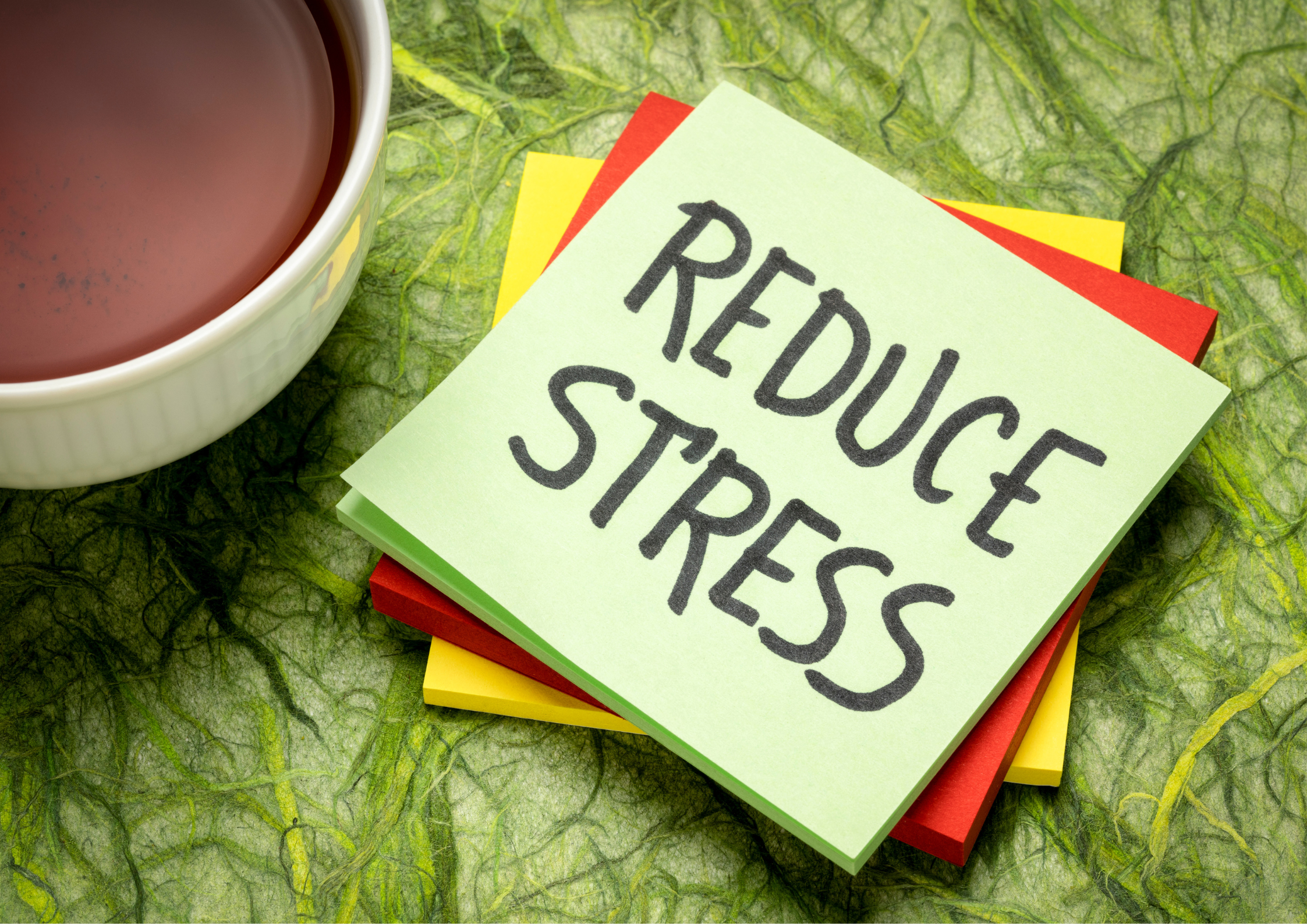
Despite good intentions, students may still struggle to manage stress effectively. Understanding common challenges helps address them constructively.
Common Obstacles
Some students face:
-
Difficulty maintaining consistency
-
Fear of falling behind peers
-
Pressure from competitive academic cultures
-
Lack of guidance on effective study methods
These challenges highlight the need for personalized strategies rather than one-size-fits-all solutions.
Long-Term Benefits of Stress-Aware Study Habits

When students learn to manage stress early, the benefits extend far beyond examinations.
Positive Outcomes Include
-
Improved academic confidence
-
Better emotional regulation
-
Stronger time-management skills
-
Healthier attitudes toward learning
These skills support lifelong learning and resilience, preparing students for future academic and professional challenges.
Conclusion: Building Confidence Through Smart Preparation
Learning how to reduce exam stress-related pressure is not about eliminating stress entirely but about managing it wisely. Practical study strategies, combined with emotional awareness and supportive environments, help students approach exams with clarity and confidence.
When preparation is structured, expectations are realistic, and well-being is prioritized, exams become opportunities to demonstrate understanding rather than sources of fear. Over time, these habits empower students to perform better academically while maintaining balance and self-belief.
Frequently Asked Questions (FAQs)
1. Can exam stress affect physical health in students?
Yes. Prolonged academic stress can lead to headaches, stomach issues, sleep disturbances, fatigue, and weakened immunity, especially during exam seasons.
2. Is it normal to feel stress even after good preparation?
Yes. Feeling nervous despite preparation is common and does not mean the student is unprepared. Mild stress is a natural response to evaluation and often fades once the exam begins.
3. How early should students start preparing to avoid exam pressure?
Ideally, preparation should begin weeks in advance with gradual revision. Early planning reduces last-minute cramming and helps maintain emotional balance.
4. Do mock tests help reduce exam-related anxiety?
Yes. Mock tests improve familiarity with exam patterns, build confidence, and help students manage time better under exam-like conditions.
5. When should parents consider professional help for exam stress?
If stress causes persistent panic, withdrawal, severe sleep loss, or physical symptoms, professional guidance from a counselor or psychologist is recommended.