





Physical activity is one of the most important parts of a student’s overall growth and development. In today’s fast-paced and technology-driven world, many students spend long hours studying, attending online classes, or using mobile devices. As a result, they often do not get enough time for exercise or outdoor activities.
For students in boarding schools in Dehradun and other cities, structured routines often leave little room for free movement. This makes it even more important for schools to include sports, games, exercise, and recreational activities in the daily schedule.
Why Physical Activity is Essential for Students?
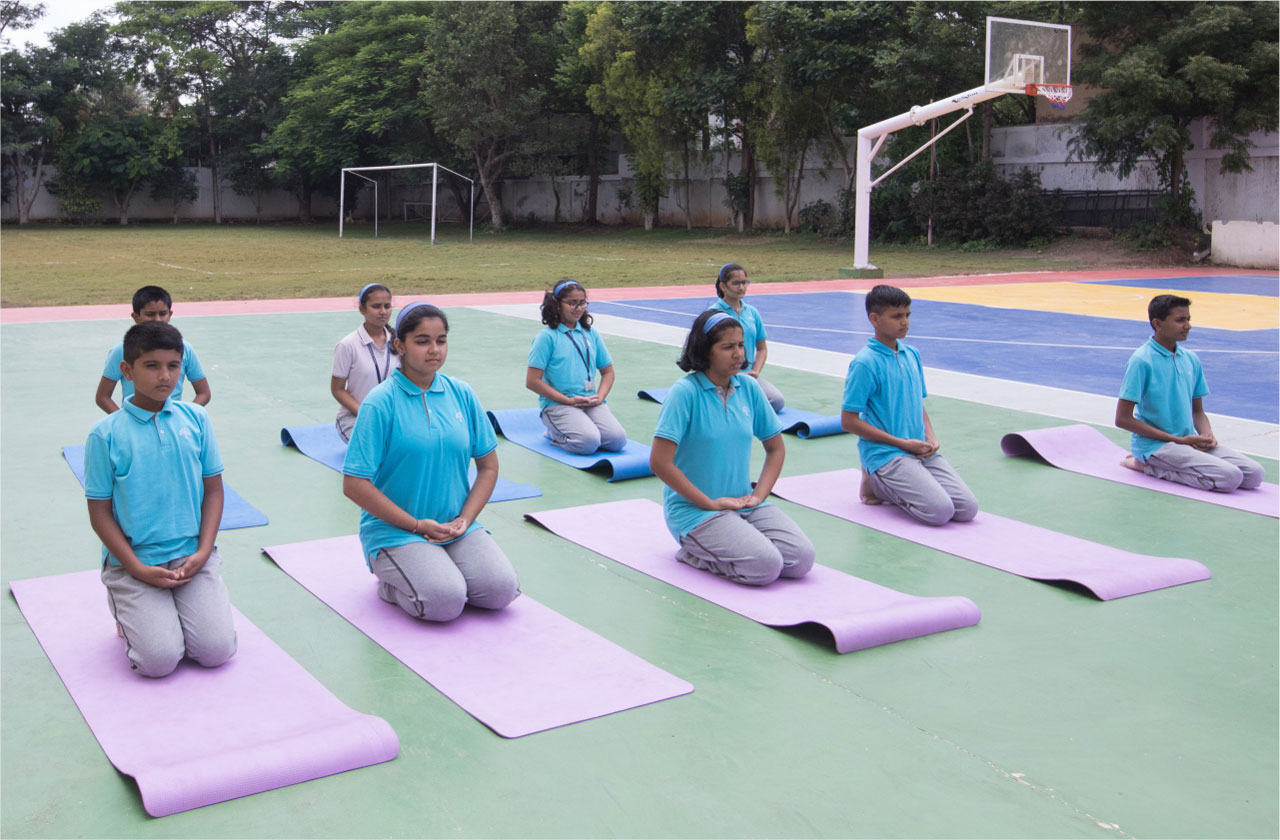
Physical activity helps students become healthier, more energetic, and more confident. It supports their physical, emotional, and mental growth while teaching them discipline and teamwork.
Students who engage in regular exercise are more likely to:
- Stay physically fit
- Feel less stressed
- Perform better in school
- Develop strong social skills
- Sleep better
- Maintain a healthy weight
- Build confidence and self-esteem
In simple words, physical activity creates a strong foundation for a healthy and successful life.
Key Benefits of Physical Activity for Students
1. Improves Physical Health
One of the most obvious benefits of physical activity for students is maintaining good health. Some key advantages include:
- Stronger muscles and bones, reducing the risk of injuries and osteoporosis later in life.
- Enhanced cardiovascular health, lowering the chances of obesity, diabetes, and heart diseases.
- Improved posture, flexibility, and overall fitness.
- Boosted immunity, making students less prone to illnesses.
2. Enhances Mental Well-being
Regular physical activity is closely linked to mental health. It helps students:
- Reduce stress and anxiety, as exercise releases endorphins, the body’s natural mood lifters.
- Improve concentration and cognitive function, leading to better academic performance.
- Enhance self-esteem and confidence, making students feel more accomplished and capable.
3. Boosts Academic Performance
Contrary to the misconception that sports and exercise take time away from studies, research shows that physical activity for students enhances brain function. Regular movement improves:
- Memory retention and learning capabilities.
- Focus and attention span, allowing students to grasp concepts more efficiently.
- Creativity and problem-solving skills, which are essential for academic success.
4. Encourages Social Interaction and Teamwork
Boarding school students spend most of their time with peers, making social skills crucial. Engaging in group sports and outdoor activities helps:
- Foster friendships and teamwork.
- Improve leadership and decision-making skills.
- Teach valuable life lessons such as discipline, perseverance, and sportsmanship.
5. Prevents Sedentary Lifestyle and Obesity
With increased screen time and digital learning, students today are at a higher risk of obesity and related health issues. Regular exercise helps maintain a healthy weight and reduces the risk of lifestyle-related diseases.
How Boarding Schools Can Integrate Physical Activity?

Schools play a major role in helping students stay active. They should create an environment where exercise and movement are a regular part of daily life.
1. Include Daily Physical Education Classes
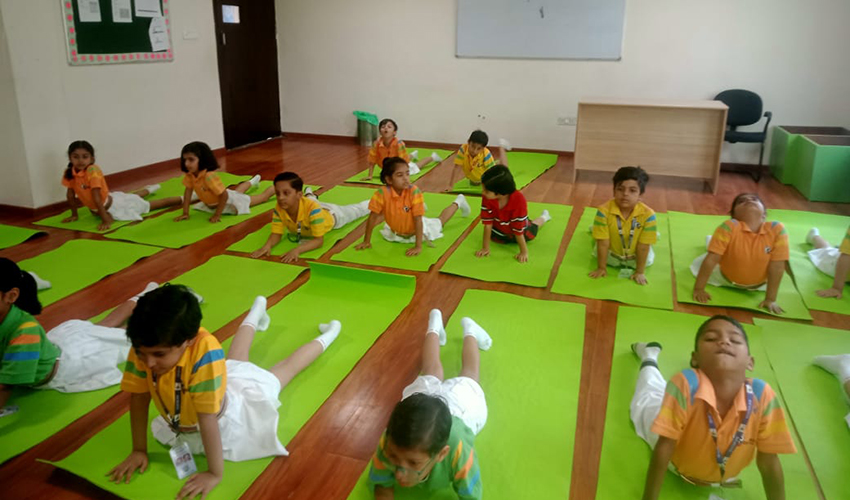
Schools should make physical education classes mandatory. Activities such as yoga, sports, athletics, and stretching can help students stay fit and active.
2. Organize Sports Competitions
Sports competitions encourage students to participate, improve their skills, and build confidence. Inter-house games, annual sports days, and fitness challenges can increase interest in physical activity.
3. Give Students Active Breaks
Short breaks between classes can help students refresh their minds. Schools can include stretching sessions, quick walks, or light exercises during breaks.
4. Promote Outdoor Activities
Outdoor activities such as trekking, nature walks, camping, and adventure sports can make exercise more enjoyable and exciting for students.
5. Encourage Healthy Lifestyle Habits
Schools should educate students about the importance of a balanced diet, proper sleep, hydration, and exercise. Healthy habits help students maintain good physical and mental health.
Recommended Daily Physical Activity for Students
According to health experts, children and teenagers should get at least 60 minutes of moderate to vigorous physical activity every day.
This can include:
| Activity Type | Time Duration |
|---|---|
| Walking or Jogging | 15–20 minutes |
| Outdoor Sports | 20–30 minutes |
| Stretching or Yoga | 10–15 minutes |
| Cycling or Swimming | 15–20 minutes |
Following a regular exercise routine can help students stay fit, focused, and active.
Conclusion
Physical activity is essential for every student because it supports better health, stronger mental well-being, improved academic performance, and overall personality development.
Students who stay active are more confident, energetic, and better prepared to face academic and personal challenges. Whether through sports, yoga, outdoor games, or exercise, every student should make physical activity a regular part of daily life.
Schools, parents, and teachers all have an important role in encouraging healthy habits. By making physical activity a priority, they can help students build a healthier, happier, and more successful future.
Frequently Asked Questions
1. Why is physical activity important for students?
Physical activity is important because it improves health, concentration, confidence, and academic performance while reducing stress and obesity.
2. How much physical activity should students get every day?
Students should get at least 60 minutes of moderate to vigorous physical activity every day.
3. What are the best physical activities for students?
Some of the best activities include running, cycling, yoga, swimming, football, basketball, cricket, and dancing.
4. How does exercise improve academic performance?
Exercise improves blood flow to the brain, which helps students focus better, improve memory, and perform well in studies.
5. How can schools encourage physical activity?
Schools can encourage physical activity by organizing sports events, including PE classes, giving active breaks, and promoting outdoor activities.