





Time management tips for students will help balance studies, sports, hobbies, family time and personal responsibilities more easily. Students’ schedules are often full, and trying to do everything at the last minute can lead to unnecessary stress.
Good time management for students isn’t about studying every spare minute. It’s about knowing what’s important, planning ahead and making sure there’s enough time for academics as well as activities that contribute to overall well-being.
Whether a student is revising for exams, playing sports, attending extracurricular activities or just trying to maintain a healthy routine, good time management can help to make everyday life more organised.
Why Time Management Matters for Students
Students are busy with many competing responsibilities. This may mean fitting in schoolwork around sports practice, hobbies, social activities, family commitments and getting enough rest.
Students may spend too much time on one task and leave other important responsibilities until the last minute without a plan.
Learning time management for students can help them:
- Prioritise important tasks
- Meet deadlines
- Reduce last-minute work
- Make time for sports and hobbies
- Develop better study habits
- Build independence
- Maintain a more balanced routine
The objective is not to create a schedule that is impossible to follow. A useful schedule should be realistic and flexible.
1. Create a Daily Schedule
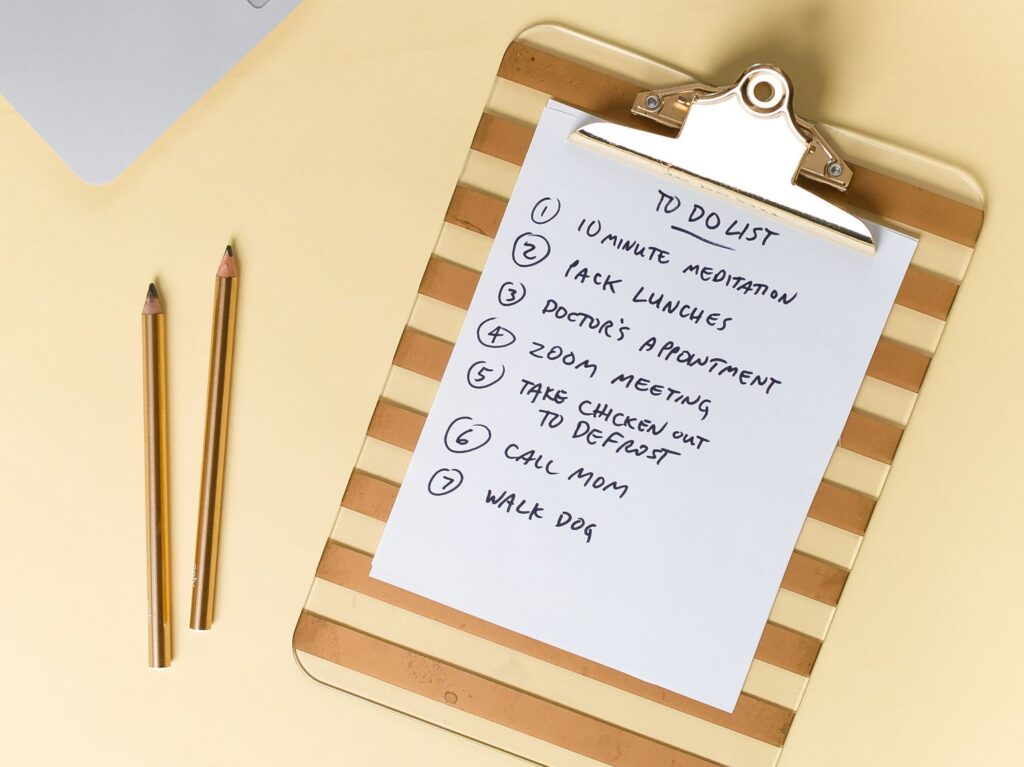
One of the easiest tips for time management for students is to make a daily schedule.
Write down the things you need to do every morning or the night before.
For example:
- School or classes
- Homework
- Revision
- Sports practice
- Extracurricular activities
- Personal time
- Family time
- Rest
A written schedule makes responsibilities easier to see and can help students avoid forgetting important tasks.
2. Prioritise Your Tasks
Some jobs are more important than others.
Students should be able to distinguish between urgent tasks and those that can be postponed.
The easiest way is to divide your work into three categories:
High Priority – Important assignments, upcoming tests, and urgent deadlines.
Medium priority: Homework, revision, and ongoing projects on a regular basis.
Low priority: Work that can be deferred without impacting other responsibilities.
Stops students wasting too much time on things that are not important when important deadlines are coming up.
3. Set Specific Study Goals
“Study for two hours” is an ambiguous goal.
In this study, we aimed specifically to:
“Do two maths exercises and revise one science chapter.”
Having specific goals helps you know what you need to do.
Students can also break down bigger assignments into smaller tasks. A large project can be divided into smaller steps to make it seem less daunting.
4. Balance Studies and Sports

Many students incorporate sports into their routines, but balancing training and studies requires planning.
Students can allocate different blocks of time for sports and studies rather than view them as a competition.
For instance:
4:00–5:30 PM Sports training
6:00 – 7:00 PM Homework
7.30–8.30 pm: Revision
The exact schedule will depend on the student’s school schedule.
The trick is to schedule the academic work around the fixed activities rather than always postponing it.
5. Avoid Procrastination
Procrastination can easily get a student’s schedule out of whack.
A task that could have been done in 30 minutes may be stressful if left until the deadline.
A useful strategy is to start by starting with a small part of the task.
For example, instead of thinking, “I have to finish this whole project”, think:
- Reading the instructions.
- Requirements as stated.
- Searching for the necessary details.
- First section done.
Often, when you break the task into smaller steps, it is easier to begin.
6. Use Short, Focused Study Sessions
Students do not have to study for hours at a time.
Shorter and more focused study sessions can be easier to manage.
For example, a student may work for 40-50 minutes, take a short break, and then return to work.
When studying, try to eliminate all possible distractions. Students can concentrate on the task by avoiding unnecessary notifications, entertainment and unrelated activities.
7. Make Time for Personal Life
A well-rounded schedule should include more than just academics and activities.
Students also need time to relax, to pursue hobbies, family, friends and personal interests.
Personal time can help students recharge and return to their duties with a greater sense of focus.
Good time management for students, therefore, is managing time wisely, not cramming every hour with work.
8. Keep Track of Deadlines

Students often have multiple assignments and tests at the same time.
A calendar, planner, or digital reminder can help them keep track of:
- Assignment deadlines
- Tests
- Projects
- Sports competitions
- School events
- Important activities
Writing deadlines down reduces the chance of forgetting them.
Students can also work backwards from a deadline and decide when each part of a larger assignment should be completed.
9. Limit Unnecessary Distractions
Phones, social media, games and the continuous flow of notifications can easily interrupt study time.
Students don’t need to completely give up technology. Instead, they can allocate specific times for entertainment and communication.
To reduce distractions from your focused study sessions, you can turn off non-essential notifications or put your phone out of view from your study area.
This simple habit can help you get more out of your study time.
10. Review and Improve Your Schedule

A schedule does not have to remain the same every day.
At the end of the week, students can ask:
- Which tasks took longer than expected?
- Did I get enough study time?
- Did I make time for sports?
- Did I have enough personal time?
- Which activities caused unnecessary delays?
- What should I change next week?
This weekly review can help students develop a schedule that actually fits their lifestyle.
How to Balance Studies, Sports, and Personal Life
Finding the right balance does not mean giving equal time to every activity.
Some weeks may require more academic preparation because of examinations. During another period, sports competitions or school projects may require additional attention.
The important thing is to recognise changing priorities and adjust the schedule accordingly.
A balanced routine might include:
| Activity | Purpose |
| Studies | Academic progress |
| Sports | Physical activity and teamwork |
| Hobbies | Creativity and personal interests |
| Family & friends | Social connection |
| Rest | Recovery and well-being |
| Personal tasks | Independence and responsibility |
The exact amount of time given to each area should depend on the student’s age, responsibilities, school schedule, and individual needs.
Time Management Is More Than Making a Timetable
A timetable is not the solution to bad time management.
Students also need to learn skills such as prioritisation, estimating time needed for assignments, not procrastinating, and adjusting plans when things change.
For example, a student who creates a detailed schedule but continues to procrastinate on assignments has not solved the underlying problem.
Students should translate their plans into routine actions to manage time effectively.
The Role of Parents and Teachers
Instead of creating unnecessarily demanding schedules, parents and teachers can support students by helping them develop realistic routines.
Teachers can assist learners in comprehending deadlines and divide larger assignments into manageable stages.
“Parents can help students plan responsibilities, maintain healthy routines and learn from schedules that don’t work.
The aim should be to gradually help the students in managing their own time and being more independent.
Common Time Management Mistakes Students Should Avoid
Even a well-planned schedule can fail when students make a few common mistakes.
Trying to Do Everything at Once
Multitasking can make it harder to concentrate. Students should focus on one important task at a time whenever possible.
Creating an Unrealistic Schedule
A timetable packed with activities and no breaks is difficult to maintain.
Ignoring Rest
Rest should be part of a student’s routine rather than something added only when all work is finished.
Leaving Everything Until the Deadline
Last-minute work can create unnecessary pressure and reduce the time available for reviewing or improving an assignment.
Not Adjusting the Plan
Unexpected events happen. A good schedule should allow students to adjust priorities when necessary.
Conclusion
Effective time management tips for students are the key to balancing your academic responsibilities with sports, hobbies, family time and personal interests.
The best way is not to create the busiest schedule possible. Students should instead identify their priorities, set realistic goals, break larger tasks into smaller, manageable steps, minimise distractions and regularly review their routines.
Good time management for students is a skill that is learned. Students may have to try out different schedules before they find an approach that works for them.
The end goal is simple: study well, get involved in activities, make time for your own life and keep a sustainable routine.
Frequently Asked Questions (FAQs)
Q1. What are some time management tips for students?
Ans: Schedule realistically. Prioritise key tasks. Set clear objectives. Monitor deadlines. Minimise interruptions. Review your schedule periodically.
Q2. How do students manage studies and sports?
Ans: Students may decide on certain time slots for academic work and sports practice. Scheduling assignments around fixed activities can help ensure neither responsibility is overlooked.
Q3. Why is time management necessary for students?
Ans: By managing their time well, students can organise their responsibilities, meet deadlines, avoid last-minute work and make time for academics, activities, rest and personal interests.
Q4. How can students avoid procrastination?
Ans: Break big assignments into smaller steps, start early, set specific goals and work in focused sessions to make tasks easier to manage.
Q5. Can students have some personal time and do well academically?
Ans: Yes. Effective time management for students means using the time they have effectively, not studying all the time. A balanced schedule should include academics, activities, personal time and enough rest.