
Boarding school life is different from attending a day school. Students learn, live, play and spend an inordinate amount of time in the school environment. This setting can offer a chance to be more independent, to form friendships, engage in activities and develop practical life skills.
But, for parents, it is a major decision to send their children to boarding schools. As is to be expected, there are questions about social life, schoolwork, housing, food, safety, friends, and student transition to living away from home.
Before making the decision, parents and students should have realistic expectations about life in a boarding school by understanding what to expect.
What Is Life Like in a Boarding School?
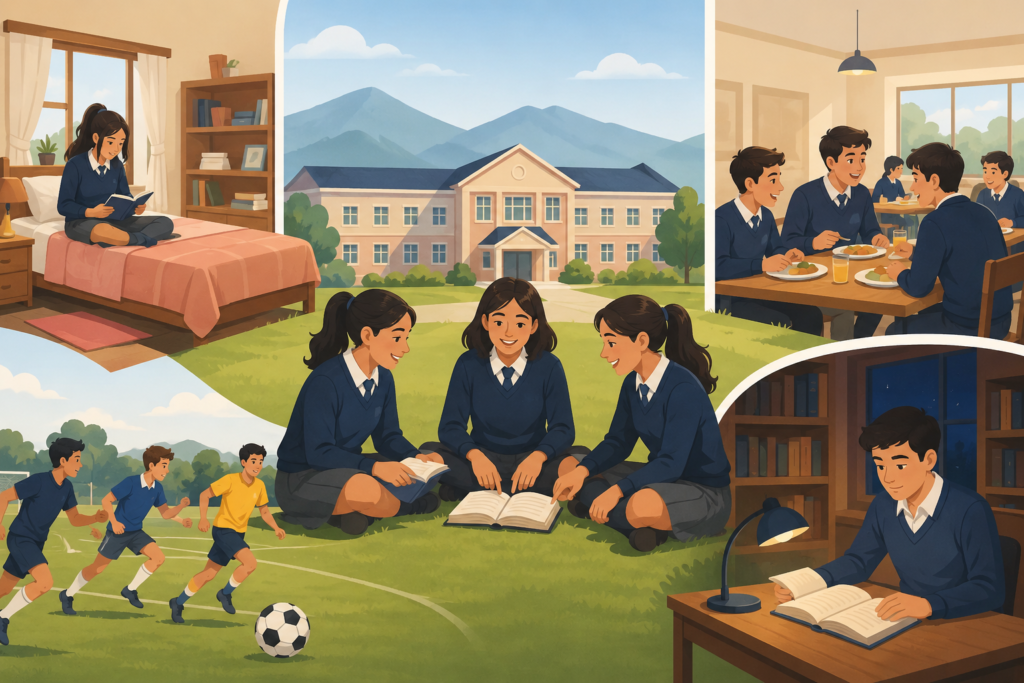
The average boarding school integrates the academic programme with the boarding experience. The majority of the students have a routine daily programme which consists of lessons, study times, meals, recreation and time for rest and extracurricular activities.
The method varies from school to school, but the goal is typically to provide a well-rounded setting that allows students to receive their education and to be taught personal and social skills.
Boarding is an ongoing experience, not a short residential camp. Students become a part of a community where teachers, residential staff and peers support students’ daily lives.
A Typical Boarding School Routine
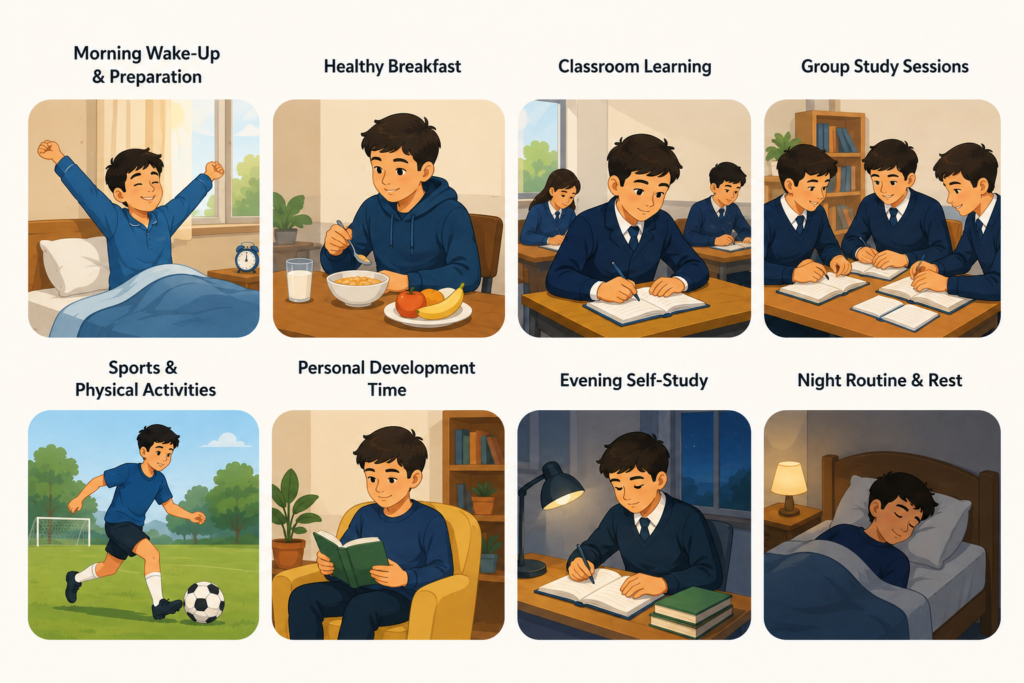
One of the first things students notice is the structured nature of boarding school life.
A typical weekday may include:
- Morning routine and preparation
- Breakfast
- Academic classes
- Lunch
- Sports or extracurricular activities
- Evening study or supervised preparation
- Dinner
- Personal time
- Preparation for the next day
- Bedtime
The exact timings and activities depend on the school and the student’s age.
This will help students to get used to time management and organisation. Meanwhile, a proper setting for boarding should be able to give pupils sufficient opportunities for relaxation and personal interests rather than only putting them through a series of activities.
Academics and Study Time
Academics remain an important part of the boarding school experience.
As students will be residing in the residence, they will have access to supervised study periods, teachers, libraries, laboratories, academic supports and academic opportunities outside of class hours.
A good time to work on developing a routine of study is also in the residential setting.
But parents should not take it for granted that having their children at a boarding school will increase academic outcomes. Academic achievement is influenced by teaching quality, curriculum, pupil effort, pupil support and the child’s needs.
The right school must create a learning environment which promotes the learning of students and ensures a balance in all other aspects of their life.
Friendships and Social Life
Friendships are an important part of boarding school life.
Pupils have a lot of contact with one another during lessons, lunchtime, sports, clubs, study time and residence. The common experiences can build good friendships and belonging.
Students also learn how to relate to others with contrasting personalities, interests, opinions and backgrounds.
This can help develop:
- Communication skills
- Cooperation
- Empathy
- Conflict-resolution skills
- Teamwork
- Respect for others
At the same time, disagreements between students are normal. Parents should ask how the school handles conflicts, bullying, peer pressure, and student well-being before making a decision.
Sports and Extracurricular Activities
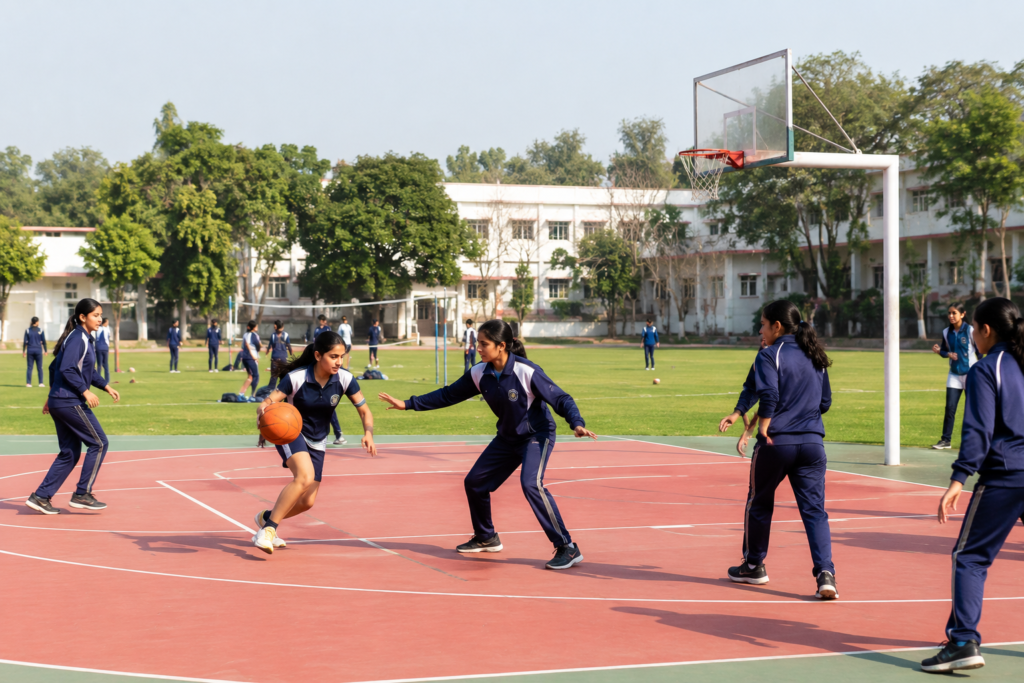
A significant part of the boarding school experience can take place outside the classroom.
Depending on the school, students may participate in:
- Football
- Basketball
- Cricket
- Athletics
- Swimming
- Music
- Art
- Drama
- Debates
- Clubs
- Leadership activities
- Community initiatives
These activities provide students with opportunities to explore interests that may not be visible through academic performance alone.
They can also teach discipline, teamwork, perseverance, and responsibility.
Developing Independence
A major distinction between day school and boarding is the progressive autonomy that is gained by the pupils.
Students might need to organise their belongings, manage their schedules, prepare for classes, keep personal schedules and make decisions on a day-to-day basis without the direct parental support.
This doesn’t mean that students will have to do everything on their own. The residential staff and teachers offer guidance and supervision.
Rather, students are slowly and progressively taught the responsibility of appropriate elements in their everyday life.
Meals and Daily Living
Food is another practical part of life in a boarding school that parents should investigate carefully.
Parents should understand:
- How meals are planned
- How frequently meals are served
- Whether menus are varied
- How dietary requirements are handled
- How drinking water is provided
- How food hygiene is maintained
Students may initially need time to adjust to eating meals away from home. Having familiar routines and opportunities to communicate concerns can make this transition easier.
Homesickness and Emotional Adjustment
One of the most common issues that parents have with boarding is homesickness.
Some students adapt very rapidly; others take longer. Not being able to have family, familiar surroundings, pets or routines can be a part of the transition.
A supportive school should ensure that students have the opportunity to talk to their families and/or receive appropriate pastoral care.
Parents can also help children by preparing them in an honest way to get ready for the gathering. Exaggerating the boarding experience can set high expectations. It’s preferable to say there are going to be exciting days and difficult or unfamiliar days.
Safety and Student Well-Being
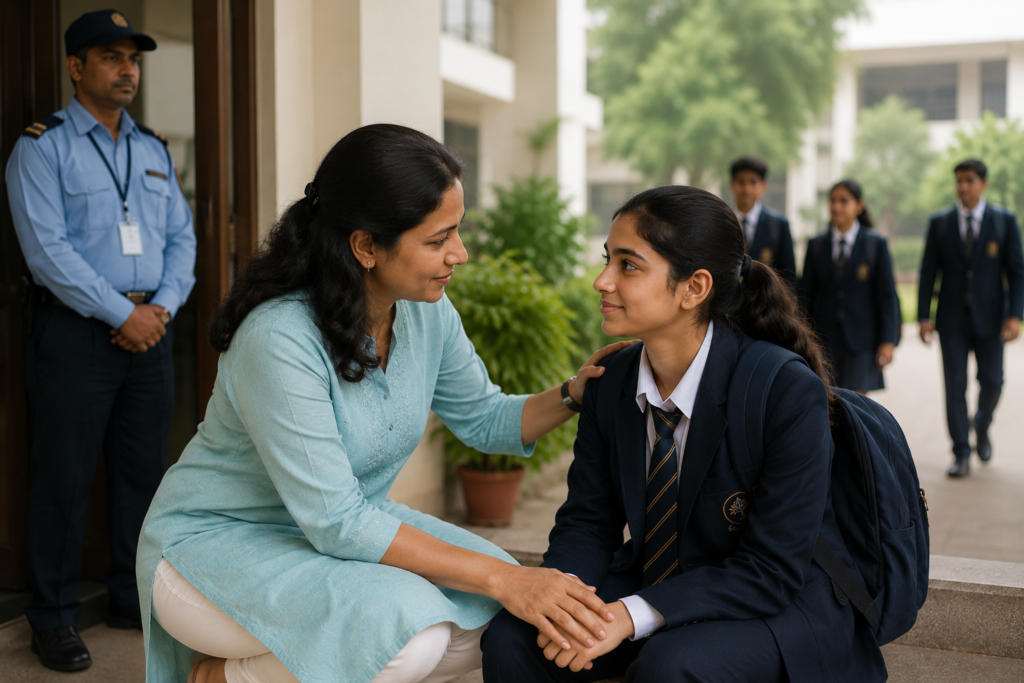
Safety should be one of the most important considerations when evaluating boarding school life.
Parents should ask about:
- Residential supervision
- Campus security
- Medical facilities
- Emergency procedures
- Student safeguarding
- Visitor policies
- Anti-bullying measures
- Staff availability
- Communication with parents
The physical facilities matter, but student well-being matters just as much.
A good residential environment should give students access to trusted adults who can listen to concerns and provide appropriate support.
What Parents Can Expect
There will be some changes to be expected once your child enters boarding school, and parents should be prepared for these.
A child might start to be more independent and have more interests/friendships. Communication may also shift due to the lack of the student being at home daily.
Expecting quick change is not a good idea for parents. This process of adjustment can take some time and is individual to each student.
For parents, it helps to keep in touch with their child regularly, but not to be constantly managing decisions for them from afar.
The aim is to be supportive while providing the student with opportunities to become more independent.
What Students Should Expect
Students considering boarding should understand that the experience involves both freedom and responsibility.
They can expect to:
- Meet new people
- Follow a structured routine
- Participate in activities
- Share spaces with other students
- Manage some personal responsibilities
- Spend time away from family
- Adapt to different routines and expectations
There may also be moments when students feel frustrated, tired, or homesick. These experiences do not necessarily mean boarding is unsuitable. Adjustment is often a gradual process.
Students who communicate their concerns and seek help when needed are more likely to adapt effectively.
Boarding School Life Is More Than Living Away From Home
Boarding is often referred to as ‘school plus accommodation’, but there is more to it.
Students are involved in a community.
They eat together, engage in activities with others, learn together, enjoy success together, resolve conflict together and go through normal routines together.
This can provide opportunities for learning outside the formal lesson, which happens naturally.
A student can gain experience of teamwork in a sporting game, responsibility in a leadership position, or independence with managing their daily routine.
These are experiences that can be very influential for personal growth.
How Parents Can Choose the Right Boarding School
Every boarding school is different, so parents should evaluate the actual environment rather than relying only on rankings, advertisements, or reputation.
Before choosing a school, consider:
1. Academic Approach
Understand the curriculum, teaching methods, academic support, and assessment system.
2. Residential Facilities
Look at accommodation, study spaces, dining facilities, recreation areas, and cleanliness.
3. Student Safety
Ask about supervision, safeguarding, medical support, emergency procedures, and anti-bullying policies.
4. Daily Routine
Understand how students divide their time between academics, activities, recreation, and rest.
5. Extracurricular Opportunities
Check whether students have genuine opportunities to explore sports, arts, clubs, leadership, and other interests.
6. Communication With Parents
Find out how frequently parents receive updates and how students can communicate with their families.
7. Student Support
Ask how the school supports students during academic difficulties, homesickness, conflicts, or other challenges.
Conclusion
Life in a boarding school involves much more than attending classes away from home. Students become part of a community where academics, friendships, activities, routines, and personal responsibilities are closely connected.
For some students, this environment can provide valuable opportunities to develop independence, confidence, teamwork, and life skills. For others, adapting to residential life may require more time and support.
That is why parents should look beyond impressive facilities or academic claims when choosing a school. The most important question is whether the school’s boarding school experience matches the child’s personality, needs, interests, and readiness for residential life.
A well-planned decision, realistic expectations, and open communication between parents, students, and the school can make the transition to boarding much smoother.
Frequently Asked Questions
Q1. What is boarding school life like for students?
Ans: Boarding school life generally combines academics, residential living, sports, extracurricular activities, study periods, recreation, and social interaction within a structured school community.
Q2. Is life in a boarding school difficult?
Ans: The transition can be challenging for some students, particularly at the beginning. Adjusting to a new routine and living away from family takes time, but supportive staff, friendships, and clear routines can make the process easier.
Q3. What do students do after school in a boarding school?
Ans: Students may participate in sports, clubs, creative activities, study sessions, leadership programmes, recreational activities, or supervised personal time, depending on the school’s schedule.
Q4. Does boarding school help students become independent?
Ans: Living in a structured residential environment can provide opportunities for students to develop independence, responsibility, organisation, and time-management skills.
Q5. What should parents check before choosing a boarding school?
Ans: Parents should evaluate academics, residential facilities, safety, student support, healthcare, food, daily routines, extracurricular activities, communication policies, and the overall boarding school experience.