




Education is a dynamic and continuous journey that thrives on the synergy between teaching and learning. The teaching learning process is a multifaceted interaction that shapes the academic, emotional, and social growth of learners.
It is the foundation of all educational systems, including well-established institutions like the schools in Dehradun, which are known for their holistic approach and commitment to quality education.
This article delves into the core elements of the teaching learning process, offering key strategies that educators and institutions can use to foster effective and meaningful education.
What is the Teaching Learning Process?

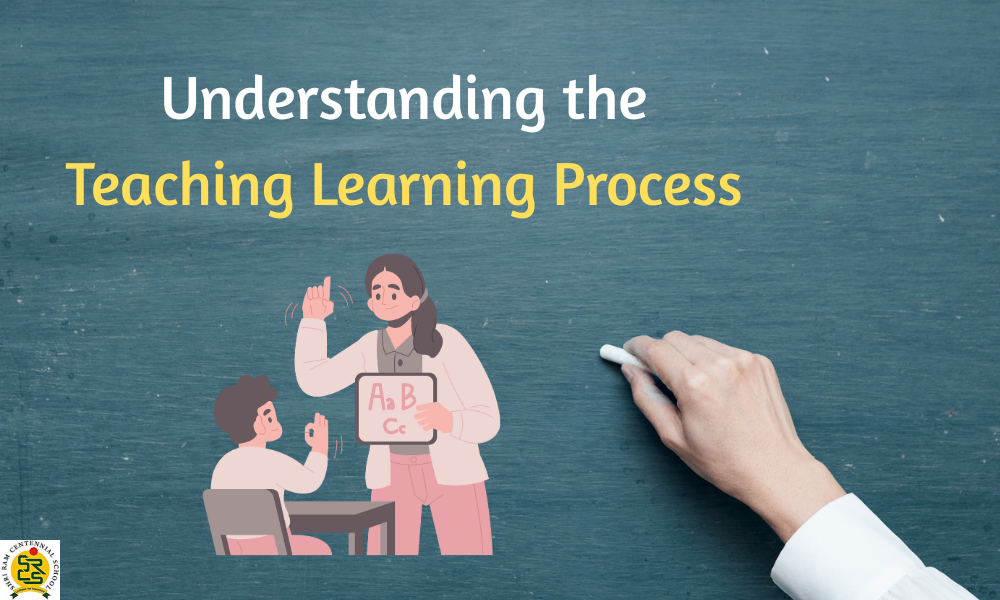
The teaching learning process refers to the interaction between teachers and students for the purpose of gaining knowledge, skills, attitudes, and values. Teaching is the act of guiding, explaining, and supporting learners, while learning is the process of understanding, practicing, and applying new information.
This process is not limited to the classroom. It also takes place through discussions, activities, projects, online learning, field visits, and personal experiences. A teacher shares information in a structured way, and students respond by asking questions, participating in activities, and practicing what they have learned.
The process becomes successful when students are able to understand the lesson clearly and use that knowledge in real-life situations.
Core Components of the Teaching Learning Process

1. Planning and Preparation
Effective teaching begins with solid planning. Teachers must design lesson plans that align with learning objectives, curriculum standards, and student needs.
- Clear Objectives: Defining what students should know or be able to do after the lesson.
- Resource Allocation: Selecting appropriate materials and technology.
- Differentiation: Adjusting content to cater to diverse learners.
2. Instructional Delivery
This is the implementation phase, where teaching methods directly impact student understanding.
- Active Learning: Encouraging participation through discussions, activities, and problem-solving.
- Scaffolding: Providing temporary support to help students master new concepts.
- Multimodal Techniques: Using visual, auditory, and kinesthetic methods to enhance retention.
3. Student Engagement
An engaged student is more likely to absorb and retain information.
- Interactive Learning: Use of group work, peer teaching, and technology to increase interaction.
- Relevance: Connecting lessons to real-life situations.
- Encouragement: Creating a positive and motivating learning atmosphere.
4. Assessment and Feedback
Assessment helps measure learning outcomes and guides future instruction.
- Formative Assessment: Ongoing checks for understanding during the learning process.
- Summative Assessment: Evaluation at the end of a unit or term.
- Constructive Feedback: Providing timely, specific guidance for improvement.
Key Strategies for an Effective Teaching Learning Process

1. Use of Student-Centered Approaches
Moving away from teacher-centric models, student-centered learning places the learner at the heart of the process.
- Inquiry-Based Learning: Students explore and discover concepts on their own.
- Project-Based Learning: Real-world projects enhance critical thinking and collaboration.
- Flipped Classroom: Students review materials at home and engage in activities during class.
2. Emphasis on Emotional Intelligence
Understanding students’ emotional needs can significantly influence their learning outcomes.
- Empathy in Teaching: Recognizing and addressing student concerns.
- Mindfulness Activities: Promoting focus and mental well-being.
- Building Relationships: Strong teacher-student connections foster trust and motivation.
3. Integration of Technology
Technology enhances the teaching learning process by making education more accessible and engaging.
- Learning Management Systems (LMS): Platforms for managing content and communication.
- Interactive Tools: Games, simulations, and digital quizzes improve engagement.
- Virtual Classrooms: Supporting remote and hybrid learning environments.
4. Professional Development for Teachers
Educators need to continuously refine their skills to stay effective.
- Workshops and Seminars: Regular training sessions on pedagogy and technology.
- Peer Collaboration: Sharing best practices within teaching communities.
- Reflective Practice: Evaluating one’s own teaching strategies for improvement.
Challenges in the Teaching Learning Process

1. Diverse Learning Needs
Students come with varied backgrounds, abilities, and interests.
- Solution: Use differentiated instruction and inclusive teaching practices.
2. Limited Resources
Schools may face constraints in infrastructure and materials.
- Solution: Adopt low-cost teaching aids and leverage free digital tools.
3. Resistance to Change
Educators and institutions may hesitate to adopt new methods.
- Solution: Gradual implementation of changes with adequate training and support.
How to Improve the Teaching Learning Process

Improving education requires effort from teachers, schools, parents, and students.
Some useful ways to improve the process include:
- Using interactive teaching methods
- Encouraging student participation
- Providing regular feedback
- Including practical activities
- Using digital tools and technology
- Supporting students with different learning needs
- Creating a positive and inclusive classroom environment
When these steps are followed, students feel more comfortable, motivated, and interested in learning.
Conclusion
The teaching learning process is the backbone of education. It connects teachers and students in a meaningful way and helps learners gain knowledge, values, and practical skills. A balanced educational environment supports both academic growth and personal development.
Strong teaching methods, clear objectives, active participation, and regular feedback all play an important role in making learning successful. Even though there are challenges, schools can improve the learning experience by using creative methods, modern tools, and student-focused approaches.
A better teaching learning process leads to better education, stronger confidence, and brighter futures for students.
Teaching Learning Process: Definition, Components and Importance in Education
Meta Title: Teaching Learning Process in Education
Meta Description: Learn the meaning, components, and importance of the teaching learning process in modern education.
Focus Keywords:
- teaching learning process
- importance of teaching in education
- components of teaching learning process
- role of teachers in education
- effective learning methods
- student-centered learning
Teaching Learning Process: Definition, Components and Importance in Education
Education is not limited to books, classrooms, or examinations. It is a continuous journey that helps students gain knowledge, values, skills, and confidence. At the center of this journey lies the teaching learning process, which plays an important role in shaping the future of students.
A strong educational system depends on meaningful interaction between teachers and learners. When teaching is effective and learning is active, students are more likely to understand concepts, think critically, and perform better in academics and life.
This process is important not only for schools but also for colleges, training institutes, and online education platforms. Understanding how it works can help teachers improve their methods, students become more engaged, and parents support learning more effectively.
What is the Teaching Learning Process?
The teaching learning process refers to the interaction between teachers and students that leads to knowledge, skill development, and positive changes in behavior. It includes the methods teachers use to explain concepts and the ways students understand, practice, and apply what they learn.
Teaching is not simply giving information. Learning is not only memorizing facts. A successful process encourages communication, curiosity, participation, and understanding.
In simple words, teaching is the guidance provided by the teacher, while learning is the response of the student. Both work together to create a complete educational experience.
Definition of Teaching Learning Process
The teaching learning process can be defined as a planned interaction where a teacher provides guidance, resources, and activities to help students achieve specific educational goals.
It is a two-way process:
- Teachers present knowledge and create learning opportunities.
- Students participate, ask questions, practice skills, and develop understanding.
The process becomes more effective when it is organized, student-friendly, and based on the needs of learners.
Main Components of the Teaching Learning Process
Every successful classroom depends on a few important elements. These components work together to make education meaningful and productive.
1. Teacher
The teacher is the guide, mentor, and facilitator in the classroom. A good teacher explains topics clearly, motivates students, and creates a positive environment for learning.
Teachers also identify the strengths and weaknesses of students and adjust their methods according to individual needs.
2. Student
Students are the central part of the educational process. Their interest, participation, and willingness to learn directly affect the outcome.
An active learner asks questions, takes part in discussions, completes assignments, and practices new skills regularly.
3. Learning Objectives
Learning objectives define what students should know or be able to do after a lesson. These objectives help teachers plan activities and measure student progress.
For example, a lesson objective may be to improve reading skills, understand a science concept, or solve mathematical problems.
4. Teaching Methods
Teaching methods are the techniques used to deliver lessons. Different students learn in different ways, so teachers often use a mix of methods such as:
- Lectures
- Group discussions
- Demonstrations
- Practical activities
- Visual presentations
- Digital learning tools
The right method can make difficult topics easier to understand.
5. Learning Environment
A positive learning environment helps students feel safe, confident, and motivated. A classroom should encourage communication, respect, creativity, and teamwork.
Today, learning environments also include online classrooms, educational apps, and digital platforms.
6. Assessment and Feedback
Assessment helps teachers understand how much students have learned. Tests, quizzes, assignments, projects, and presentations are common forms of assessment.
Feedback is equally important because it tells students what they are doing well and where they need improvement.
Importance of the Teaching Learning Process in Education
The teaching learning process is one of the most important parts of education because it directly influences student growth and academic success.
Improves Understanding
A structured process helps students understand concepts more clearly. Instead of memorizing information, students learn how to apply knowledge in real situations.
Builds Confidence
When students participate in classroom activities and receive positive feedback, they become more confident in their abilities.
Encourages Critical Thinking
Good teaching encourages students to ask questions, analyze situations, and think independently. This helps them become better problem-solvers.
Supports Skill Development
Education is not only about academic knowledge. It also develops communication skills, teamwork, creativity, and leadership qualities.
Promotes Equal Learning Opportunities
An effective classroom ensures that every student gets a chance to learn, regardless of their background, ability, or learning style.
Creates Lifelong Learners
When students enjoy learning, they are more likely to continue gaining knowledge throughout life. This habit helps them adapt to new challenges and opportunities.
Types of Teaching Learning Methods
Different situations require different teaching styles. Some of the most common methods include:
Traditional Teaching
This method focuses on teacher-led instruction, textbooks, and classroom lectures. It is useful for introducing new topics and maintaining discipline.
Interactive Learning
Interactive learning involves discussions, role play, debates, and activities. It keeps students engaged and encourages participation.
Experiential Learning
This method allows students to learn through real-life experiences, experiments, field trips, and projects.
Online Learning
Online education has become more common in recent years. It offers flexibility, access to digital resources, and opportunities for self-paced learning.
Collaborative Learning
In collaborative learning, students work together in groups to solve problems, complete projects, and share ideas.
Challenges in the Teaching Learning Process
Although education has improved over time, there are still many challenges that affect the quality of teaching and learning.
Lack of Student Engagement
Some students lose interest if lessons are repetitive or difficult to understand.
Limited Resources
Schools with fewer resources may struggle to provide technology, books, and proper learning materials.
Different Learning Speeds
Every student learns differently. Some understand quickly, while others need more time and support.
Classroom Management Issues
Maintaining discipline and keeping students focused can be difficult, especially in large classrooms.
Technology Gaps
While digital learning offers many benefits, not all students have access to the internet or devices.
How to Improve the Teaching Learning Process
Improving education requires effort from teachers, students, parents, and institutions.
Use Student-Centered Approaches
Teachers should involve students in activities, discussions, and problem-solving exercises.
Encourage Open Communication
Students should feel comfortable asking questions and sharing ideas.
Include Technology in Learning
Using videos, presentations, educational apps, and smart classrooms can make learning more interesting.
Provide Regular Feedback
Constructive feedback helps students improve and stay motivated.
Focus on Practical Learning
Real-life examples, experiments, and projects can help students understand concepts more effectively.
Conclusion
The teaching learning process is the foundation of quality education. It connects teachers and students in a meaningful way and helps develop knowledge, skills, confidence, and values.
A successful process depends on good teaching methods, active student participation, clear objectives, and continuous feedback. While there are challenges in every classroom, the right approach can create better learning experiences for all students.
As education continues to change with technology and modern teaching methods, the focus should remain on making learning engaging, practical, and accessible. When students learn effectively, they are better prepared for academic success and future opportunities.
Frequently Asked Questions (FAQs)
1. What is the teaching learning process?
The teaching learning process is the interaction between teachers and students that helps students gain knowledge, skills, and understanding.
2. Why is the teaching learning process important?
It is important because it improves understanding, develops skills, builds confidence, and supports overall student growth.
3. What are the main components of the teaching learning process?
The main components include teachers, students, learning objectives, teaching methods, learning environment, and assessment.
4. How can teachers improve the learning experience?
Teachers can improve learning by using interactive methods, technology, practical examples, and regular feedback.
5. What are the common challenges in the teaching learning process?
Common challenges include lack of student interest, limited resources, different learning speeds, and technology gaps.