
In today’s globalized world, cultural competency has become a pivotal component of educational environments. Boarding schools in India, especially boarding schools in Dehradun, host diverse student populations, making it essential to foster an inclusive, culturally aware, and respectful atmosphere.
SRCS School, a leading institution in Dehradun, recognizes this need. By emphasizing cultural competency training for both staff and students, SRCS School promotes holistic development, personal growth, and a learning environment where every student feels valued and supported.
This blog explores the significance of cultural competency in schools, how it can be implemented, the challenges, best practices, and future directions to ensure inclusive education in modern boarding schools.
Understanding Cultural Competency
Cultural competency is the ability to understand, respect, and effectively interact with individuals from different cultural, ethnic, and social backgrounds. In boarding schools, it entails recognizing the diverse backgrounds of students and staff, adapting teaching methods, policies, and activities to be inclusive, and cultivating a school culture that embraces diversity.
By valuing differences and fostering mutual respect, schools ensure that all students can thrive academically, socially, and emotionally.
Why Cultural Competency Matters in Boarding Schools
1. Enhancing Educational Outcomes
Research shows students perform better in environments where they feel understood and respected. Culturally competent educators tailor lessons to diverse needs, resulting in improved academic achievement and engagement.
2. Promoting Inclusivity and Respect
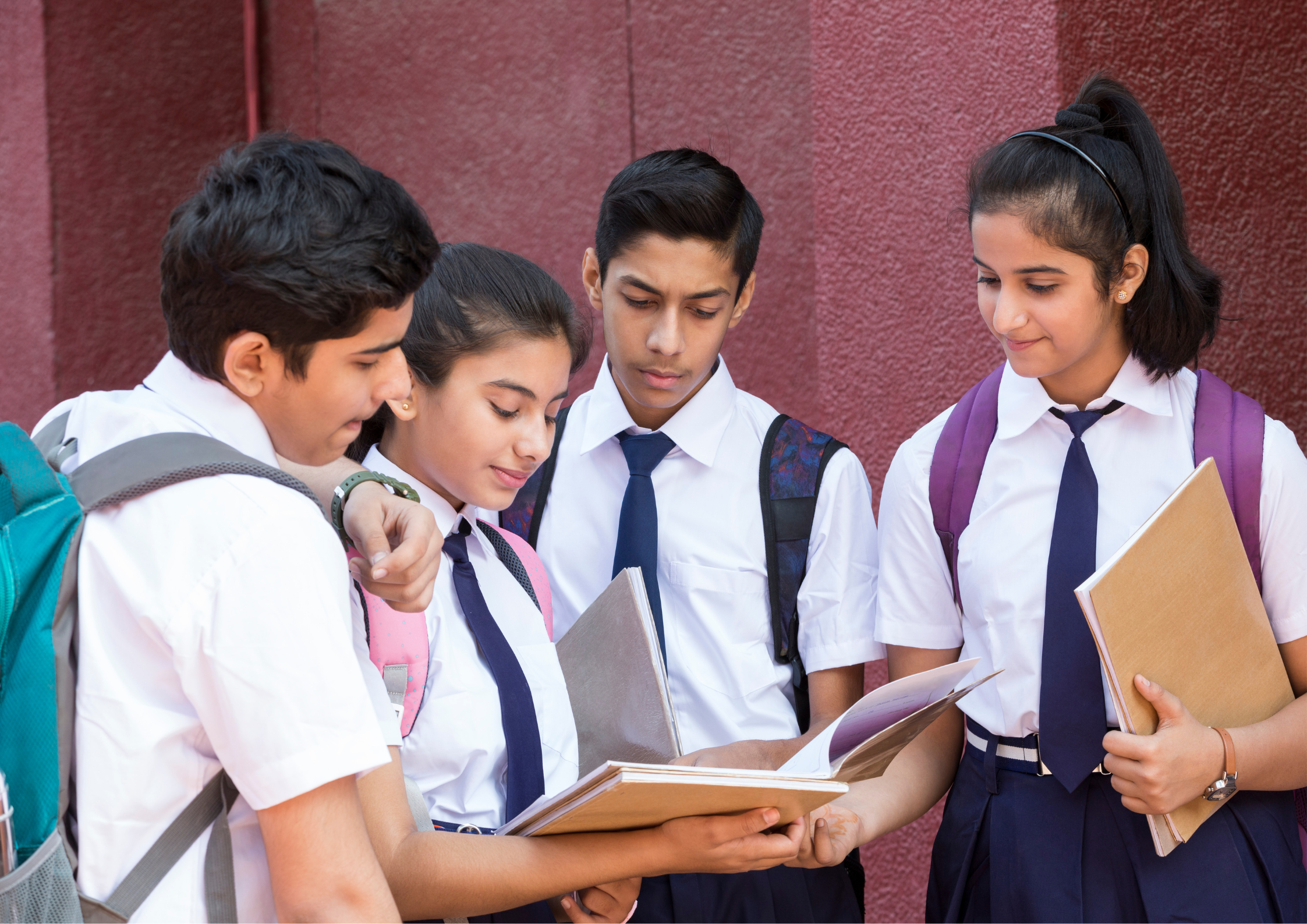
Boarding schools in Dehradun host students from across India and abroad. Cultural competency initiatives minimize discrimination, reduce bullying, and create a respectful, inclusive school environment.
3. Preparing Global Citizens
Cultural awareness equips students with the skills to navigate diverse workplaces and global communities. By fostering global citizenship, SRCS School prepares students for a multicultural world.
4. Improving Communication and Relationships
Understanding different communication styles and cultural nuances enhances interpersonal relationships among students, teachers, and staff, leading to a harmonious school environment.
Implementing Cultural Competency Training at SRCS School
Staff Training
1. Workshops and Seminars
Regular workshops led by cultural experts educate staff on awareness, bias reduction, and inclusive teaching strategies.
2. Inclusive Curriculum Development
Staff are trained to integrate diverse perspectives into lessons, including literature, history, and social studies from various cultures.
3. Professional Development Programs
Ongoing training through online courses, certifications, and conferences ensures staff stay updated on best practices in cultural competency.
4. Mentorship Programs
Experienced staff mentor newcomers, sharing practical tips for handling diverse classrooms and promoting inclusion.
Student Training
1. Cultural Awareness Workshops
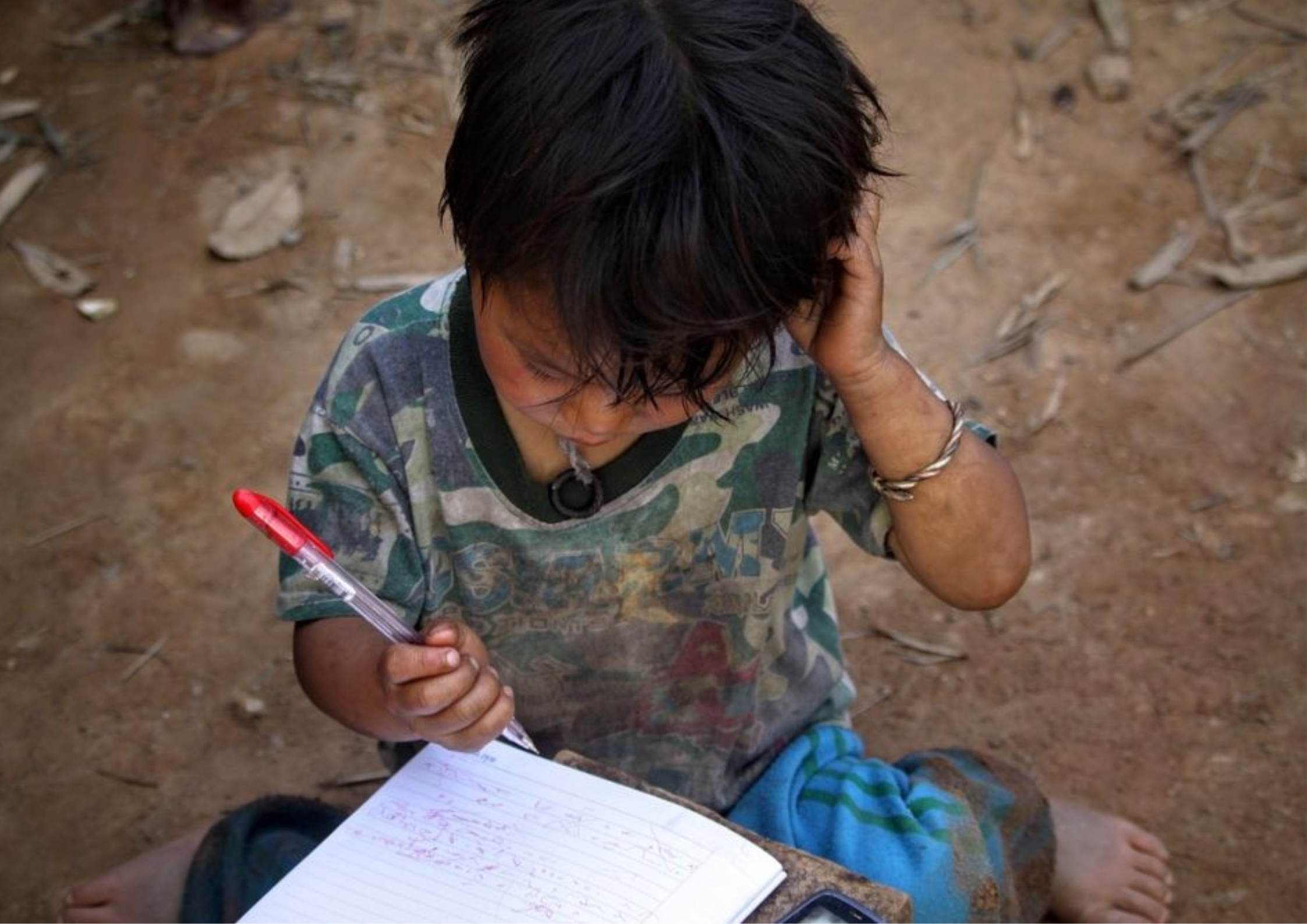
Interactive workshops help students understand and appreciate different cultures through storytelling, simulations, and group discussions.
2. Diversity Clubs and Committees
Students participate in clubs that celebrate diversity, organize cultural events, and conduct awareness campaigns.
3. Curriculum Integration
Cultural competency is embedded into subjects like social studies, literature, and history to provide structured learning experiences.
4. Peer Education Programs
Trained student leaders facilitate discussions, mediate conflicts, and promote a culture of respect among peers.
Challenges and Solutions in Cultural Competency Training
Challenges
-
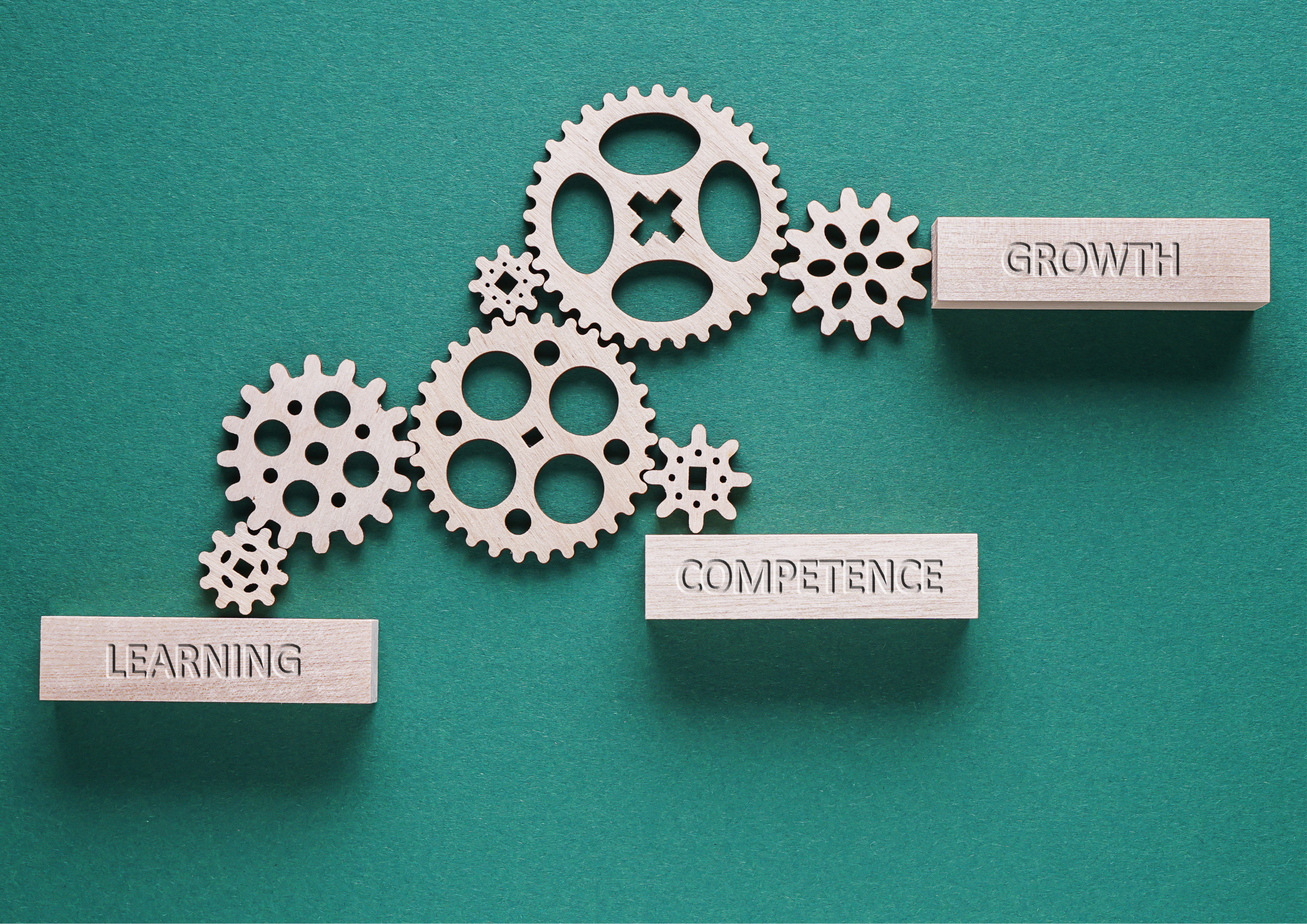
Resistance to Change: Staff or students may prefer traditional methods.
-
Limited Resources: Comprehensive programs require funding, expert access, and time.
-
Maintaining Consistency: Ongoing training can be difficult in dynamic school environments.
Solutions
-
Supportive Environment: Encourage dialogue, feedback, and safe spaces for expression.
-
Resource Allocation: Schools should allocate budgets, seek partnerships, and leverage external funding.
-
Continuous Evaluation: Regular assessment of programs ensures consistent quality and improvement.
Leadership’s Role in Promoting Cultural Competency
Visionary Leadership
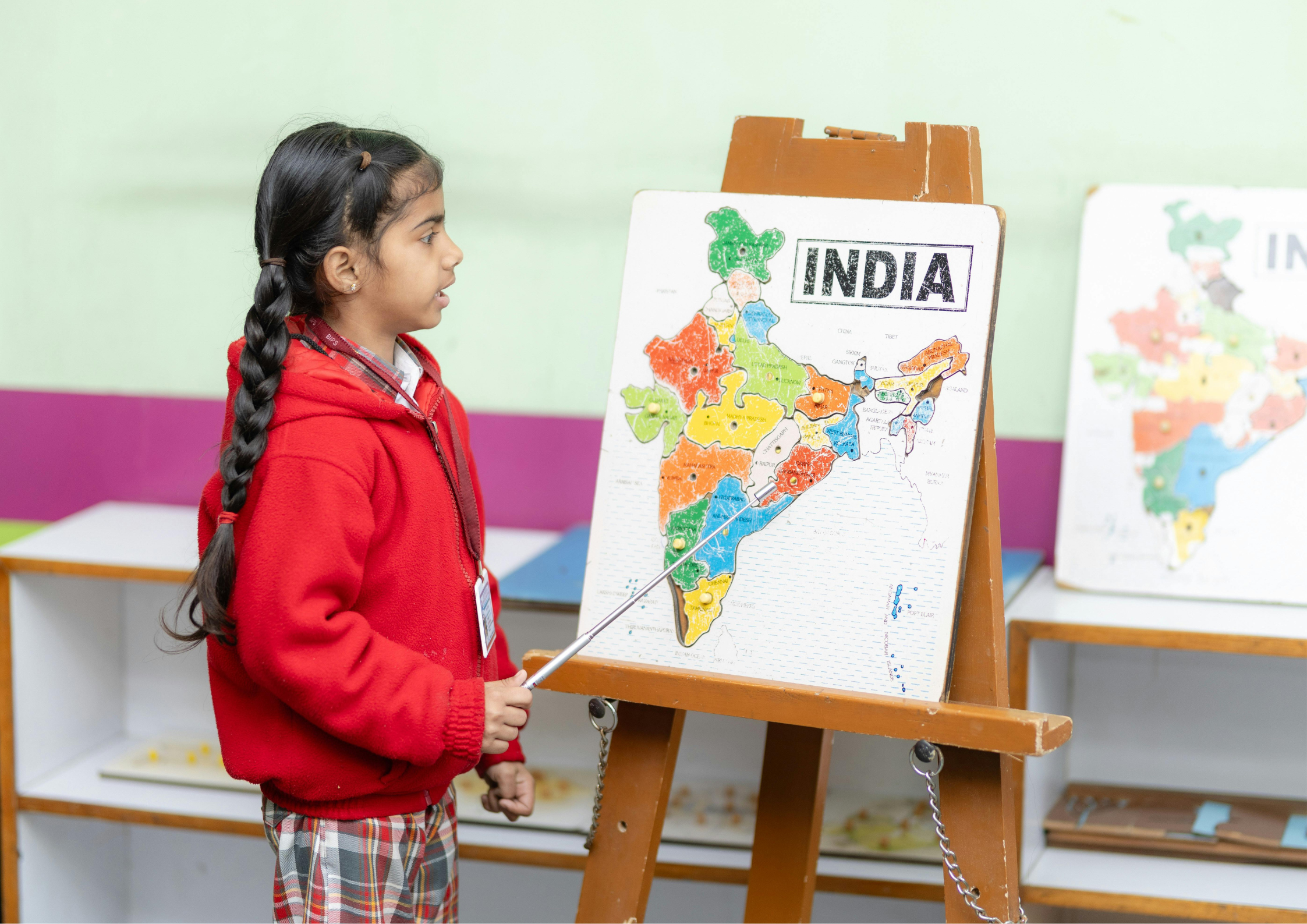
School leaders set the tone by embedding cultural competency into institutional vision, policies, and daily practices.
Policy Development
Policies promoting inclusivity, anti-discrimination measures, and culturally responsive teaching create a framework for sustained cultural competency.
Community Engagement
Engaging parents, alumni, and the broader community through events, discussions, and workshops reinforces an inclusive school culture.
Case Studies and Best Practices
SRCS School
-
Global Exchange Programs: Students gain firsthand experience with diverse cultures.
-
Cultural Celebrations: Music, dance, cuisine, and traditional attire showcase heritage.
-
Inclusive Curriculum: Diverse perspectives are embedded in lessons.
-
Student-Led Initiatives: Peer education and cultural events promote inclusivity.
Other Dehradun Schools
-
Welham Girls’ School: Mentorship and intercultural dialogues encourage sensitivity.
-
The Doon School: Partnerships and extracurriculars promote global citizenship.
-
Woodstock School: Annual international festival and multicultural curriculum foster understanding.
Measuring the Impact
Surveys and Feedback
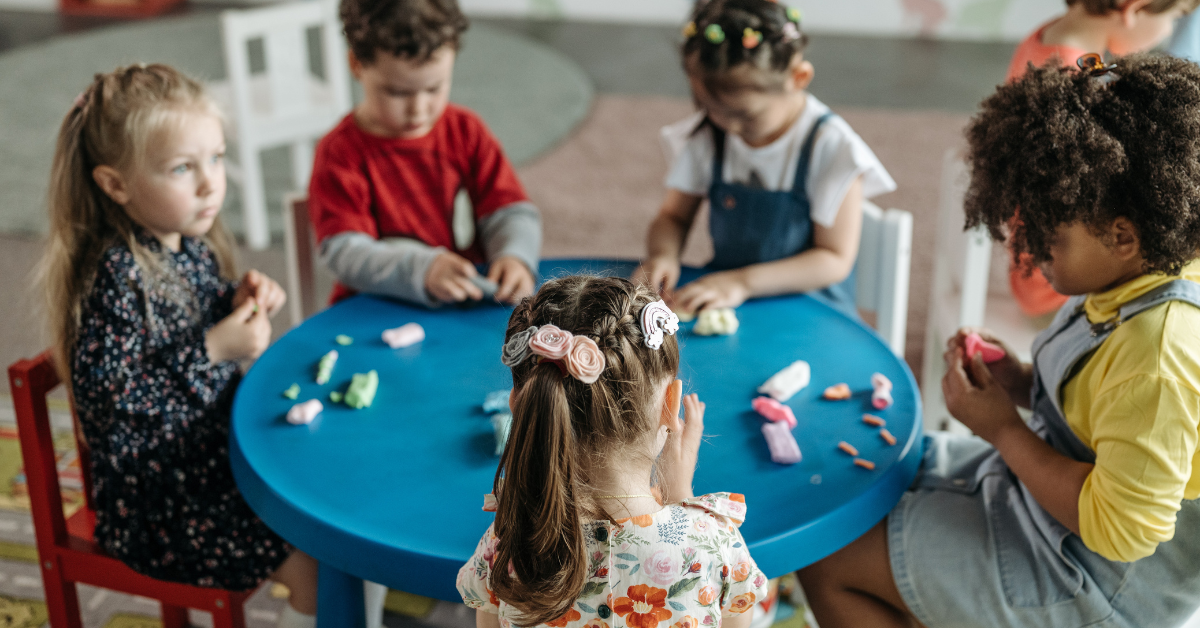
Student, staff, and parent surveys help evaluate attitudes, behaviors, and perceptions regarding diversity.
Academic and Behavioral Outcomes
Monitoring performance and incidents of discrimination indicates program effectiveness.
Long-Term Tracking
Alumni surveys and follow-ups provide insights into the lasting benefits of cultural competency training.
Future Directions
Embracing Technology
Virtual reality, online courses, and digital storytelling enhance immersive cultural learning.
Collaborations and Partnerships
Partnerships with NGOs, universities, and cultural organizations bring fresh perspectives and resources.
Expanding Scope
Incorporating social justice, equity, and global citizenship topics enriches students’ understanding of complex societal issues.
Conclusion
Cultural competency training is essential for boarding schools in Dehradun, fostering inclusive education, holistic development, and preparing students to thrive in a multicultural world. Schools like SRCS School set an example by integrating structured programs for staff and students, embedding diversity in curricula, and promoting student-led initiatives.
By prioritizing cultural competency, schools create environments where every student can flourish academically, socially, and emotionally, shaping a generation ready for a globally interconnected future.
FAQs
1. What is cultural competency in schools?
It’s the ability to understand, respect, and interact effectively with individuals from diverse cultural and social backgrounds.
2. Why is cultural competency important in boarding schools?
It promotes inclusivity, improves learning outcomes, fosters respect, and prepares students for a globalized world.
3. How do schools implement cultural competency training?
Through workshops, inclusive curriculum design, student-led programs, diversity clubs, and mentorship initiatives.
4. What challenges exist in cultural competency training?
Challenges include resistance to change, limited resources, and maintaining consistent training programs.
5. How is the impact of cultural competency measured?
Through surveys, feedback, academic and behavioral outcomes, and long-term tracking of students’ success in diverse environments.