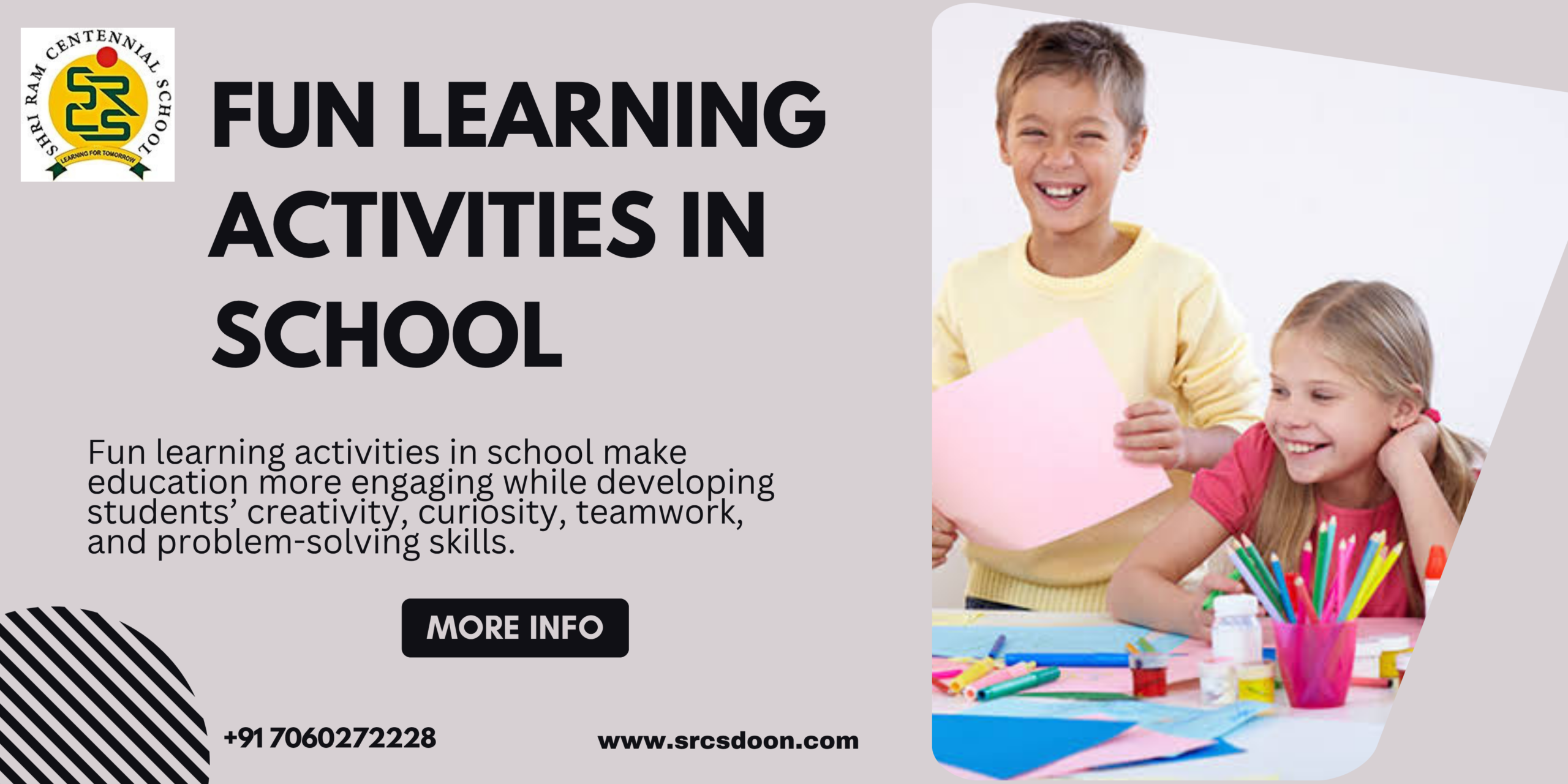
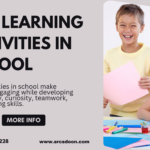
In today’s rapidly evolving educational landscape, personalized learning is becoming essential for students, educators, and parents. One approach gaining recognition is art-integrated learning, which goes beyond traditional teaching methods. By blending arts into academics, students engage with content on a deeper intellectual and emotional level, enhancing their overall learning skills.
This article explores the concept, benefits, implementation, challenges, and future potential of art-integrated learning, providing a balanced overview for anyone connected to a school in India.
What is Art-Integrated Learning?
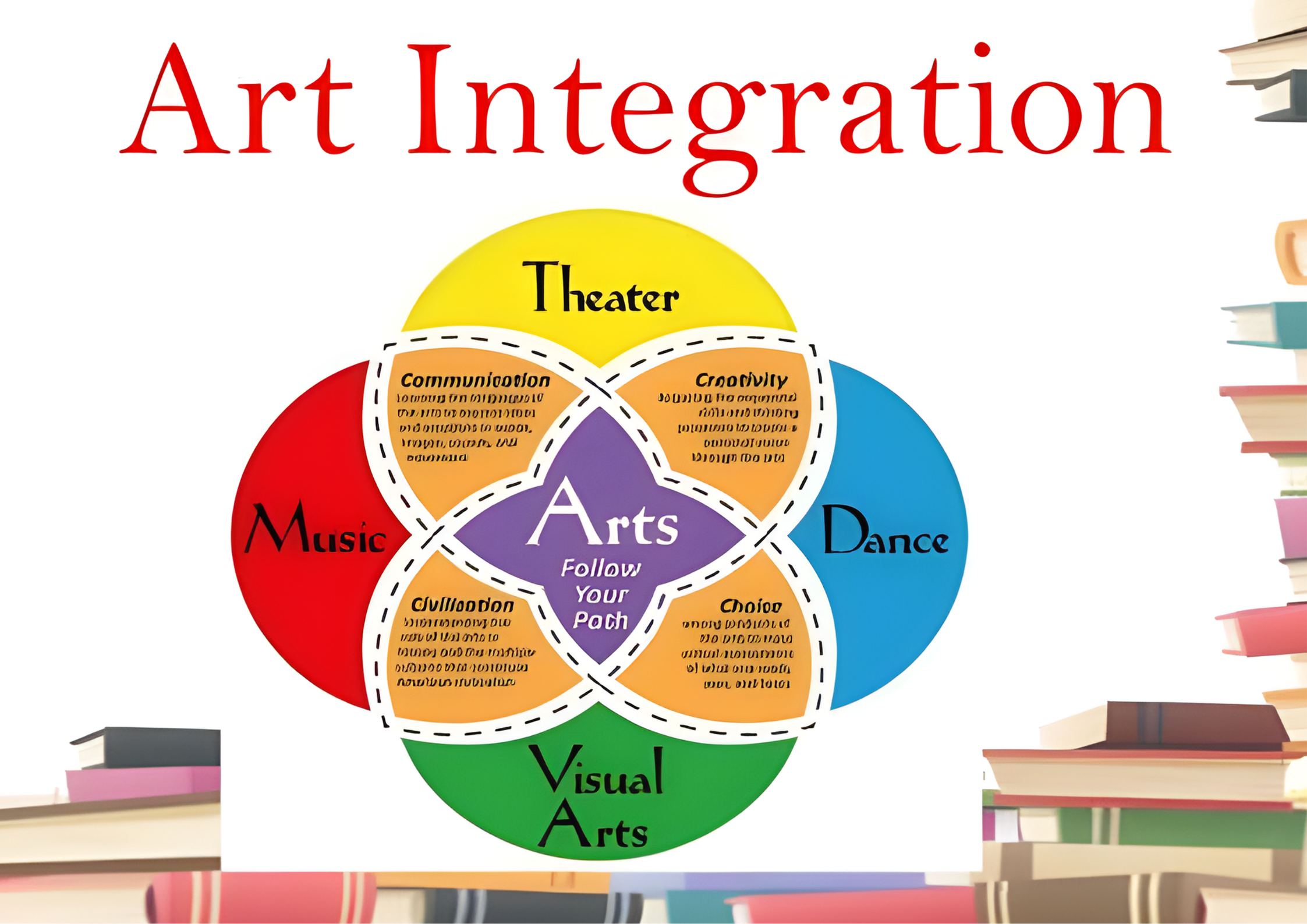
Art-integrated learning combines various art forms—such as music, drama, visual arts, and dance—directly into the academic curriculum. Instead of treating art as a separate subject, it becomes part of the learning process.
For example:
-
A history lesson may include creating a painting depicting a historical event.
-
Mathematics concepts can be taught through geometric art projects.
-
Language lessons can involve composing songs or short plays based on literary themes.
By engaging multiple senses and connecting artistic expression with core subjects, students develop creativity, critical thinking, and problem-solving abilities.
Benefits of Art-Integrated Learning

1. Boosts Creativity
Students are encouraged to think beyond conventional solutions, making creativity a tool for problem-solving and innovative thinking.
2. Enhances Understanding and Retention
Art helps students grasp complex concepts by linking them with visual or auditory stimuli, improving comprehension and memory.
3. Develops Emotional Intelligence
Projects involving self-expression enable students to explore their emotions, fostering empathy, self-awareness, and emotional regulation.
4. Builds Confidence
Completing an art-based assignment, performance, or project gives students a tangible sense of achievement.
5. Encourages Collaboration
Many art projects are collaborative, teaching essential social and teamwork skills that prepare students for future professional environments.
6. Fosters Love for Learning
Integrating art makes lessons enjoyable and engaging, nurturing a lifelong interest in education.
Importance in Early Education
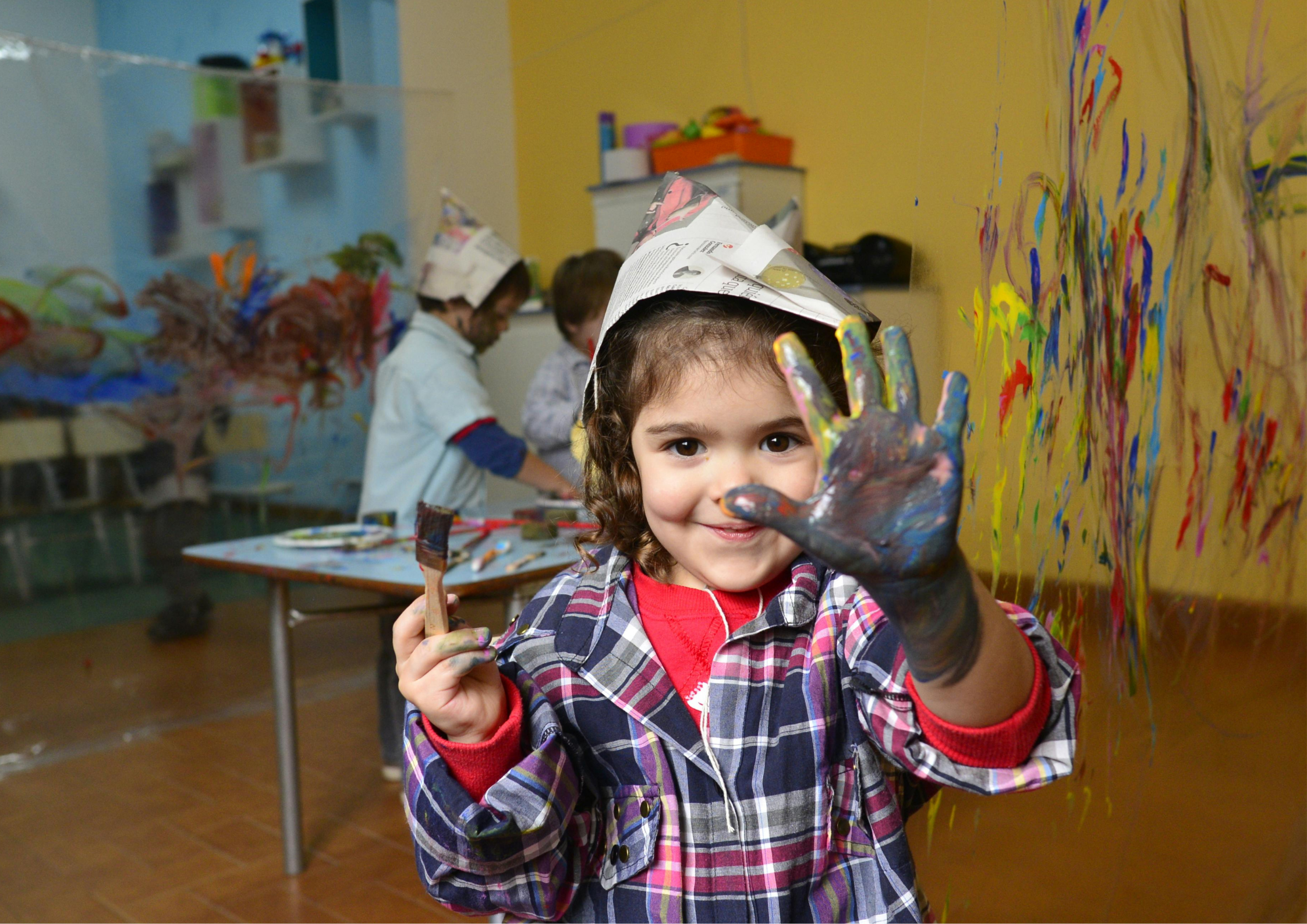
The early years are crucial for cognitive, emotional, and social development. Incorporating art at this stage has unique benefits:
-
Stimulates Brain Development: Drawing, music, and painting enhance memory, focus, and problem-solving abilities.
-
Supports Holistic Development: Art activities improve motor skills, spatial awareness, and hand-eye coordination.
-
Encourages Curiosity: Children explore ideas and concepts creatively, promoting curiosity and experimentation.
-
Enhances Language Skills: Expressing thoughts through art improves vocabulary and communication.
-
Builds Social Skills: Collaborative art projects teach sharing, teamwork, and cooperation.
How Schools Integrate Art into Learning
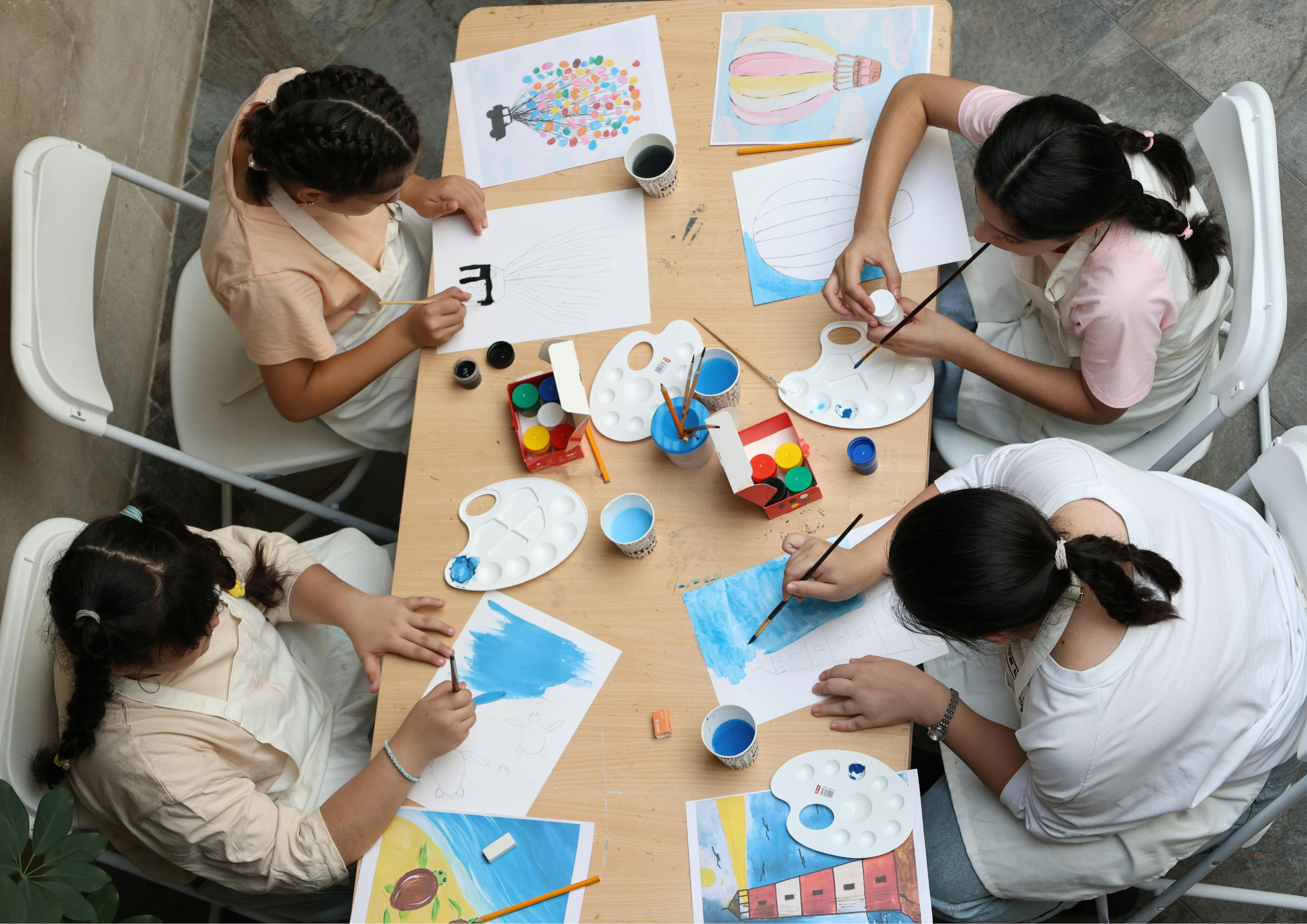
1. Curriculum Design
Teachers can weave art into subjects like geography, history, science, and mathematics, creating meaningful connections between academic content and artistic expression.
2. Hands-On Learning
Projects, models, and visual representations help students understand complex topics like the solar system, anatomy, or historical events more effectively.
3. Technology and Digital Art
Digital tools like video production, animations, and virtual reality allow innovative integration of art into lessons, making learning more interactive.
4. Project-Based Learning
Students research topics and present their findings through performances, exhibitions, or creative displays, fostering deeper engagement.
5. Cross-Disciplinary Collaboration
Teachers from different subjects collaborate to integrate arts across disciplines, such as combining math and visual arts to create geometric designs.
6. Alternative Assessment Methods
Art-integrated learning allows evaluation through projects and creative assignments, giving a comprehensive understanding of student learning beyond traditional tests.
Challenges in Implementation
-
Teacher Training: Educators need support to design and deliver art-integrated lessons effectively.
-
Resource Availability: Schools require adequate art materials and digital tools to support learning.
-
Balanced Curriculum: Ensuring core academic content is still covered while integrating art can be complex.
-
Student Adaptation: Students may need guidance to connect artistic activities with academic understanding.
Conclusion: The Future of Personalized Education
Art-integrated learning represents a transformative approach in schools in India, fostering creativity, collaboration, emotional intelligence, and strong learning skills.
By integrating art into academics, educators create dynamic, inclusive, and engaging classrooms. Students gain a holistic education that prepares them to face a complex, rapidly changing world with confidence, resilience, and creativity.
Art-integrated learning is not just a teaching tool; it is a pathway to personalized, meaningful education that unlocks each student’s full potential.
FAQs
1. What is art-integrated learning?
It’s a method that blends arts like music, drama, and visual arts with core academic subjects to enhance understanding and creativity.
2. Why is art-integrated learning important in early education?
It stimulates brain development, improves social and motor skills, encourages curiosity, and builds emotional intelligence.
3. How can schools implement art-integrated learning?
Through curriculum design, hands-on projects, technology, cross-disciplinary collaboration, and project-based learning.
4. Does art-integrated learning improve academic performance?
Yes, it enhances understanding, retention, problem-solving, and critical thinking, complementing traditional academics.
5. Who benefits from art-integrated learning?
Students, teachers, and parents benefit, as it makes learning engaging, develops skills, and fosters holistic growth.