



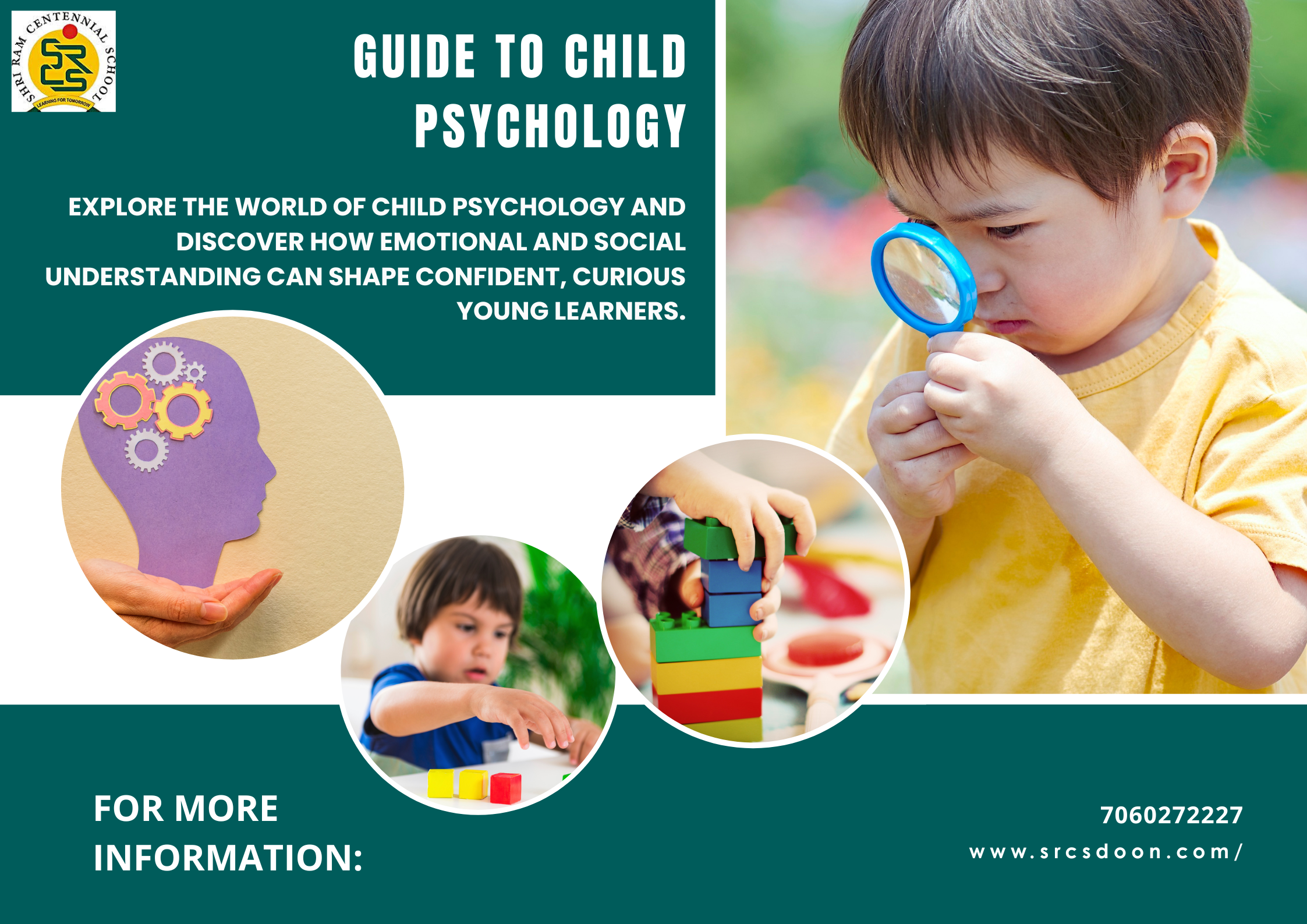
Every child’s mind is a universe of emotions, curiosity, and creativity waiting to unfold. Child psychology serves as the key to understanding how this universe functions — how children think, learn, feel, and interact with the world around them. Whether you’re a parent, teacher, or student of education, comprehending the psychology behind a child’s actions can transform how we nurture and educate them.
What Is Child Psychology?
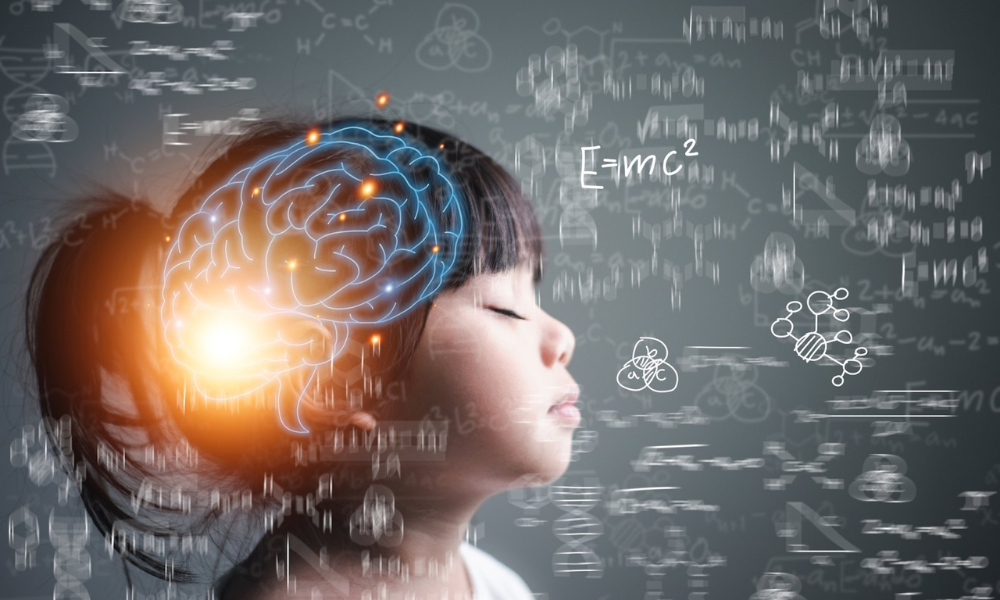
Child psychology is a specialized branch of psychology that studies the mental, emotional, and social development of children from birth through adolescence. It delves into the inner world of children — their thoughts, reactions, and perceptions — to understand what drives their behaviors and learning patterns.
Psychologists analyze various stages of growth, including cognitive, linguistic, social, and emotional development. These insights help parents and educators guide children toward healthy behavior, resilience, and empathy. It also plays a critical role in detecting developmental delays, learning difficulties, and behavioral challenges early in life.
The Stages of Psychological Development

Children undergo remarkable changes during their growing years, and their minds evolve just as rapidly as their bodies. Understanding these stages helps caregivers provide the right kind of support at each milestone.
1. Infancy (0–2 Years)
During infancy, children begin to recognize faces, respond to voices, and develop attachment. Emotional bonding with parents forms the foundation of trust and security, which shapes future relationships.
2. Early Childhood (3–6 Years)
This is the phase of imagination, play, and exploration. Children start expressing emotions verbally and learn social skills such as sharing, empathy, and cooperation. It’s also when their curiosity about the world intensifies.
3. Middle Childhood (7–11 Years)
Cognitive growth accelerates during these years. Children become more logical, better at problem-solving, and capable of understanding cause-and-effect relationships. Friendships and self-identity also begin to take shape.
4. Adolescence (12–18 Years)
The adolescent stage marks emotional turbulence and self-discovery. Hormonal changes influence mood and behavior, while peer influence and independence start to play major roles in shaping personality.
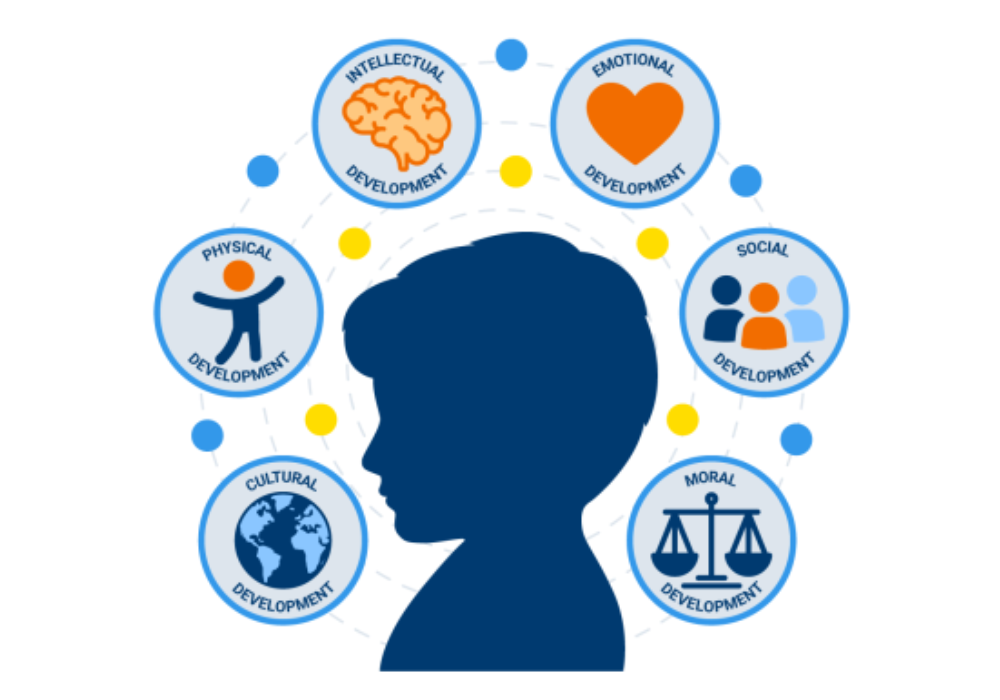
Each stage contributes to overall Child Development, molding how a person thinks, reacts, and connects with society later in life.
Factors Influencing a Child’s Psychological Growth
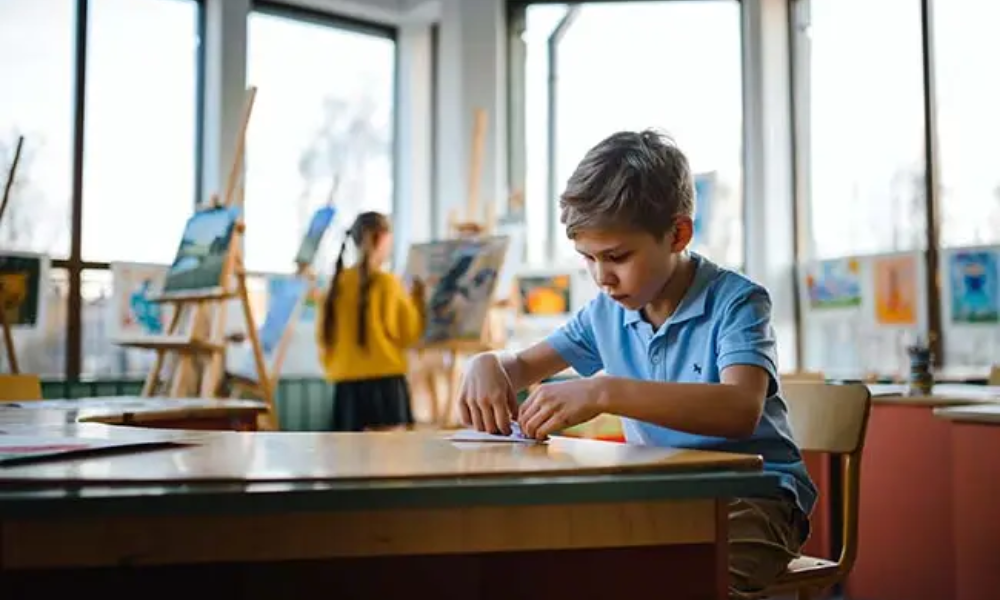
Several internal and external elements shape how children develop mentally and emotionally. These factors often interact in complex ways, influencing the path of growth uniquely for every child.
1. Family Environment
Home is a child’s first classroom. A nurturing family atmosphere filled with warmth, communication, and consistency encourages emotional stability and self-confidence.
2. Education and Learning Exposure
A supportive learning environment — whether at home or in a school in india — plays a crucial role in shaping curiosity, creativity, and discipline. Teachers who understand individual learning styles can significantly enhance a child’s motivation and performance.
3. Peer Interaction
Friendships are essential in teaching social boundaries, cooperation, and empathy. Peer experiences help children navigate real-world emotions like acceptance, jealousy, and teamwork.
4. Socioeconomic and Cultural Background
Access to quality education, healthcare, and resources influences a child’s opportunities for growth. Cultural beliefs and societal expectations also shape values, attitudes, and self-perception.
5. Parenting Style
Authoritative parenting — combining warmth with structure — tends to produce well-adjusted children. Overly strict or permissive parenting, on the other hand, may impact confidence and emotional expression.
The Role of Emotions and Behavior
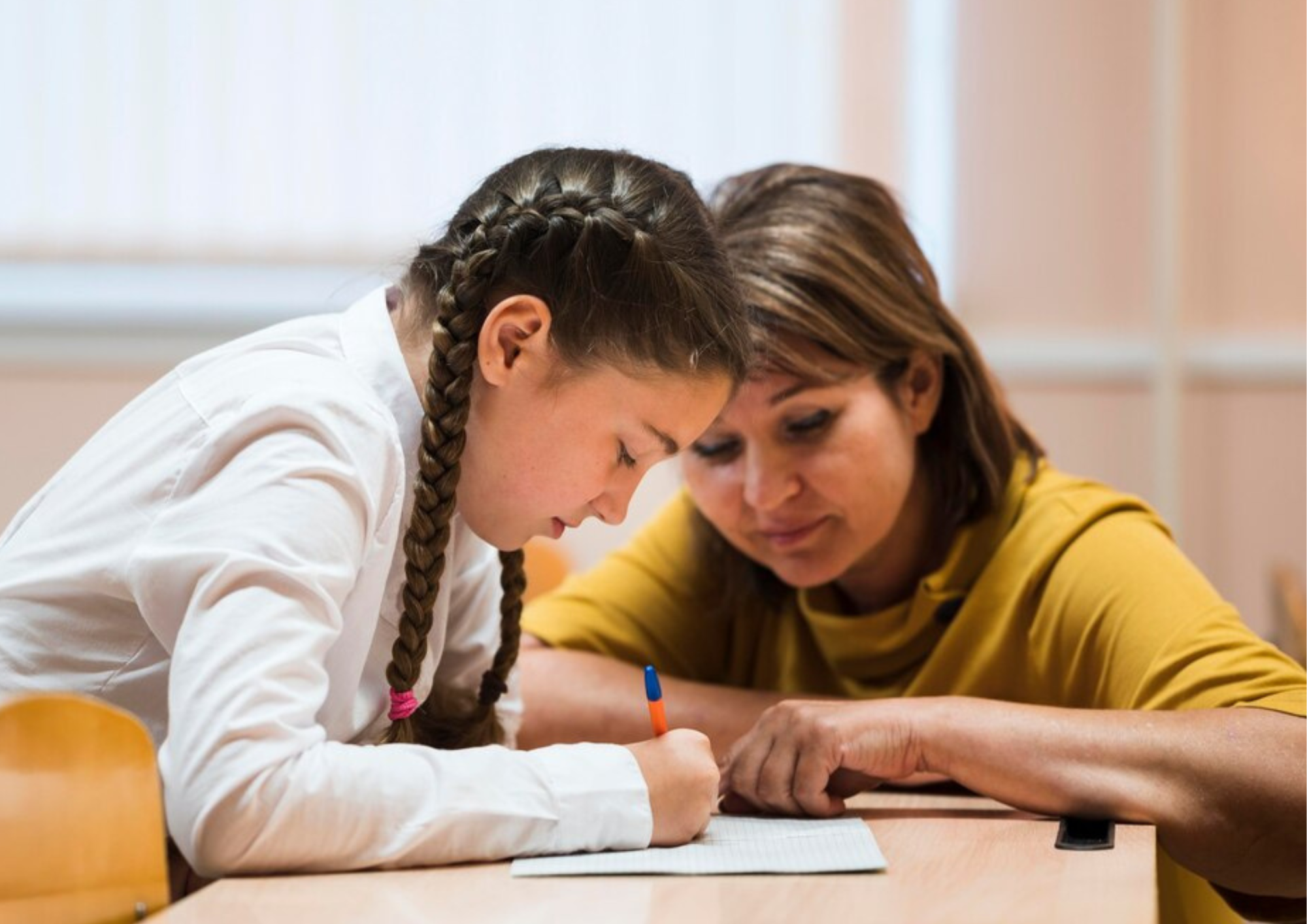
Emotions are the foundation of a child’s psychological well-being. From joy to frustration, each feeling teaches children how to handle the ups and downs of life. Recognizing emotions allows them to manage stress, communicate effectively, and build empathy.
Behavior, on the other hand, reflects how children express their emotions and thoughts. Observing patterns such as aggression, withdrawal, or hyperactivity can offer clues about underlying emotional needs. Early guidance can prevent small behavioral issues from becoming long-term challenges.
Benefits of Understanding Child Psychology

When parents and educators embrace the principles of child psychology, they gain tools to nurture well-rounded, confident, and emotionally intelligent individuals.
1. Improved Communication
Understanding how children think enables adults to communicate at their level — with patience, empathy, and clarity. This bridges the gap between instruction and comprehension.
2. Early Problem Detection
Recognizing signs of anxiety, learning disabilities, or attention disorders at an early stage allows for timely support and intervention.
3. Emotional Resilience
Children taught emotional awareness grow into resilient adults who can manage stress, face challenges, and maintain mental balance.
4. Enhanced Academic Performance
When educators align teaching with cognitive stages, students grasp concepts more effectively, fostering enthusiasm for lifelong learning.
5. Stronger Relationships
Insight into child psychology helps build stronger bonds between children, parents, and teachers — relationships rooted in trust, respect, and understanding.
Common Challenges in Child Psychology
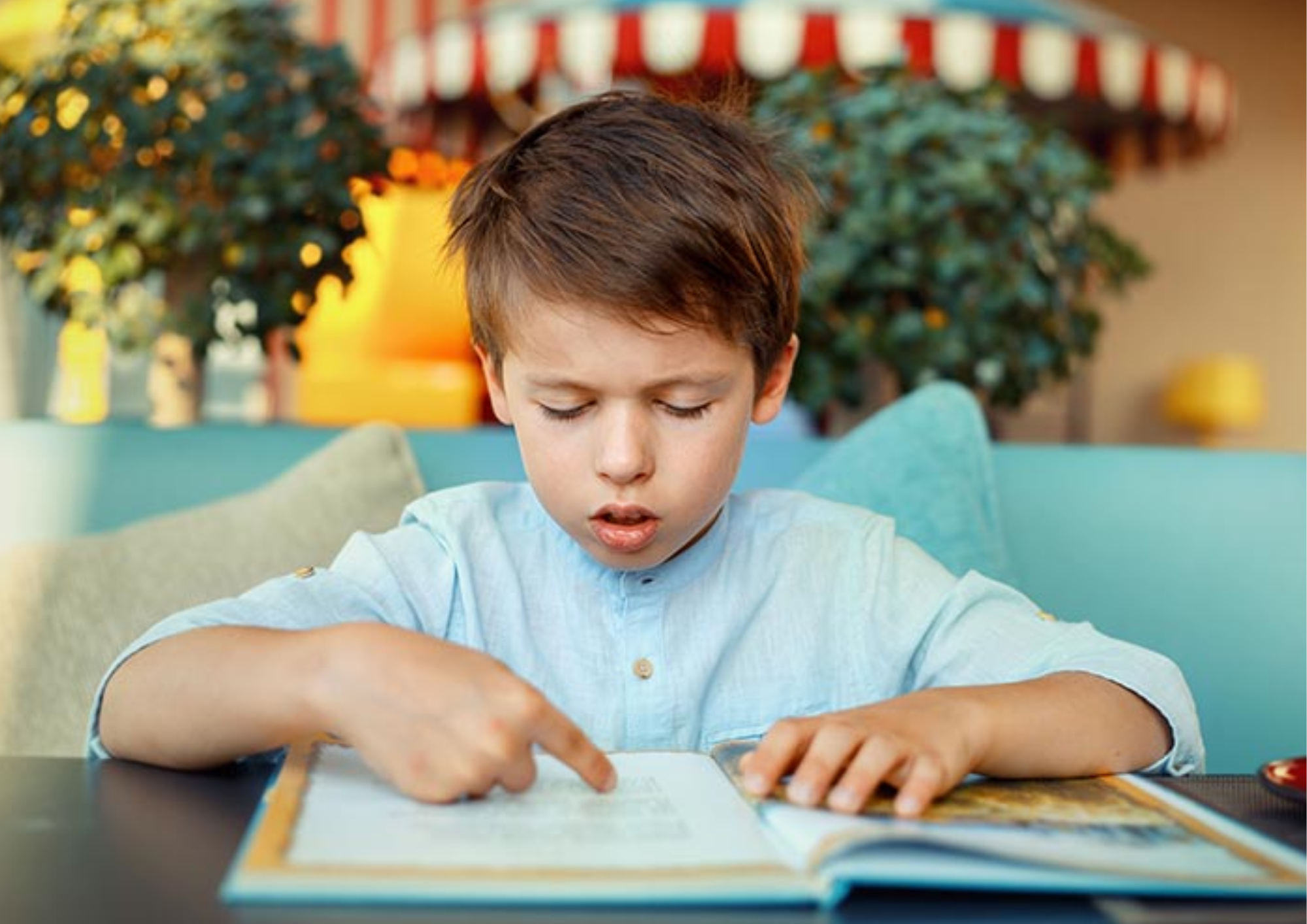
Despite its many advantages, understanding child psychology comes with certain challenges that parents and educators must acknowledge.
1. Overexposure to Technology
Digital devices can affect attention span, social interaction, and sleep. Setting balanced screen-time limits is crucial.
2. Academic Pressure
Constant competition and expectations can trigger anxiety in children. Encouragement should focus on effort and growth, not just achievement.
3. Emotional Neglect
Busy lifestyles sometimes leave children emotionally unattended. Listening, empathizing, and being present make a lasting impact.
4. Mental Health Stigma
Many societies still overlook child mental health. Creating awareness and normalizing emotional conversations are vital steps forward.
How Parents and Teachers Can Support Healthy Development
Small, consistent actions can significantly influence a child’s psychological health:
-
Encourage open communication – Let children share feelings without judgment.
-
Promote play and creativity – Playtime fosters imagination, teamwork, and problem-solving.
-
Maintain routines – Structure provides stability and a sense of security.
-
Acknowledge emotions – Teach children that it’s okay to feel sad, angry, or scared.
-
Lead by example – Children mirror adult behavior; kindness and patience inspire the same.
The Future of Child Psychology

Modern research is expanding our understanding of children’s minds, integrating neuroscience, artificial intelligence, and educational science. As awareness grows, schools and families are collaborating to create emotionally supportive environments. The focus is shifting from academic excellence alone to holistic well-being — a move that promises healthier, happier generations.
Conclusion
Child psychology isn’t just about theories or tests — it’s about connection. It helps us see children not merely as learners, but as evolving human beings filled with emotions, potential, and dreams. By understanding how they think and feel, we can guide them toward a future where confidence, compassion, and curiosity lead the way.
When parents, educators, and society come together to prioritize mental and emotional development, every child gets the opportunity to shine — not just academically, but as a balanced, self-aware individual ready to take on the world.
Frequently Asked Questions (FAQ)
1. What is child psychology?
Child psychology is the study of how children think, feel, and behave as they grow. It focuses on emotional, cognitive, and social development from infancy through adolescence.
2. Why is child psychology important?
It helps parents and teachers understand children’s needs, manage behavior effectively, and support healthy emotional and mental growth.
3. What are the main stages of child development?
The main stages include infancy (0–2 years), early childhood (3–6 years), middle childhood (7–11 years), and adolescence (12–18 years). Each stage involves unique mental and emotional growth.
4. How can parents support healthy child psychology?
Parents can encourage open communication, maintain routines, show empathy, and spend quality time to build trust and emotional stability.
5. What factors affect a child’s psychological growth?
Family environment, education, parenting style, peer influence, and socioeconomic background all play vital roles in shaping a child’s development.