




Understanding the role of Child Development and Pedagogy is essential in shaping an effective educational environment. In recent years, Schools in Dehradun have become prime examples of institutions that integrate child-centered education with thoughtful teaching methodologies.
This approach ensures students receive both academic and emotional guidance tailored to their developmental needs.
What is Child Development and Pedagogy?

Child Development and Pedagogy refers to the study of how children grow, learn, and develop, along with the teaching methods used to support their learning effectively.
It combines:
-
Child Development → Physical, emotional, cognitive, and social growth
-
Pedagogy → Teaching methods and learning strategies
Together, they create a complete framework for student success.
Importance in School Life
1. Creates Age-Appropriate Learning
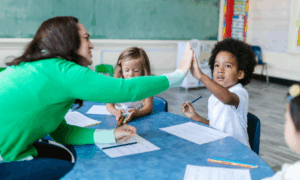
Understanding development stages helps teachers design lessons that match students’ abilities.
2. Improves Teaching Effectiveness
Teachers can adapt methods based on different learning styles and needs.
3. Supports Emotional Growth
Students develop confidence, empathy, and emotional intelligence.
4. Enhances Academic Performance
Concept clarity improves when teaching aligns with development levels.
Core Aspects of Child Development

1. Physical Development
Focuses on motor skills and overall health. Activities like sports and games improve coordination and fitness.
2. Cognitive Development
Involves thinking, reasoning, and problem-solving. Inquiry-based learning helps students explore and understand concepts deeply.
3. Emotional Development
Helps children manage feelings and build self-awareness. Techniques like reflection and mindfulness support emotional growth.
4. Social Development
Encourages communication, teamwork, and relationship-building through group activities and discussions.
Pedagogical Strategies That Support Development

Differentiated Instruction
Students learn at different paces. Differentiated instruction allows teachers to modify content, process, and outcomes based on students’ readiness and interests.
Constructivist Approach
This method encourages students to build their own understanding through experience and reflection. Teachers guide rather than instruct, promoting active learning.
Collaborative Learning
Working in groups fosters teamwork and enhances social learning. It also mirrors real-world environments, preparing students for future challenges.
Formative Assessment
Ongoing evaluations help teachers monitor progress and make timely interventions. Feedback is constructive, encouraging students to improve continuously.
Role of Teachers and School Environment

Teachers as Facilitators
Teachers must go beyond delivering content. They should observe, mentor, and guide students while creating a nurturing environment that promotes inquiry and exploration.
Safe and Stimulating Classrooms
A classroom should be emotionally and physically safe. Vibrant learning spaces, availability of resources, and freedom to express are key elements.
Parental Involvement
When schools and parents work together, children receive consistent messages and support. Parent-teacher meetings and workshops can align strategies for a child’s development.
Impact on Student Outcomes
Better Academic Performance
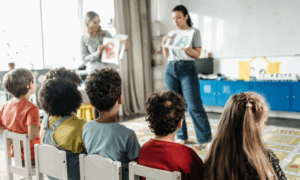
When pedagogy aligns with Child Development and Pedagogy principles, students understand concepts better and retain information longer, leading to improved academic results.
Stronger Life Skills
Skills such as decision-making, empathy, and adaptability are developed through well-structured pedagogical methods and emotional guidance.
Inclusive Education
Understanding the varied needs of children—including those with learning difficulties—ensures that every student gets equal opportunities to succeed.
Real-World Implementation

Case Study: Schools in Dehradun
Many Schools in Dehradun follow progressive teaching practices rooted in child development and pedagogy. By integrating nature-based learning, activity-driven classes, and reflective teaching, they offer students a nurturing and dynamic education model.
Example of an Integrated Classroom
A classroom where students work on science experiments in groups, express findings through presentations, and reflect through journals represents a comprehensive pedagogical model aligned with Child Development and Pedagogy principles.
Child Development and Pedagogy vs Traditional Teaching
| Child-Centered Approach | Traditional Approach |
|---|---|
| Focus on understanding | Focus on memorization |
| Interactive learning | Passive learning |
| Real-life application | Theoretical concepts |
| Student participation | Teacher-dominated |
Conclusion
Child Development and Pedagogy is the foundation of effective education. When teaching methods align with how children learn and grow, the results are remarkable. Students not only perform better academically but also develop essential life skills.
As modern schools continue to adopt these practices, it is clear that a balanced approach to development and teaching is the key to shaping confident, capable, and future-ready individuals.
FAQ Section
1. What is Child Development and Pedagogy?
It is the study of how children grow and the teaching methods used to support their learning.
2. Why is Child Development and Pedagogy important?
It helps improve teaching effectiveness, student understanding, and overall development.
3. What are the main areas of child development?
Physical, cognitive, emotional, and social development.
4. How does pedagogy impact learning?
It determines how effectively students understand and retain concepts.
5. What is the role of teachers in pedagogy?
Teachers act as facilitators who guide and support student learning.


The emphasis on understanding child development as aBlog Comment Creation foundation for effective pedagogy really stood out to me. It’s so important that educators adapt their teaching strategies to align with students’ cognitive and emotional stages—something that’s often overlooked in favor of rigid curricula. This post is a timely reminder of why developmental insight should be central to school planning and teacher training.