


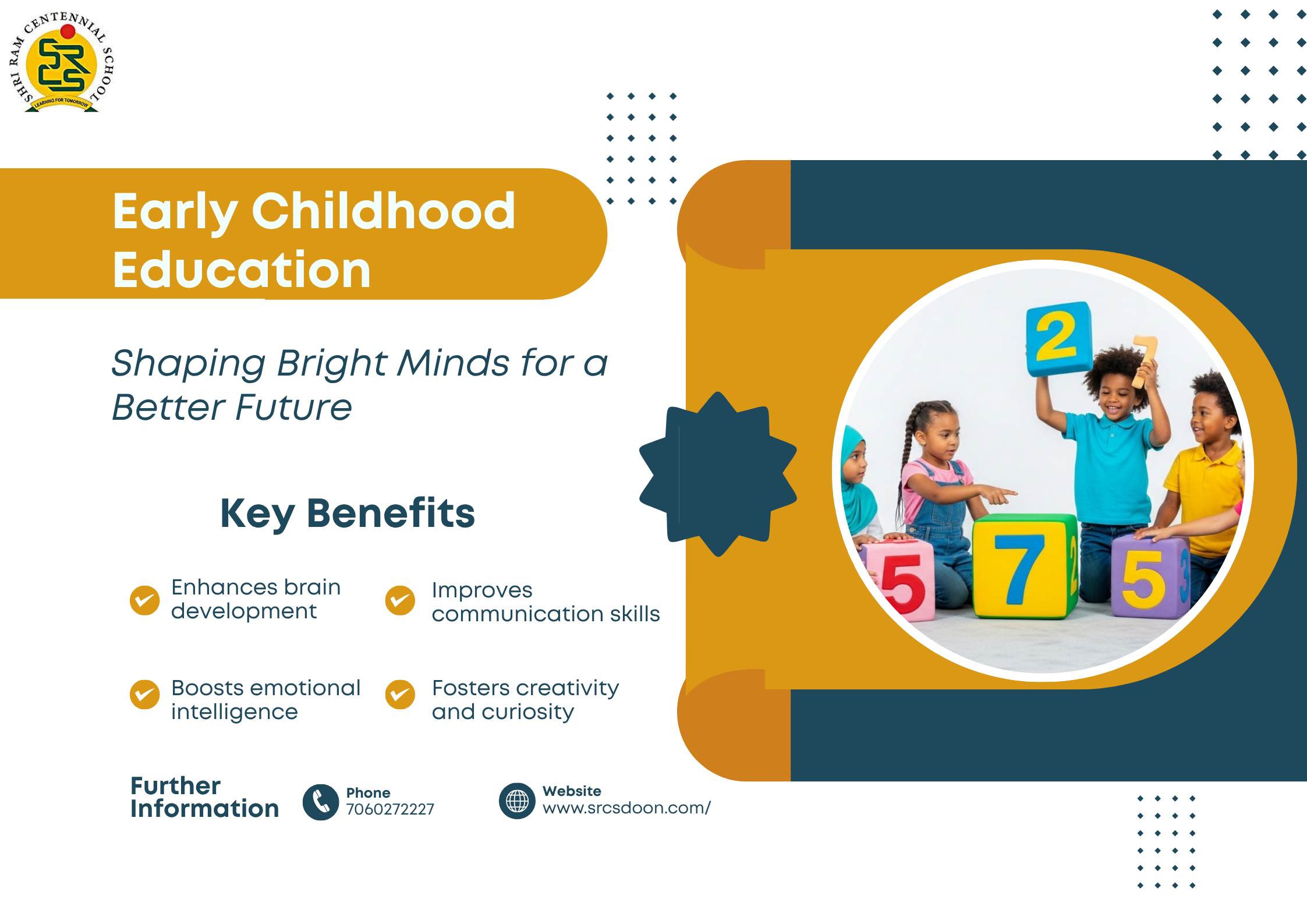
Early childhood is the most delicate yet dynamic phase of life — a time when a child’s mind is like soft clay, ready to be molded with care, curiosity, and creativity. Early childhood education (ECE) is not merely about alphabets and numbers; it is the foundation that supports every aspect of a child’s development — intellectual, emotional, physical, and social.
While parents often focus on later schooling years, research shows that the first five years have a profound impact on how children learn, think, and relate to the world. Let’s explore how early childhood education shapes young minds and why it deserves a strong place in every child’s journey.
Why Early Childhood Education?
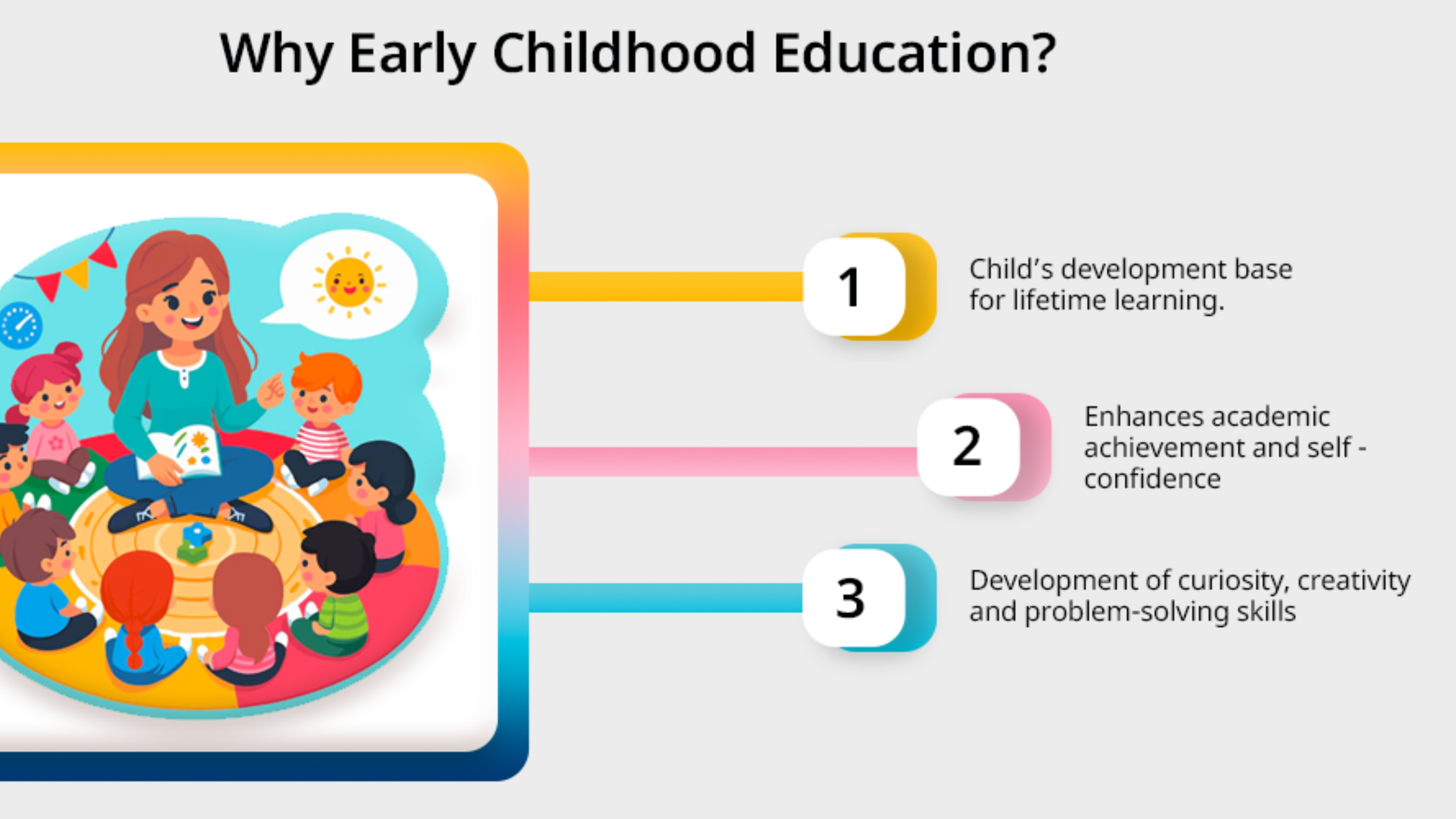
Early childhood education is the cornerstone of a child’s lifelong learning journey. It provides the essential foundation upon which every stage of growth — intellectual, emotional, social, and physical — is built. During these formative years, children absorb knowledge rapidly, developing key skills that shape their future behavior, confidence, and mindset.
Through playful learning and guided exploration, children begin to strengthen their cognitive, social, and emotional abilities. Activities designed around creativity, curiosity, and problem-solving not only improve academic readiness but also nurture self-expression and confidence. Early exposure to structured environments helps them learn to collaborate, share, and communicate effectively with peers and teachers — vital traits for success in school and life.
The Foundation of Lifelong Learning
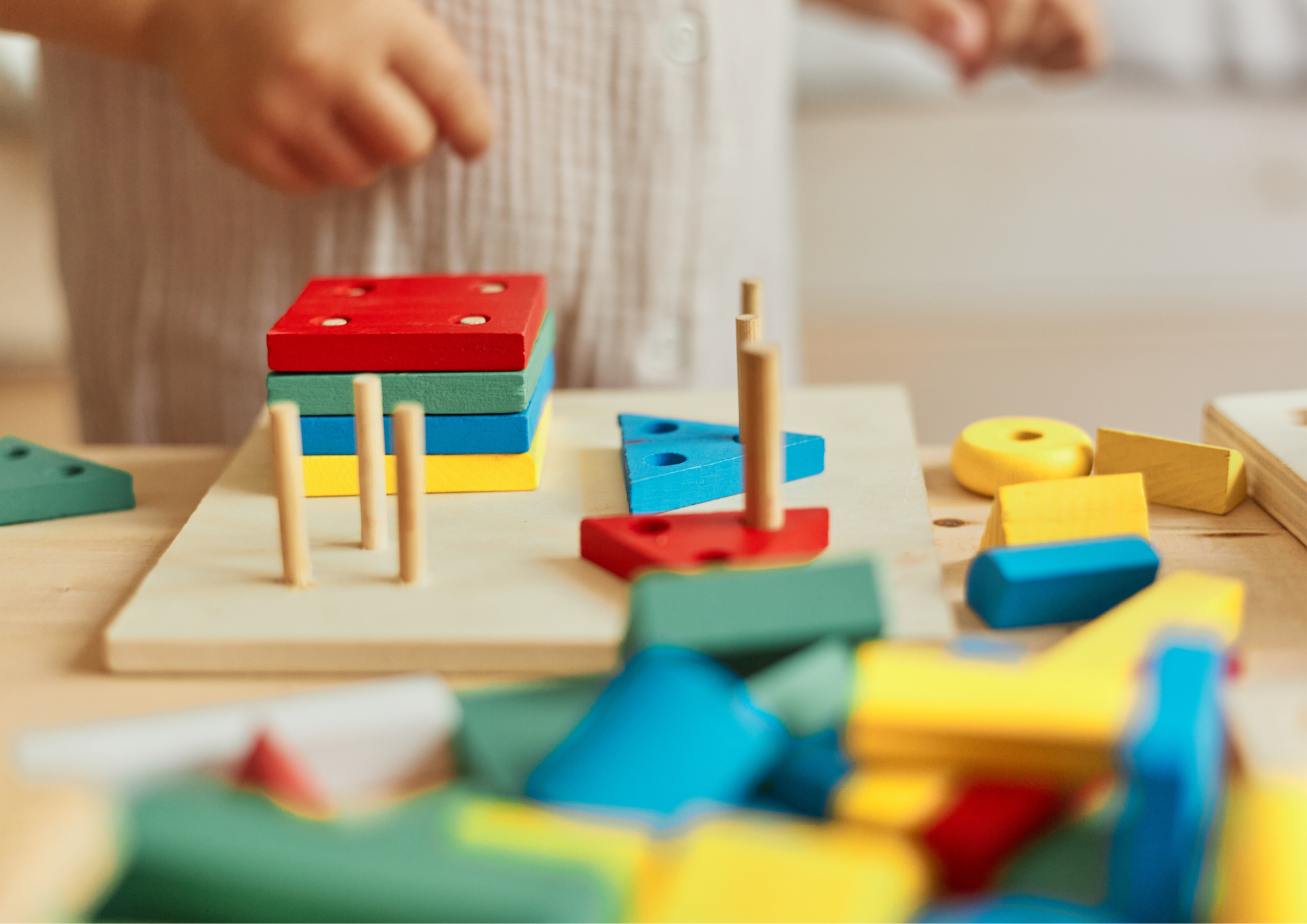
The early years serve as the cornerstone of all future learning. When children engage in structured play, storytelling, and guided exploration, they develop not only cognitive skills but also an intrinsic love for learning. In well-designed early learning settings, teachers act as facilitators rather than instructors, encouraging children to question, imagine, and discover.
These experiences help build a strong learning mindset — one that continues to grow as the child progresses through different stages of education.
1. Builds Strong Cognitive Skills
Early childhood education enhances a child’s ability to think, reason, and solve problems. Activities like puzzles, memory games, and creative play stimulate brain development and improve attention span. During this stage, neural connections form rapidly, which makes this period ideal for building the foundation of logical and analytical thinking.
2. Encourages Emotional Intelligence
Children learn best in emotionally supportive environments. Through group play and guided activities, early education helps children identify emotions — their own and others’. This self-awareness and empathy help them navigate relationships with confidence and kindness, reducing future behavioral challenges.
3. Develops Social and Communication Skills
Preschool classrooms are children’s first real social world outside their family. Here, they learn how to share, listen, and express themselves clearly. Educators use interactive sessions and team-based games to strengthen verbal skills and teach conflict resolution, preparing children for smooth transitions into formal schooling.
4. Enhances Creativity and Imagination
Early childhood educators often integrate art, music, and storytelling to stimulate imagination. These activities allow children to express themselves freely and develop original ideas. Imaginative play not only nurtures creativity but also enhances language development and emotional expression — two crucial skills for future learning.
5. Promotes Physical Development
Movement-based learning is integral to early education. Whether it’s running, jumping, or playing with building blocks, such activities develop coordination, motor skills, and body awareness. These physical skills later translate into improved handwriting, balance, and confidence in sports and academics alike.
6. Encourages Curiosity and Exploration
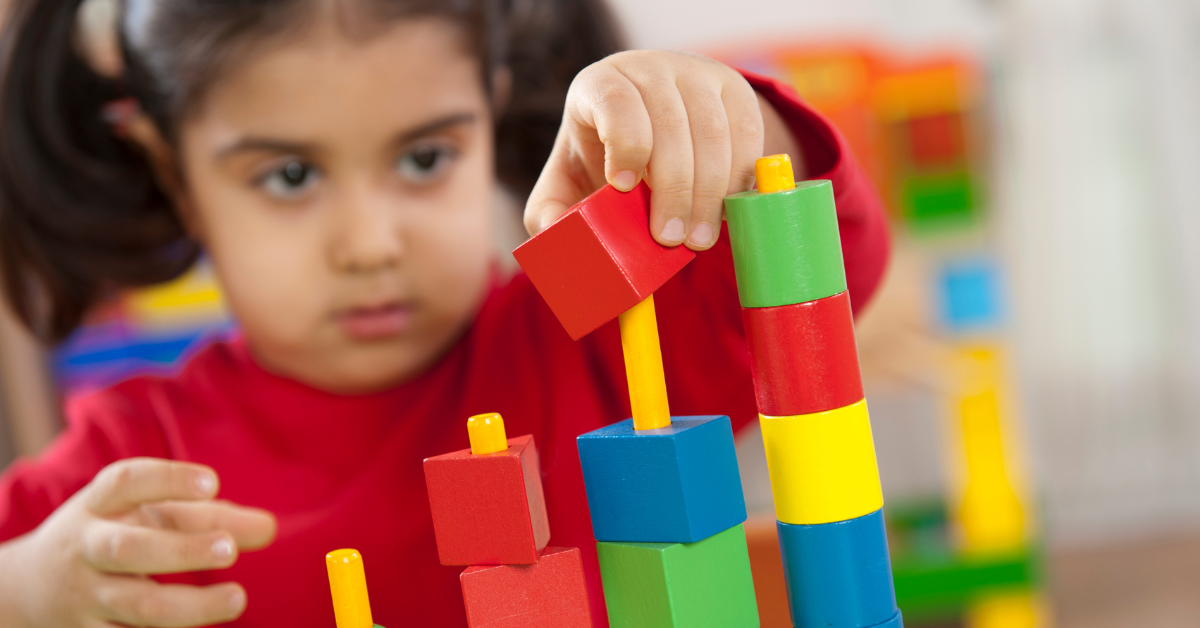
Children are naturally curious, and early education nurtures that curiosity through hands-on learning. When children explore their surroundings under the gentle guidance of educators, they develop scientific thinking — asking questions, observing outcomes, and making connections. This curiosity-driven learning keeps them motivated and engaged in later years.
7. Builds Confidence and Independence
Structured yet flexible environments in preschools encourage children to make choices, complete small tasks, and celebrate achievements. These experiences develop self-confidence and independence. A confident child is more likely to take initiative and face challenges without fear — qualities that define future success.
8. Strengthens Language and Literacy
The power of language begins early. Reading aloud, singing rhymes, and storytelling sessions enrich vocabulary and phonetic understanding. By the time children move to primary classes, they have already grasped the rhythm and structure of language, which makes reading and writing easier. In some institutions, Bilingual Education is introduced early to enhance linguistic flexibility and cultural understanding.
9. Promotes Inclusivity and Cultural Awareness
Early classrooms bring together children from diverse backgrounds, teaching them acceptance and respect for differences. Through stories, celebrations, and group activities, children learn about various traditions and lifestyles. This early exposure shapes them into empathetic, socially responsible individuals who value inclusivity — an important lesson for a globalized world.
10. Lays the Groundwork for Academic Success
Children who attend quality early education programs generally perform better in later academic stages. Studies indicate improved literacy, numeracy, and comprehension levels among those who received early learning support. These programs also help children adapt more easily when they enter a formal school in India or abroad, ensuring a smoother academic transition.
Challenges in Early Childhood Education
Despite its proven benefits, early education faces several challenges — such as lack of trained teachers, limited access in rural areas, and varied curriculum standards. Some parents may also undervalue play-based learning, preferring traditional academic methods. Bridging this gap requires awareness, policy support, and collaboration between educators, parents, and institutions.
A well-structured curriculum must balance fun with foundational learning, ensuring that every child, regardless of background, gets equal opportunities to grow and explore.
Conclusion: Nurturing Tomorrow’s Thinkers
Early childhood education is more than a stepping stone — it’s the beginning of a lifelong journey of discovery. It molds young minds, shapes emotions, and builds values that last a lifetime. The experiences children gain during these early years influence how they approach challenges, relationships, and learning itself.
When parents and educators invest in quality early education, they’re not just preparing children for school; they’re preparing them for life — one filled with curiosity, compassion, and confidence.
Frequently Asked Questions
1. What is early childhood education?
Early childhood education (ECE) refers to structured learning programs for children from birth to around age six, focusing on overall development through play, exploration, and guided activities.
2. Why is early childhood education important?
It builds a strong foundation for lifelong learning by enhancing a child’s social, emotional, and cognitive skills during their most formative years.
3. At what age should a child start early education?
Most children begin preschool between ages 2 and 4, depending on individual readiness and family preference.
4. How does early education help in brain development?
ECE stimulates brain growth through interactive play, storytelling, and problem-solving activities that strengthen memory, focus, and creativity.
5. What are the key skills children learn in early education?
Children develop communication, emotional regulation, teamwork, curiosity, and critical thinking — all essential for future academic success.
6. How can parents support early learning at home?
Parents can read aloud, encourage play-based learning, ask open-ended questions, and maintain positive communication to reinforce classroom experiences.