



Bilingual education has always been a topic of debate. Some critics say that students in bilingual programs may lag behind their monolingual classmates. Others strongly believe it gives children valuable skills that make them stand out in the long run. The truth is, bilingual education is often misunderstood, yet it can be one of the most effective ways of teaching—benefiting both students and teachers.
When introduced early, this form of learning helps children grow into open-minded, confident individuals. They don’t just pick up language skills—they also learn how to think differently, interact with the world around them, and prepare for a future filled with opportunities.
What is Bilingual Education?

Bilingual education is an instructional model that uses two languages for teaching. The goal isn’t only to teach kids a second language but also to ensure they can use both languages to understand subjects like reading, math, and science.
This approach helps students thrive in a multilingual society, allowing them to learn in their first language (the one they speak at home) while gradually mastering a second one, often English. It creates a smoother transition into new learning environments without losing touch with their cultural and linguistic roots.
Key Benefits of Bilingual Education

1. Critical Thinking Skills
Studies suggest that bilingual students often develop sharper cognitive abilities than monolingual learners. Switching between two languages strengthens memory, boosts problem-solving, and helps them adapt to new concepts quickly. This ability to think in different ways makes them more flexible learners.
2. Higher Intelligence
Children who grow up bilingual tend to perform better in standardized tests and often have higher IQ scores. Learning in two languages challenges the brain, which in turn improves overall intelligence.
3. Stronger Academic Performance
Students taught in their native tongue first can focus better on core concepts rather than struggling with unfamiliar words. Research shows that bilingual learners usually retain more knowledge and perform better in academics compared to peers taught only in one language. Since bilingual classrooms are tailored for students who speak two languages, teachers can also personalize lessons more effectively.
4. Better Future Success
In today’s world, where businesses and workplaces are increasingly global, bilingual students have a strong advantage. Knowing more than one language not only helps academically but also opens doors to international careers. They often become better readers and perform well in professional life.
5. Improved Social Skills
Children in bilingual programs often become better at relating to people from different cultures. They practice empathy by constantly switching between languages and understanding different perspectives. This makes them more compassionate and socially confident. Being bilingual also helps them build friendships across communities, giving them broader social experiences.
6. All-Round Growth
Bilingual education supports children’s cognitive, social, and linguistic development.
-
Cognitive: Young minds absorb languages quickly, building a foundation for lifelong learning.
-
Social: Interacting in multiple languages improves their cultural awareness.
-
Linguistic: Once a child masters two languages, learning a third or fourth becomes easier.
Challenges in Bilingual Education

While the benefits are undeniable, bilingual education also faces certain hurdles:
1. Lack of Funding
Running a bilingual program is often more expensive than traditional classrooms. Schools may need extra teachers and resources to manage lessons in two languages. Without proper funding, the quality of these programs can be affected.
2. Teacher Quality and Structure
Not all teachers are trained to teach across languages. If instructors lack fluency or proper methodology, students may not get the full benefits. Teaching two languages also requires carefully designed curriculums, which some schools struggle to maintain.
3. Language Proficiency Gaps
Some students may not have enough exposure to the second language outside of school. This makes it harder for them to keep up with lessons. Others may struggle if they have limited ability in their first language. Unless both languages are supported well, students can feel left behind.
4. Cultural Differences
Students often come from different cultural backgrounds, which can bring diverse expectations and behaviors into the classroom. While diversity is a strength, it can also cause misunderstandings or even segregation if not managed properly. Teachers need to encourage inclusivity so that children from all backgrounds feel valued.
How Boarding Schools in India Lead the Way
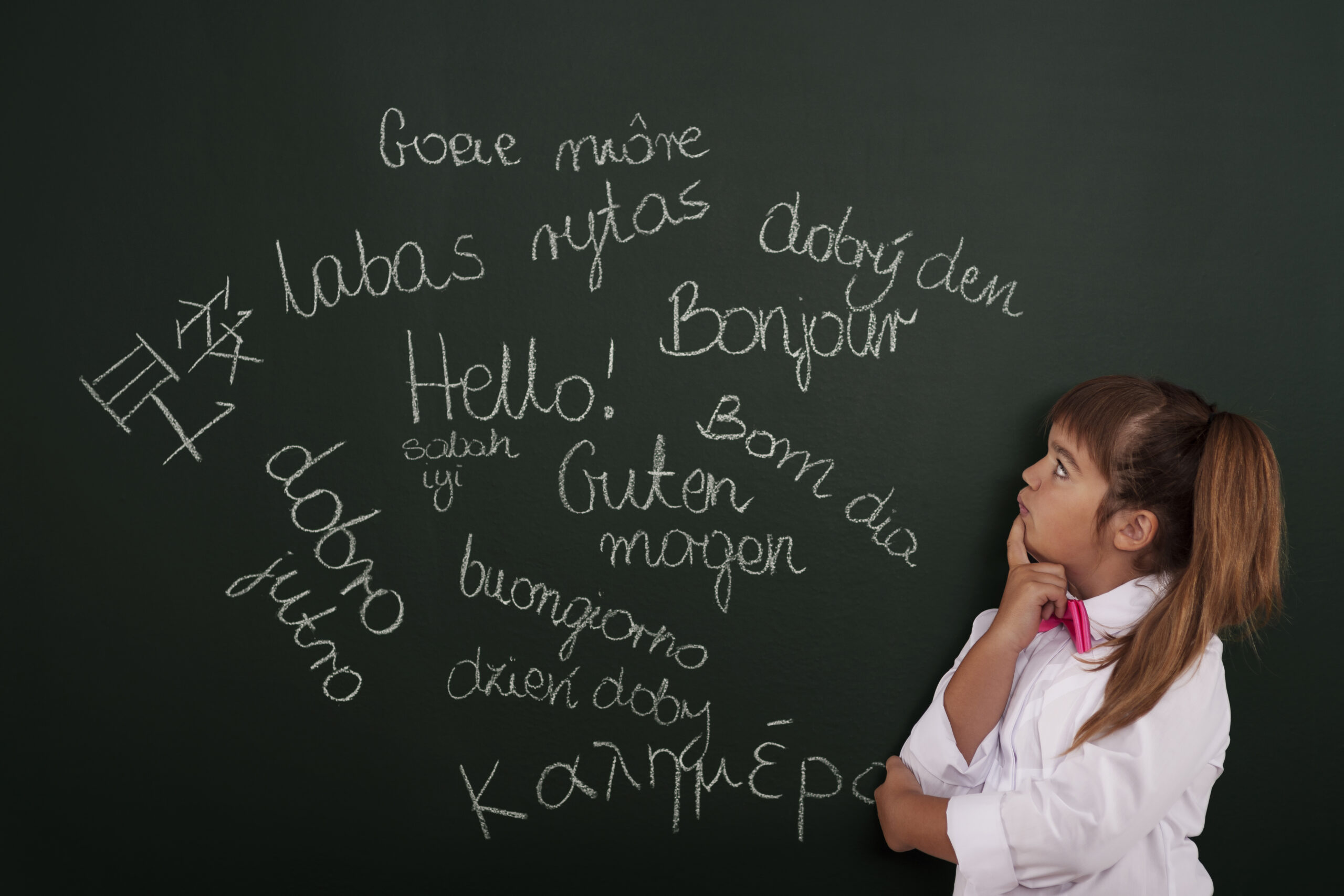
When it comes to bilingual programs, Boarding schools in India are setting new standards. The reason is simple: life at a boarding school naturally supports two-language exposure. Students live, learn, and grow in an environment where they practice languages daily, not just during classes. Whether it’s conversations in the hostel, group projects, or extracurricular activities, the use of two languages becomes second nature
Conclusion
For bilingual education to work, parents, teachers, and schools must work together. When designed thoughtfully, these programs offer children more than just fluency in two languages—they open doors to new ideas, cultures, and opportunities.
Bilingual education prepares students for life in a global society, helping them think smarter, interact better, and build meaningful connections. It ensures that children are not only ready for academic success but also for a world where language learning becomes the key to progress.
Frequently Asked Questions (FAQ)
Q1: What is bilingual education?
Answer: Bilingual education is a teaching method where students learn subjects in two languages, usually their native language and a second language.
Q2: How does bilingual education help students?
Answer: It improves language learning, boosts critical thinking, enhances memory, and prepares students to succeed in a global society.
Q 3: Does bilingual education improve academic performance?
Answer: Yes, research shows bilingual students often perform better in academics because they develop problem-solving and multitasking skills.
Q4: What are the social benefits of bilingual education?
Answer: It helps children communicate with diverse groups, develop empathy, and build stronger social connections.
Q5: What challenges come with bilingual education?
Answer: Challenges include lack of resources, trained teachers, and ensuring students balance both languages effectively.