




Climate change is no longer a distant issue that only affects polar regions or future generations. Students today are already seeing its impact through rising temperatures, unpredictable weather, poor air quality, water shortages, and environmental stress.
As schools continue to focus on academic performance, there is a growing need to include learning that reflects real-world challenges. Climate education can help students understand environmental issues, think critically, and make responsible decisions.
What Is Climate Change Education?
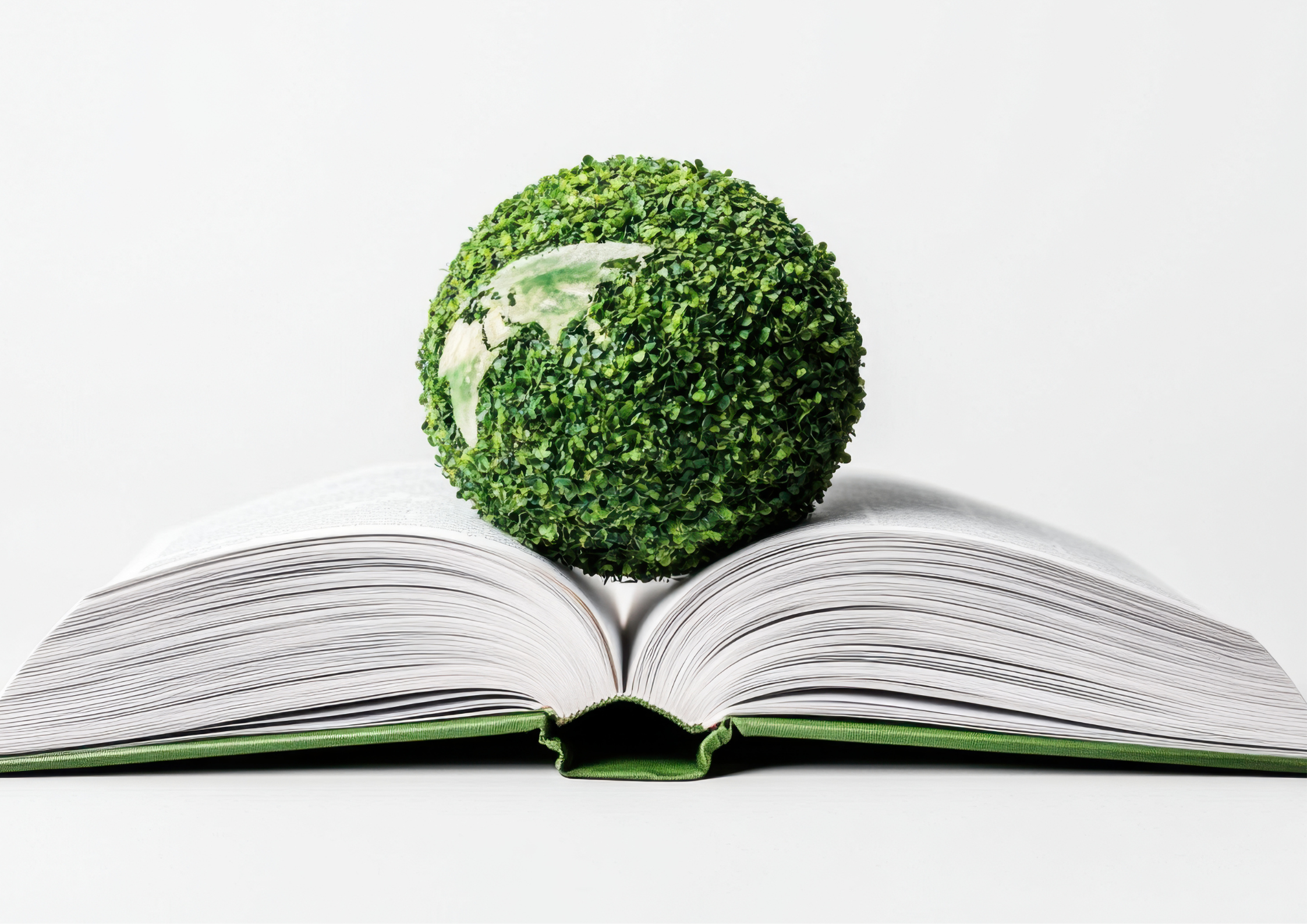
Climate change education is the process of teaching students about climate science, environmental challenges, sustainability, and the impact of human activities on the planet.
However, it goes far beyond learning definitions or memorizing facts.
Climate education helps students understand:
- How human actions affect the environment
- Why global temperatures are rising
- How climate change impacts health, food, water, and communities
- What actions individuals, schools, and governments can take
- How sustainability can improve the future
When students understand the connection between their choices and the environment, learning becomes more meaningful and practical.
Why Traditional School Curricula Often Fall Short
In many schools, environmental topics are covered in isolated chapters without enough real-world context. Students may learn about pollution, global warming, or deforestation, but they are not always taught how these issues affect their lives.
Traditional curricula often focus heavily on:
- Exam preparation
- Textbook-based learning
- Standardized assessments
- Theoretical concepts
As a result, climate education may feel disconnected from reality.
Teachers also face challenges such as:
- Limited classroom time
- Lack of teaching materials
- Insufficient training in climate science
- Pressure to complete the syllabus
Because of this, many students are aware of climate change but do not fully understand its causes, consequences, or possible solutions.
Why Climate Literacy Matters for Students
Building Informed Decision-Makers
Today’s students will soon become voters, professionals, and community leaders. Understanding climate science helps them evaluate information critically, distinguish facts from misinformation, and make responsible choices. Climate literacy supports thoughtful participation in public discussions without fear or confusion.
Encouraging Problem-Solving Skills
Climate-related challenges require creative thinking and collaboration. When students explore case studies, local environmental issues, or sustainable solutions, they learn how to analyze problems, weigh alternatives, and propose realistic actions. These skills are valuable far beyond environmental studies.
Connecting Learning With Everyday Life
From energy use at home to waste management at school, climate education helps students see how small actions contribute to larger outcomes. This connection between knowledge and behavior makes learning more meaningful and long-lasting.
Benefits for Schools and the Education System

Creating Responsible School Communities
Schools that include environmental learning often notice positive changes in student behavior. Simple initiatives like recycling programs, water conservation, or green spaces foster shared responsibility and teamwork. These efforts strengthen school culture and student engagement.
Supporting Balanced Development
When environmental awareness is part of a broader learning approach, it supports values, ethics, and social responsibility alongside academics. This aligns naturally with the idea of Holistic Education, where intellectual growth is balanced with emotional and social development.
Preparing Students for Future Careers
As sustainability becomes central to industries such as technology, construction, agriculture, and policy, climate knowledge is increasingly relevant. Early exposure helps students identify emerging career paths and understand the skills required in a changing job market.
Challenges in Integrating Climate Education
Curriculum Overload
One of the most common concerns is an already crowded curriculum. Educators worry that adding new topics may increase pressure on students and teachers. However, climate education does not require separate subjects—it can be woven into existing lessons through examples, projects, and discussions.
Lack of Teacher Training
Teachers play a key role in shaping understanding, yet many have not received formal training in climate science or environmental education. Professional development programs and access to reliable teaching materials are essential for effective implementation.
Balancing Sensitivity and Accuracy
Climate change can be an emotionally complex topic. Schools must present information accurately without creating anxiety or helplessness among students. Age-appropriate content, solution-focused discussions, and positive examples help maintain balance and confidence.
Causes of Climate Change
The main causes of climate change are human activities that increase greenhouse gases in the atmosphere. These gases trap heat and make the Earth warmer.
Major causes include:
- Burning fossil fuels like coal, oil, and natural gas for electricity, transport, and industries. This releases large amounts of carbon dioxide (CO₂), the biggest contributor to climate change.
- Deforestation, because trees absorb CO₂ from the atmosphere. When forests are cut down, less CO₂ is absorbed and stored carbon is released back into the air.
- Transportation such as cars, trucks, ships, and airplanes, which mostly run on fossil fuels and release greenhouse gases.
- Agriculture and livestock farming. Cows and sheep produce methane, while fertilizers release nitrous oxide, both of which are powerful greenhouse gases.
- Industrial activities such as manufacturing cement, steel, plastics, and chemicals, which produce greenhouse gas emissions.
How Schools Can Introduce Climate Education Effectively
Start With Local Context
When students learn about environmental issues affecting their own region—such as water conservation, air quality, or waste management—they connect more deeply with the subject. Local examples make global challenges easier to understand.
Encourage Inquiry and Dialogue
Classroom discussions, debates, and project-based learning allow students to ask questions and explore multiple perspectives. This approach builds curiosity rather than passive learning.
Involve the Wider Community
Partnerships with local organizations, environmental experts, or community leaders can enrich learning experiences. School-led initiatives also encourage parents to participate, extending awareness beyond the classroom.
Conclusion
So, is climate change education the missing link in modern school curricula? In many ways, yes. While traditional subjects remain important, they must be complemented by learning that reflects the world students live in today. Climate education provides context, responsibility, and relevance—without disrupting academic balance.
When taught thoughtfully, it strengthens understanding, encourages ethical thinking, and prepares young people for informed citizenship. The goal is not to add pressure, but to add perspective. And in doing so, education becomes not just a path to success, but a guide toward a more aware and sustainable world.
Frequently Asked Questions (FAQs)
1. How is holistic education different from traditional teaching methods?
Holistic education focuses on overall child development, including emotional, social, and practical skills, while traditional methods mainly emphasize exams and academic scores.
2. Can holistic education improve a child’s confidence?
Yes, by encouraging self-expression, participation, and independent thinking, holistic education helps students build confidence and self-belief naturally.
3. Is holistic education suitable for all age groups?
Holistic education benefits learners at every stage, from early childhood to senior classes, as it adapts teaching methods to age-appropriate developmental needs.
4. Does holistic education affect academic performance?
No, it often enhances academic performance by improving focus, understanding, and motivation through engaging and balanced learning experiences.
5. How can parents support holistic learning at home?
Parents can support holistic learning by encouraging open communication, creativity, reading habits, physical activity, and emotional awareness at home.