





Difference between value education and moral education is a topic that often confuses students, parents, and even educators. While both concepts aim to shape a person’s character and behavior, they are not exactly the same.
In the present education system, especially in a Modern Education framework, schools focus not only on knowledge but also on developing values and ethics among students. This balance is what defines a truly holistic learning experience.
Meaning of Value Education

Value education refers to the process of teaching universal values that guide individuals in making decisions and living a meaningful life.
Key Elements of Value Education
-
Respect for others
-
Honesty and integrity
-
Responsibility
-
Compassion and empathy
-
Social awareness
Value education is broader in nature. It focuses on shaping a person’s overall personality and worldview. It encourages students to understand what is right, not just follow rules blindly.
Real-Life Perspective
For example, when a student learns to respect diversity or helps someone in need without expecting anything in return, it reflects value education in action.
Meaning of Moral Education
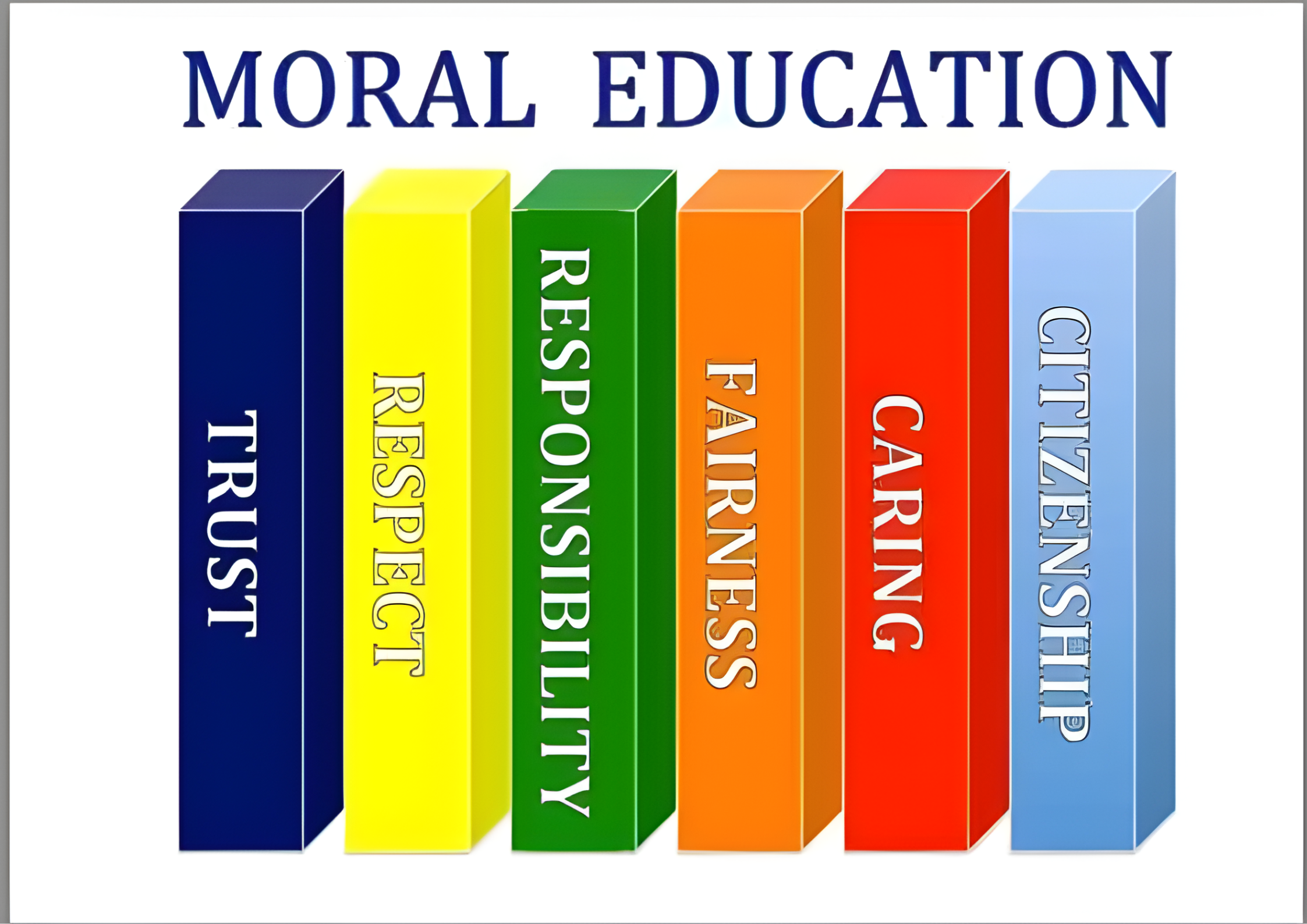
Moral education, on the other hand, is more specific. It deals with teaching right and wrong behavior based on ethical standards and societal norms.
Key Elements of Moral Education
-
Understanding good vs bad
-
Following rules and discipline
-
Developing a sense of justice
-
Learning ethical conduct
Moral education often focuses on behavior and actions. It teaches students how to behave properly in different situations.
Real-Life Perspective
For instance, telling the truth, not cheating in exams, and respecting elders are all examples of moral education.
Difference Between Value Education and Moral Education

Although both concepts are closely related, their differences become clear when we compare them:
1. Scope
-
Value Education: Broad and universal
-
Moral Education: Narrow and behavior-specific
2. Focus
-
Value Education: Internal beliefs and principles
-
Moral Education: External behavior and actions
3. Approach
-
Value Education: Encourages understanding and reflection
-
Moral Education: Emphasizes rules and discipline
4. Application
-
Value Education: Applies to all aspects of life
-
Moral Education: Often applies to specific situations
5. Goal
-
Value Education: Develops a well-rounded individual
-
Moral Education: Ensures socially acceptable behavior
Both are equally important, but they serve different purposes in a student’s life.
Importance of Value Education

Value education plays a crucial role in shaping individuals who can contribute positively to society.
Builds Strong Character
It helps students develop integrity, empathy, and self-awareness.
Encourages Critical Thinking
Students learn to make thoughtful decisions rather than blindly following others.
Promotes Social Harmony
Understanding values like respect and equality reduces conflicts and promotes unity.
Prepares for Real Life
Academic knowledge alone is not enough. Values help students handle real-life challenges effectively.
Importance of Moral Education

Moral education ensures that students understand the importance of right behavior in daily life.
Develops Discipline
It teaches students to follow rules and maintain order in their lives.
Guides Ethical Behavior
Students learn to differentiate between right and wrong actions.
Builds Trustworthy Individuals
Honesty and fairness make individuals reliable and respected.
Strengthens Society
A morally responsible individual contributes to a stable and ethical society.
Challenges in Implementing Value and Moral Education

While both are essential, implementing them effectively is not always easy.
Lack of Practical Exposure
Students often learn values theoretically but lack real-life application.
Changing Social Environment
Influence of social media and peer pressure can sometimes conflict with taught values.
Limited Focus in Curriculum
Many schools prioritize academic performance over character development.
Inconsistent Role Models
Students may receive mixed messages from society, making it difficult to follow values consistently.
Role of Schools and Educators
Schools play a key role in balancing both value and moral education.
A top school in India today understands that education is incomplete without character development. Teachers act as role models and influence students through both teaching and behavior.
Effective Strategies
-
Integrating values into daily lessons
-
Encouraging group activities and discussions
-
Promoting community service
-
Leading by example
When schools focus on both aspects, students grow into responsible and thoughtful individuals.
Conclusion
Understanding the difference between value education and moral education helps in recognizing their unique roles in shaping a person’s life. While moral education teaches us how to behave, value education helps us understand why we should behave in a certain way.
Both are not substitutes but complements of each other. Together, they create a balanced individual who is not only knowledgeable but also ethical, compassionate, and socially responsible.
In today’s fast-changing world, this balance is more important than ever. Education must go beyond textbooks and exams to build individuals who can think, feel, and act responsibly.