






A healthy balanced diet plan is one of the most important parts of a good lifestyle. It gives the body the right amount of nutrients, vitamins, minerals, protein, carbohydrates, and healthy fats needed to stay active and healthy.
People of all age groups need healthy food to grow properly, stay energetic, and reduce the risk of diseases. A good diet also supports better concentration, stronger immunity, healthy weight, and improved mental well-being.
For children, parents, teachers, and educators, healthy eating habits are especially important because food directly affects learning, memory, focus, and physical growth.
What Is a Healthy Balanced Diet Plan?

A healthy balanced diet plan means eating different types of foods in the right amounts every day. No single food can provide all nutrients, so meals should include a mix of:
- Fruits
- Vegetables
- Whole grains
- Protein-rich foods
- Dairy products or alternatives
- Healthy fats
- Plenty of water
A balanced diet plan does not mean avoiding favorite foods completely. Instead, it focuses on moderation and smart food choices.
Importance of Balanced Diet Plan
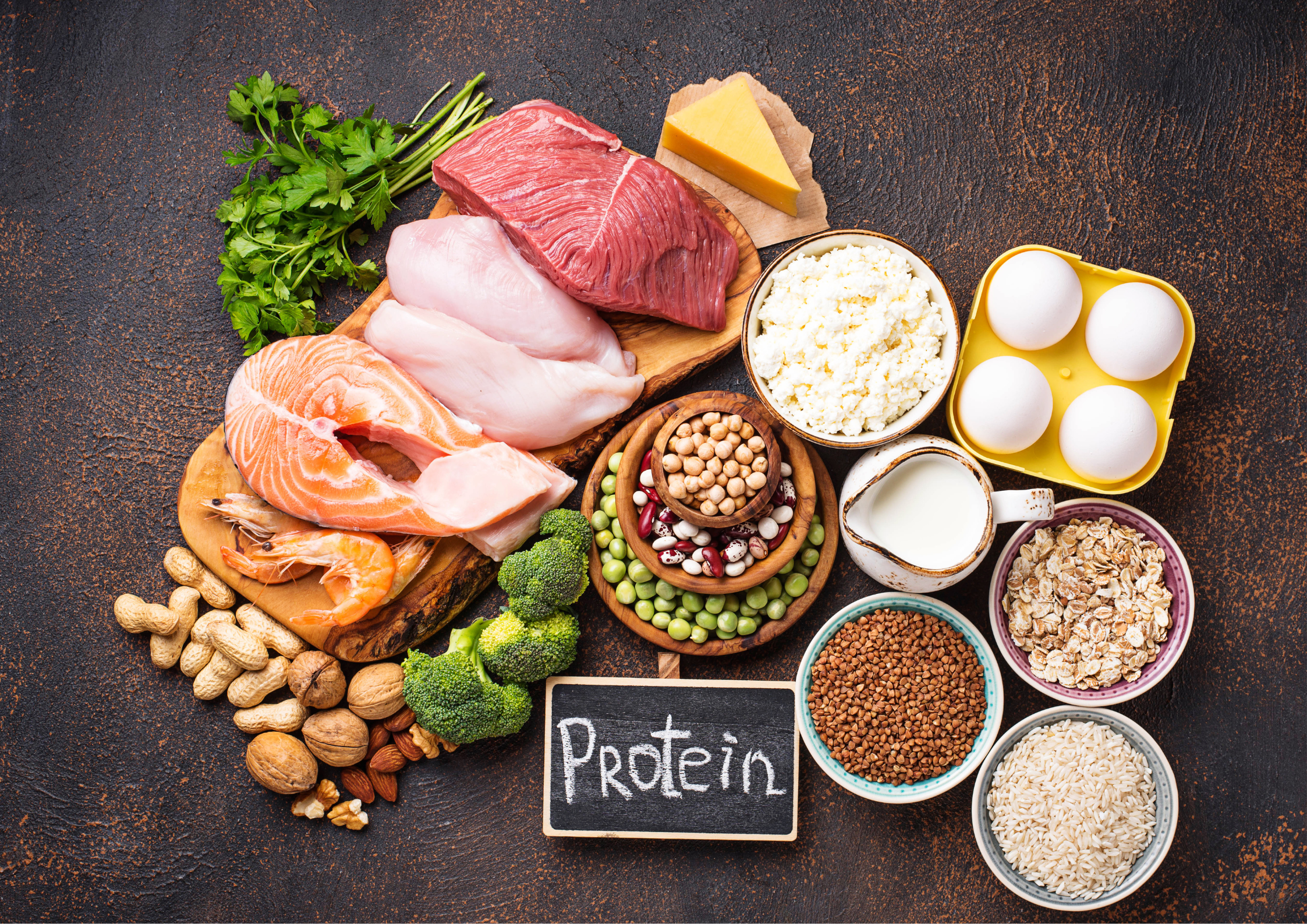
The Importance of Balanced Diet plan can be seen in every stage of life. A nutritious diet supports healthy growth in children, improves productivity in adults, and helps older people stay active.
Some major benefits of following a healthy diet include:
- Better energy levels throughout the day
- Stronger bones and muscles
- Improved immunity
- Better brain function and memory
- Healthy skin and hair
- Lower risk of obesity, diabetes, and heart disease
- Improved mood and mental health
- Better sleep quality
A balanced diet plan is also important for students because it improves concentration and helps them perform better in school activities.
Foods to Eat in a Healthy Balanced Diet Plan
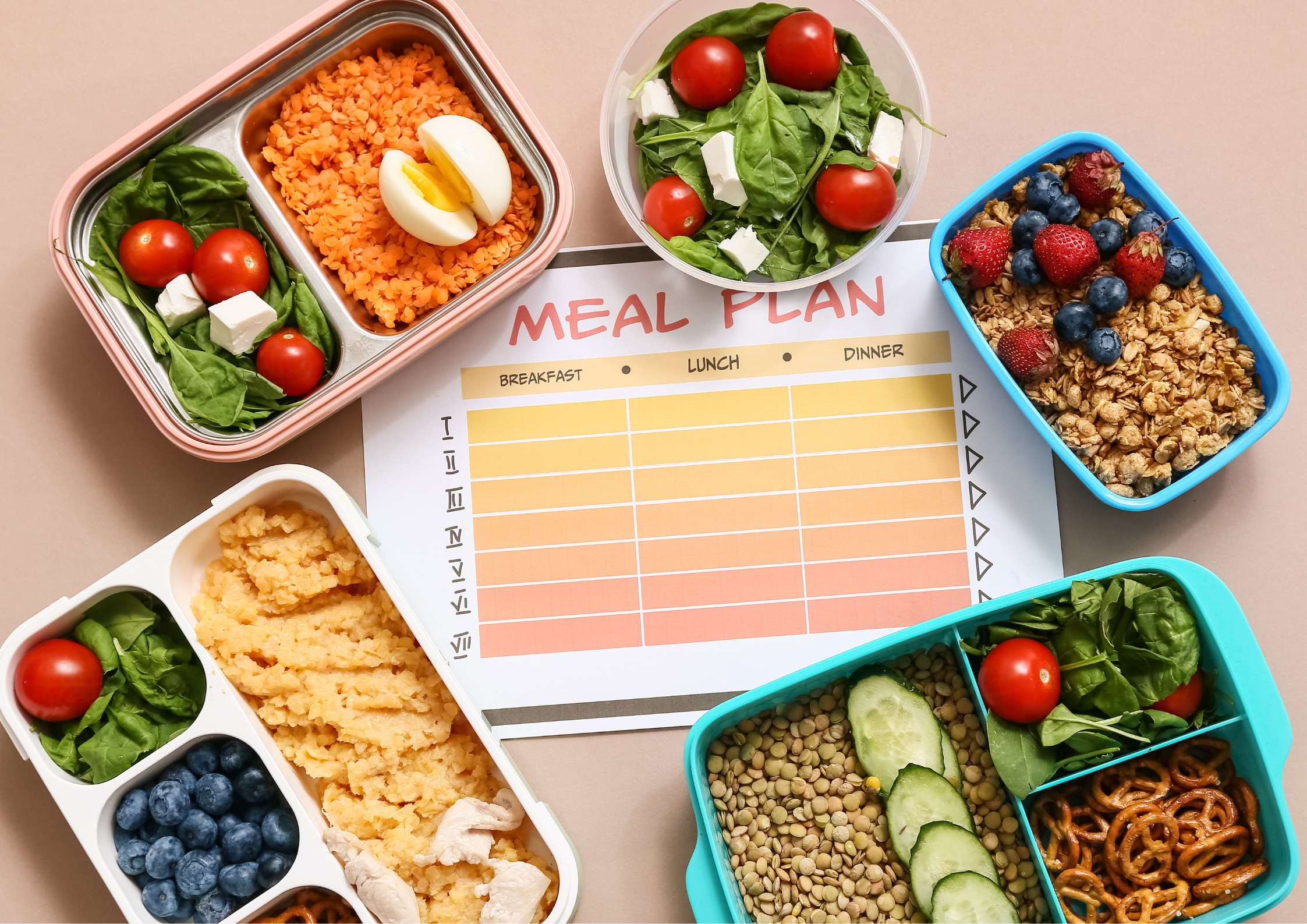
1. Fresh Fruits
Fruits are rich in vitamins, minerals, antioxidants, and fiber. They help improve digestion and support immunity.
Some healthy fruit choices include:
- Apples
- Bananas
- Oranges
- Papaya
- Watermelon
- Berries
- Mangoes
- Guava
Eating seasonal fruits is often more affordable and healthier.
2. Green Vegetables
Vegetables are full of nutrients and should be included in every meal. Green leafy vegetables are especially rich in iron, calcium, and vitamins.
Best vegetables to include are:
- Spinach
- Carrots
- Broccoli
- Tomatoes
- Cucumber
- Beans
- Cauliflower
- Capsicum
Parents can encourage children to eat vegetables by adding them to sandwiches, soups, or pasta.
3. Whole Grains
Whole grains provide long-lasting energy because they are rich in fiber and complex carbohydrates.
Healthy whole grain options include:
- Brown rice
- Oats
- Whole wheat bread
- Quinoa
- Millets
- Barley
- Whole grain cereals
These foods help keep the stomach full for longer and reduce unhealthy snacking.
4. Protein-Rich Foods
Protein is necessary for muscle growth, tissue repair, and strong immunity.
Some healthy protein sources are:
- Eggs
- Fish
- Chicken
- Lentils
- Beans
- Paneer
- Tofu
- Nuts and seeds
- Yogurt
Students and growing children should include protein in breakfast and lunch for better focus and energy.
5. Healthy Dairy Products
Milk and dairy products provide calcium and vitamin D, which are important for healthy bones and teeth.
Healthy dairy choices include:
- Milk
- Yogurt
- Cheese in moderation
- Buttermilk
- Curd
People who do not consume dairy can choose plant-based alternatives such as almond milk or soy milk.
6. Healthy Fats
Not all fats are bad. Healthy fats are necessary for brain function and heart health.
Good sources of healthy fats include:
- Avocados
- Nuts
- Seeds
- Olive oil
- Peanut butter
- Fatty fish
These foods should be eaten in moderate amounts.
7. Water and Healthy Drinks
Staying hydrated is an important part of a healthy diet. Water helps with digestion, body temperature, and energy levels.
Healthy drink options include:
- Water
- Coconut water
- Fresh fruit juice without added sugar
- Lemon water
- Milk
- Herbal tea
Sugary drinks should be limited because they add extra calories without much nutrition.
Foods to Avoid for Better Health
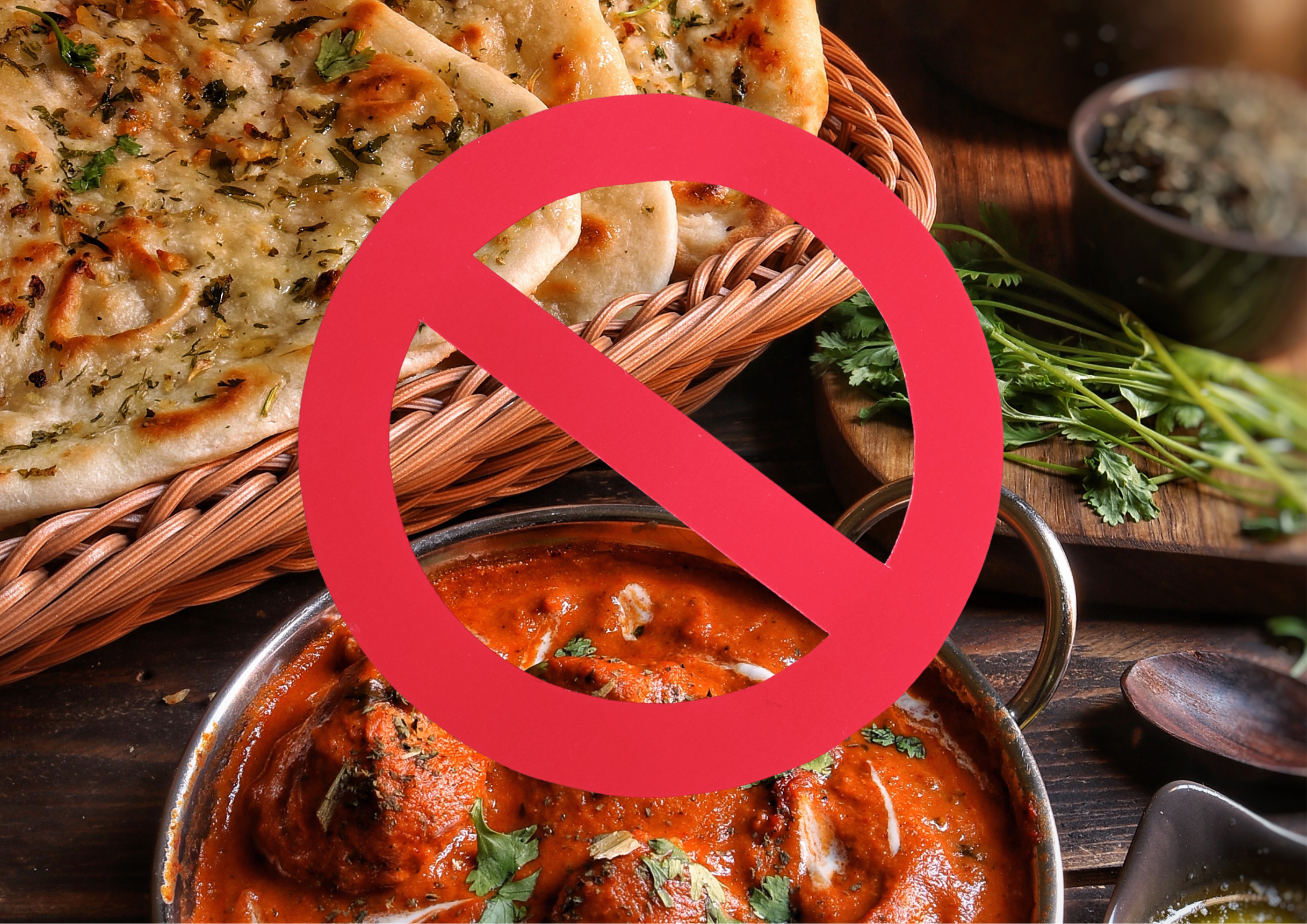
Some foods can harm health if eaten too often. These foods are usually high in sugar, salt, unhealthy fats, or artificial ingredients.
1. Sugary Foods and Drinks
Too much sugar can increase the risk of obesity, diabetes, and tooth decay.
Foods to avoid include:
- Soft drinks
- Candy
- Cakes
- Pastries
- Ice cream
- Sweetened juices
2. Junk Food
Junk food may taste good, but it often contains unhealthy fats, extra salt, and very little nutrition.
Common junk foods include:
- Burgers
- Pizza
- French fries
- Chips
- Instant noodles
- Packaged snacks
Eating junk food regularly can lead to weight gain and low energy.
3. Processed Foods
Processed foods are often high in preservatives, sodium, and unhealthy oils.
Examples include:
- Packaged cookies
- Frozen meals
- Sausages
- Processed meat
- Canned foods with high salt
Fresh homemade meals are usually healthier than packaged foods.
4. Excess Salt
Too much salt can increase blood pressure and affect heart health.
Foods high in salt include:
- Pickles
- Chips
- Instant soups
- Packaged snacks
- Fast food
Using herbs and spices is a better way to add flavor to food.
Healthy Balanced Diet Plan Table
| Meal Time | Healthy Food Options | Benefits |
|---|---|---|
| Early Morning | Warm water, soaked almonds, or fruit | Boosts hydration and energy |
| Breakfast | Oatmeal, eggs, milk, fruits, whole wheat toast | Provides energy and improves focus |
| Mid-Morning Snack | Banana, apple, nuts, yogurt | Keeps hunger under control |
| Lunch | Chapati or brown rice, dal, vegetables, curd, salad | Gives balanced nutrition |
| Evening Snack | Sprouts, roasted nuts, coconut water | Supports healthy snacking |
| Dinner | Soup, whole wheat roti, paneer, fish, vegetables | Helps maintain healthy digestion |
| Before Bed | Warm milk or herbal tea | Supports better sleep |
Simple Healthy Meal Plan Example

Here is an easy example of a healthy daily meal plan:
Breakfast
- Oatmeal with fruits
- Boiled eggs
- Milk or fresh juice
Mid-Morning Snack
- Apple or banana
- Handful of nuts
Lunch
- Brown rice or chapati
- Dal or grilled chicken
- Mixed vegetables
- Curd
Evening Snack
- Sprouts salad
- Coconut water
Dinner
- Vegetable soup
- Whole wheat roti
- Paneer or fish
- Salad
This type of meal plan provides balanced nutrition without being expensive or difficult to prepare.
Healthy Eating Tips for Families and Students

Healthy eating becomes easier when families follow simple habits together.
Some practical tips include:
- Eat breakfast every day
- Avoid skipping meals
- Include fruits and vegetables in every meal
- Drink enough water
- Limit screen time during meals
- Read food labels before buying packaged foods
- Choose homemade snacks instead of processed foods
- Keep healthy foods easily available at home
Parents can also teach children about healthy food choices from an early age. Even a school in India can encourage balanced eating by promoting nutritious lunch options and reducing unhealthy snacks in canteens.
Common Mistakes People Make While Dieting
Many people think dieting means eating less food or skipping meals. However, this can be harmful.
Some common mistakes include:
- Skipping breakfast
- Avoiding all fats
- Drinking too many sugary juices
- Eating large portions at night
- Following extreme diets without expert advice
- Ignoring hydration
A healthy diet Plan should always be balanced, realistic, and easy to follow.
Conclusion
A healthy balanced diet plan is not about strict rules or avoiding all favorite foods. It is about making better food choices every day. Eating more fruits, vegetables, whole grains, and proteins can improve health, energy, and concentration. At the same time, reducing junk food, sugary drinks, and processed foods can lower the risk of many health problems.
Small changes in daily eating habits can make a big difference over time. Families, teachers, and educators can help children build healthy habits that last a lifetime. Many Schools in Uttarakhand are also encouraging healthier eating habits by promoting nutritious meals and better food awareness among students.
Frequently Asked Questions
1. What is a balanced diet Plan?
A balanced diet plan includes the right amount of fruits, vegetables, proteins, grains, dairy, and healthy fats.
2. Why is healthy eating important for students?
Healthy eating helps students stay focused, active, and healthy while improving memory and concentration.
3. Which foods should be avoided in a healthy diet Plan?
Sugary drinks, junk food, processed foods, and foods high in salt should be limited.
4. How much water should a person drink daily?
Most people should drink around 6 to 8 glasses of water every day, depending on age and activity level.
5. Can a balanced diet help prevent diseases?
Yes. A healthy diet can reduce the risk of obesity, diabetes, heart disease, and other health problems.