





Female literacy rate is one of the most important indicators of a country’s progress. It shows the percentage of women and girls who can read and write with understanding. A high literacy rate among women leads to better health, stronger families, improved job opportunities, and faster national development.
In many developing countries, female literacy is improving. However, there are still many regions where girls do not get equal access to education. Poverty, social barriers, lack of schools, and safety concerns often stop girls from completing their studies.
What Is Female Literacy Rate?
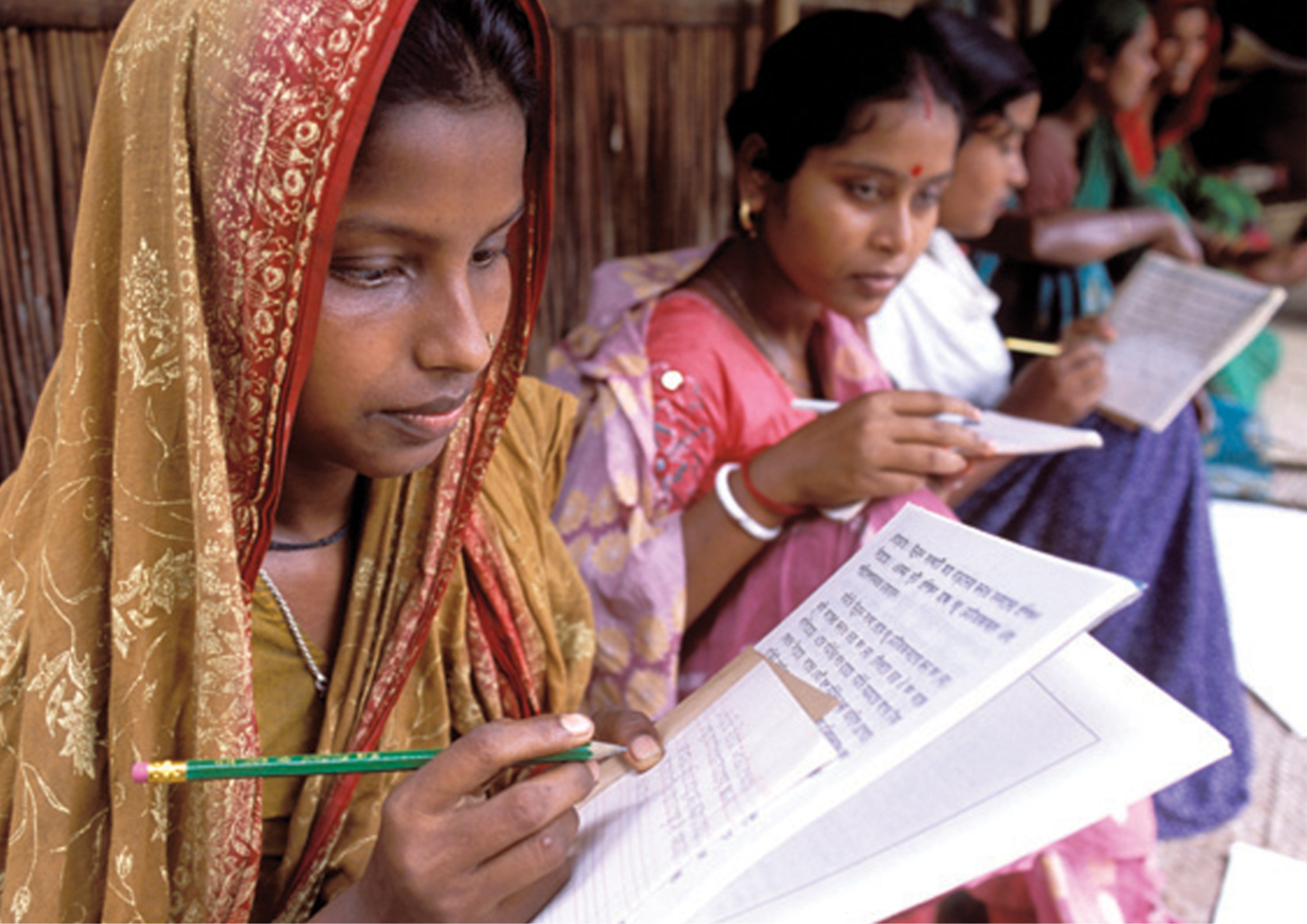
Female literacy rate refers to the percentage of females aged seven years and above who can read and write in any language with understanding.
This rate is used by governments, educators, and policymakers to measure the educational status of women in a country. It helps identify areas where more support is needed for girls and women.
A higher female literacy rate usually means:
- Better family health
- Lower poverty levels
- More job opportunities
- Improved child education
- Greater social equality
Female literacy is not only about reading books or passing exams. It is also about understanding information, making decisions, and living with dignity.
Importance of Female Literacy Rate

Female literacy has a direct effect on both personal and social development. Educated women often have better awareness of health, hygiene, financial planning, and legal rights.
1) Better Family Health
Educated women are more likely to understand the importance of nutrition, vaccination, and medical care. They can take better care of themselves and their children.
Studies show that children of educated mothers are healthier and less likely to suffer from malnutrition. They are also more likely to attend school regularly.
2) Economic Growth
When women are educated, they can join the workforce and earn an income. This increases family earnings and improves living standards.
A literate woman may work as a teacher, nurse, business owner, or professional. She may also manage finances more effectively at home.
3) Reduced Child Marriage
Girls who stay in school are less likely to marry at an early age. Education gives them more opportunities and helps them delay marriage and motherhood.
As a result, female literacy can reduce child marriage and improve the quality of life for young women.
4) Social Equality
Education gives women the confidence to speak up, take part in community decisions, and know their rights.
An educated woman is more likely to support equal opportunities for both boys and girls. This creates a more balanced and fair society.
Current Female Literacy Rate in India
The current female literacy rate in India is around 74.6% for women aged 7 years and above, according to the latest Periodic Labour Force Survey (PLFS) 2023–24. This shows significant progress compared to the 2011 Census, when the female literacy rate was 65.5%.
Improvement in Female Literacy
India has seen a steady rise in women’s literacy over the years. Female literacy increased from 65.5% in 2011 to 74.6% in 2023–24, reflecting better access to schools, awareness campaigns, scholarships, and government education programs for girls.
Gender Gap in Literacy
Despite this progress, there is still a noticeable gap between male and female literacy rates in India. Male literacy stands at around 87.2%, while female literacy is 74.6%. This creates a gender gap of approximately 12.6 percentage points.
Rural and Urban Literacy Differences
The literacy rate for women in urban areas is much higher than in rural regions. Urban female literacy is around 84.2%, while rural female literacy is approximately 70.7%. This shows that women in villages still face challenges such as limited access to schools, poverty, lack of transportation, and social barriers.
Major Challenges Affecting Female Literacy
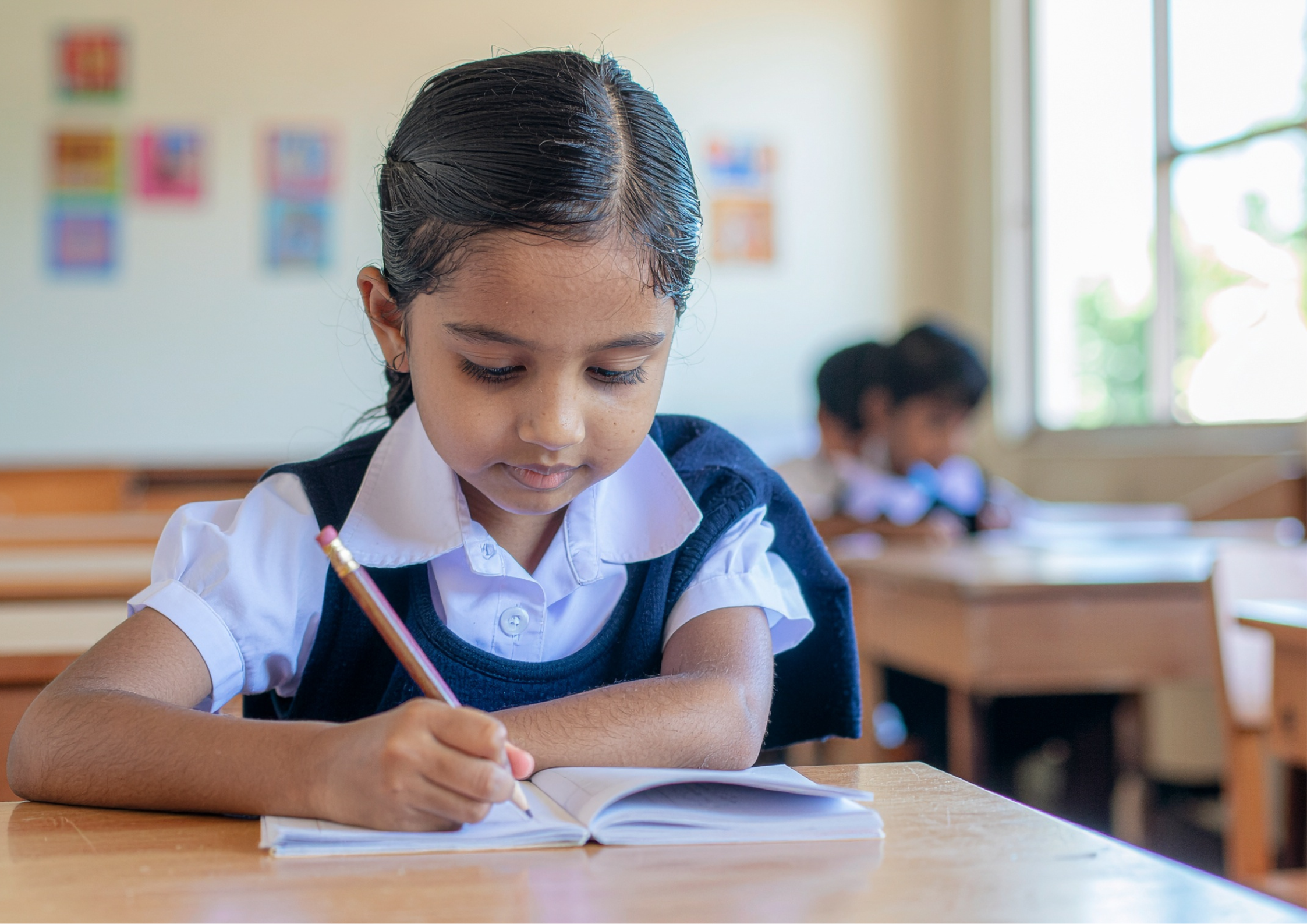
Although progress has been made, several barriers still affect female literacy.
1) Poverty
Many families cannot afford school fees, books, uniforms, or transport. In poor households, boys are often given more importance in education than girls.
2) Gender Discrimination
In some communities, people still believe that girls do not need education because they will get married and manage household work.
This mindset reduces the chances of girls completing higher education.
3) Lack of Schools and Facilities
In some villages, there is no nearby school for girls. Lack of toilets, poor infrastructure, and shortage of female teachers can also discourage attendance.
A good school in India should provide safe classrooms, clean washrooms, and equal opportunities for all students.
4) Early Marriage
Many girls leave school because they are married at a young age. Once they get married, it becomes difficult for them to continue their education.
5) Safety Concerns
Parents may hesitate to send girls to distant schools because of transport issues or fear for their safety.
These concerns are more common in remote and rural areas.
States with the Highest and Lowest Female Literacy Rate in India
| Category | Rank | State / UT | Female Literacy Rate | Main Reason |
|---|---|---|---|---|
| Highest | 1 | Mizoram | 98.2% | Strong community support, quality education, and low gender inequality |
| Highest | 2 | Lakshadweep | 94.8% | Small population, strong school system, and equal focus on girls’ education |
| Highest | 3 | Kerala | 94.0% | Universal education, better social development, and awareness about girls’ education |
| Highest | 4 | Goa | 93.6% | Better infrastructure, urbanization, and government support |
| Highest | 5 | Tripura | 91.6% | Welfare programs, tribal education support, and reduced gender gap |
| Lowest | 1 | Andhra Pradesh | ~66% | Poverty, school dropouts, and child marriage |
| Lowest | 2 | Rajasthan | ~68% | Early marriage, gender inequality, and limited education access |
| Lowest | 3 | Bihar | ~68% | Poor infrastructure, preference for boys’ education, and high dropout rates |
| Lowest | 4 | Uttar Pradesh | ~70% | Economic issues, lack of safety, and limited school access |
| Lowest | 5 | Madhya Pradesh | ~70% | Poverty, teacher shortages, and weak infrastructure |
Benefits of Improving Female Literacy Rate

Increasing female literacy has long-term benefits for society.
1) Stronger Economy
Educated women can work in different sectors and help grow the economy. They can also start businesses and support local communities.
2) Better Education for Children
Literate mothers are more likely to help their children with homework and encourage regular school attendance.
As a result, the next generation becomes more educated.
3) Lower Population Growth
Educated women usually marry later and have fewer children. They are more aware of family planning and healthcare services.
4) Improved Decision-Making
Women who can read and write are better able to make decisions related to money, health, education, and family matters.
5) Increased Confidence
Education helps women become more confident and independent. It gives them the ability to communicate clearly and take leadership roles.
Ways to Improve Female Literacy Rate
Improving female literacy requires support from families, schools, communities, and governments.
1) Encourage Parents to Educate Girls
Parents should understand that educating daughters is just as important as educating sons.
Awareness campaigns can help change old beliefs and social attitudes.
2) Provide Free and Quality Education
Governments should continue offering free education, books, uniforms, and scholarships for girls from poor families.
3) Build Safe Schools
Schools should have proper facilities such as clean toilets, safe transport, boundary walls, and female teachers.
These changes can make parents feel more comfortable sending girls to school.
4) Stop Child Marriage
Strict laws and community awareness programs can help prevent early marriage and keep girls in school for longer.
5) Use Technology in Education
Online classes, mobile learning apps, and digital tools can help girls continue learning even if they cannot attend school regularly.
Role of Teachers and Communities
Teachers play a major role in improving female literacy. They can encourage girls to participate in class, build confidence, and support their goals.
Communities can also help by creating a safe environment for girls and promoting education for all.
Local leaders, parents, and social groups should work together to ensure that every girl gets the chance to study.
Conclusion
Female literacy rate is more than just a number. It reflects the social, economic, and educational development of a country. When women are educated, families become stronger, communities become healthier, and societies become more equal.
Improving female literacy requires equal opportunities, better schools, financial support, and social awareness. Every girl deserves the right to learn, grow, and build a better future.
Frequently Asked Questions
1. What is female literacy rate?
Female literacy rate is the percentage of women and girls who can read and write with understanding.
2. Why is female literacy important?
Female literacy improves health, employment, family income, and social equality.
3. What are the main causes of low female literacy?
Poverty, gender discrimination, early marriage, lack of schools, and safety concerns are the main causes.
4. How does female literacy help children?
Educated mothers are more likely to support their children’s education and health.
5. How can female literacy rate be improved?
It can be improved through free education, better school facilities, scholarships, awareness programs, and stopping child marriage.